9+ ESSENTIAL TRAVEL TIPS FOR FOREIGN VISITORS TRAVELING TO VIETNAM
Vietnam is a fascinating destination known for its rich culture, diverse landscapes, delicious cuisine, and friendly people. However, for foreign travelers, differences in climate, language, transportation, and daily habits can sometimes be challenging.
Below are 9+ essential travel tips to help international visitors prepare better and enjoy a smoother, safer, and more memorable journey in Vietnam.
1. Weather in Vietnam: What Foreign Travelers Should Know
Vietnam has three main climate regions: Northern, Central, and Southern Vietnam, which means the weather varies significantly across the country. For this reason, foreign visitors should always check the weather forecast before traveling to Vietnam to prepare suitable clothing and accessories.
Northern Vietnam
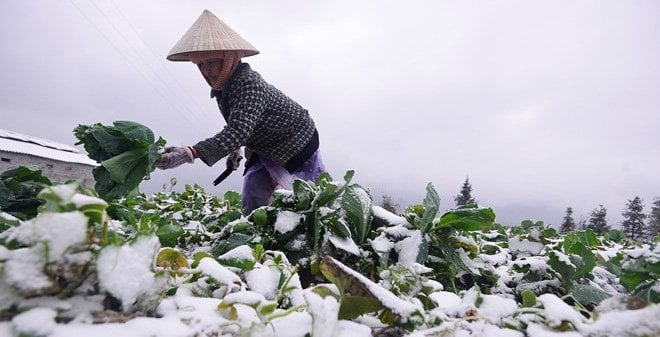
In Northern Vietnam, winter usually lasts from November to March and can be quite cold, especially in mountainous areas such as Sa Pa and Ha Giang. During summer, from May to September, the weather becomes warm and humid, with frequent rainfall. Travelers should bring warm clothes and raincoats for winter, and light clothing such as T-shirts and shorts for summer.
Central Vietnam
Central Vietnam experiences more unpredictable weather throughout the year. The rainy season often lasts from September to January, while the dry and hot season usually runs from February to August. A raincoat or light jacket is recommended during the rainy season, while breathable clothing is ideal during the dry months.
Southern Vietnam
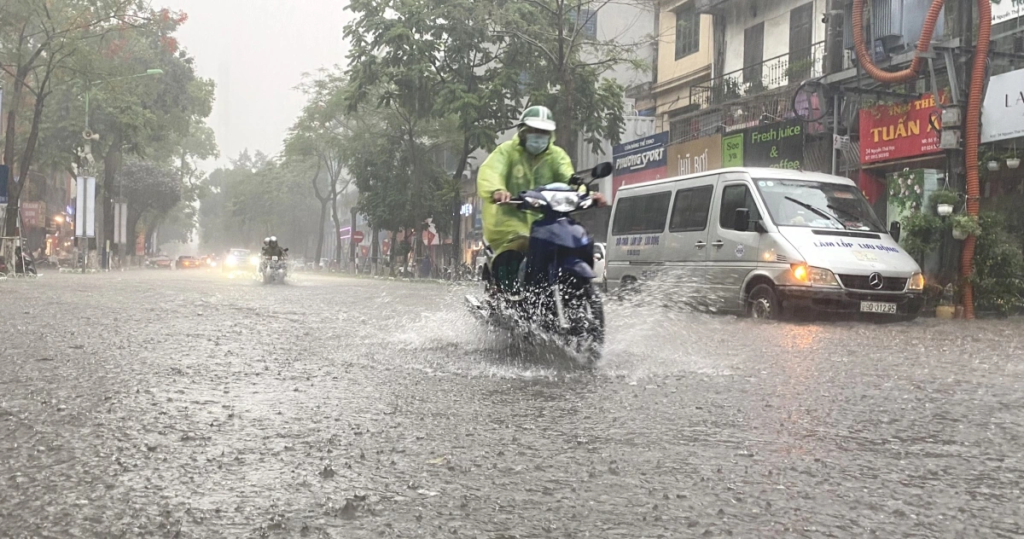
Southern Vietnam has a hot and humid climate all year round. The rainy season lasts from May to November, with the heaviest rainfall occurring in August and September. Light clothing such as short-sleeved shirts, shorts, dresses, and skirts is most suitable. Travelers should also carry a lightweight raincoat during the rainy season.
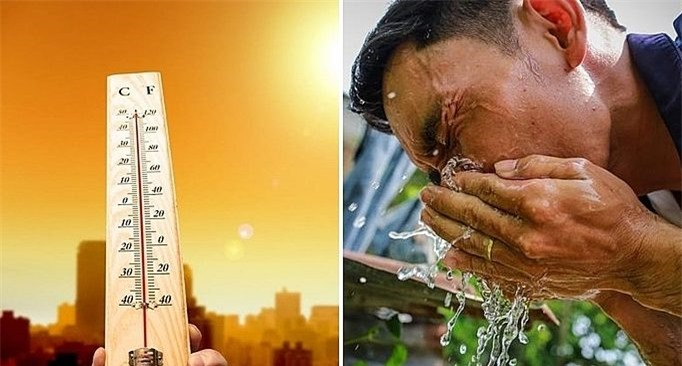
Additionally, Vietnam may experience storms and natural disasters during the rainy season. If you travel during this time, it is important to follow local news and comply with official safety instructions. Checking the weather carefully helps ensure comfort and prevents unexpected disruptions during your trip.
2. Visa and Travel Documents for Visiting Vietnam
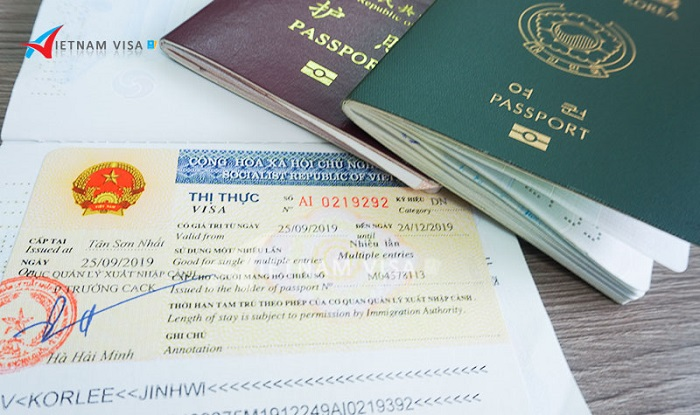
One of the most important preparations for foreign travelers is checking whether a visa is required to enter Vietnam. Visa regulations vary depending on nationality and length of stay.
To get accurate and up-to-date information, travelers should contact the Vietnamese Embassy or Consulate in their home country. They will provide detailed instructions regarding visa requirements and necessary documents, including passport conditions.
In addition to visa requirements, ensure that your passport is valid for at least six months beyond your planned departure date. If your passport is close to expiration, it should be renewed before traveling.
Travelers are also advised to keep photocopies or digital copies of important documents, such as passports and visas, in case of loss or emergency. Proper preparation reduces risks and helps handle unexpected situations more easily.
4. Currency in Vietnam
The official currency of Vietnam is the Vietnamese Dong (VND). Banknotes of various denominations are widely used across the country. Although some hotels, resorts, and tourist shops in major cities may accept foreign currencies, it is always safer and more convenient to use VND, especially at local markets, restaurants, and small shops. Using Vietnamese Dong helps travelers understand product values clearly and negotiate prices fairly with local vendors.
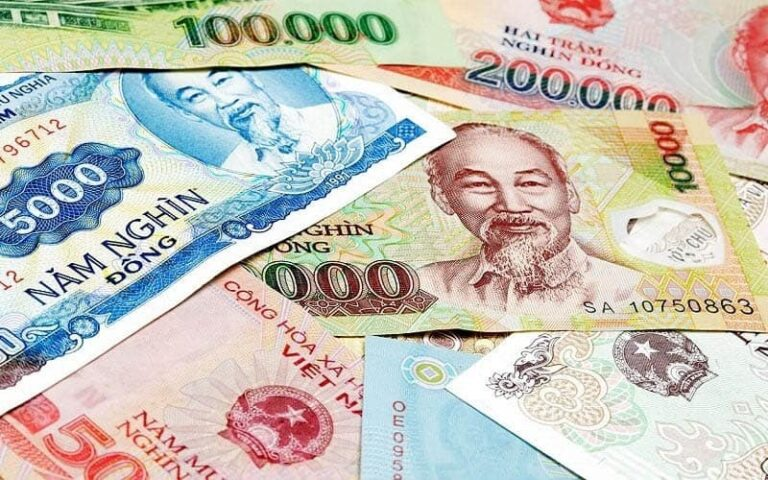
You can exchange money at banks, licensed exchange offices, or withdraw cash from ATMs throughout Vietnam. Always check exchange rates and transaction fees before exchanging money to avoid unnecessary costs. If you carry a large amount of cash, be aware that Vietnam has regulations on the amount of money allowed to enter or exit the country. Any amount exceeding the permitted limit must be declared at customs.
5. Safety and Security in Vietnam
Vietnam is generally considered a safe country with a relatively low crime rate. However, basic safety precautions are still essential for foreign visitors.
Always ensure that doors and windows are securely locked in your accommodation. Avoid leaving valuables in easily accessible places, such as bags left unattended or items placed openly on café tables.
When traveling in public or crowded areas, pay close attention to your belongings, including phones, wallets, and bags. Being aware of your surroundings helps prevent theft and other potential risks.
6. Traffic in Vietnam – The “Ninja Lead” Phenomenon
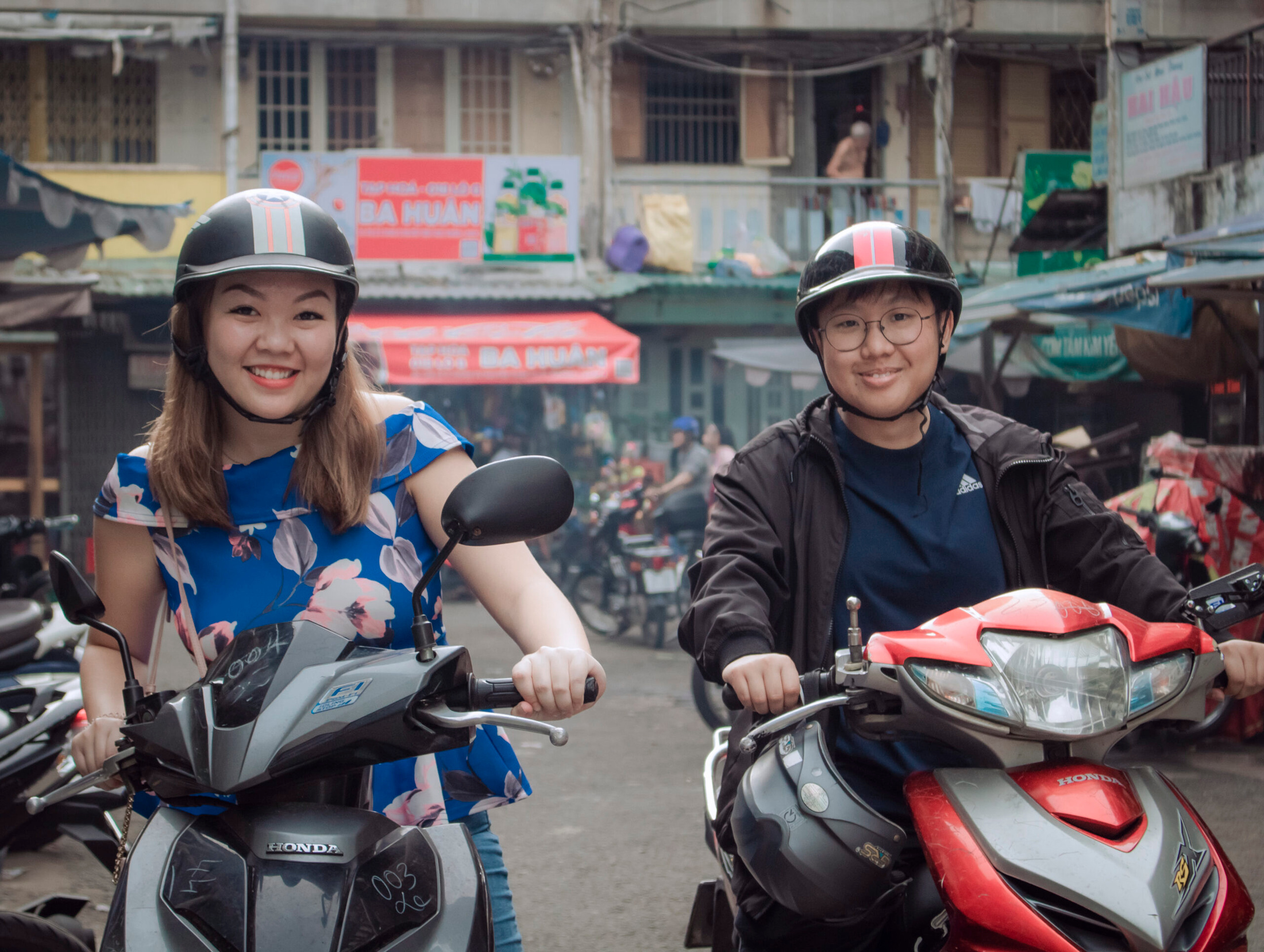
Vietnamese traffic is often described as chaotic and very different from that of many other countries. The term “Ninja Lead” refers to motorbike riders wearing helmets, masks, and long sleeves to protect themselves from dust, sun, and pollution. When walking on busy streets, stay alert and observe traffic from all directions. Listen carefully to vehicle sounds and avoid crossing the road suddenly. Always follow traffic lights when available.
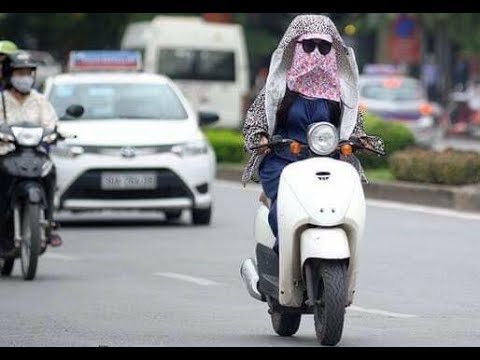
If you choose to ride a motorbike or drive a car, strictly follow traffic laws, wear a helmet, and respect speed limits. Pay extra attention at intersections and crowded areas. If you feel uncomfortable navigating Vietnam’s traffic, consider hiring a driver or using taxis, ride-hailing services, or public transportation. Traffic conditions can change quickly, so staying alert is essential.
7. Electricity and Free Internet in Vietnam
Vietnam uses a different electrical voltage system from some countries, so travelers should bring a plug adapter to safely charge electronic devices.
Internet access is widely available in major cities. Free Wi-Fi can be found in cafés, restaurants, hotels, and many public places. Vietnam also has well-developed mobile networks offering reliable 4G and 5G services.

However, in rural or mountainous areas, internet connections may be weaker or unstable. If you plan to visit remote locations, check in advance whether your accommodation provides internet access.
8. Enjoying Vietnamese Cuisine Safely
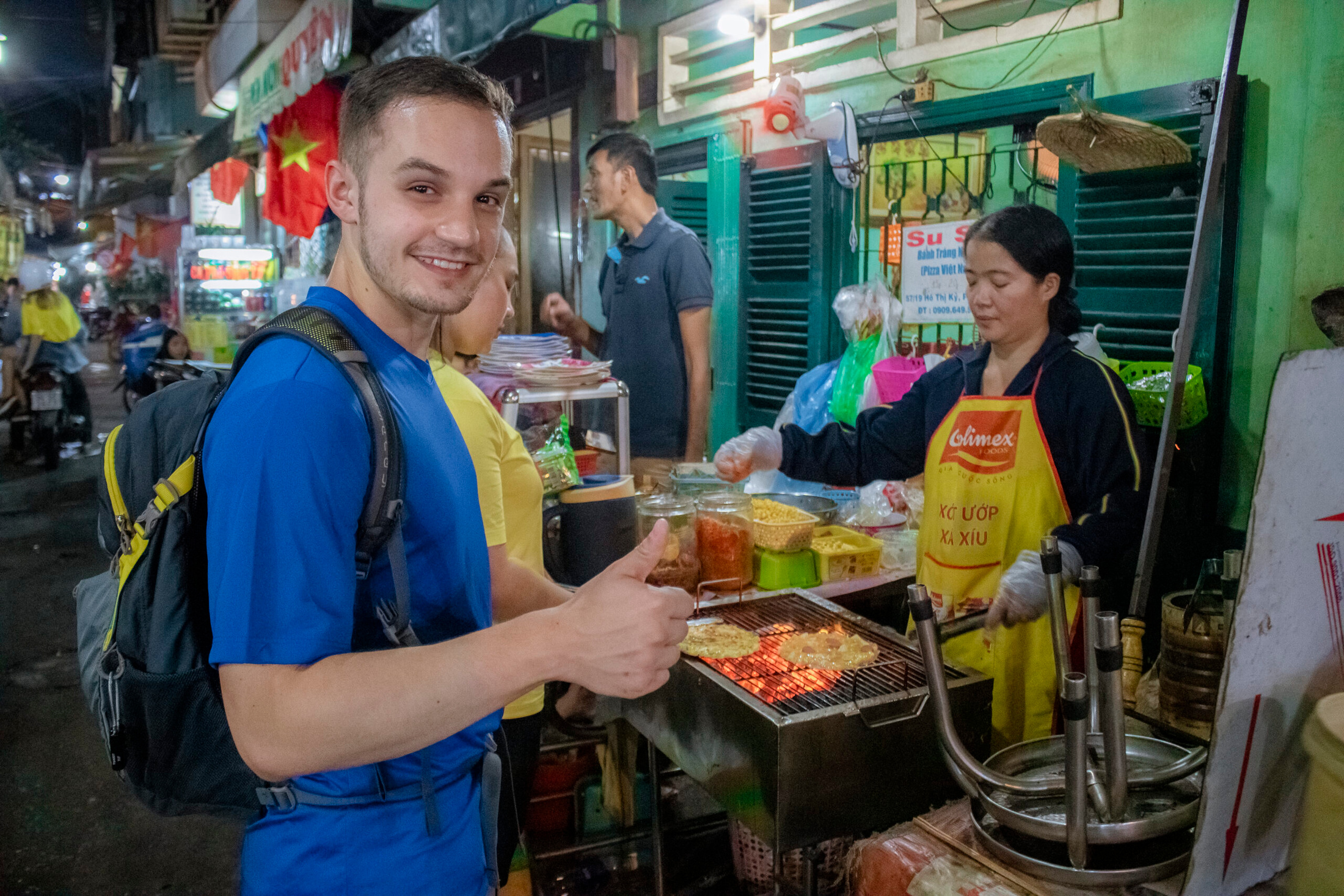
Exploring Vietnamese cuisine is an essential part of traveling in Vietnam. Popular dishes include pho, banh mi, fresh seafood, and traditional cakes such as banh xeo, banh loc, and banh it.
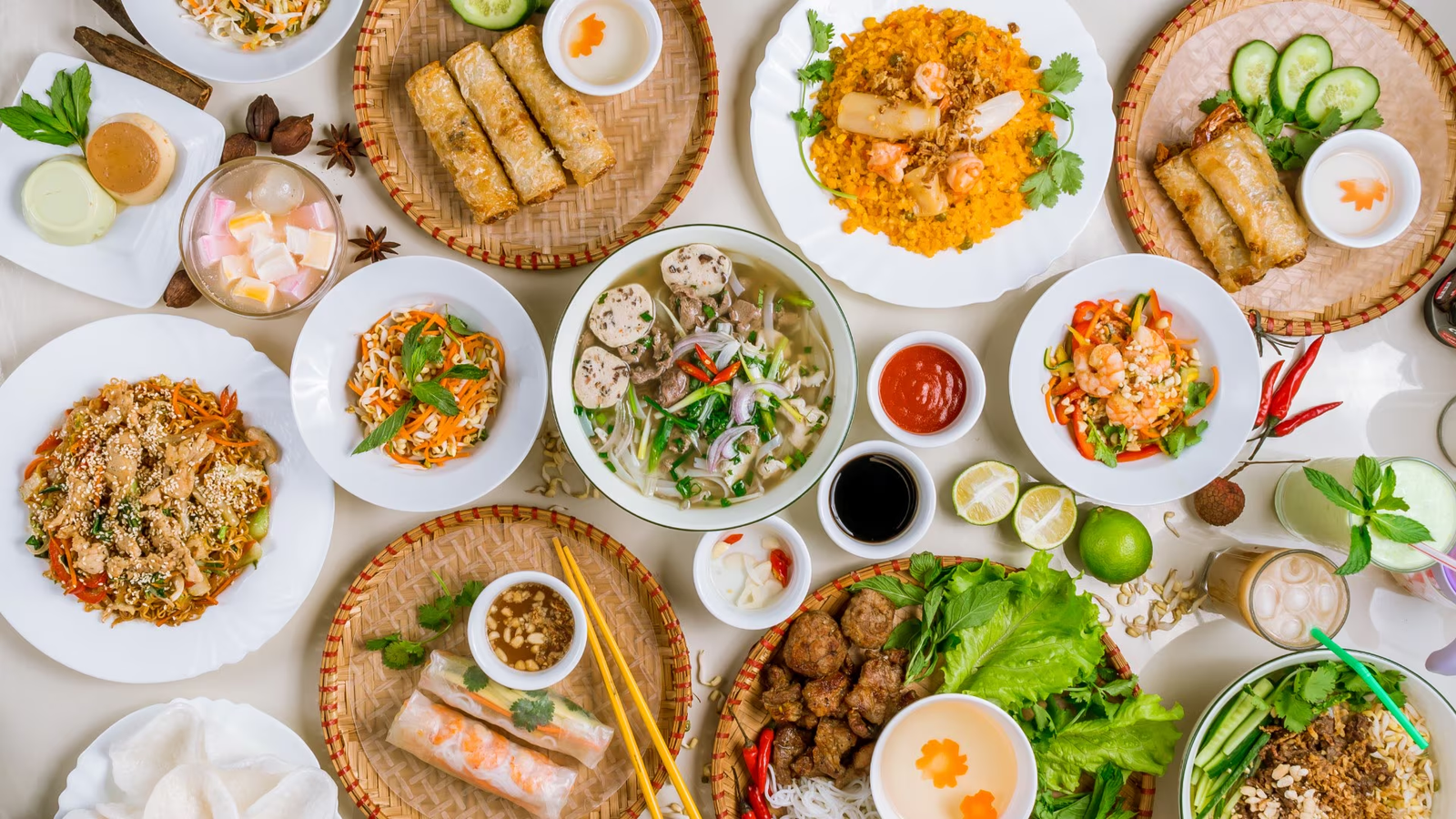
Vietnamese food is diverse and rich in flavor, but travelers should follow basic food safety guidelines:
- Avoid drinking tap water; use bottled water instead.
- Eat food that is fully cooked and served hot.
- Be cautious with raw foods unless their hygiene is guaranteed.
To experience authentic flavors, try local restaurants and street food stalls. Participating in cooking classes or visiting local markets can also help you better understand Vietnamese culinary culture.
9. Shopping and Buying Souvenirs in Vietnam
Vietnam is an excellent shopping destination, especially for traditional handicrafts and souvenirs. Local markets such as Dong Xuan Market (Hanoi), Ben Thanh Market (Ho Chi Minh City), and Hoi An Market offer a wide variety of goods.
You can find clothing, accessories, ceramics, lanterns, paintings, wooden crafts, and handmade products at reasonable prices.
Bargaining is common in traditional markets and is considered part of the local shopping culture. Always check prices and negotiate politely to reach a fair deal.
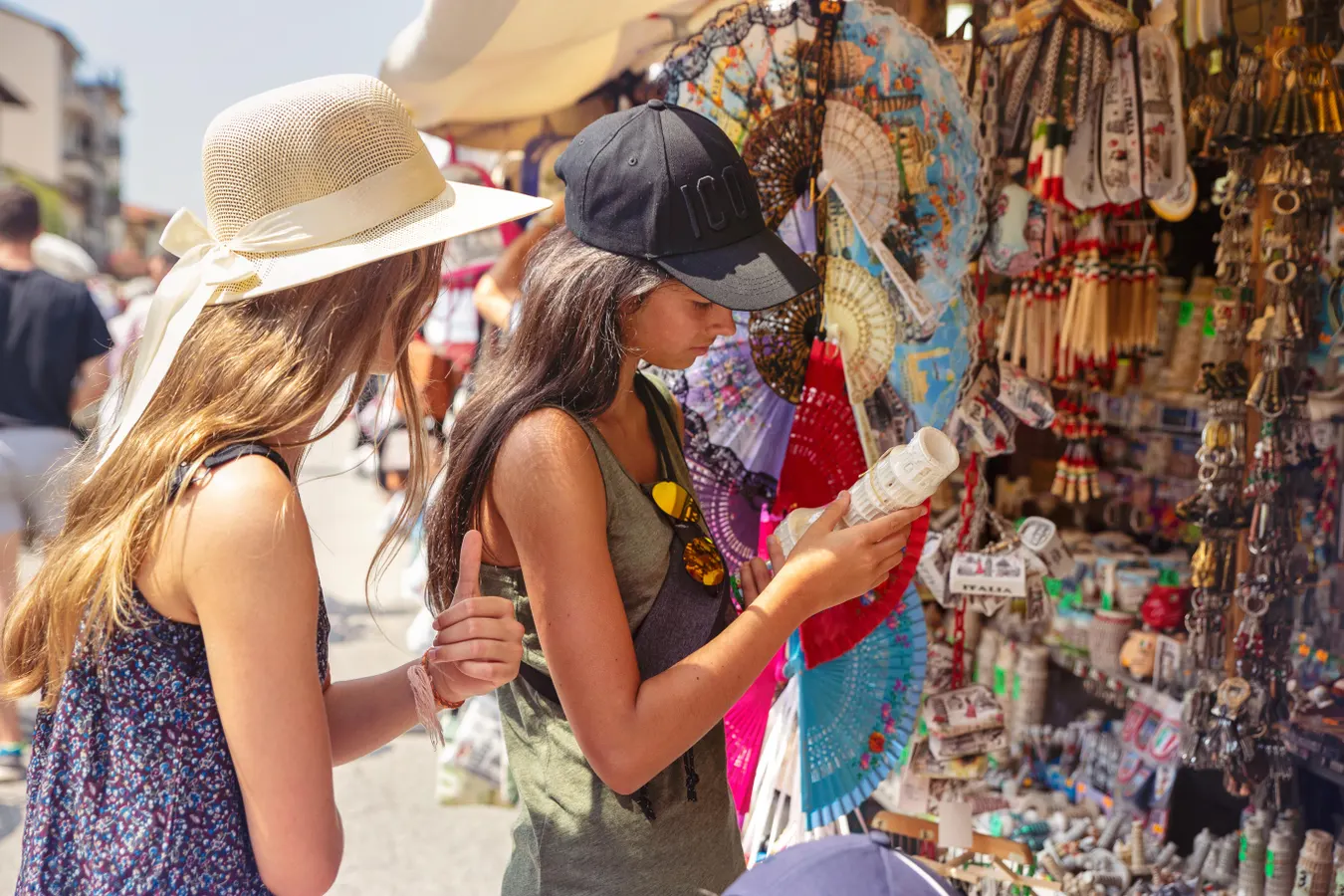
In addition, modern shopping malls such as Vincom, Lotte Mart, and AEON Mall offer international brands and fixed prices, though products are usually more expensive than those in local markets.
10. Language and Communication in Vietnam
Vietnamese is the official language of Vietnam, and most locals use it in daily communication. However, many people – especially in big cities and tourist areas – can communicate in basic English.
If you are not fluent in Vietnamese, using translation apps or carrying a small dictionary can be very helpful. Keep your sentences short and clear to improve understanding.
Learning a few basic Vietnamese phrases such as “xin chào” (hello), “cảm ơn” (thank you), “xin lỗi” (sorry), and “tạm biệt” (goodbye) creates a positive impression and helps build friendly connections with locals.
Conclusion
These are essential travel tips for foreign visitors traveling to Vietnam. With diverse cuisine, exciting shopping experiences, and friendly locals, Vietnam is a highly attractive destination for international travelers.
By understanding Vietnam’s weather, visa requirements, currency, safety, traffic, and culture, you can travel more confidently and enjoy a richer, more authentic experience.
We wish you an unforgettable journey filled with meaningful memories while exploring Vietnam’s beauty and cultural diversity.
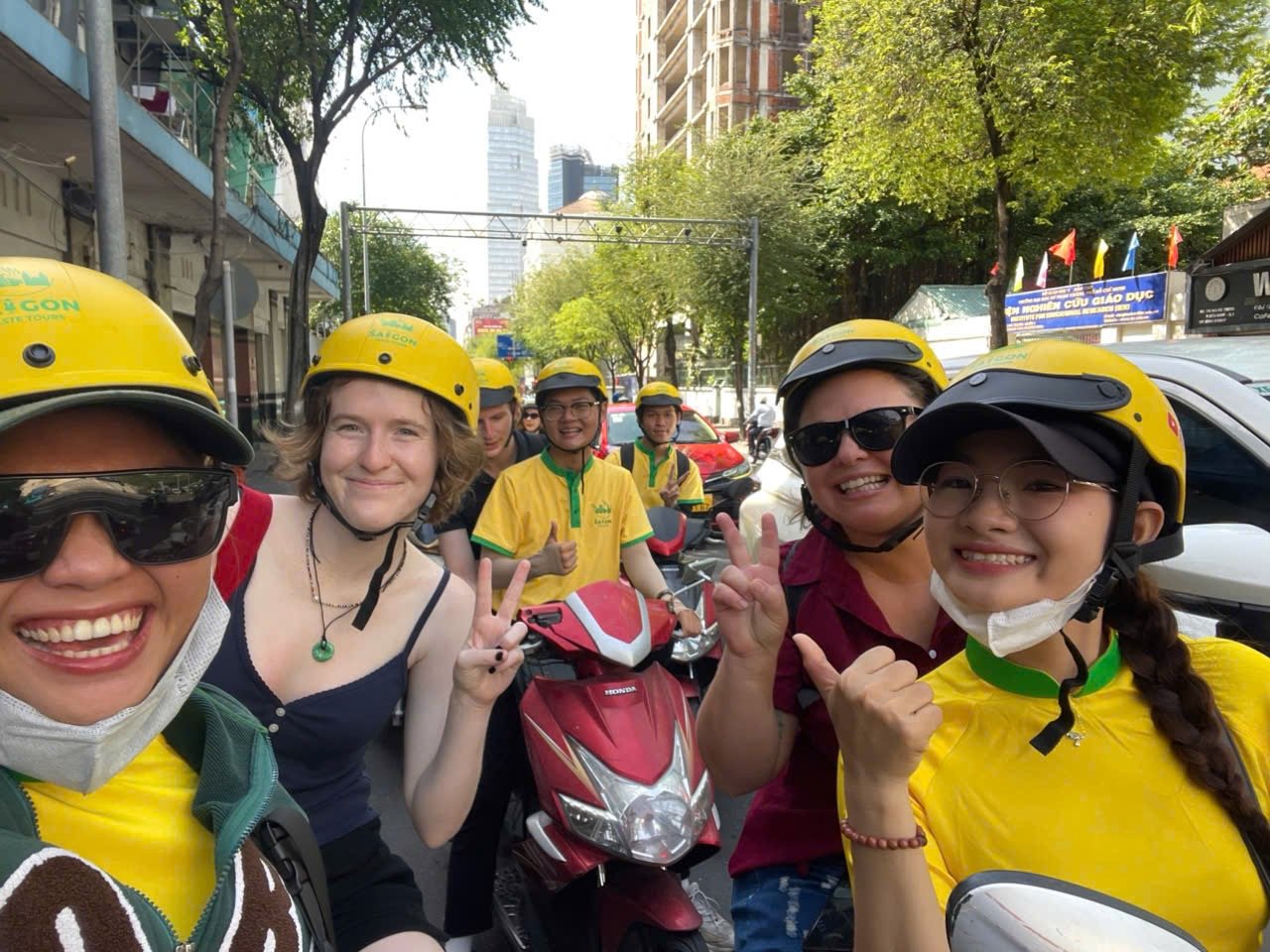
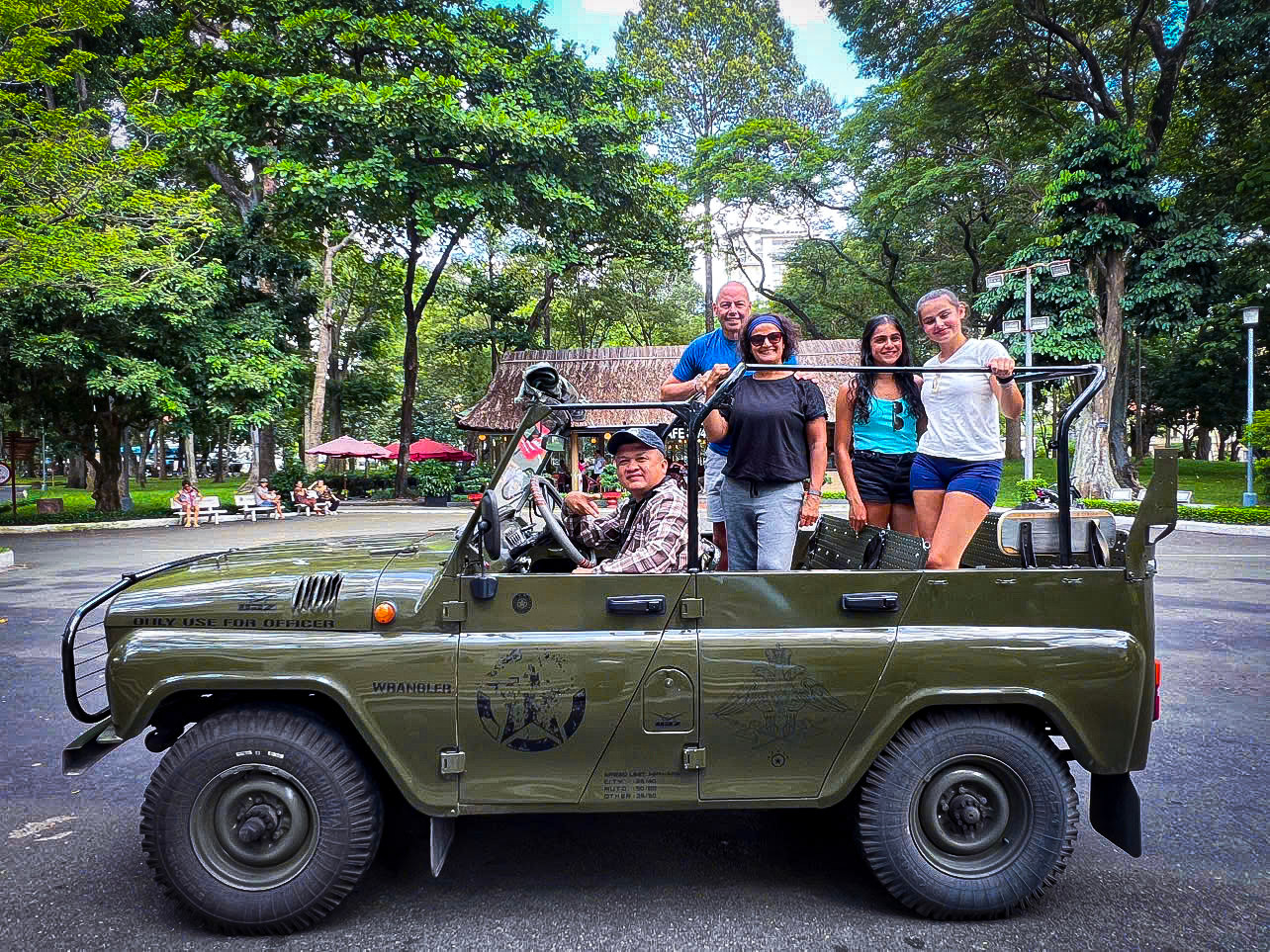
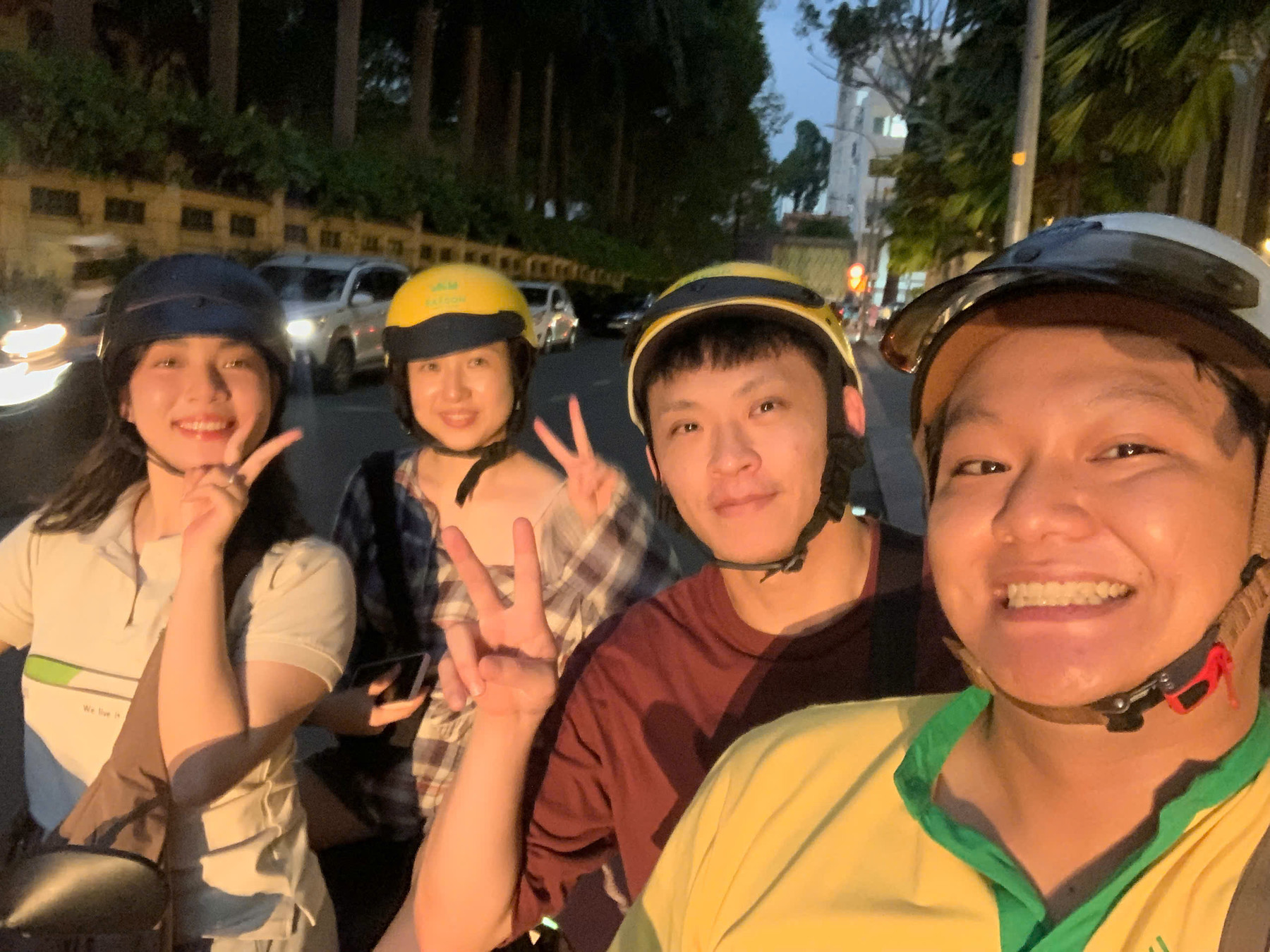
Explore Adventure Saigon: 4-Hour Tours with Saigon Taste Tours team
4 hours
$58.50 $65.00
4 hours
$33.25 $35.00

4 hours
$33.25 $35.00
4 hours
$33.25 $35.00
4 hours
$30.40 $32.00
4 hours
$46.55 $49.00

4 hours
$29.45 $31.00
Explore Cu Chi Tunnels
5 hours
$53.10 $59.00
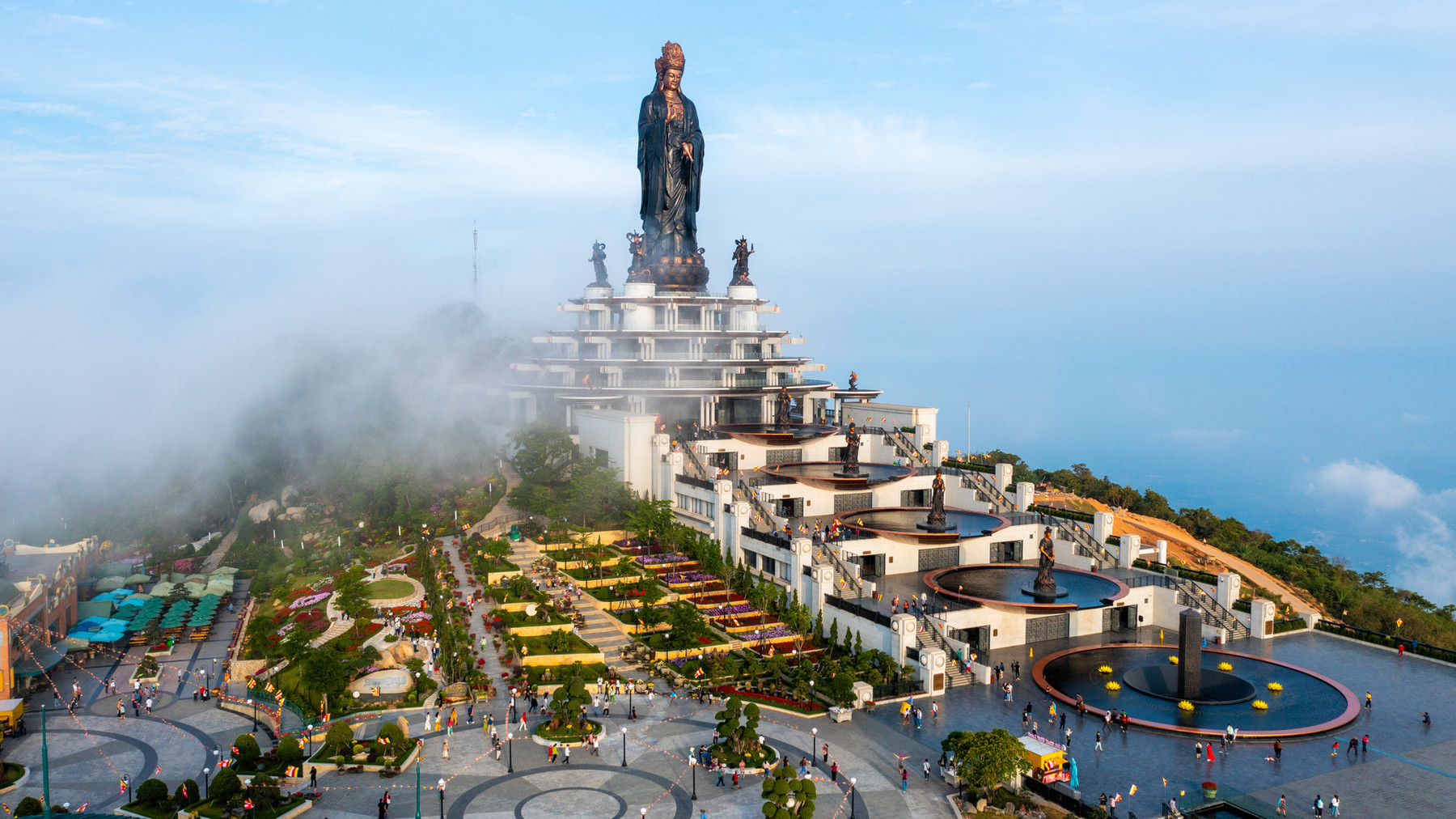
12 hours
$40.50 $45.00
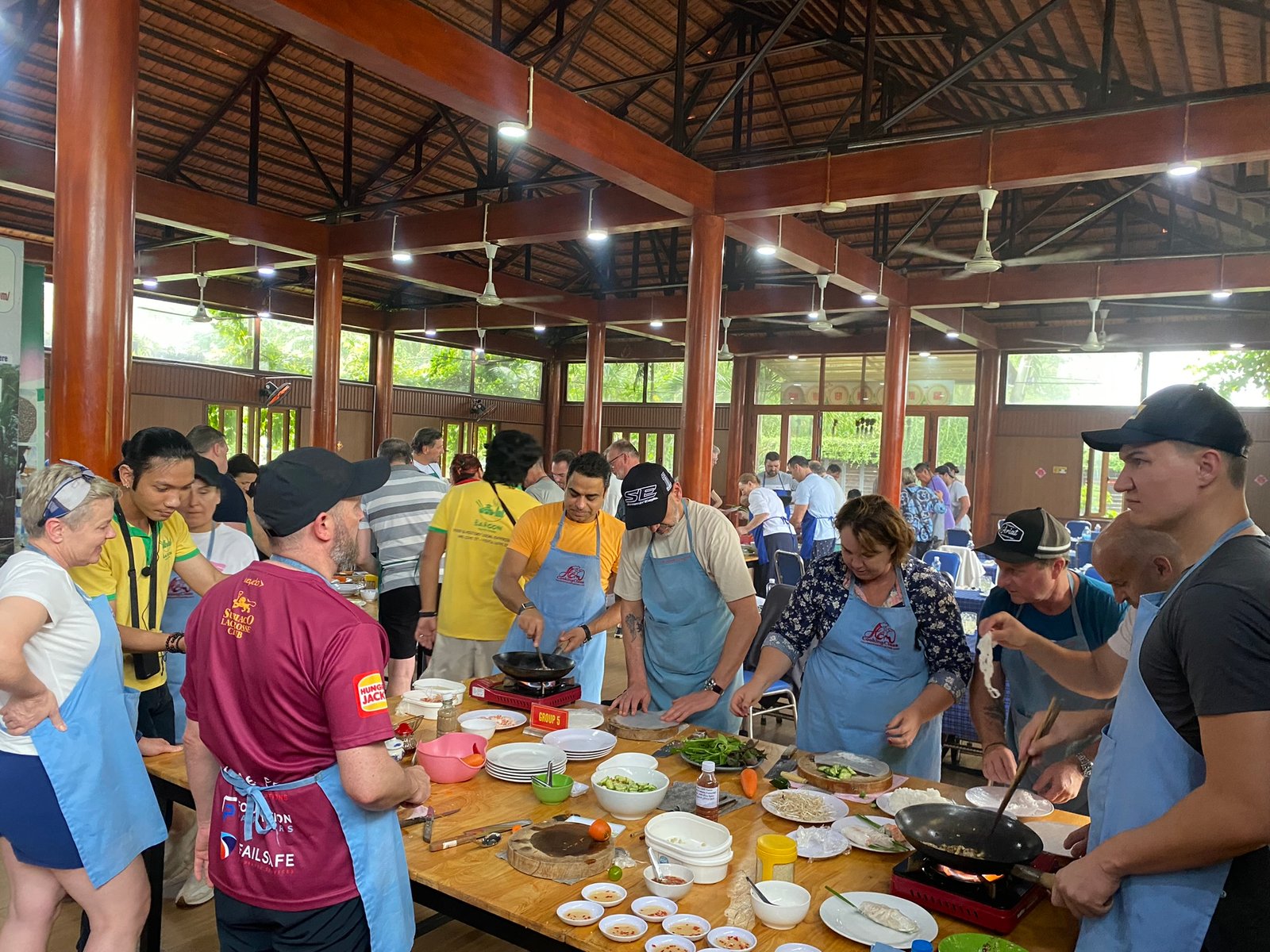
8 hours
$66.60 $74.00
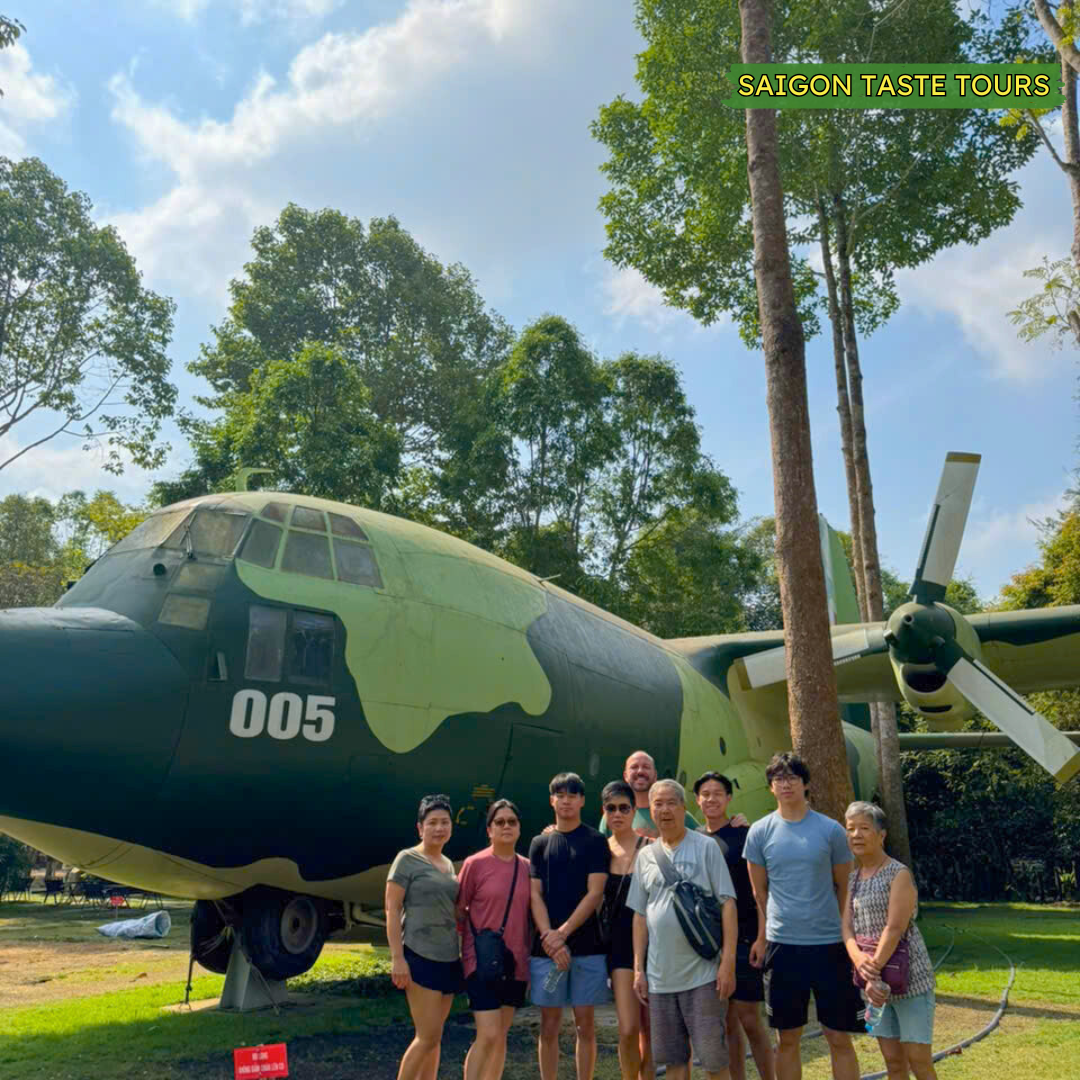
7.5 hours
$31.50 $35.00
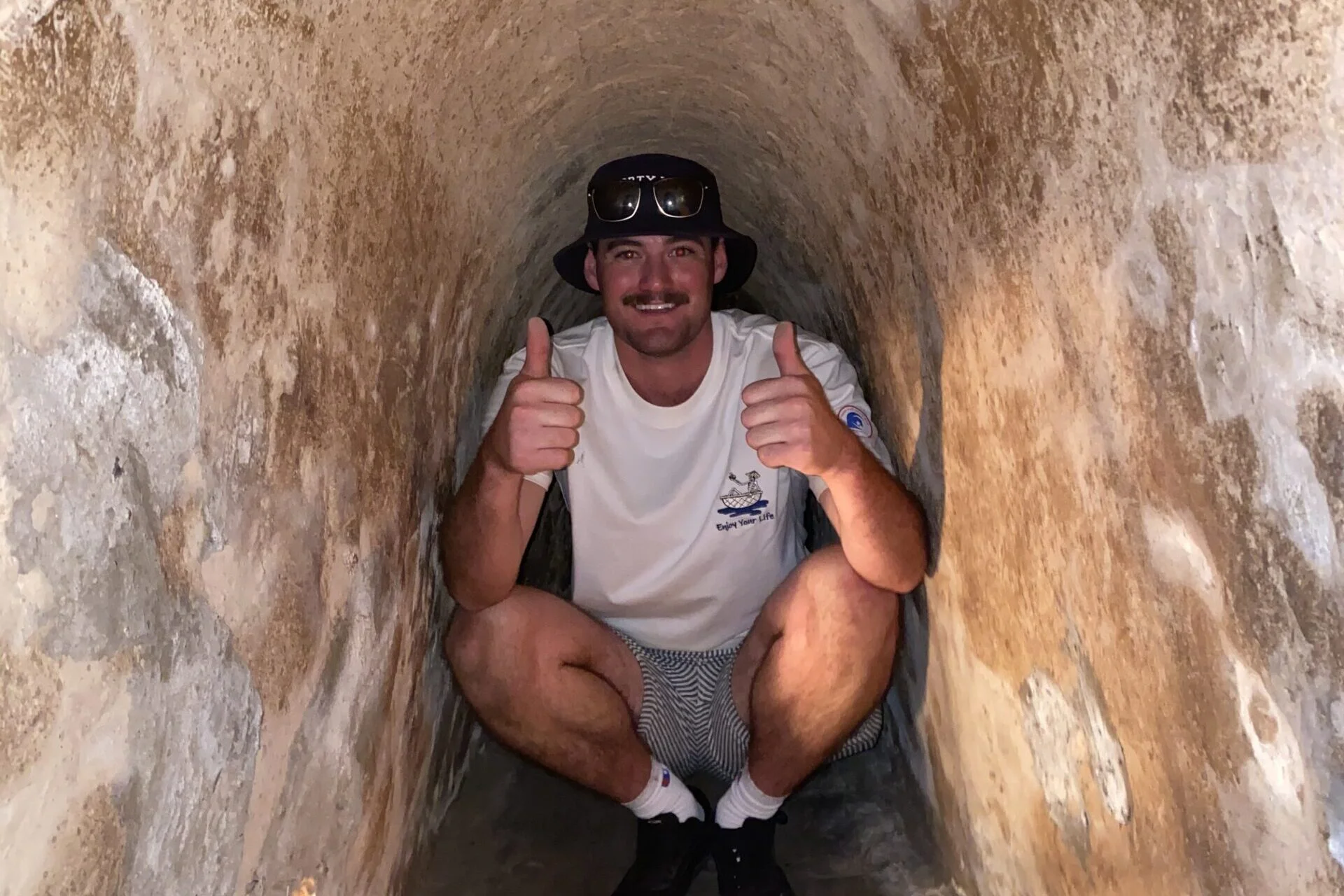
6.5 hours
$31.50 $35.00
Explore Mekong Delta Adventures
5 hours
$53.10 $59.00
9 hours
$53.10 $59.00
9 hours
$58.50 $65.00
10 hours
$62.10 $69.00
48 hours
$532.80 $592.00
8 hours
$40.50 $45.00
Explore Ho Chi Minh Combos, Day Trips

9 hours
$60.30 $67.00

9 hours
$60.30 $67.00
12 hours
$40.50 $45.00
8 hours
$66.60 $74.00
10 hours
$62.10 $69.00
4 hours
$58.50 $65.00


Saigon Taste Tours team
Welcome to SAIGON TASTE Tours!We’re a team of passionate local guides dedicated to sharing the real Saigon and Vietnam through food, culture, and hidden gems. From bustling street food stalls and historic landmarks to outdoor adventures and peaceful nature escapes, our tours are designed to be authentic and unforgettable. Every experience is private and tailored to you, guided by knowledgeable locals who go above and beyond to make you feel like you’re exploring with a friend. With us, you won’t just visit Vietnam — you’ll truly experience it.We can’t wait to welcome you! Best regards, Ben and the SAIGON TASTE Tours
saigontastetours@gmail.com Click to Connect with Us
Leave a Reply