
FEATURED TOUR-5%
4 hours
$59.85 $63.00
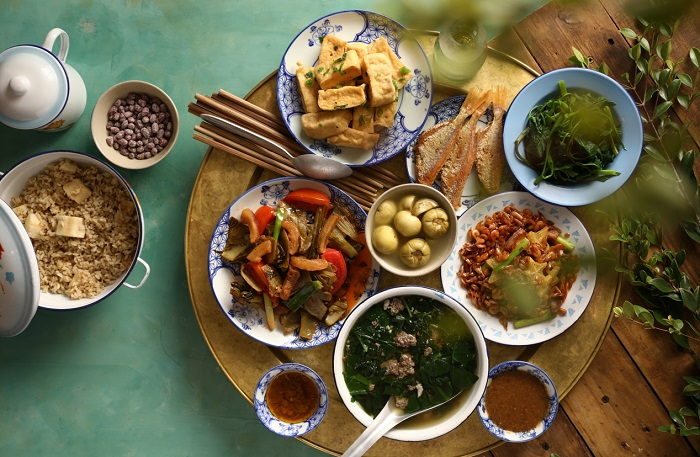
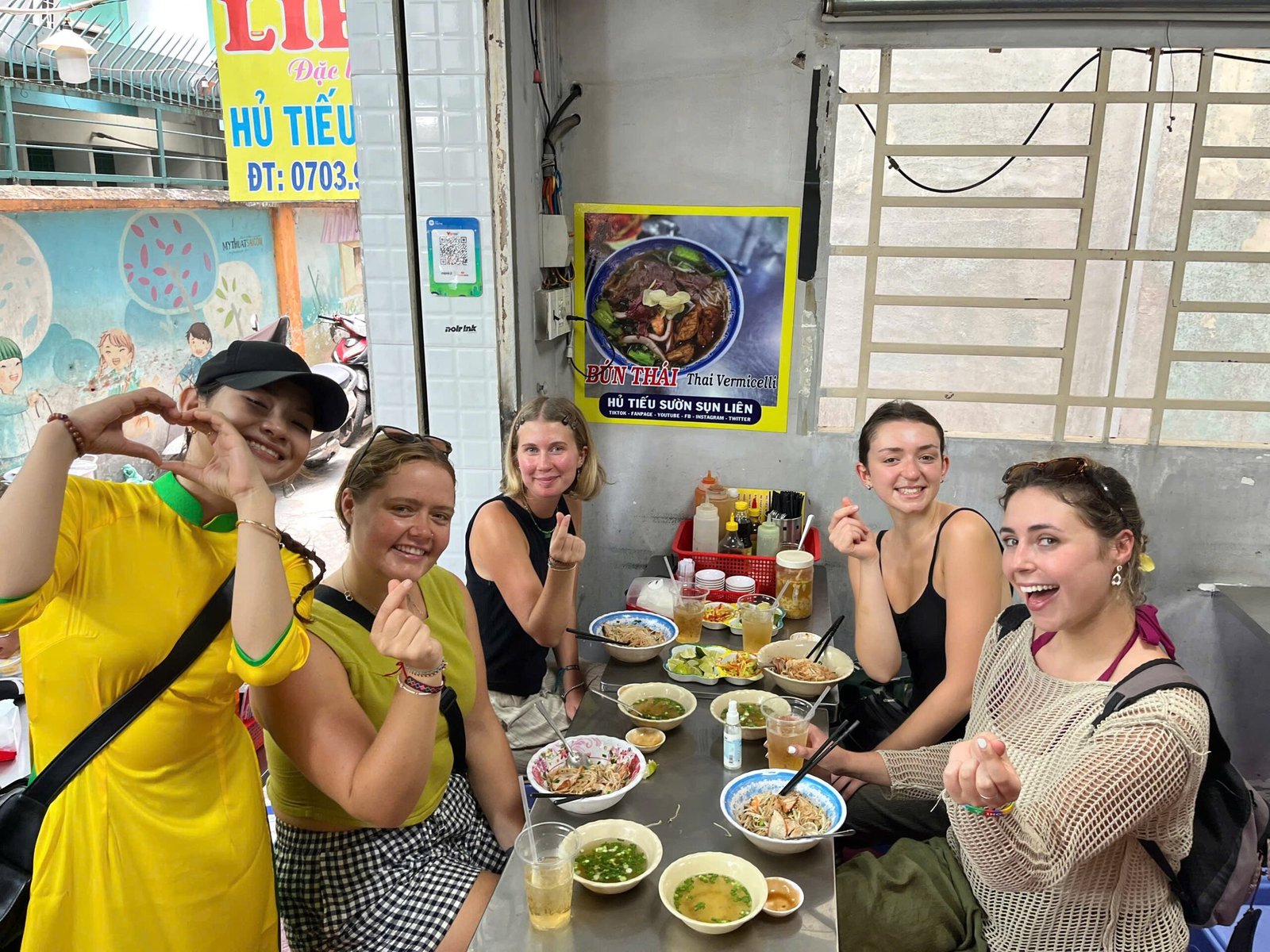
Dining rules in Vietnamese culture reflect respect, politeness, and strong family bonds. These rules are not only about how people eat, but also about how they communicate and behave at the table. Vietnamese people follow many customs and principles to keep meals warm, friendly, and comfortable.
These dining rules carry tradition, moral values, and humanity in Vietnamese culture. Meals are not only for eating but also a chance for family members to connect and to teach younger generations about respect and polite behavior in society.
At a Vietnamese meal, table manners show respect, politeness, and the protection of traditional values. These rules help keep order at the table and also teach personal character and family relationships.
Respect for elders: At the table, younger people should let older people pick up their bowls and start eating first. Guests should also wait for the host to invite them to eat, showing respect and politeness.
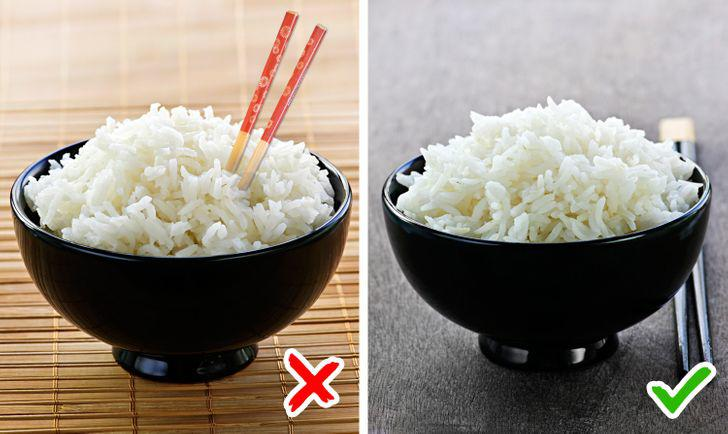
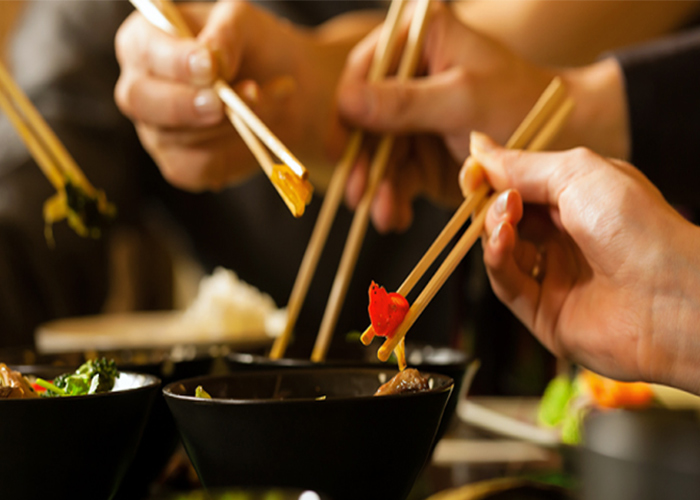
Using chopsticks properly: When taking food for others, people should turn their chopsticks around or use serving chopsticks. Biting, sucking on chopsticks, taking food again and again from one dish, or placing chopsticks across each other are avoided, as these actions are considered unlucky in Vietnamese culture.
Polite eating behavior: During meals, people eat calmly and avoid making loud noises. Bowls should be held gently, and food should not be dropped. These rules help keep the shared space clean and comfortable for everyone.
Proper dipping manners: When dipping food, people should not put chopsticks that have already been bitten into the dipping sauce. Especially food that has been bitten should not be dipped again to keep good hygiene.
Saving food for people who arrive late: If someone comes late, the family will prepare a separate portion for them instead of leaving leftover food on shared plates. This shows care and respect.
Keeping shared cleanliness: If someone finds bones or seeds in food, they should remove them gently instead of spitting them out on the table. Burping or dropping food is considered impolite.
These rules help make Vietnamese meals warmer and closer, connecting generations and keeping traditional values alive through everyday meals.
In Vietnamese culture, table manners are an important sign of respect toward family and community. These behaviors show grace, discipline, and good upbringing.
Do not eat before elders: At meals, especially in traditional families or on special occasions, people wait for the eldest person to start eating first as a sign of respect.
Avoid talking while eating: Vietnamese people avoid speaking loudly or talking with a full mouth. Conversations are kept gentle so others are not disturbed.
Do not make noise while eating: People chew slowly and quietly. Loud slurping or chewing noises are seen as impolite.
Sharing food with others: Eating together and sharing dishes is a beautiful part of Vietnamese culture. People may take food for each other, especially offering good food to elders or important guests.
Keeping hygiene at the table: Personal items, especially mobile phones, are kept away from the table. Hands should be clean, and personal chopsticks should not touch shared dishes.
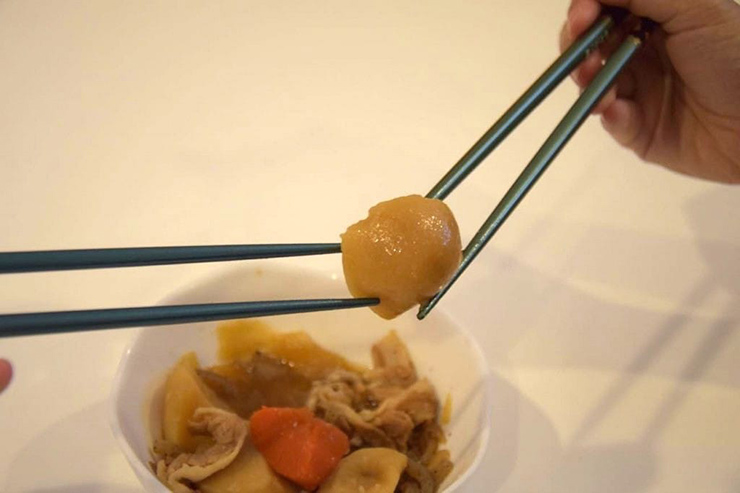
Respecting others’ tastes: Even if someone does not like a dish, they should not complain about it. This shows respect for the person who cooked, especially when being a guest.
Ending the meal politely: After finishing, chopsticks are placed gently on the bowl or plate, with the tips facing left. Thanking the person who cooked is an important polite act that shows gratitude and respect.
These manners help maintain cultural values and strengthen family and community bonds through warm and shared meals.
Sharing food is a beautiful part of Vietnamese dining culture, showing care and hospitality. These rules help everyone enjoy the meal in harmony and mutual respect.
Saving food for others: When eating together, people should leave food for those who have not eaten yet, especially elders or people who arrive late.
Do not use used chopsticks to share food: When giving food to others, clean chopsticks or serving spoons should be used to keep good hygiene.
Do not focus on only one dish: People should not eat only their favorite dish but share all dishes fairly, showing generosity and respect for others’ tastes.
Wait for elders to begin: According to tradition, people wait for elders to lift their bowls before starting to eat.
Avoid food waste: People should take only what they can eat and avoid leaving food in their bowls, showing respect for the effort put into cooking.
Do not criticize food: Even if a dish does not suit someone’s taste, they should not criticize it, especially in someone else’s home.
Helping children and the elderly: During family meals, people help children or elderly family members reach food that is far away. This care shows love and closeness in the family.
These rules reflect core cultural values in Vietnamese families and help create warm, united family meals.
Drinking alcohol and social interaction at banquets are important parts of Vietnamese culture. These rules show respect, humility, and social position.
Preparing for elders: Younger people often prepare bowls, chopsticks, and glasses for elders or people with higher status as a sign of respect.
Raising glasses: Vietnamese people usually use both hands to raise a glass. When clinking glasses, younger or lower-ranking people keep their glasses lower than elders or superiors, especially with bosses or business partners.
Pouring drinks properly: Younger people often pour drinks for elders. Glasses should not be filled too full, and drinks should be poured carefully and evenly.
Communication while drinking: The saying “kind words are more important than the feast” shows the value of polite communication. Toasts often include wishes for health, success, and harmony. Friendly topics help create a warm atmosphere.
Avoid talking about work too soon: When dining with partners, work topics should not be mentioned too early unless the other person brings them up. This shows respect for relaxation and relationship building.
Politely refusing alcohol: If someone cannot drink, they should refuse politely, ask someone else to drink for them, or explain gently.
Knowing these rules helps maintain good social and work relationships and shows politeness in all situations.
In Vietnamese culture, the dining table is a place that requires respectful and polite behavior.
Avoid shaking legs or making loud noises: Shaking legs, chewing loudly, slurping, or hitting bowls with chopsticks or spoons are considered impolite.
Do not pick food too carefully: Turning food over to find the best piece or mixing food on shared plates should be avoided.
Do not use personal utensils in shared dishes: To keep hygiene and comfort, people change the end of their chopsticks or use serving chopsticks.
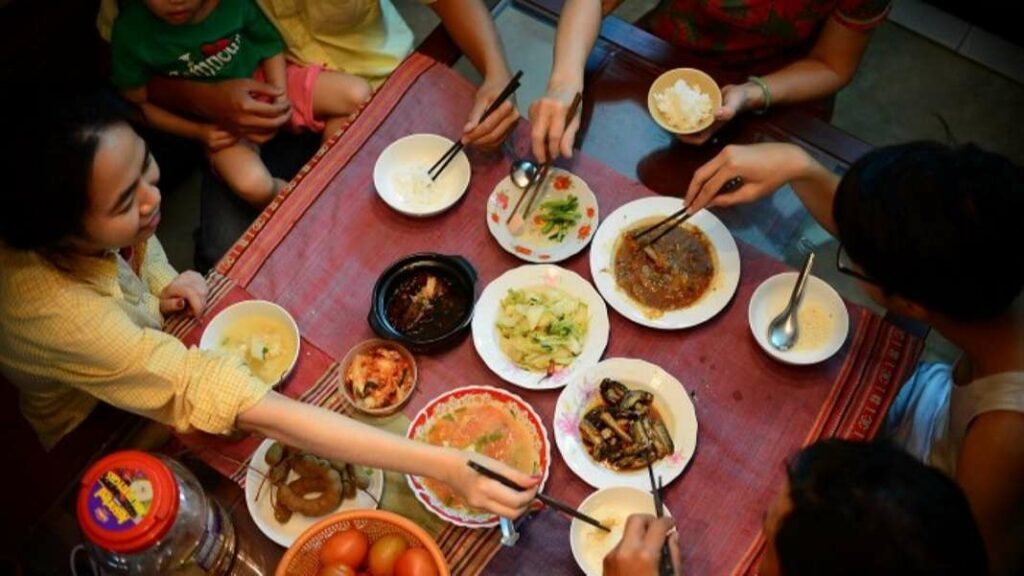
Finish the food in your bowl: Eating all the food in your bowl shows respect for the cook and avoids waste.
Keep a friendly atmosphere: Negative topics or arguments should be avoided at the table. Light and positive conversations help keep meals happy and warm.
Vietnamese dining etiquette is not about rigid rules, but rather the embodiment of moral values, tradition, and community spirit. Through everyday meals, respect, sharing, and connection are naturally cultivated.
Even as modern society evolves, these customs continue to hold meaning, helping preserve cultural identity and defining the unique beauty of Vietnamese daily life.
4 hours
$59.85 $63.00
4 hours
$55.25 $65.00
4 hours
$33.25 $35.00
4 hours
$33.25 $35.00
4 hours
$33.25 $35.00
4 hours
$30.40 $32.00
4 hours
$46.55 $49.00
4 hours
$29.45 $31.00
12 hours
$40.50 $45.00

7.5 hours
$29.75 $35.00
10 hours
$58.65 $69.00
6.5 hours
$29.75 $35.00
9 hours
$50.15 $59.00

9 hours
$55.25 $65.00
10 hours
$58.65 $69.00
48 hours
$503.20 $592.00

8 hours
$38.25 $45.00

9 hours
$60.30 $67.00

9 hours
$60.30 $67.00
12 hours
$40.50 $45.00
8 hours
$66.60 $74.00
10 hours
$58.65 $69.00
4 hours
$55.25 $65.00

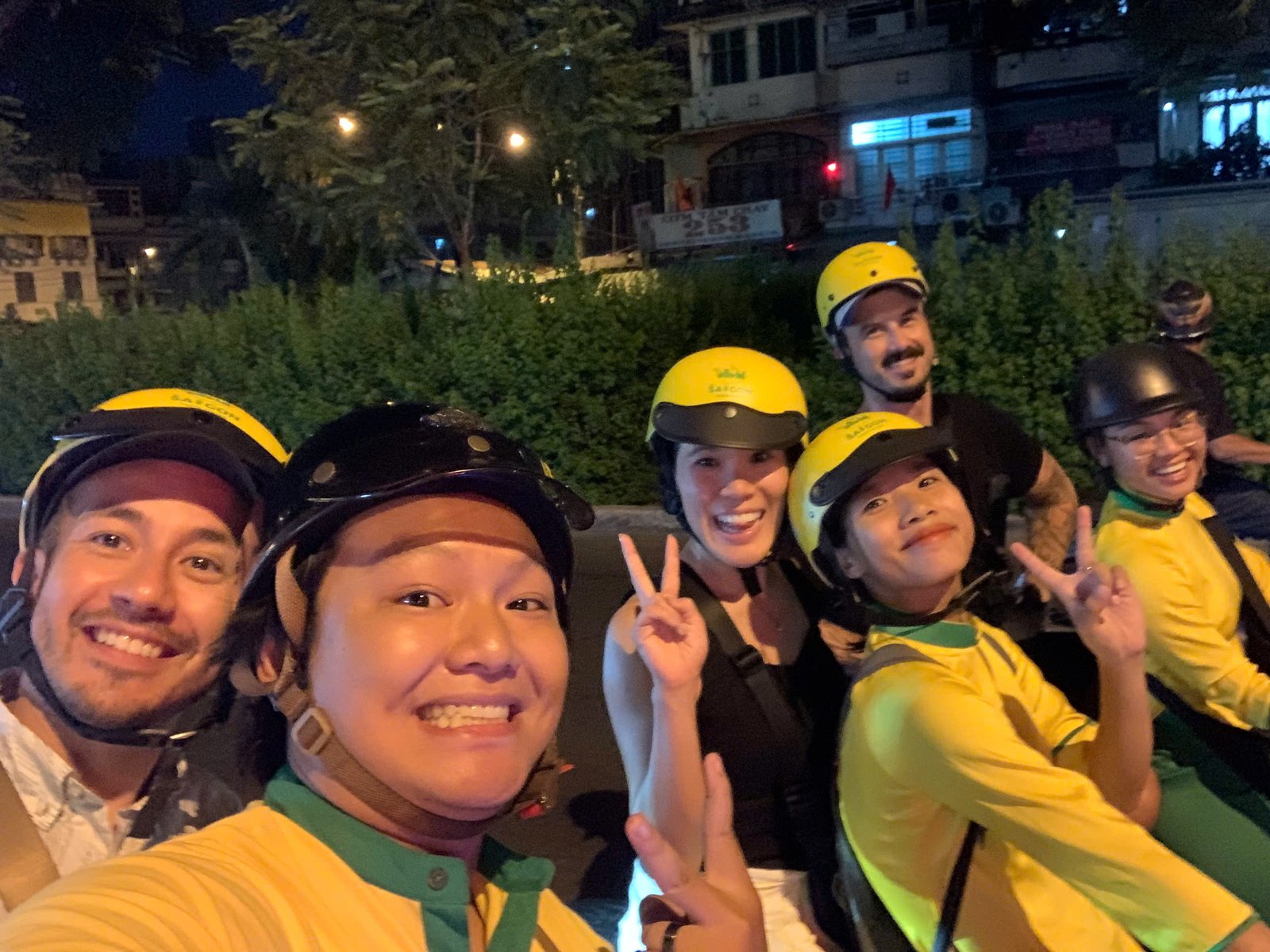
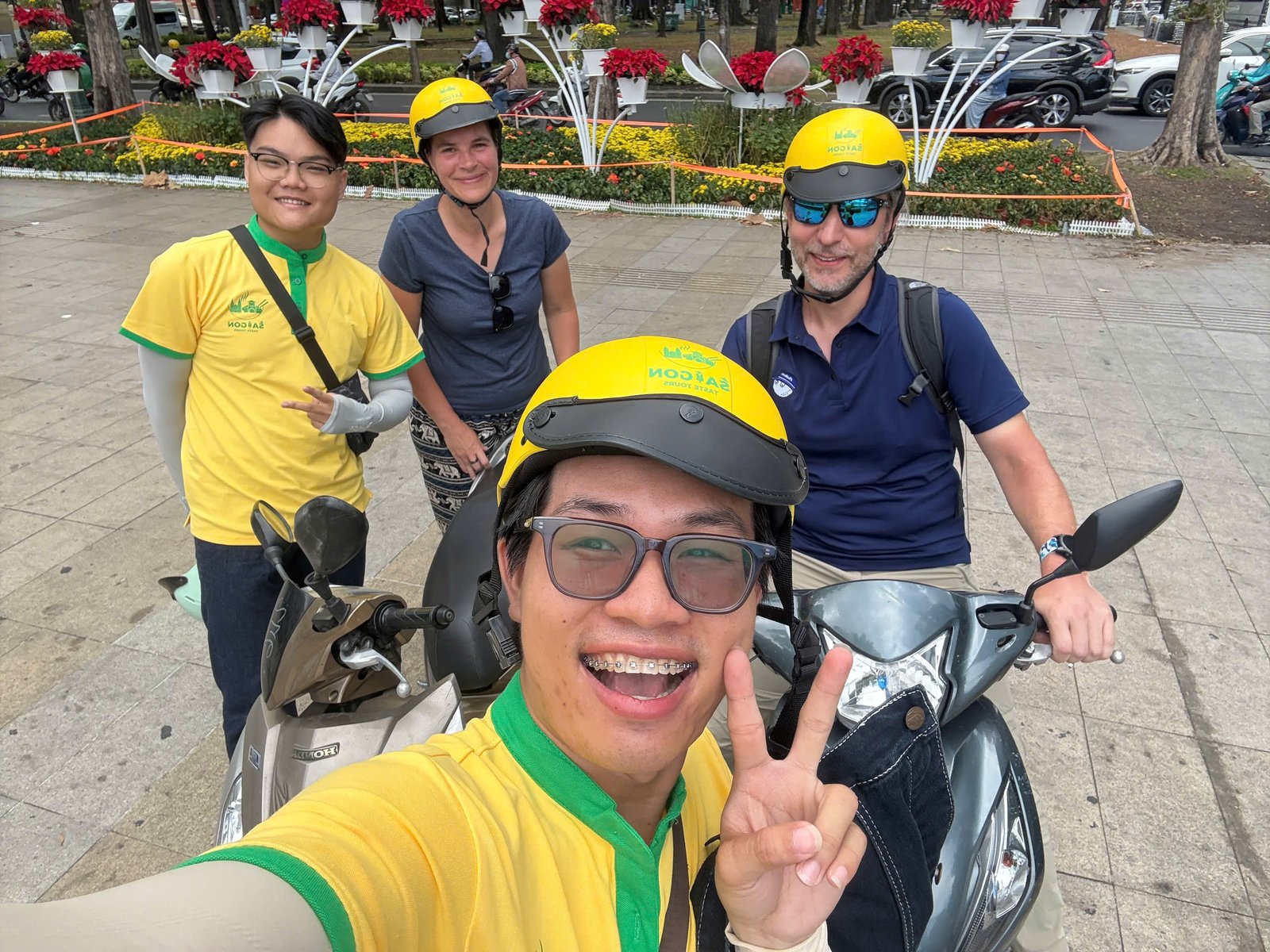
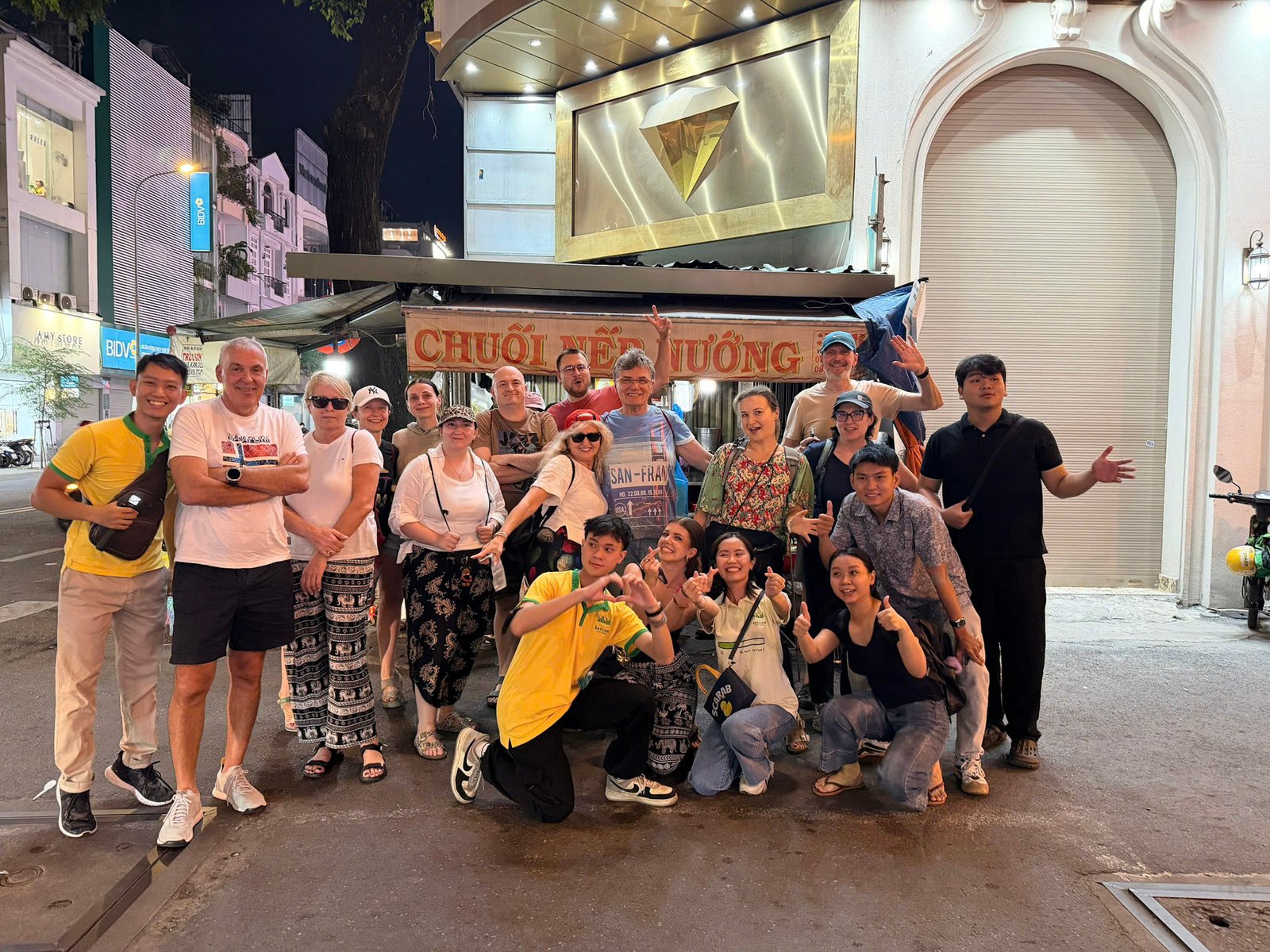
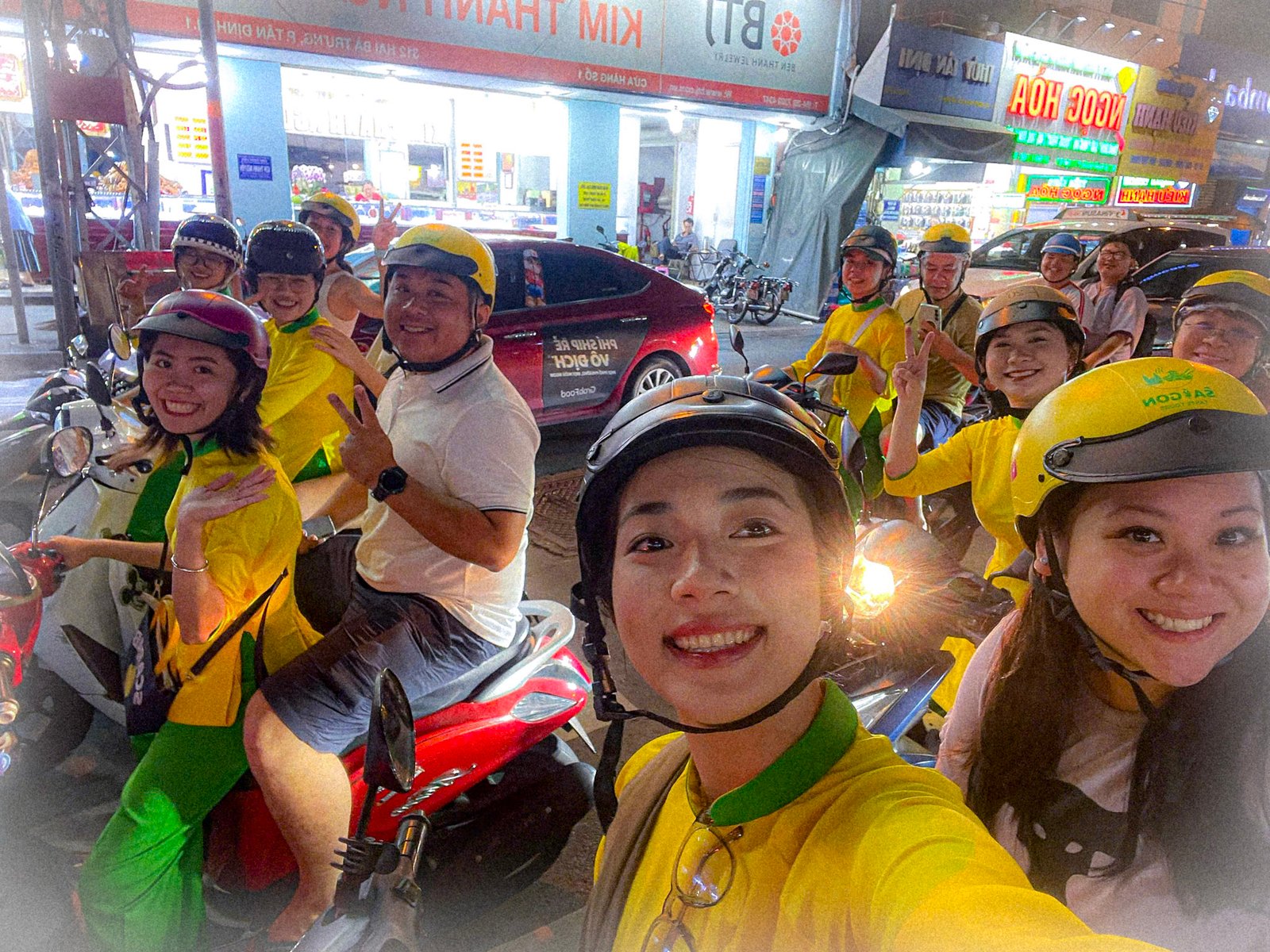
Welcome to SAIGON TASTE Tours! We’re a team of passionate local guides dedicated to sharing the real Saigon and Vietnam through food, culture, and hidden gems. From bustling street food stalls and historic landmarks to outdoor adventures and peaceful nature escapes, our tours are designed to be authentic and unforgettable. Every experience is private and tailored to you, guided by knowledgeable locals who go above and beyond to make you feel like you’re exploring with a friend. With us, you won’t just visit Vietnam — you’ll truly experience it. We can’t wait to welcome you! Best regards, Ben and the SAIGON TASTE Tours
saigontastetours@gmail.com Click to Connect with Us
Leave a Reply