
DECODING THE SYSTEM BEHIND THE STREET AND ROAD NAMES IN HANOI
Most streets in Hanoi are named according to a certain order. If one pays close attention, it becomes clear that behind this naming system lie long and layered lessons in culture and history.
For a long time, when people thought of Hanoi’s streets, the phrase “36 streets of Hanoi” immediately came to mind. However, today, as the capital continues to expand, new roads with new names appear every year. Naming streets in this ancient imperial city has never been an easy task. Few people realize that behind these familiar names is a sophisticated system—one that has caused historians and urban planners considerable difficulty over the years.
The Historical Stories Hidden Along the Roads
In Hanoi, most streets are named after historical figures who made significant contributions to the construction and development of the nation. This is a distinctive feature, as in many parts of the world—especially in Europe—streets are often numbered or named after families or clans.
At first glance, one might think that Hanoi’s street names are arranged randomly. In reality, however, they often follow a “cluster-based” rule, in which each group of streets corresponds to a specific dynasty or historical period. Another important rule is that major roads are usually named after figures of great national importance, while smaller streets bear the names of officials or generals who served with distinction during the same era. This reflects the way Vietnamese people perceive historical figures—often referred to as “nhân thần” (human deities)—and their symbolic connection to the land.
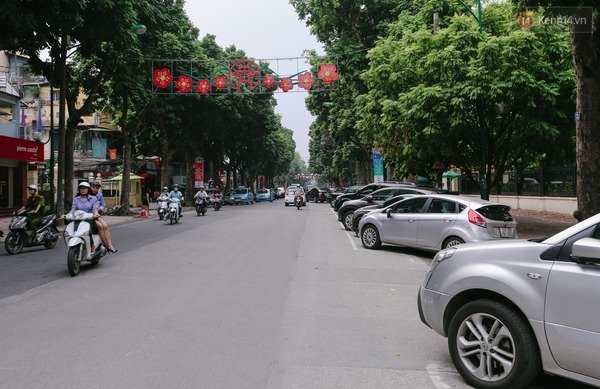
For example, Tran Hung Dao Street is located near Yet Kieu and Da Tuong streets, all associated with heroic generals of the Tran Dynasty.
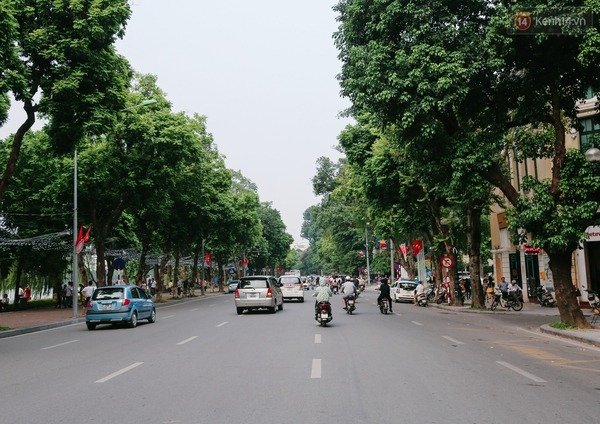
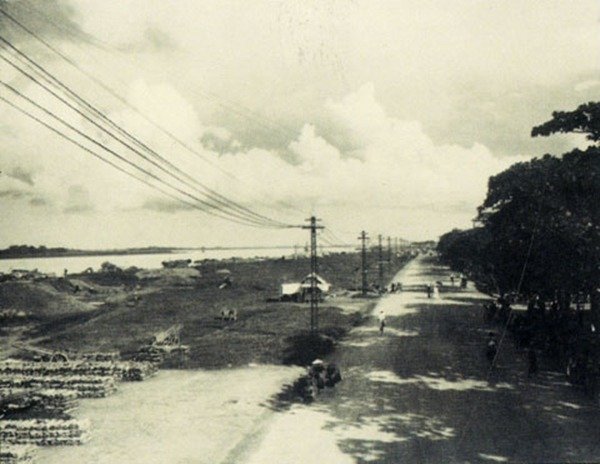
In the early 20th century, Tran Nhat Duat Street was known as Quai Clémenceau. Later, it was renamed Tran Nhat Duat as it is today. This road connects directly to Tran Quang Khai and Nguyen Khoai streets, reflecting a deliberate and thoughtful arrangement.
Street Names in Hoan Kiem District: The Birth of the Nation
Streets in Hoan Kiem District, the historical heart of Hanoi, are often named after figures from the earliest periods of nation-building. Major streets such as Ngo Quyen, Dinh Tien Hoang, and Ly Thai To are all located near the historic Hoan Kiem Lake. Scattered nearby are smaller streets like Dinh Liet and Dinh Le, which also honor figures from the same era.
Similarly, streets that evoke the “Dong A spirit” of the Tran Dynasty—symbolizing patriotism and resistance—are grouped together. Tran Hung Dao and Tran Nhan Tong streets lie close to Yet Kieu, Da Tuong, and Do Hanh, all named after loyal generals of that period.
Revolutionary Figures in Newer Districts
Moving toward Cau Giay District, street names shift to figures associated with Vietnam’s resistance against French colonial rule and later the American War. Near Xuan Thuy – Cau Giay Road is Tran Dang Ninh Street. Xuan Thuy Street, named after a former Minister of Foreign Affairs who played a key role in the Paris Peace Accords, lies next to Pham Van Dong Street, named after a former Prime Minister and Foreign Minister who participated in the Geneva negotiations.
Other nearby streets such as Pham Hung, Ho Tung Mau, and Le Duc Tho are also named after prominent political leaders in Vietnam’s revolutionary history.
Streets Named After Artists and Intellectuals
Not all streets in Hanoi are named after political leaders. Many honor artists, writers, and intellectuals who made great contributions to Vietnamese culture. These streets are mainly found around the poetic West Lake area, including Dang Thai Mai, To Ngoc Van, and, more recently, Trinh Cong Son Street.
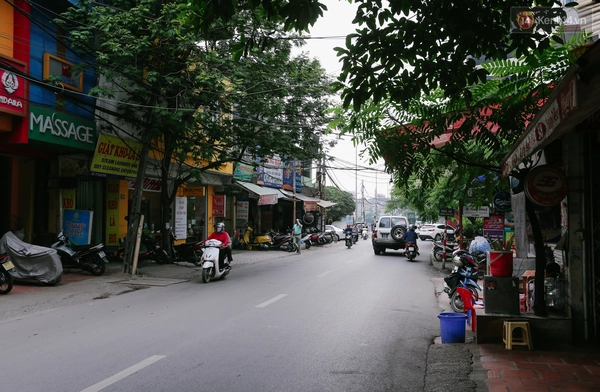
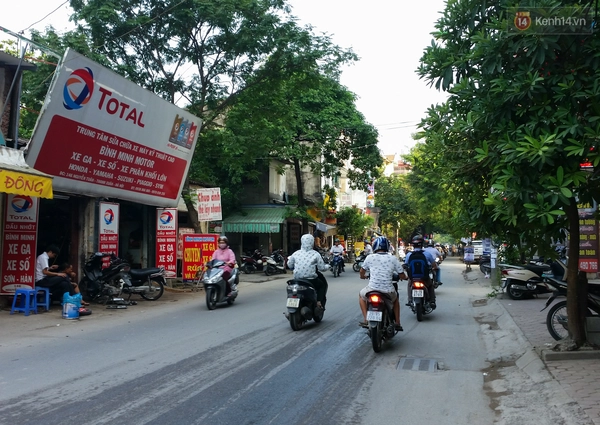
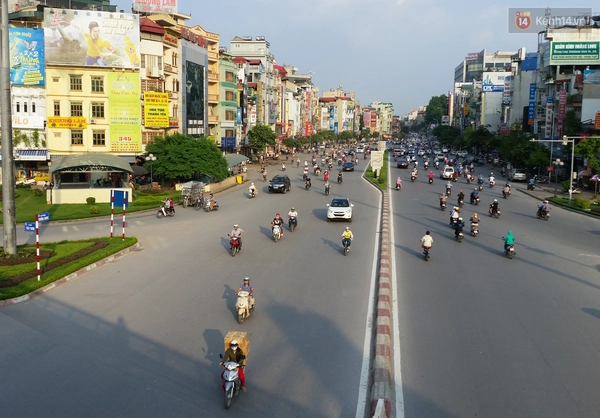
The tree-lined scenery along Xuan Dieu Street reflects the artistic atmosphere of this area.
Themed Naming by Profession and Education
Another interesting pattern can be found around Hanoi Medical University, where streets are named after famous doctors such as Pham Ngoc Thach and Ton That Tung.
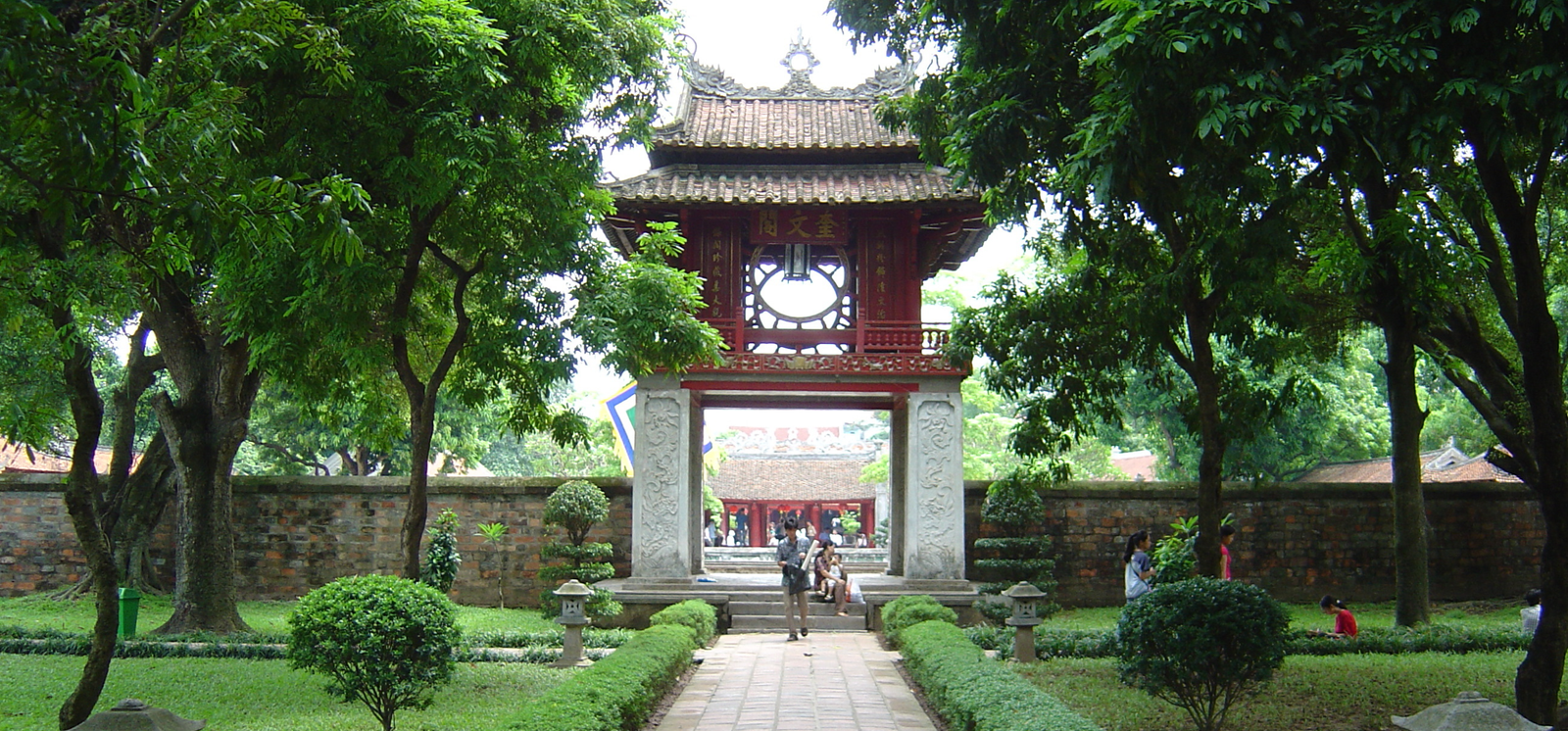
At first glance, Nguyen Khuyen Street may seem oddly placed next to Le Duan Street. However, Nguyen Khuyen was a renowned medieval poet, and this street leads toward the Temple of Literature. Nearby streets are named after famous scholars such as Cao Ba Quat, Ngo Tat To, and Ngo Si Lien, creating an educational and scholarly cluster.
Connections, Legends, and Exceptions
This connected naming system offers fascinating insights. For those interested in history, simply reading street names can feel like attending a long history lesson about national heroes and ancient legends. A well-known example is Lac Long Quan Street, which lies very close to Au Co Street, reflecting the legendary ancestors of the Vietnamese people.
However, this system is not without exceptions. Ideally, Tran Quang Dieu Street would be near Bui Thi Xuan Street, Le Hong Phong near Nguyen Thi Minh Khai, or Nguyen Trai near Le Loi, but in reality, these streets are located far apart.
“Using National Figures to Name Streets Is a Vietnamese Distinction”
To better understand Hanoi’s street-naming practices, historians interviewed Professor Pham Xanh, former lecturer at the Faculty of History, University of Social Sciences and Humanities, Hanoi National University.
According to Professor Xanh, naming streets after national figures is a distinctive Vietnamese practice. In many European countries, streets are numbered, which is convenient for urban planning and expansion—higher numbers usually indicate newer streets. However, such systems are often monotonous and lack cultural or historical value.
“The most valuable names to preserve are those beginning with ‘Hang’ (associated with traditional craft streets) or names like ‘Hoa’ and ‘Khuong’ (meaning gates, linked to ancient village culture). These streets have long histories and strong ties to local communities and should not be changed,” Professor Xanh added.
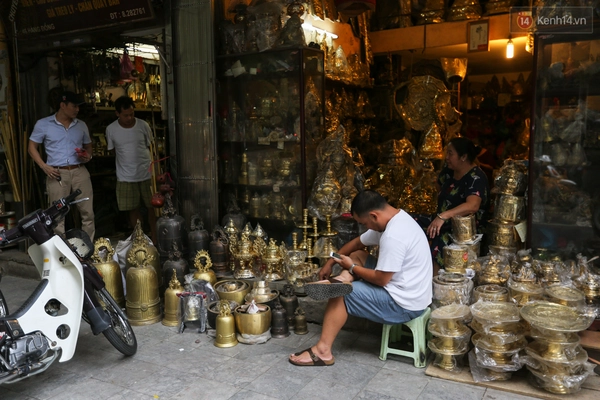
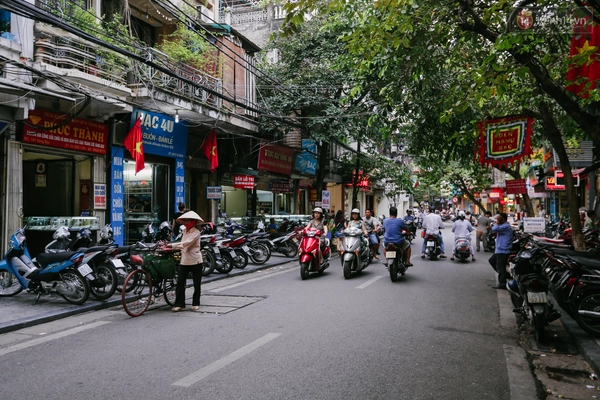
During the French colonial period, many Vietnamese street names were translated into French or replaced with the names of French figures. For example, Hang Dong Street was once called Rue des Tasses, and Hang Bac Street was known as Rue des Changeurs. Today, these streets have returned to their original Vietnamese names.
Professor Pham Xanh stated:
“Some people suggest limiting the use of historical figures’ names for streets, but personally, I strongly support it. However, Hanoi is the heart of the country, so only figures of national significance should be honored in this way.”
Preservation Over Perfection
Professor Xanh emphasized that cluster-based naming rules are only relative. There are more exceptions than perfect examples. After 1945, streets were generally named in thematic groups—for example, the West Lake area being suitable for poets and writers—but this approach is limited by the finite number of historical figures and the constant expansion of the city.
He also stressed that changing street names should be avoided whenever possible.
“Unless a street name is clearly incorrect, there is no need to change it simply to fit a theoretical rule. As long as these figures remain national heroes, their names deserve to stay.”
Streets named after traditional trades, such as Lan Ong Street, known for selling traditional medicine, have remained largely unchanged over time.
Similarly, major roads like Au Co and Lac Long Quan along West Lake have also retained their names.
Conclusion
Hanoi’s street names are far more than simple markers for navigation – they are a living archive of Vietnam’s cultural memory and historical identity. Through carefully arranged clusters of names, the city quietly tells stories of ancient dynasties, national heroes, revolutionary leaders, scholars, artists, and traditional crafts. Each street becomes a page in an open-air history book, allowing residents and visitors alike to trace the nation’s past simply by walking through the city.
Although this naming system is not without exceptions, its underlying principle reflects a deep respect for history and collective memory. Preserving these names, rather than constantly reshaping them to fit rigid rules, helps maintain the continuity between Hanoi’s past and present. In this way, the streets of Hanoi do not merely connect places – they connect generations, cultures, and the enduring spirit of the Vietnamese people.
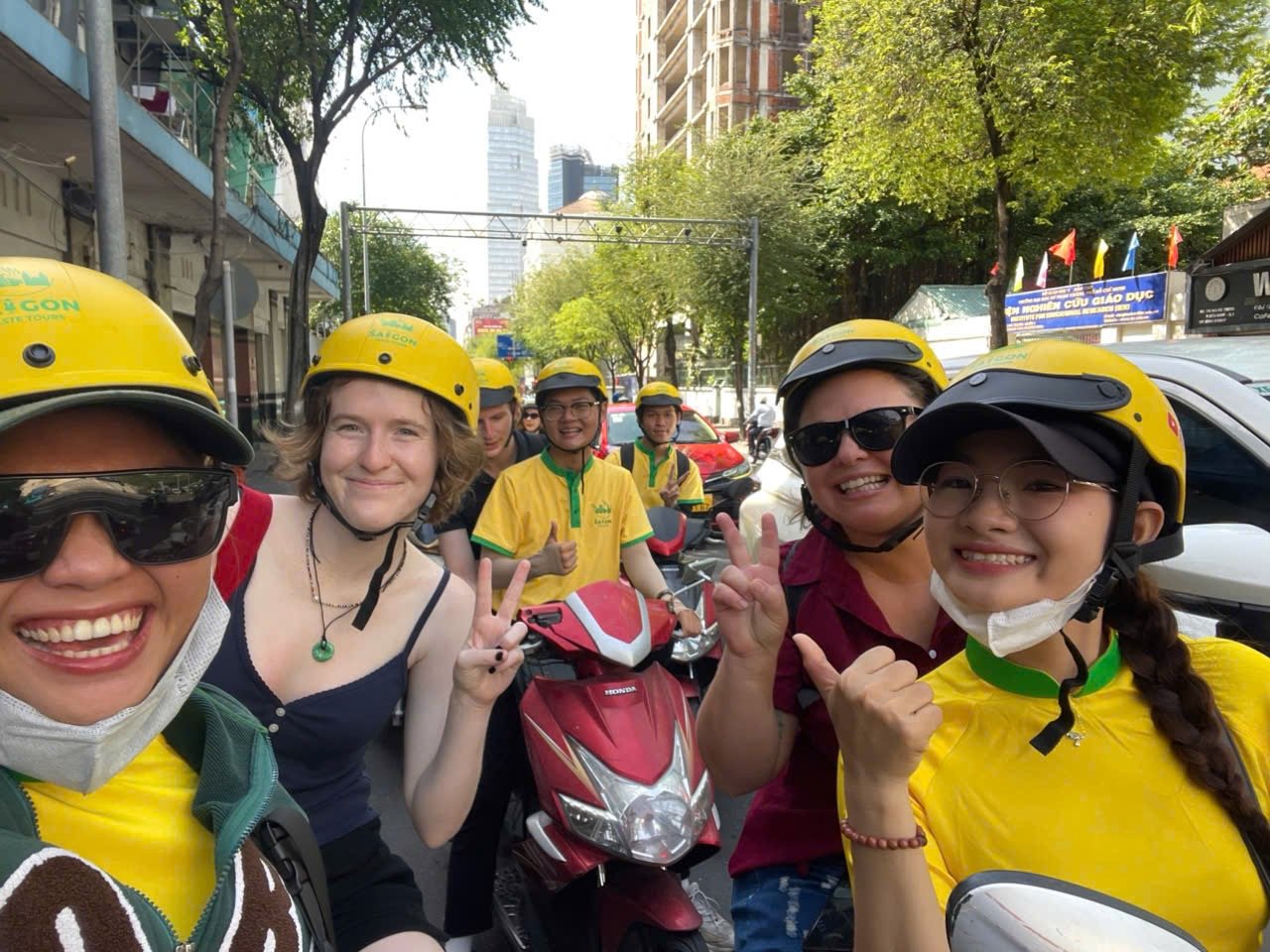
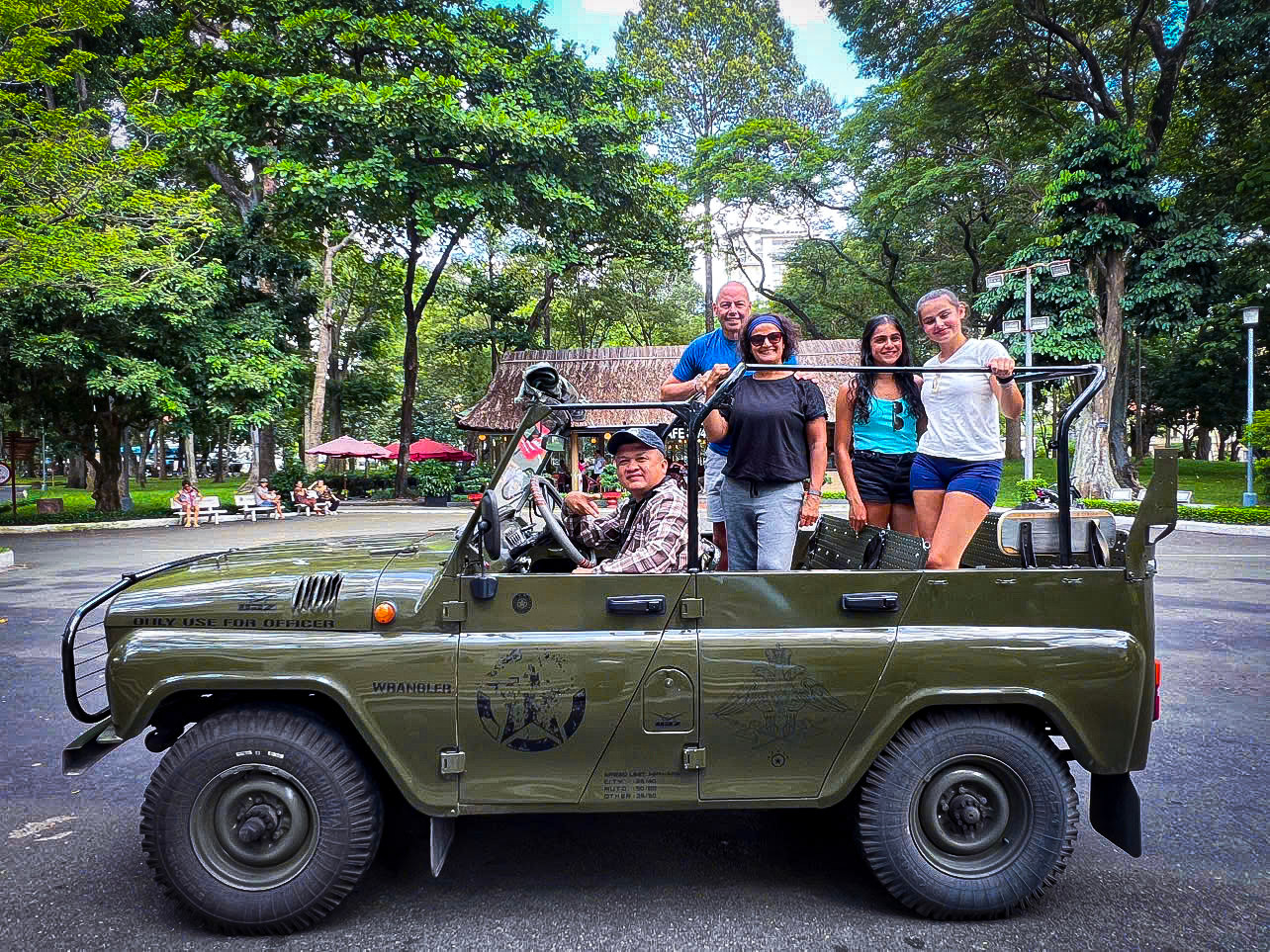
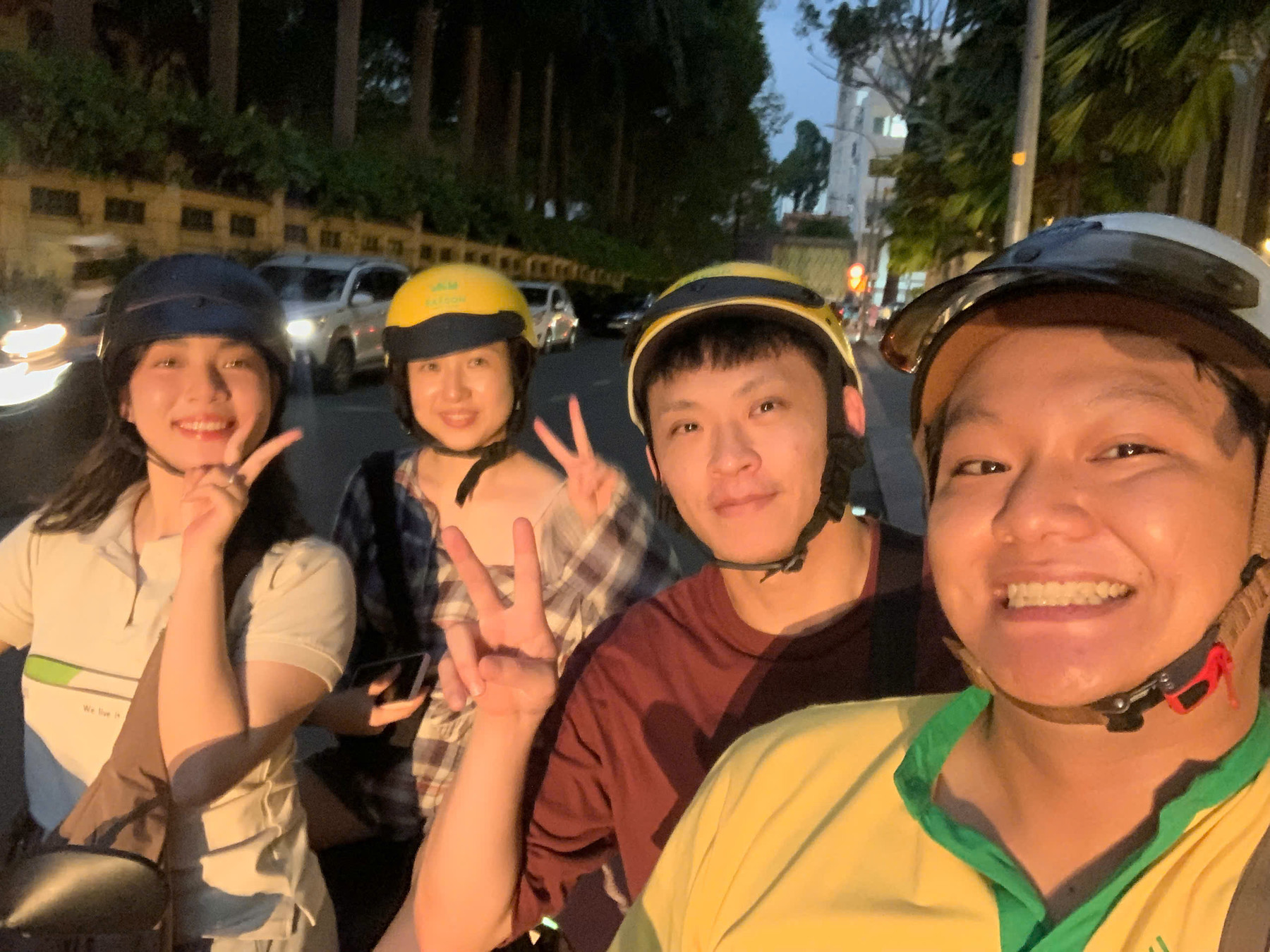
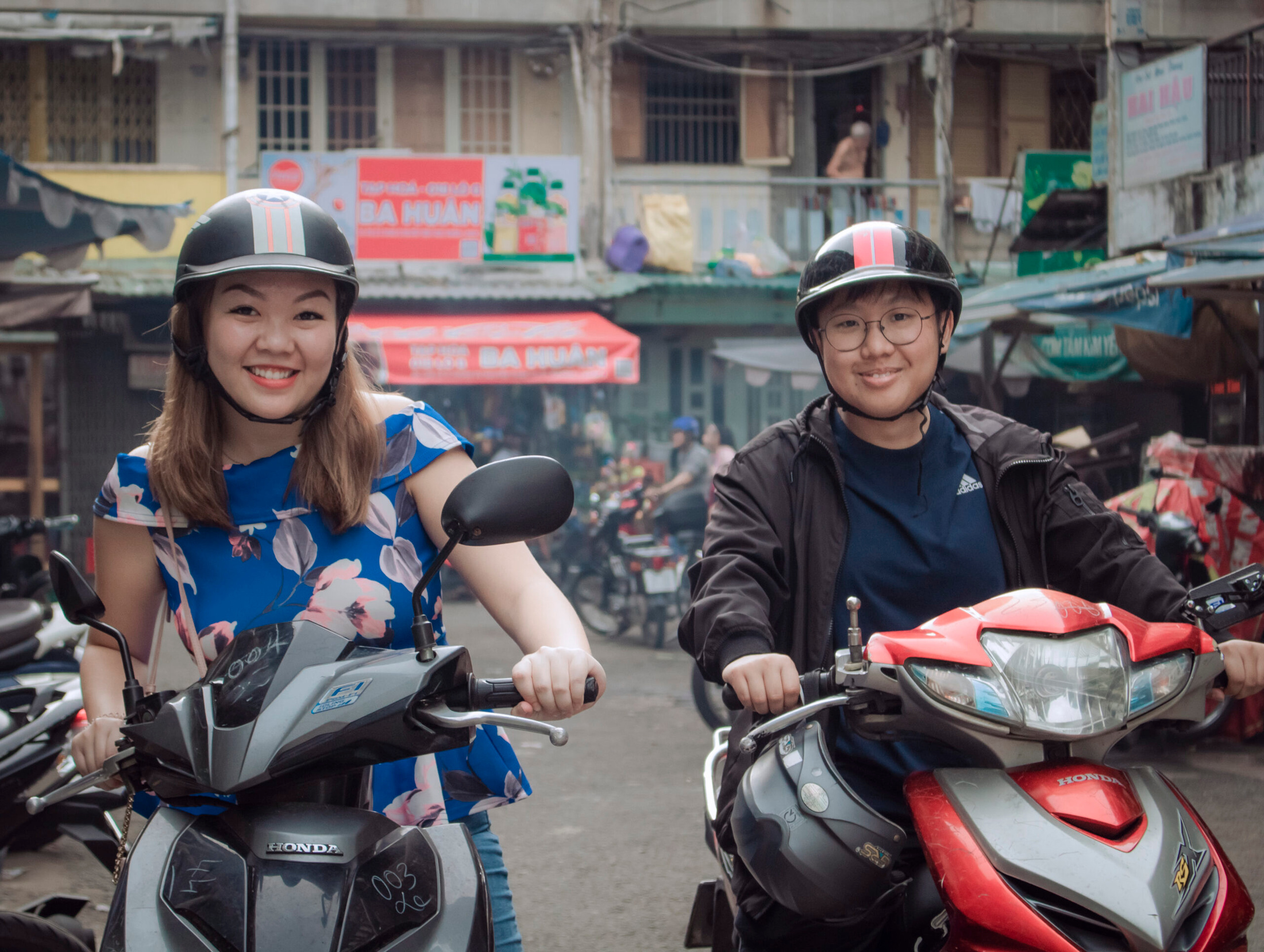
Explore Adventure Saigon: 4-Hour Tours with Saigon Taste Tours team
4 hours
$58.50 $65.00
4 hours
$33.25 $35.00

4 hours
$33.25 $35.00
4 hours
$33.25 $35.00
4 hours
$30.40 $32.00
4 hours
$46.55 $49.00

4 hours
$29.45 $31.00
Explore Cu Chi Tunnels

5 hours
$53.10 $59.00
12 hours
$40.50 $45.00
8 hours
$66.60 $74.00
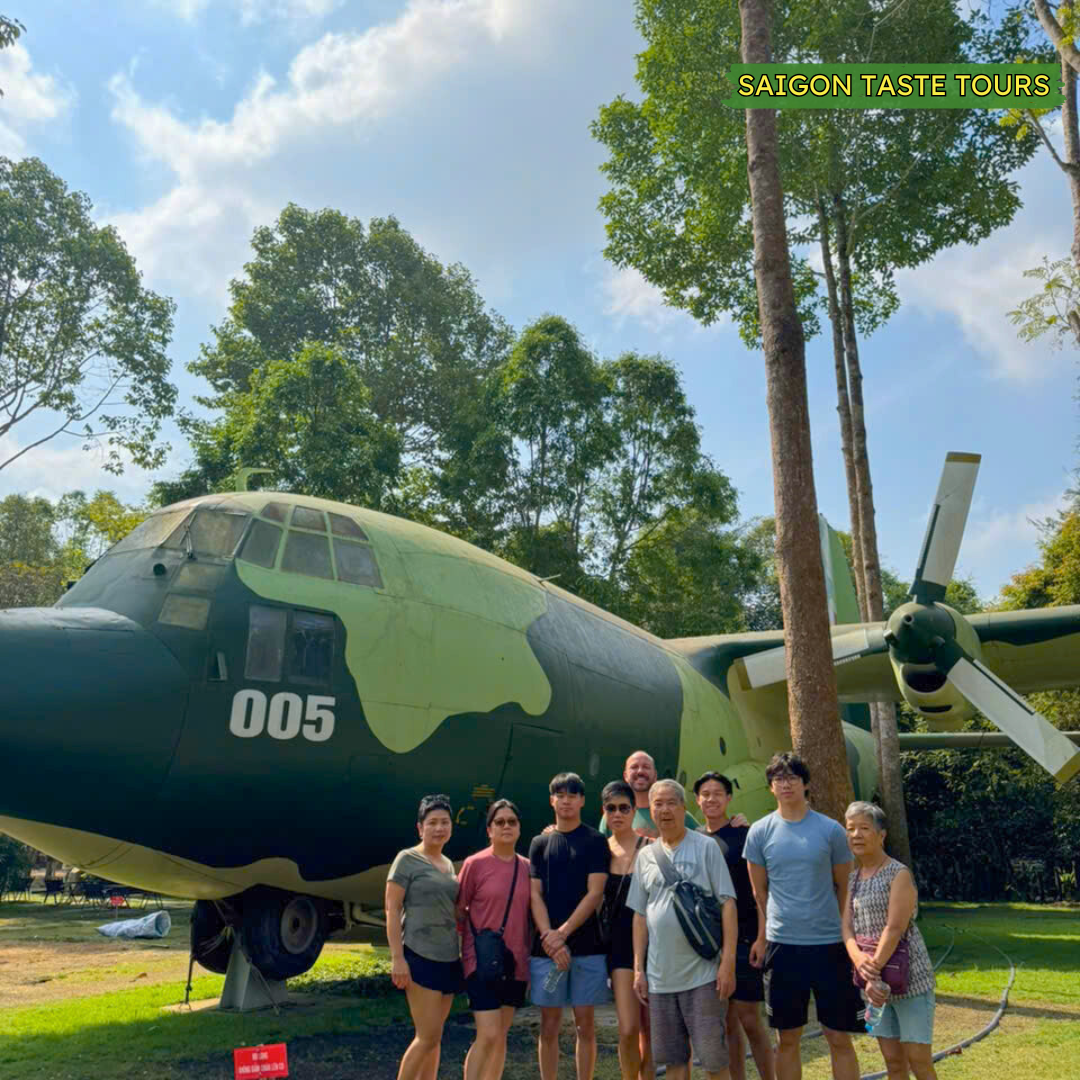
7.5 hours
$31.50 $35.00
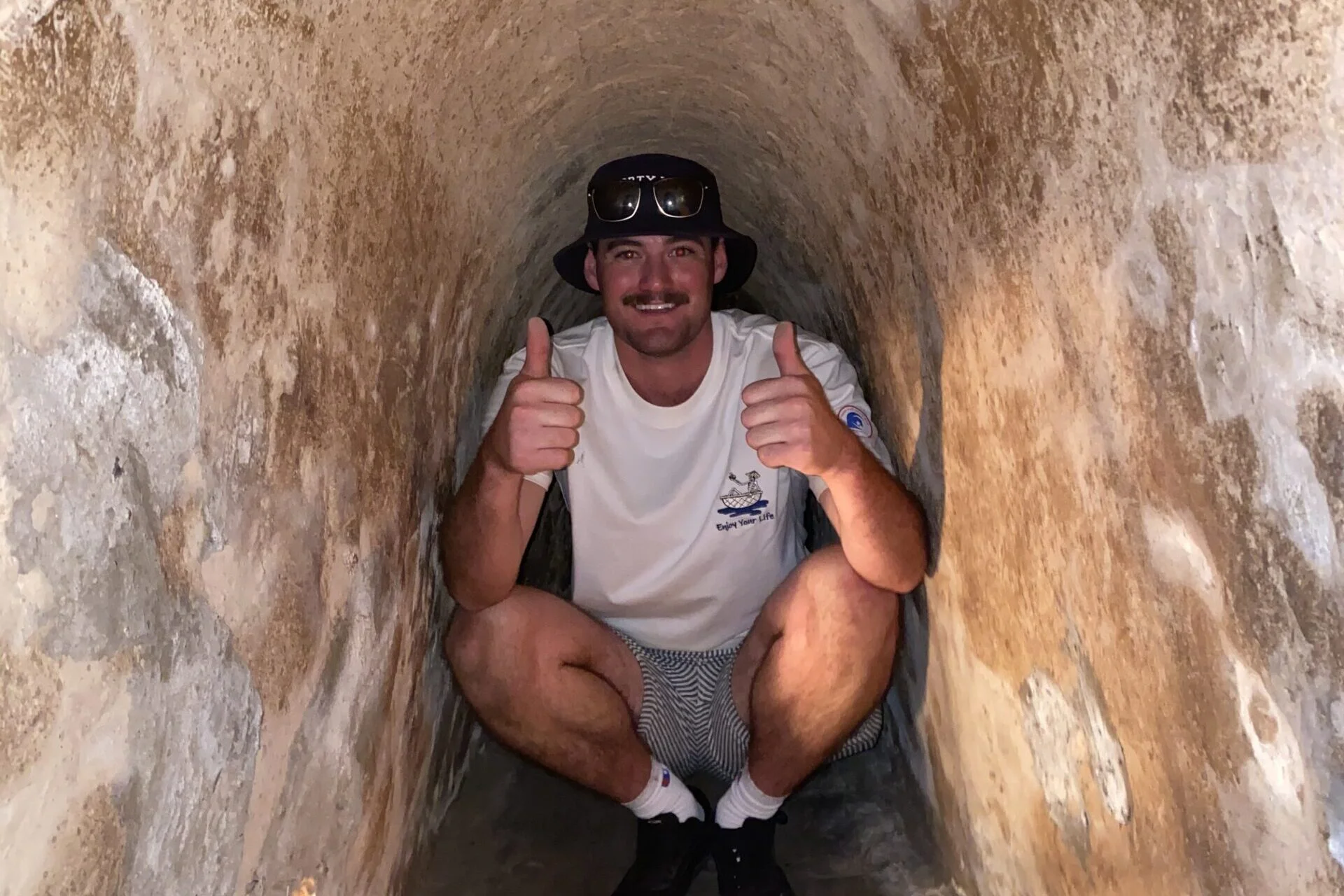
6.5 hours
$31.50 $35.00
Explore Mekong Delta Adventures
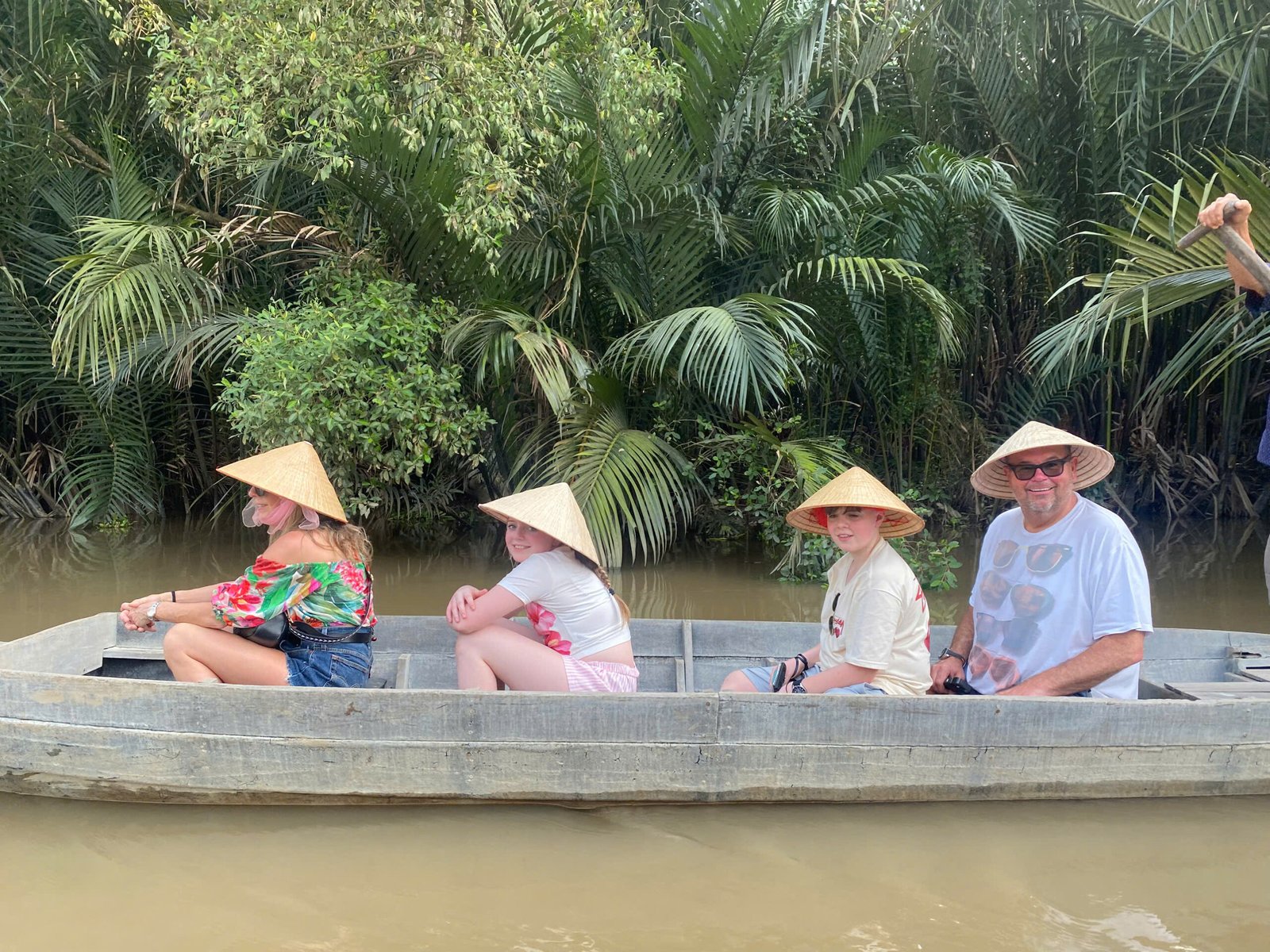
5 hours
$53.10 $59.00
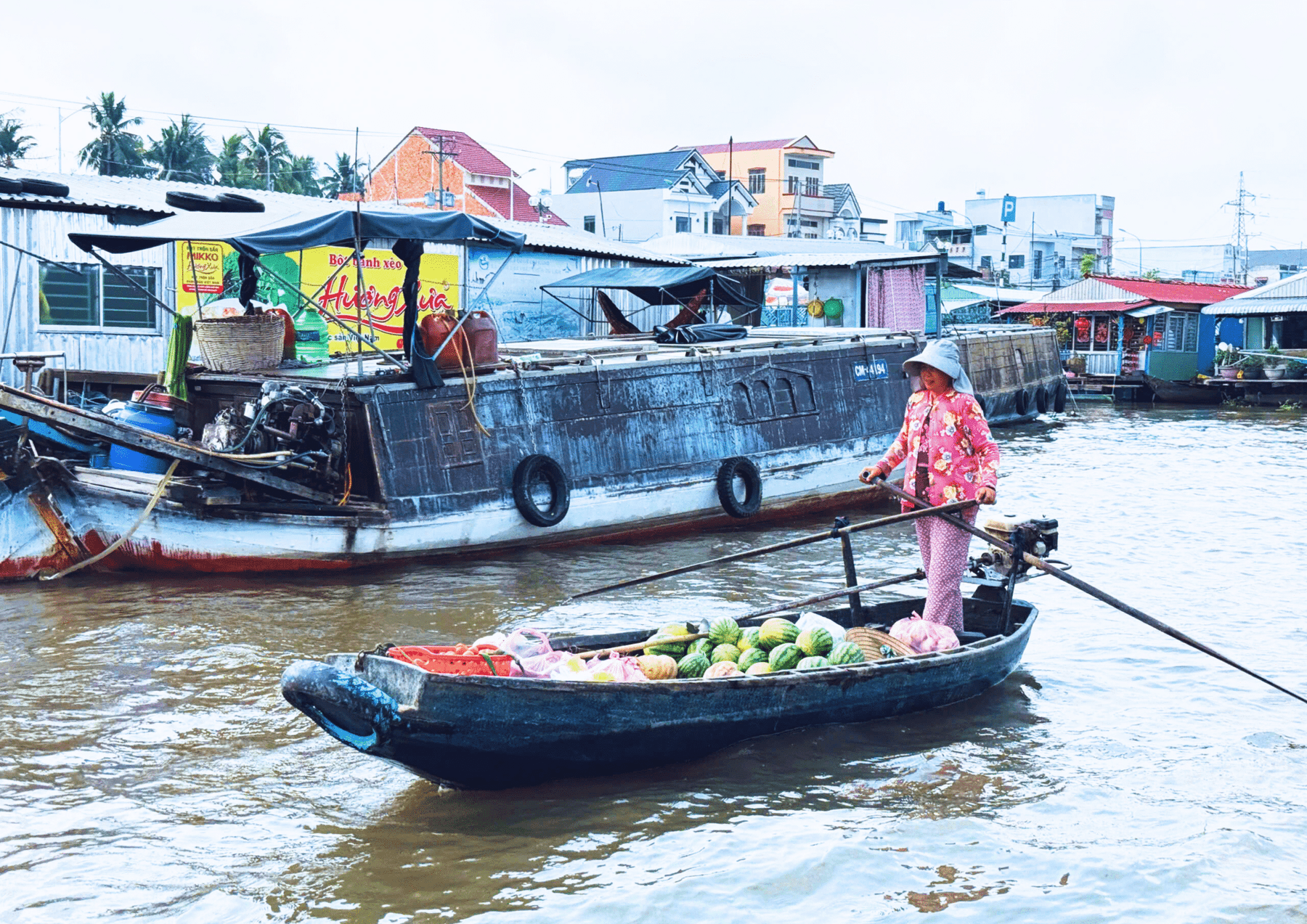
9 hours
$53.10 $59.00
9 hours
$58.50 $65.00
10 hours
$62.10 $69.00
48 hours
$532.80 $592.00
8 hours
$40.50 $45.00
Explore Ho Chi Minh Combos, Day Trips

9 hours
$60.30 $67.00

9 hours
$60.30 $67.00
12 hours
$40.50 $45.00
8 hours
$66.60 $74.00
10 hours
$62.10 $69.00
4 hours
$58.50 $65.00

Saigon Taste Tours team
Welcome to SAIGON TASTE Tours!We’re a team of passionate local guides dedicated to sharing the real Saigon and Vietnam through food, culture, and hidden gems. From bustling street food stalls and historic landmarks to outdoor adventures and peaceful nature escapes, our tours are designed to be authentic and unforgettable. Every experience is private and tailored to you, guided by knowledgeable locals who go above and beyond to make you feel like you’re exploring with a friend. With us, you won’t just visit Vietnam — you’ll truly experience it.We can’t wait to welcome you! Best regards, Ben and the SAIGON TASTE Tours
saigontastetours@gmail.com Click to Connect with Us
Leave a Reply