Discover Ho Chi Minh City: A Blend of History, Culture & Vibrant Life
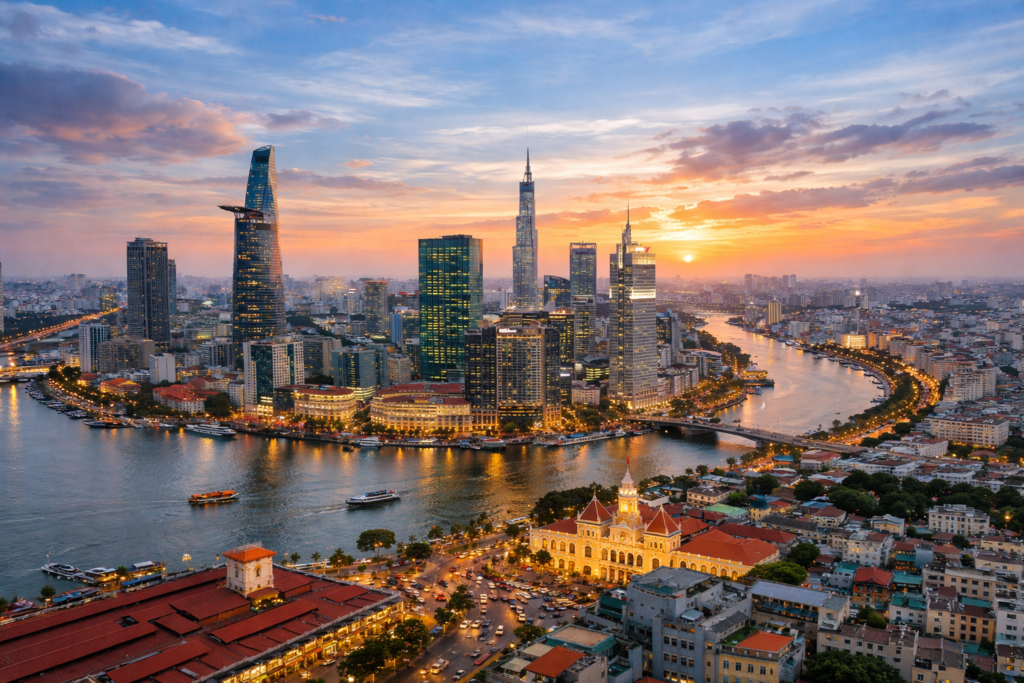
Ho Chi Minh City, still affectionately known by many as Saigon, is a sensory explosion that defies simple description. It is a city where millions of motorbikes weave through narrow alleys like a synchronized school of fish, where the aroma of sizzling street food fills the humid air, and where soaring glass skyscrapers stand in the shadow of French colonial landmarks. To visit Ho Chi Minh City is to witness a nation in motion—deeply respectful of its complex past but racing toward a modern future with an intensity that is both exhausting and exhilarating. This metropolis serves as the economic engine of Vietnam, yet it manages to preserve a soulful charm that keeps travelers coming back year after year to peel back its many layers.
The Architectural Legacy of Old Saigon: A French Connection
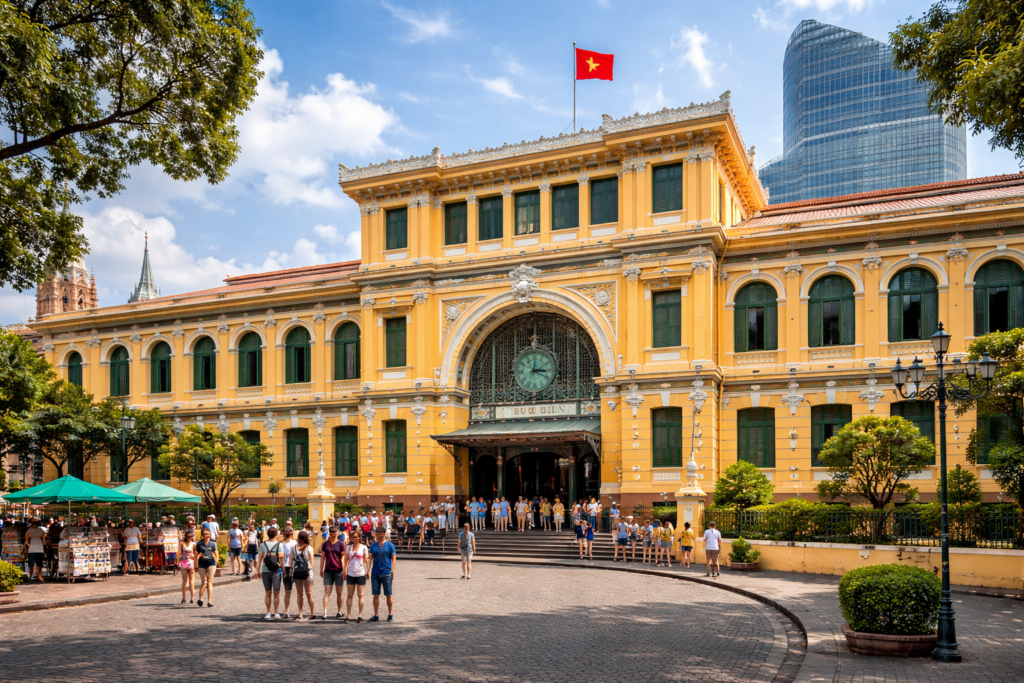
The heart of District 1 serves as an open-air museum of the city’s colonial era, a period that left an indelible mark on the urban landscape. The Saigon Central Post Office, designed by Gustave Eiffel’s company in the late 19th century, remains a functional masterpiece and a testament to Neo-Classical design. Inside, you’ll find vaulted ceilings that resemble a Victorian railway station, hand-painted historical maps of Southern Vietnam and Cambodia, and ornate telephone booths that transport you back to a time before smartphones. It is not just a tourist site; it is a living part of the city where locals still come to send mail, and where the famous public letter writer, Mr. Duong Van Ngo, spent decades helping citizens communicate with the world.
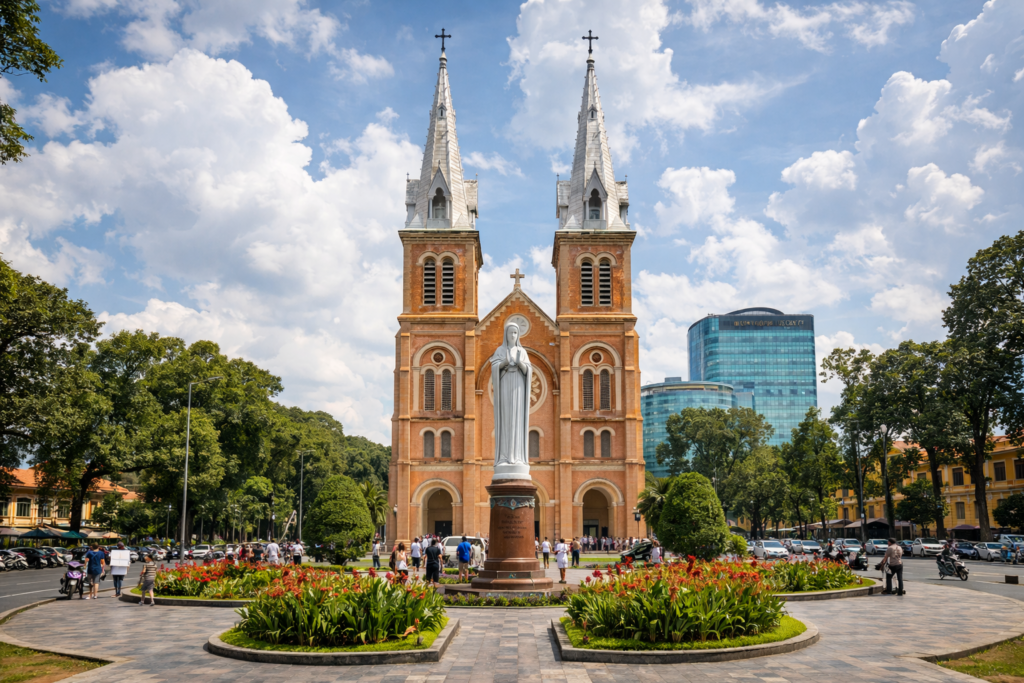
Just across the street, the Notre Dame Cathedral Basilica of Saigon stands as a red-brick icon of French influence. Constructed between 1863 and 1880 with materials imported entirely from Marseille, its twin bell towers have dominated the skyline for over a century. The cathedral is currently undergoing extensive renovation to preserve its structural integrity, but its exterior remains a favorite spot for wedding photography.
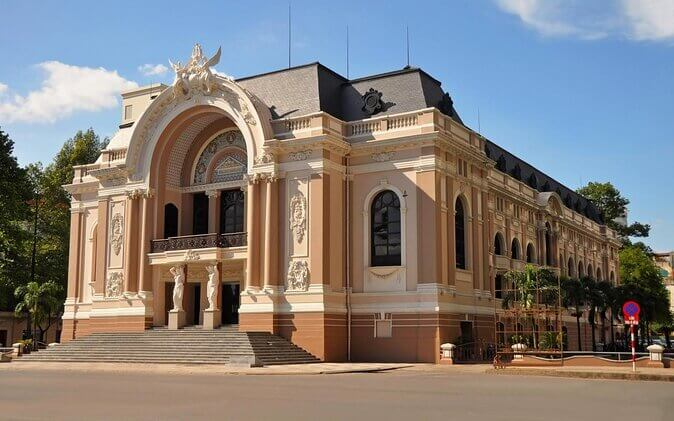
A short walk leads you to the Saigon Opera House (Municipal Theatre), a stunning example of French Third Republic architecture. Originally built to entertain the French elite, it now hosts world-class cultural performances like the “A O Show,” which masterfully blends bamboo cirque, acrobatics, and traditional music to tell the story of Vietnam’s transition from rural life to urban sprawl.
A Poignant Journey Through Vietnamese History
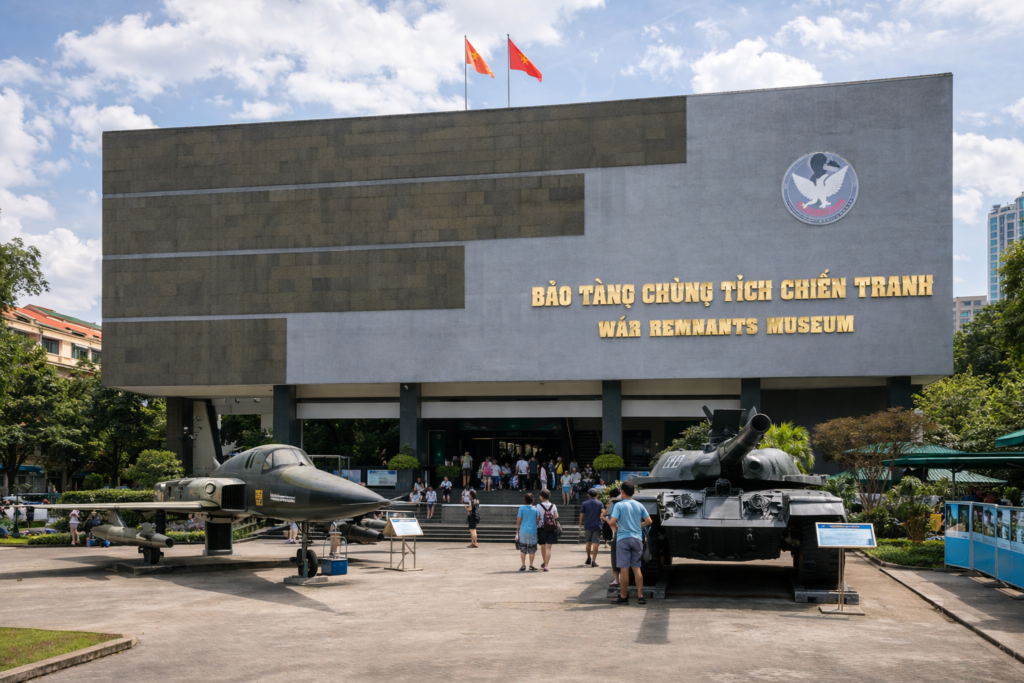
To understand the resilience and the spirit of the Vietnamese people, a visit to the War Remnants Museum is an essential, albeit heavy, experience. This museum offers a sobering and detailed look at the Vietnam War (known locally as the American War) through military equipment, photography, and personal stories. The “Requiem” exhibit, featuring work from legendary photographers who died on both sides of the conflict, is particularly moving. Outside, the courtyard is filled with captured U.S. armored vehicles, artillery pieces, and aircraft, while the “Tiger Cages” exhibit provides a chilling look at the conditions faced by political prisoners on Con Dao Island.
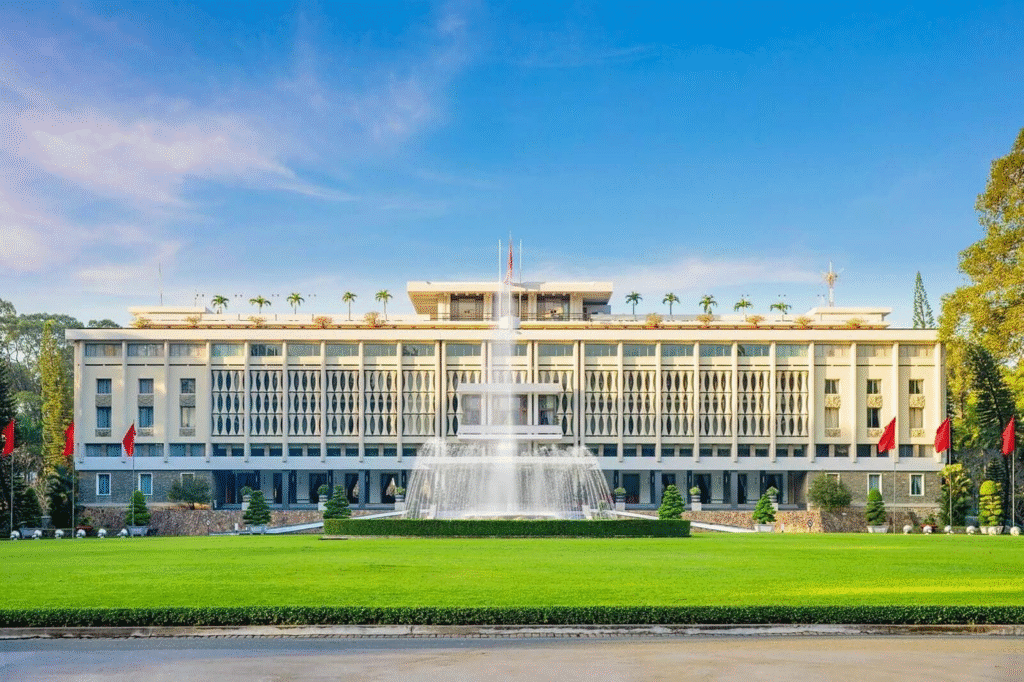
Equally significant is the Independence Palace (Reunification Palace). Once the home and workplace of the President of South Vietnam, it remains frozen in time since 1975. The building itself is a masterpiece of 1960s modernist architecture, designed by Ngo Viet Thu. Exploring its underground war rooms, telecommunications center, and grand reception halls provides a fascinating glimpse into the political history that shaped the modern nation. The moment a North Vietnamese tank crashed through its iron gates on the morning of April 30, 1975, marked the official end of the war, and standing on that very spot today is a powerful experience that highlights the country’s journey toward peace and reunification.
Navigating the Bustling Markets and Local Commerce
No trip to Ho Chi Minh City is complete without experiencing the organized chaos of Ben Thanh Market. By day, it is a labyrinth of stalls selling everything from high-quality coffee beans and colorful silk textiles to intricate handicrafts and lacquerware. It’s a place to test your bargaining skills and engage with the spirited local vendors who have been the backbone of the city’s trade for generations. Be sure to explore the wet market section in the early morning to see fresh produce, seafood, and flowers being traded in a flurry of activity.
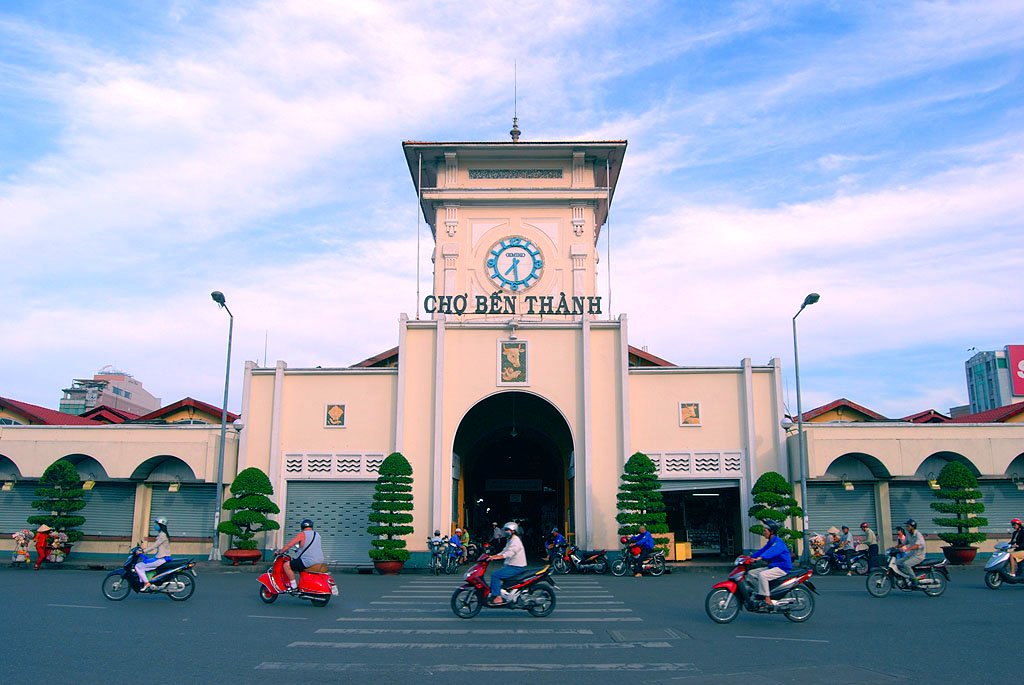
As the sun sets, the indoor market closes and the surrounding streets transform into the Ben Thanh Night Market. Here, the atmosphere shifts as outdoor kitchens fire up, serving grilled seafood, sizzling pancakes (Bánh Xèo), and local delicacies under the glow of neon lights.
For a more authentic, less touristy experience, head to Tan Dinh Market in District 3. Famous for its “Pink Church” backdrop, it offers an incredible fabric selection and some of the best street food stalls in the city.
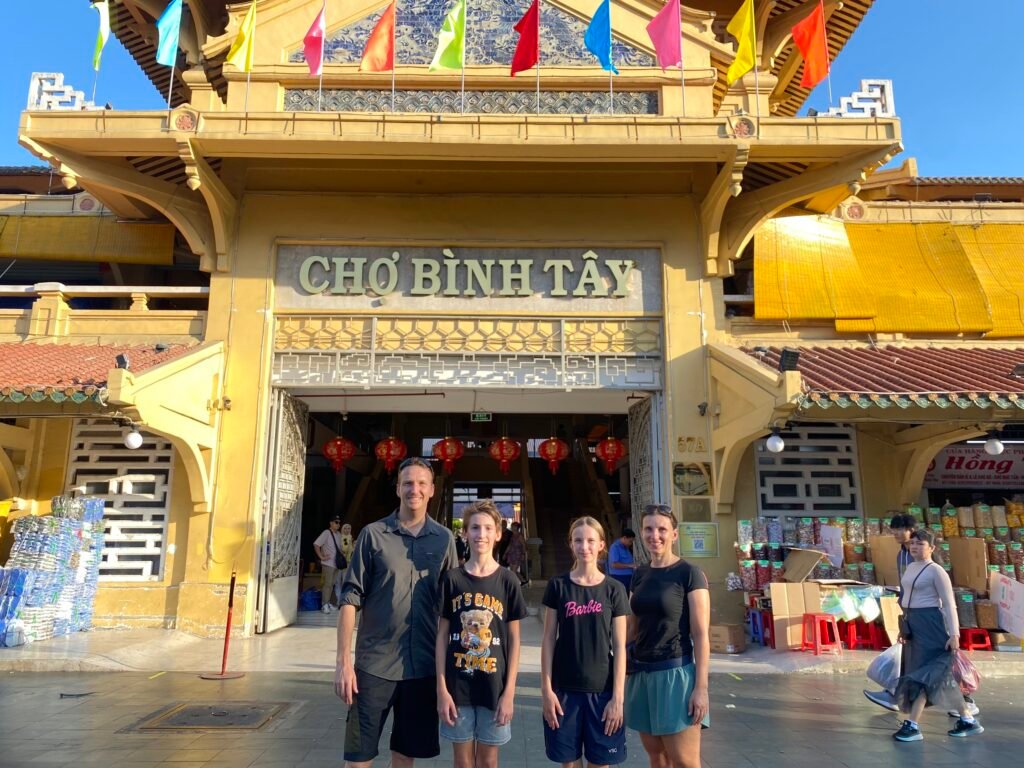
Alternatively, venture into the Cholon (Chinatown) district to visit Binh Tay Market. This massive wholesale hub is the heart of the city’s Chinese-Vietnamese community, featuring stunning Sino-French architecture and an endless array of goods that supply much of Southern Vietnam.
The World-Famous Street Food Culture: A Culinary Adventure
Saigon is arguably the street food capital of the world, a place where the best meals are often found on a sidewalk while sitting on a tiny plastic stool. The culinary scene is defined by its freshness, regional diversity, and the sheer joy of communal eating. The city’s food tells a story of migration, with flavors from the north, central highlands, and the Mekong Delta all converging in one place to create a unique Saigonese palate.
- Phở: While originally from the north, the southern version (Phở Nam) is sweeter and served with a mountain of fresh herbs like Thai basil and sawtooth herb, bean sprouts, and a side of hoisin and chili sauce for dipping the meat.
- Bánh Mì: These crispy baguettes are a legacy of the French, but the Vietnamese have made them their own. Filled with pâté, various cold cuts, pickled daikon and carrots, cucumber, and fresh cilantro, they are the perfect on-the-go meal and a masterclass in balanced textures and flavors.
- Cơm Tấm: “Broken rice” was once a meal for the poor made from fractured rice grains. Today, topped with marinated grilled pork chops (sườn nướng), shredded pork skin (bì), and a steamed egg meatloaf (chả), it is a quintessential Saigonese breakfast and lunch staple.
- Cà Phê Sữa Đá: Vietnamese coffee is world-renowned for its strength. Enjoying an iced coffee with thick sweetened condensed milk while watching the traffic go by is a rite of passage for any visitor. For a twist, try the “Cà Phê Trứng” (egg coffee) or the “Cà Phê Muối” (salt coffee) which has recently become a local sensation.
Modern Landmarks and Panoramic Views: The New Skyline
For a change of pace from the historic streets, head to the Bitexco Financial Tower, whose lotus-inspired shape was once the tallest in the city. Its Saigon Skydeck on the 49th floor offers 360-degree views of the winding Saigon River and the sprawling urban landscape. However, for the ultimate view, you must visit Landmark 81, the highest building in Vietnam and Southeast Asia. Located in the Vinhomes Central Park area, it represents the new, prosperous face of Vietnam, featuring high-speed elevators that whisk you to the “Skyview” observation deck for a breathtaking look at the city from 461 meters up.
These modern hubs are filled with luxury boutiques, high-end cinemas, and rooftop bars like Blank Lounge, where you can sip a cocktail above the clouds. Exploring these areas shows the incredible speed of development in Ho Chi Minh City, where traditional tube houses now sit alongside futuristic residential complexes and manicured parks. It is a city of sharp contrasts, where the 19th and 21st centuries exist side-by-side in a constant state of flux.
Beyond the Center: Exploring District 3 and the Soul of District 5
While District 1 gets most of the attention, District 3 offers a leafier, more residential vibe with beautiful colonial villas, hidden cafes, and quiet pagodas. It’s home to the Thich Quang Duc Monument, a powerful memorial dedicated to the monk who famously protested in 1963. This district is perfect for those who want to escape the main tourist trail and see how the city’s middle class lives, works, and dines in trendy “hem” (alleyway) restaurants.
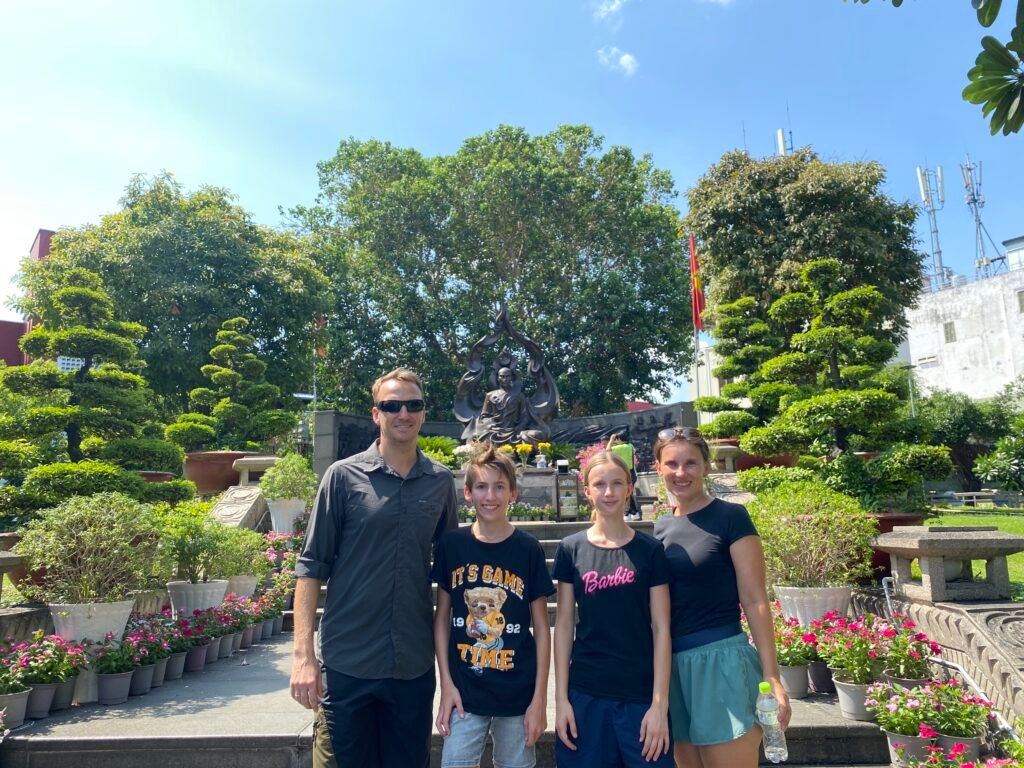
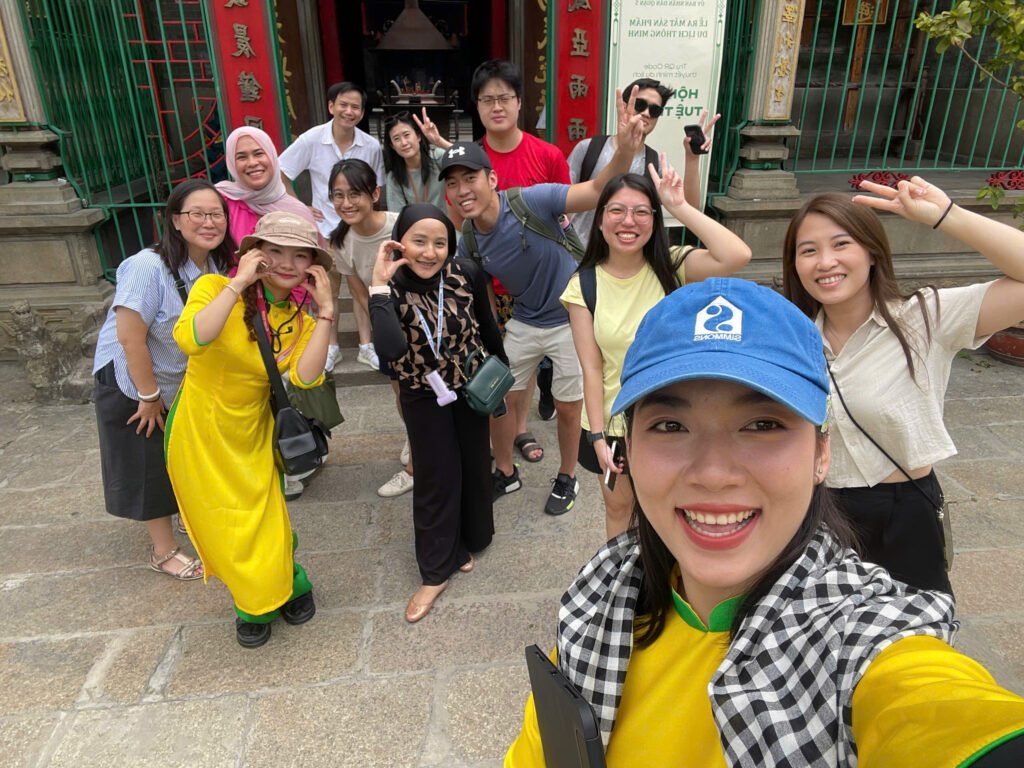
Meanwhile, District 5 (Cholon) is a treasure trove of culture and history. As the largest Chinatown in the world by population, it is home to ornate Chinese temples like the Thien Hau Temple, dedicated to the Lady of the Sea. The air here is thick with the scent of incense and medicinal herbs from the many traditional pharmacies lining the streets. Exploring Cholon is like stepping into a different world, where the pace is slightly slower, the architecture is more traditional, and the food—like the famous roasted duck and handmade dumplings—is legendary.
Nightlife and the Electric Energy of the City
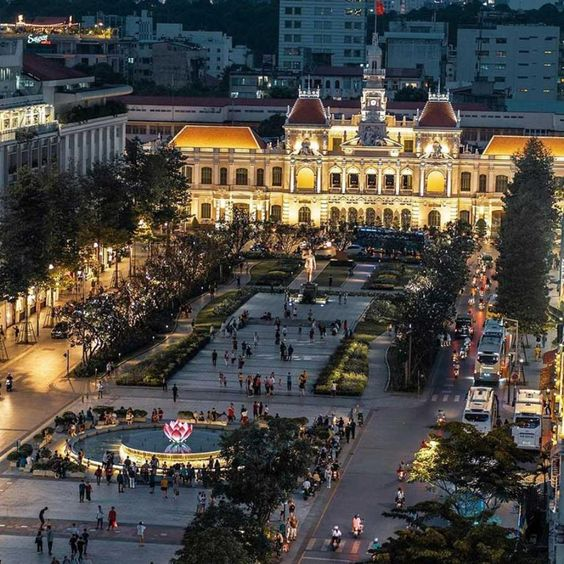
As darkness falls, the city’s energy doesn’t dissipate; it simply moves to the streets and rooftops. Bui Vien Walking Street is the epicenter of the backpacker district, famous for its loud music, street performers, and vibrant bars that spill out onto the pavement. It is a place of endless people-watching and high-energy celebrations that last until the early hours of the morning. For a more relaxed and family-friendly evening, the Nguyen Hue Walking Street offers a wide, pedestrian-only boulevard perfect for a nightly stroll among locals, illuminated fountains, and the grand Ho Chi Minh City Hall.
For those seeking a more sophisticated night out, Saigon’s craft beer scene is booming, with local breweries like Pasteur Street and Heart of Darkness leading the way. Alternatively, seek out a hidden speakeasy in one of the city’s many old apartment buildings—repurposed spaces that now house some of the most creative cocktail bars in Asia. Whether you’re looking for a quiet drink with a view or a night of dancing, Ho Chi Minh City’s nightlife is as diverse and welcoming as the city itself.
Practical Tips for Your Visit
To make the most of your trip, keep a few things in mind. Crossing the street in Saigon is an art form; walk at a steady pace, and the motorbikes will flow around you like water. Use ride-hailing apps like Grab for transparent pricing on cars and bikes. Finally, embrace the heat and the rain—the city is beautiful in all weather, and a sudden tropical downpour is just another excuse to duck into a beautiful cafe for another cup of world-class coffee.
Explore Adventure Saigon: 4-Hour Tours with Saigon Taste Tours team
4 hours
$58.50 $65.00
4 hours
$33.25 $35.00
4 hours
$33.25 $35.00
4 hours
$33.25 $35.00
4 hours
$30.40 $32.00
4 hours
$46.55 $49.00
4 hours
$29.45 $31.00
Explore Cu Chi Tunnels

5 hours
$53.10 $59.00
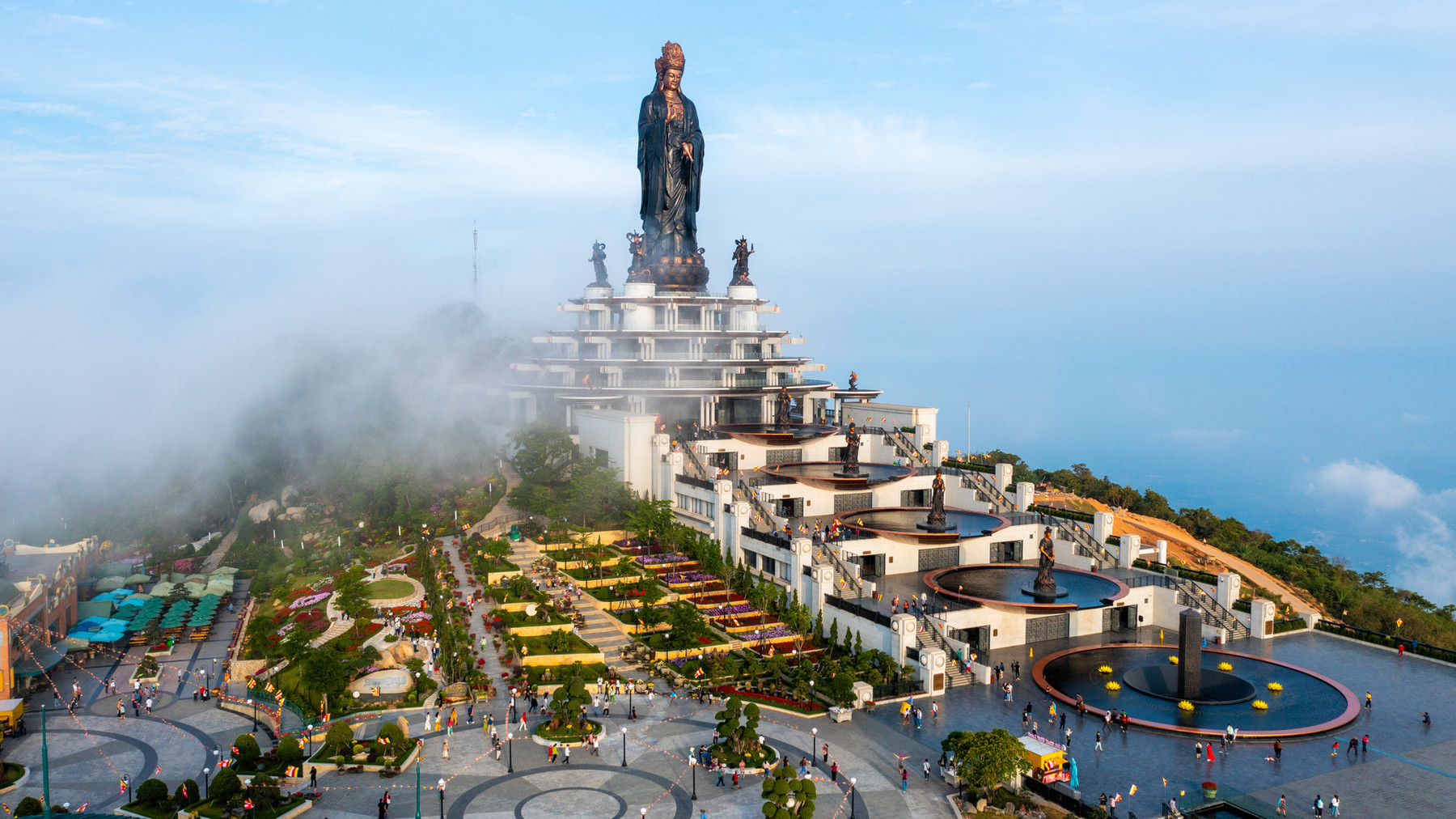
12 hours
$40.50 $45.00
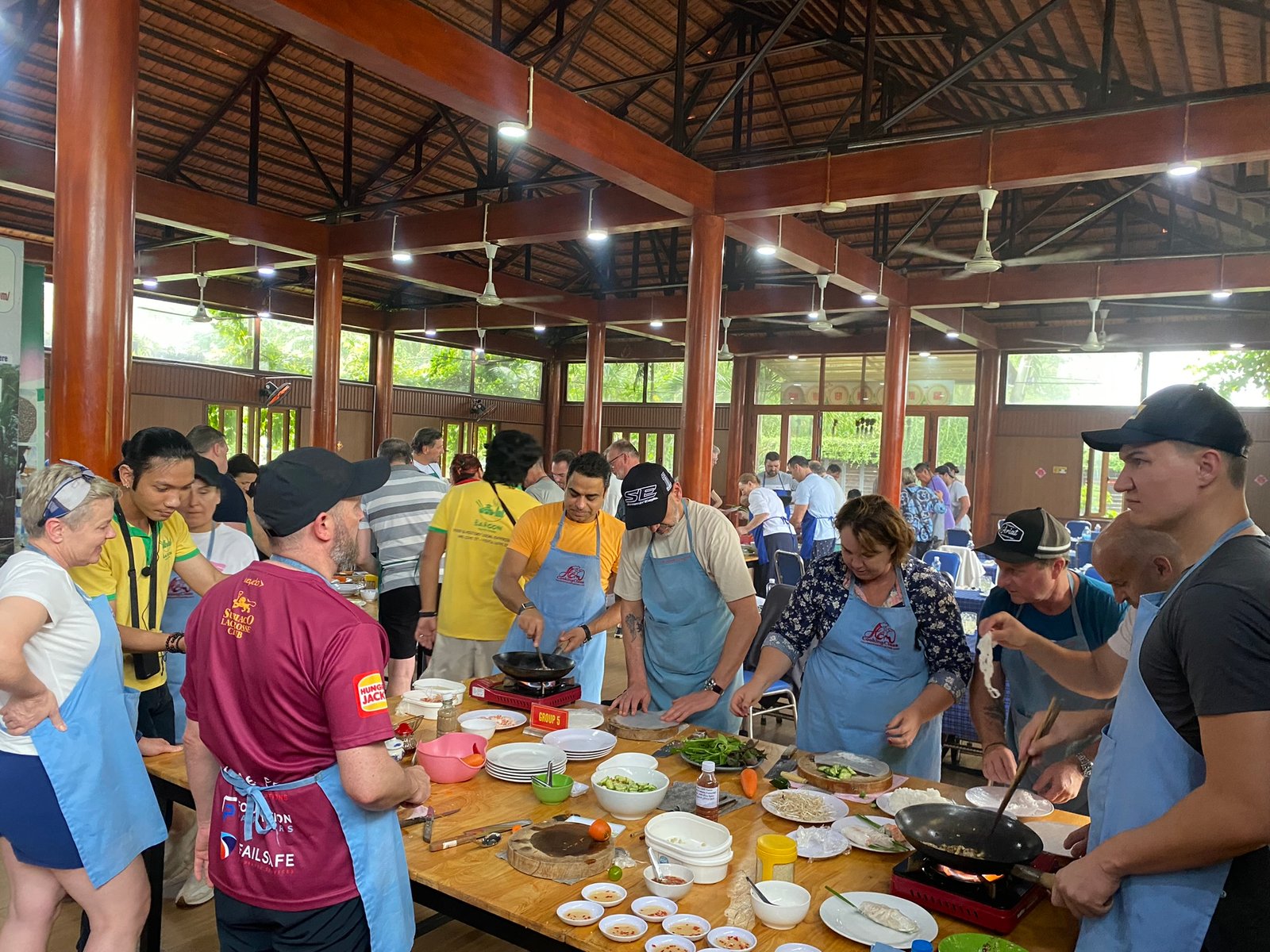
8 hours
$66.60 $74.00
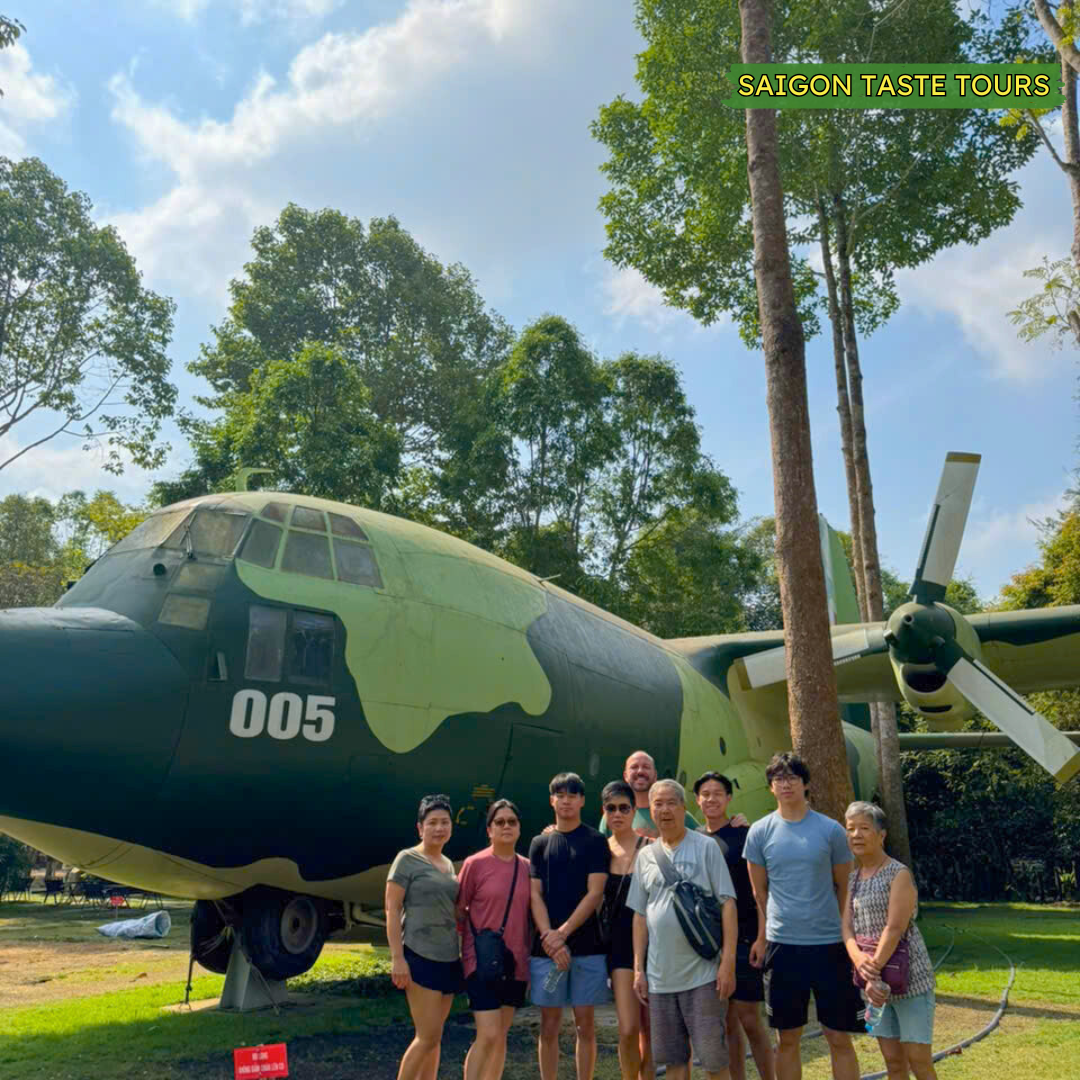
7.5 hours
$31.50 $35.00
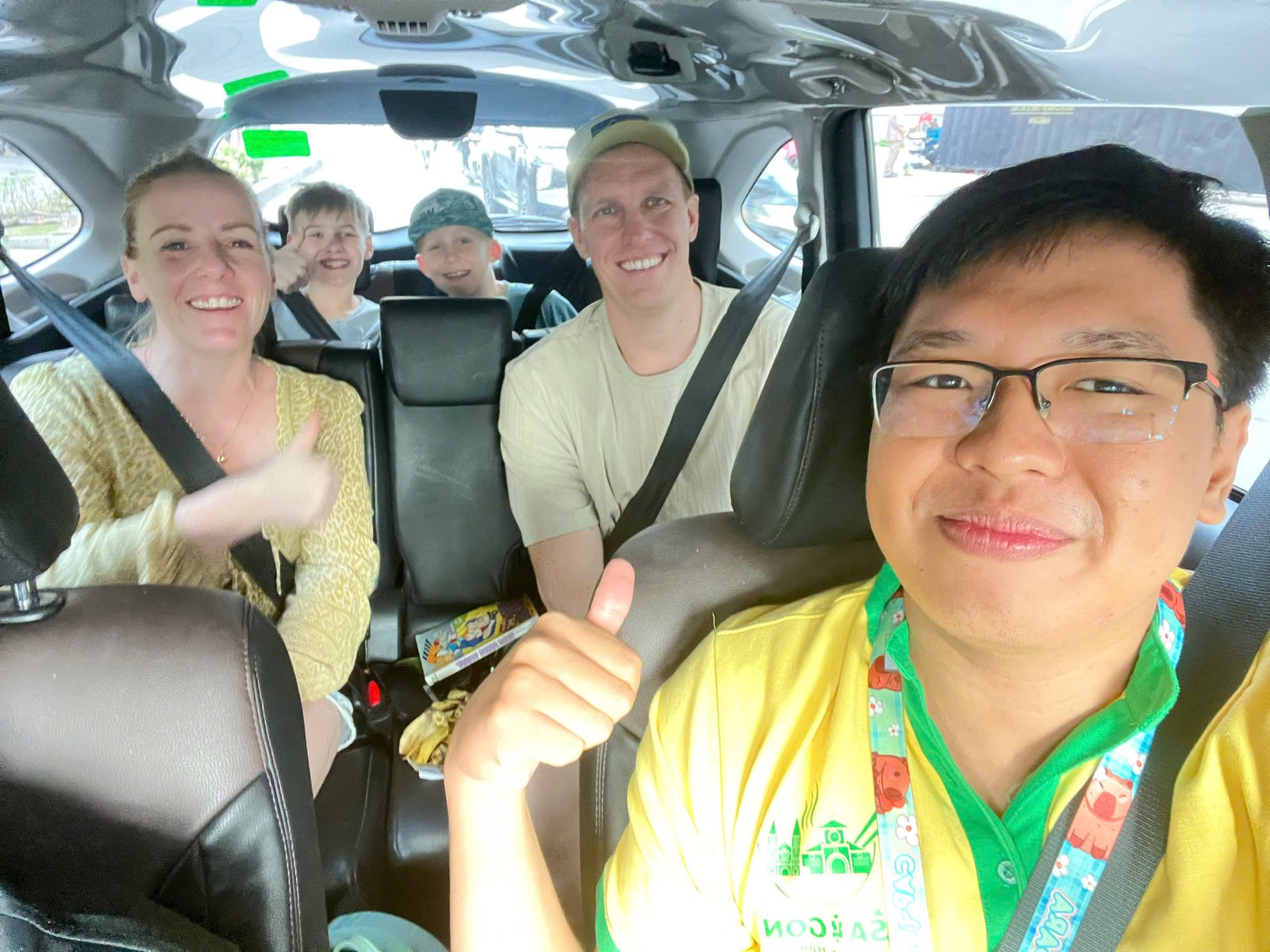
6.5 hours
$31.50 $35.00
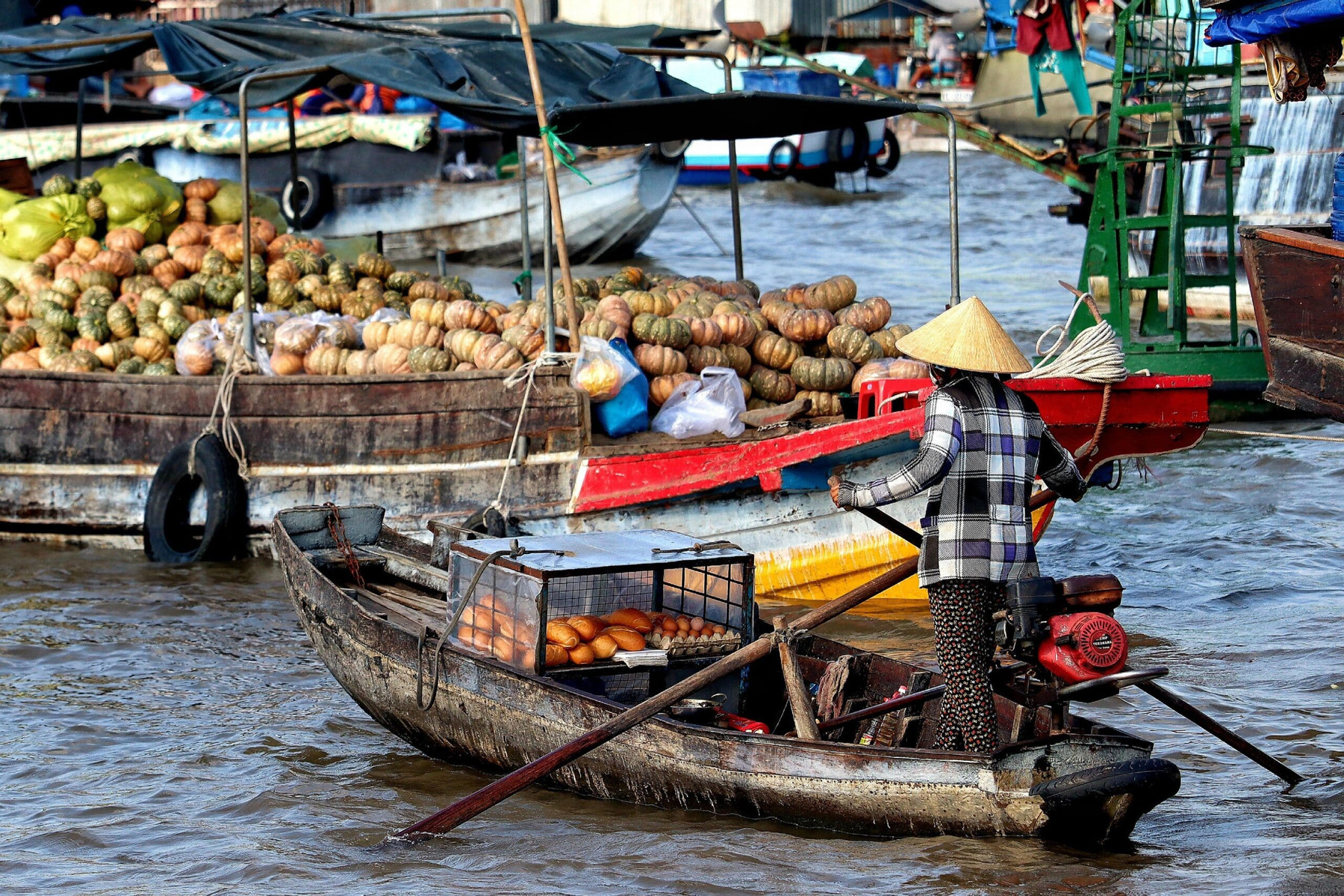
Explore Mekong Delta Adventures
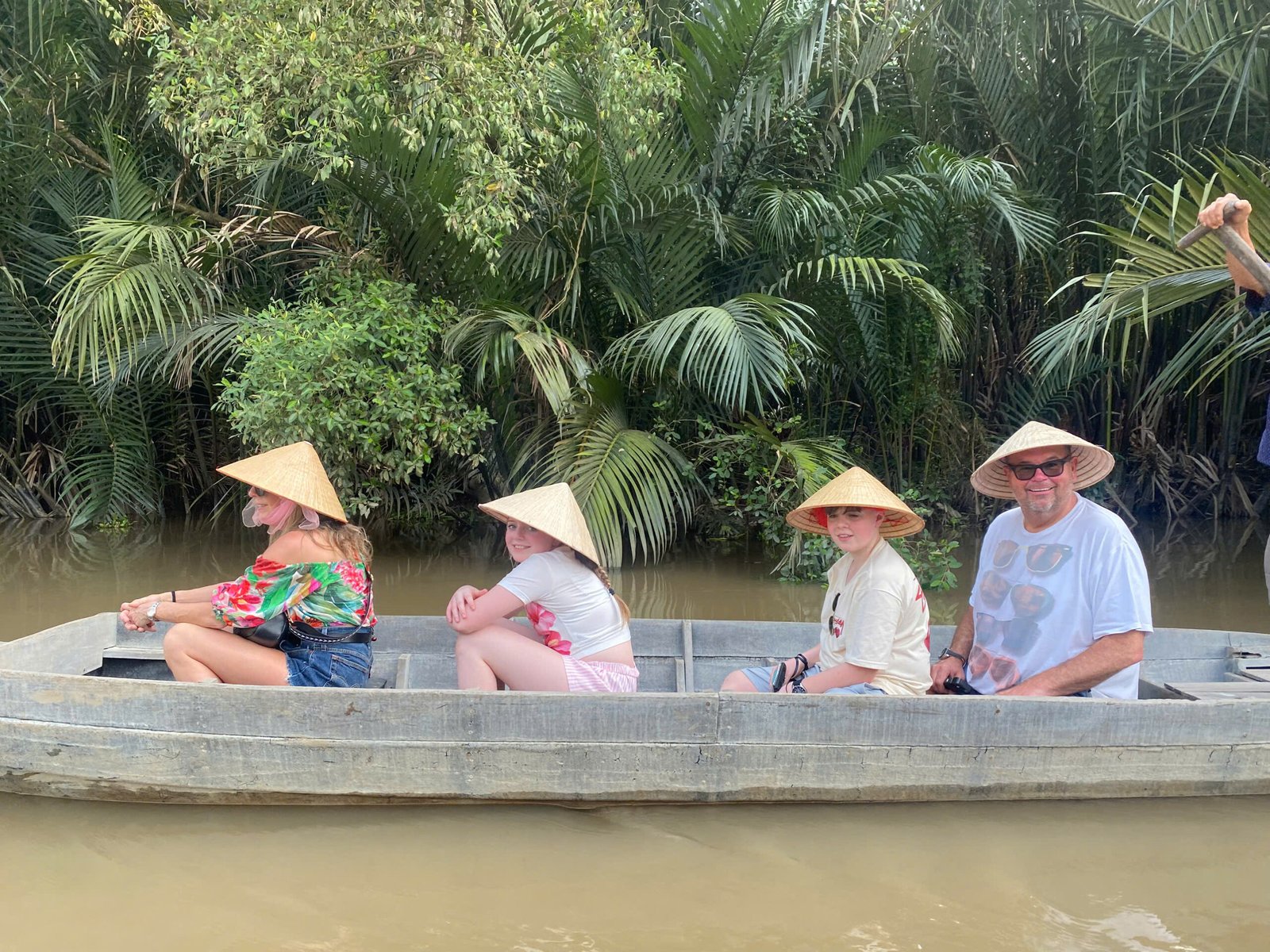
5 hours
$53.10 $59.00
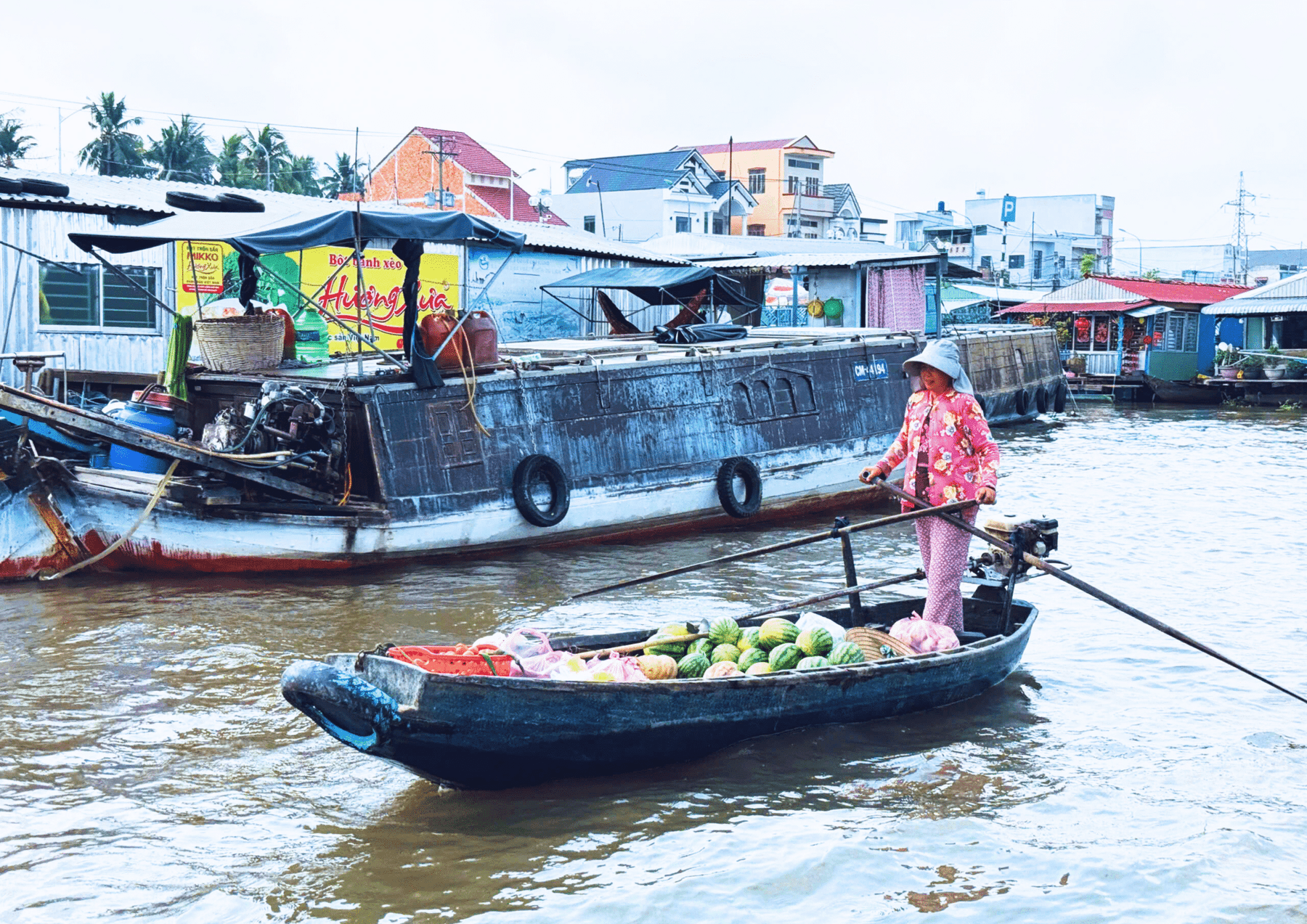
9 hours
$53.10 $59.00
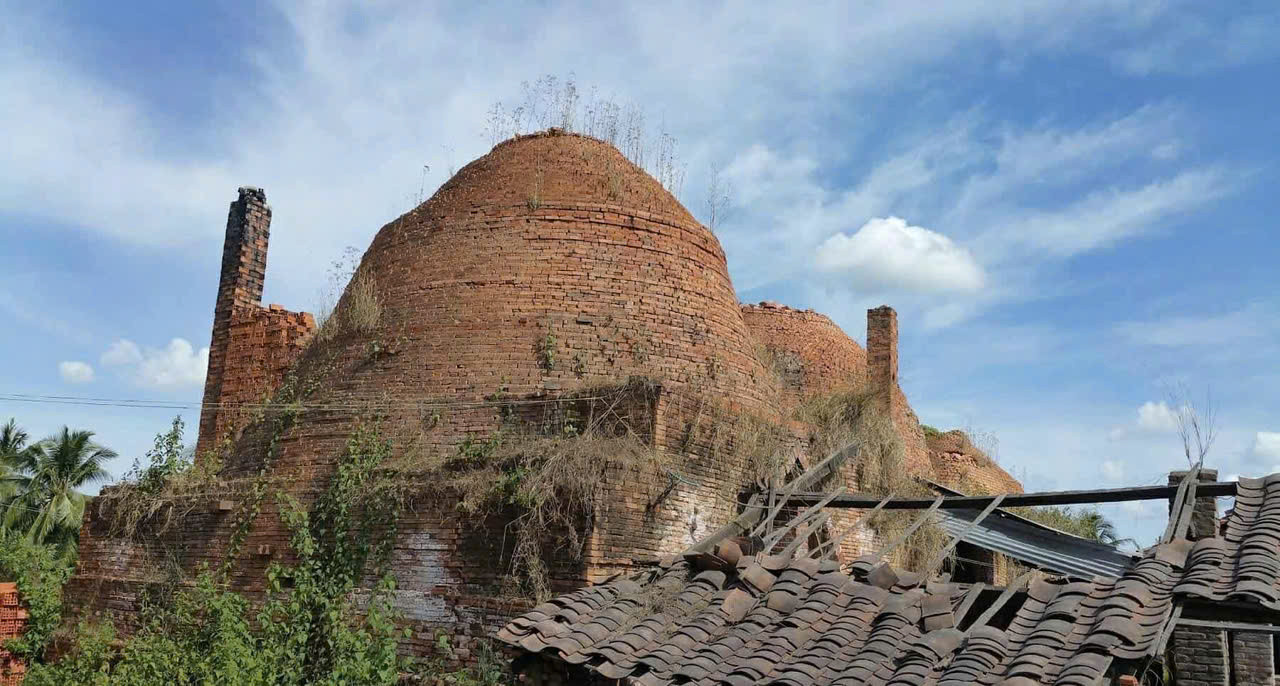
9 hours
$58.50 $65.00
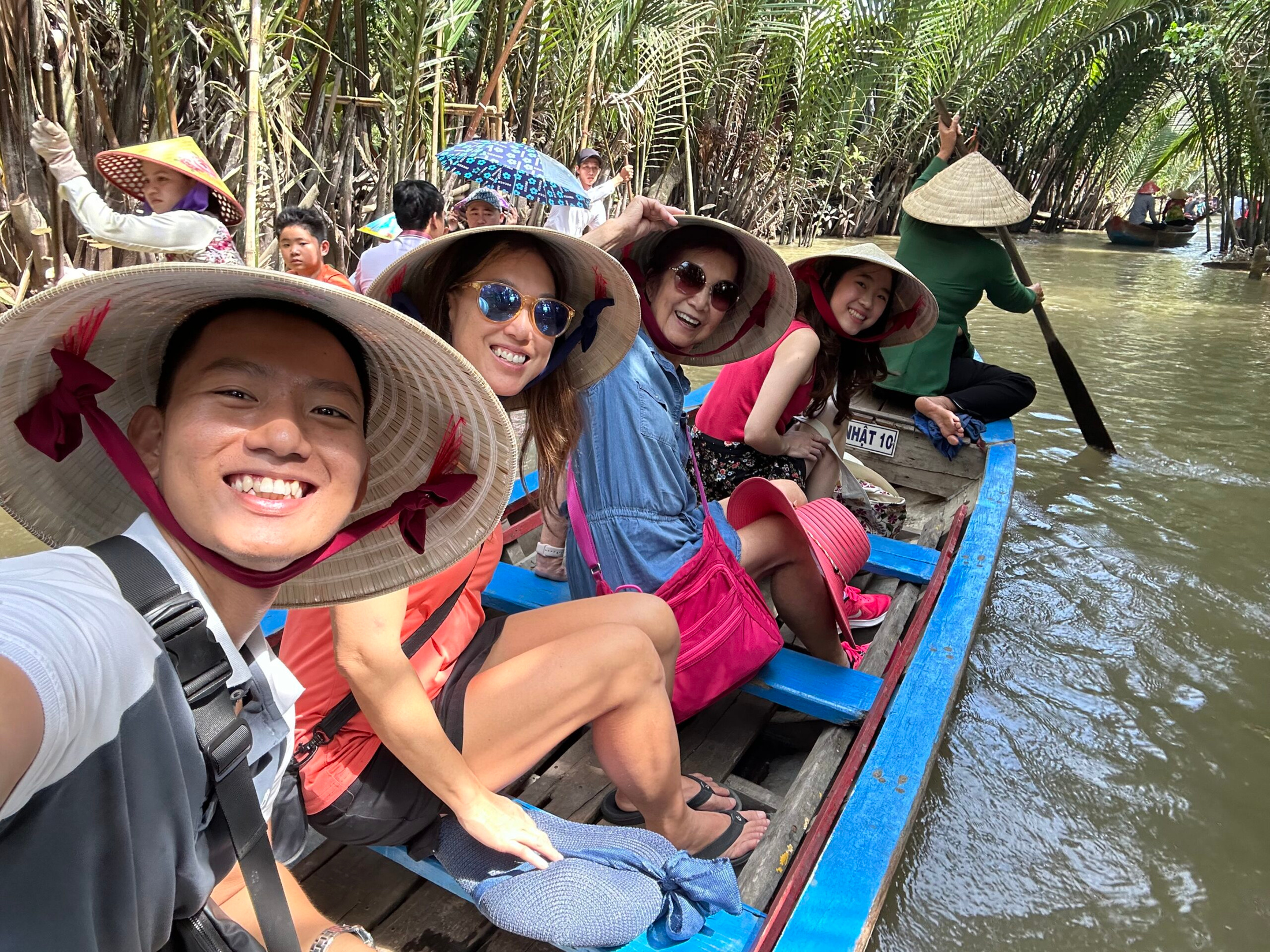
10 hours
$62.10 $69.00
48 hours
$532.80 $592.00
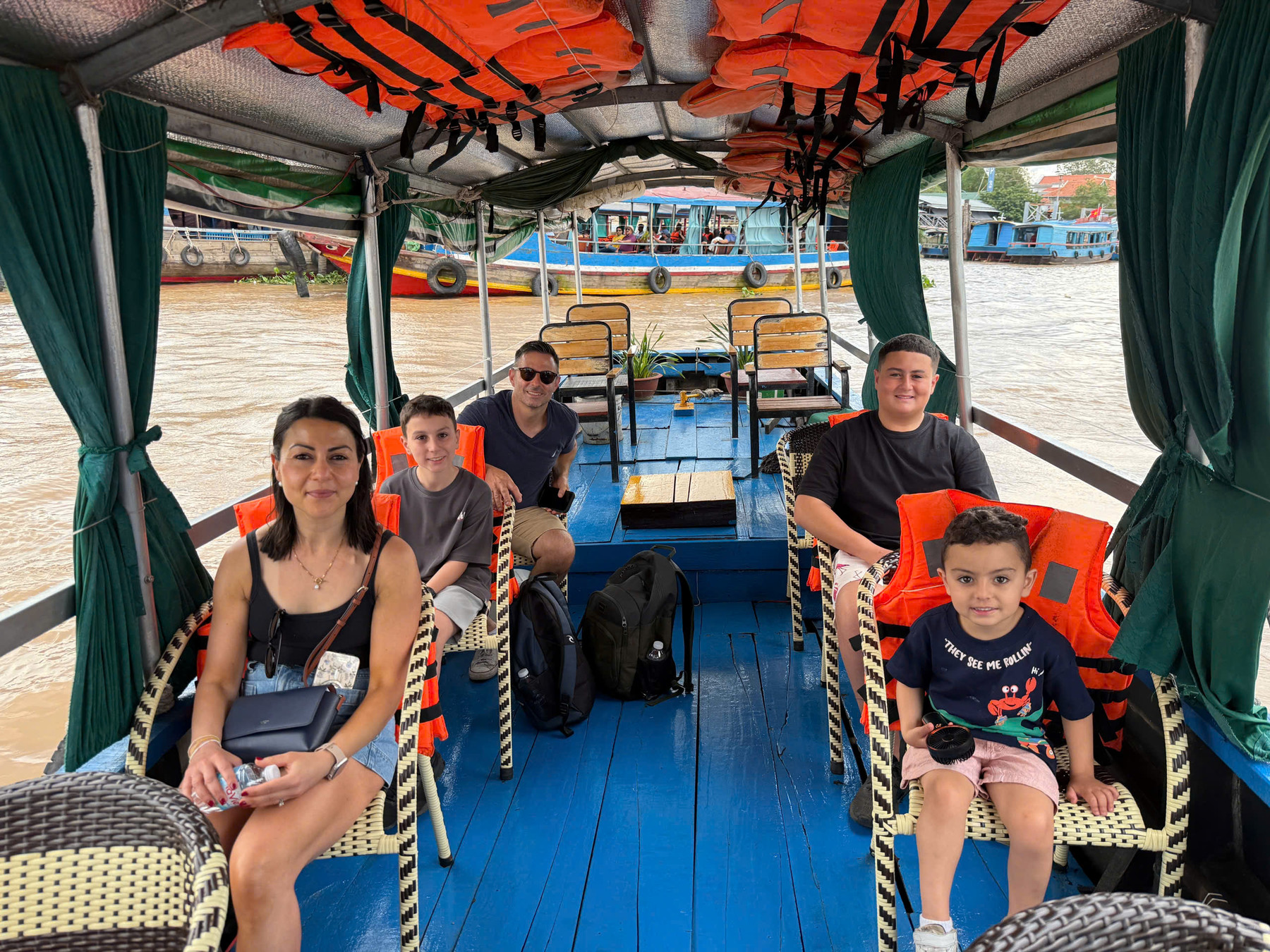
8 hours
$40.50 $45.00
Explore Ho Chi Minh Combos, Day Trips

9 hours
$60.30 $67.00

9 hours
$60.30 $67.00
12 hours
$40.50 $45.00
8 hours
$66.60 $74.00
10 hours
$62.10 $69.00
4 hours
$58.50 $65.00

Saigon Taste Tours team
Welcome to SAIGON TASTE Tours!We’re a team of passionate local guides dedicated to sharing the real Saigon and Vietnam through food, culture, and hidden gems. From bustling street food stalls and historic landmarks to outdoor adventures and peaceful nature escapes, our tours are designed to be authentic and unforgettable. Every experience is private and tailored to you, guided by knowledgeable locals who go above and beyond to make you feel like you’re exploring with a friend. With us, you won’t just visit Vietnam — you’ll truly experience it.We can’t wait to welcome you! Best regards, Ben and the SAIGON TASTE Tours
saigontastetours@gmail.com Click to Connect with Us
Leave a Reply