
The Hidden Building You Need to Discover in Saigon
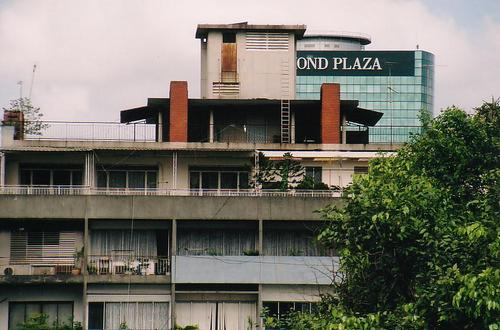
In the history of the Vietnam War, there are places that do not need grand signs or large monuments, yet simply mentioning their names recalls an entire era of turmoil. The building at 22 Ly Tu Trong Street (District 1, Ho Chi Minh City) is one such place.
It is not a museum. It is not a fenced heritage site or an officially curated memorial. Yet this building entered world history because it is closely associated with the final evacuation of Americans from Saigon, just days before April 30, 1975.
Introduction about CIA building
Before 1975, Ly Tu Trong Street was known as Gia Long Street, and this building carried the address 22 Gia Long Street.
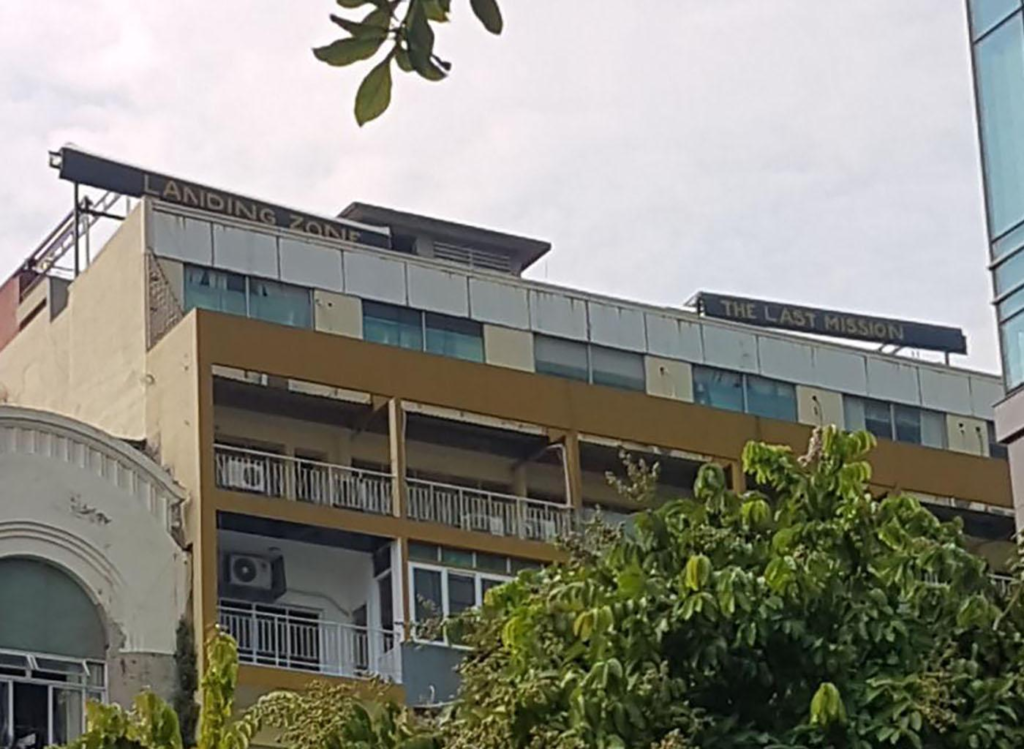
The structure was originally built as a high-rise apartment building for foreigners living and working in Saigon. As the war intensified, the building gradually came to be used by personnel from USAID and some staff connected to the U.S. Central Intelligence Agency (CIA).
Although it was not the official headquarters of the CIA nor the U.S. Embassy, the building functioned as an important gathering and staging point for Americans during the final months of the war.
Context: The Last Days of April 1975
In late April 1975, the military situation in South Vietnam changed rapidly. Defensive lines of the Saigon government collapsed one after another, and Liberation Army forces moved closer to the city center.
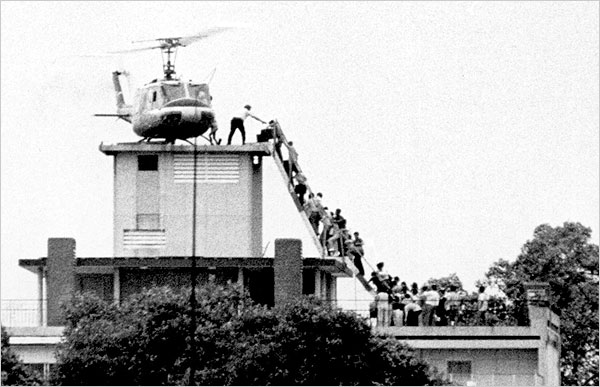
Facing the imminent fall of Saigon, the U.S. government activated an emergency evacuation plan called Operation Frequent Wind—the largest helicopter evacuation operation in history.
During this operation, thousands of American citizens and selected Vietnamese associated with the U.S. were evacuated from Saigon by helicopter from several assembly points across the city. 22 Gia Long was one of the most important of these locations.
April 29, 1975: A Moment That Entered History
On April 29, 1975, helicopters repeatedly flew into central Saigon to evacuate people.
On the rooftop of 22 Gia Long, a temporary landing zone was established. Groups of evacuees lined up, carrying small amounts of luggage, waiting their turn to board helicopters and leave the city.
Amid this chaotic scene, Dutch photojournalist Hubert van Es captured a now-famous photograph showing a helicopter landing on the rooftop, with people climbing a narrow stairway below.
The image quickly spread around the world and became a global symbol of the end of the Vietnam War.
A Historical Misunderstanding That Lasted for Decades
For many years, much of the public believed the photograph was taken on the roof of the U.S. Embassy in Saigon.
In reality, it was taken on the rooftop of 22 Gia Long Street—today known as 22 Ly Tu Trong.
This long-standing confusion has made 22 Ly Tu Trong a kind of “silent witness”: globally famous, yet often unnamed and misunderstood.
After April 30, 1975: A New Chapter for the Building
After the war ended, Gia Long Street was renamed Ly Tu Trong Street.
The building continued to be used for various civilian purposes. There were no more helicopters, no soldiers, and no evacuation scenes. Urban life gradually surrounded and “covered” the visible traces of war.
However, the basic structure of the building—especially the rooftop—still remains, serving as a physical reminder of history.
The Historical Significance of 22 Ly Tu Trong
The value of this building does not lie in its architecture or scale, but in the historical moments it witnessed:
- A site marking the final presence of Americans in central Saigon
- A location connected to one of the most iconic images of the end of the war
- One of the last key points of Operation Frequent Wind
For these reasons, 22 Ly Tu Trong has become part of the collective memory—not only of Vietnam, but of the world.
Conclusion
Amid the energy and movement of District 1, the building at 22 Ly Tu Trong still stands quietly and modestly. There are no large signs, no ticket booths, and no crowds of visitors, yet its historical value is undeniable.
This is not simply an old building.
It is a place that marks the final hours of a war that lasted more than two decades, and a symbol of the moment when Saigon turned to a new page in history.
If one day you pass by 22 Ly Tu Trong, slow down for a moment. You may be standing in front of one of the most important sites of the 20th century.
Adventure Saigon: 4-Hour Tours
4 hours
$58.50 $65.00
4 hours
$33.25 $35.00

4 hours
$33.25 $35.00
4 hours
$33.25 $35.00
4 hours
$30.40 $32.00
4 hours
$46.55 $49.00

4 hours
$29.45 $31.00
Explore Cu Chi Tunnels with Saigon Taste Tours team

5 hours
$53.10 $59.00
12 hours
$40.50 $45.00
8 hours
$66.60 $74.00
7.5 hours
$31.50 $35.00
6.5 hours
$31.50 $35.00
Explore Mekong Delta Adventures
5 hours
$53.10 $59.00
9 hours
$53.10 $59.00
9 hours
$58.50 $65.00

10 hours
$62.10 $69.00
48 hours
$532.80 $592.00
8 hours
$40.50 $45.00
Explore Ho Chi Minh Combos, Day Trips

9 hours
$60.30 $67.00

9 hours
$60.30 $67.00
12 hours
$40.50 $45.00
8 hours
$66.60 $74.00
10 hours
$62.10 $69.00
4 hours
$58.50 $65.00


Saigon Taste Tours team
Welcome to SAIGON TASTE Tours!We’re a team of passionate local guides dedicated to sharing the real Saigon and Vietnam through food, culture, and hidden gems. From bustling street food stalls and historic landmarks to outdoor adventures and peaceful nature escapes, our tours are designed to be authentic and unforgettable. Every experience is private and tailored to you, guided by knowledgeable locals who go above and beyond to make you feel like you’re exploring with a friend. With us, you won’t just visit Vietnam — you’ll truly experience it.We can’t wait to welcome you! Best regards, Ben and the SAIGON TASTE Tours
saigontastetours@gmail.com Click to Connect with Us
Leave a Reply