Why Vietnam Should Be Your Next Destination: A Complete Travel Guide to Culture, Food, and Value
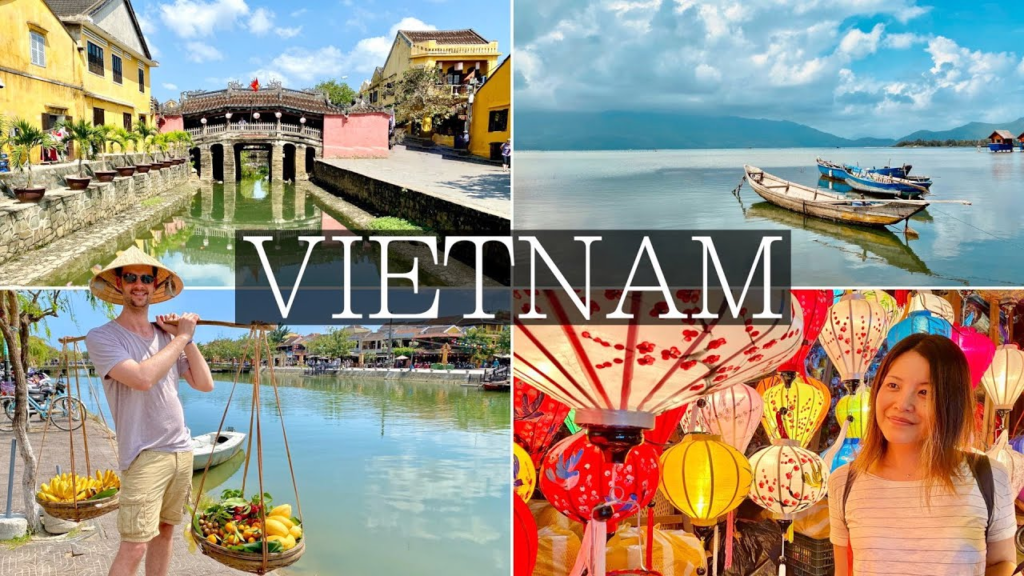
Vietnam is a country of striking contrasts, deep cultural roots, and unforgettable culinary experiences. From dramatic natural landscapes to vibrant cities and warm local connections, Vietnam offers travelers a rich journey that feels both authentic and accessible.
If you are searching for a destination that combines beauty, history, affordability, and genuine hospitality, Vietnam deserves a place at the top of your travel list.
Let’s explore why with SAIGON TASTE Tours!
A Land of Contrasts
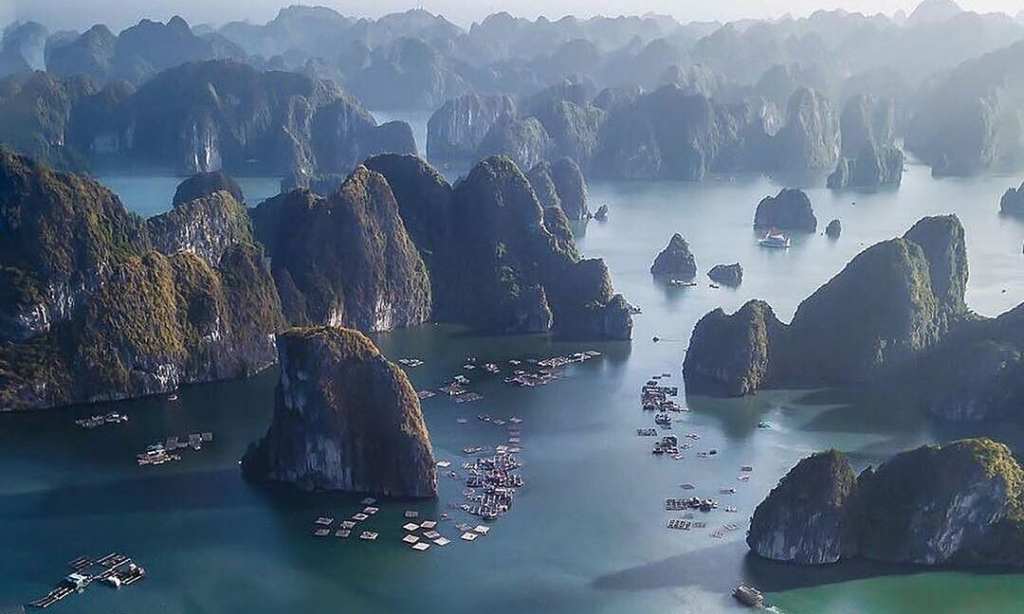
Few countries offer such remarkable diversity within a relatively compact area. In the north, the limestone pillars of Ha Long Bay rise from emerald waters, creating one of the most iconic seascapes in Asia. This UNESCO-listed site is best explored by overnight cruise, where visitors can kayak through hidden lagoons, visit floating fishing villages, and watch sunrise over the misty karsts.
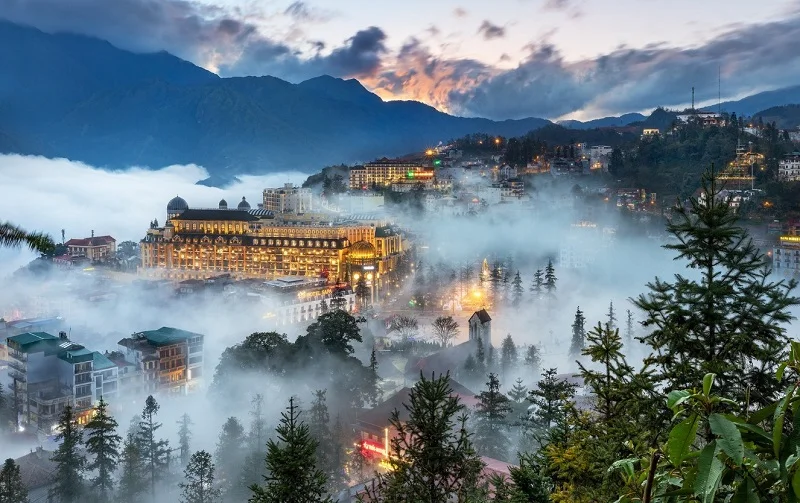
Further inland, the terraced rice fields of Sapa flow down mountainsides like green stairways carved into the earth. Home to several ethnic minority communities, Sapa offers trekking routes through remote villages, traditional markets, and opportunities to experience local homestays surrounded by dramatic mountain scenery.
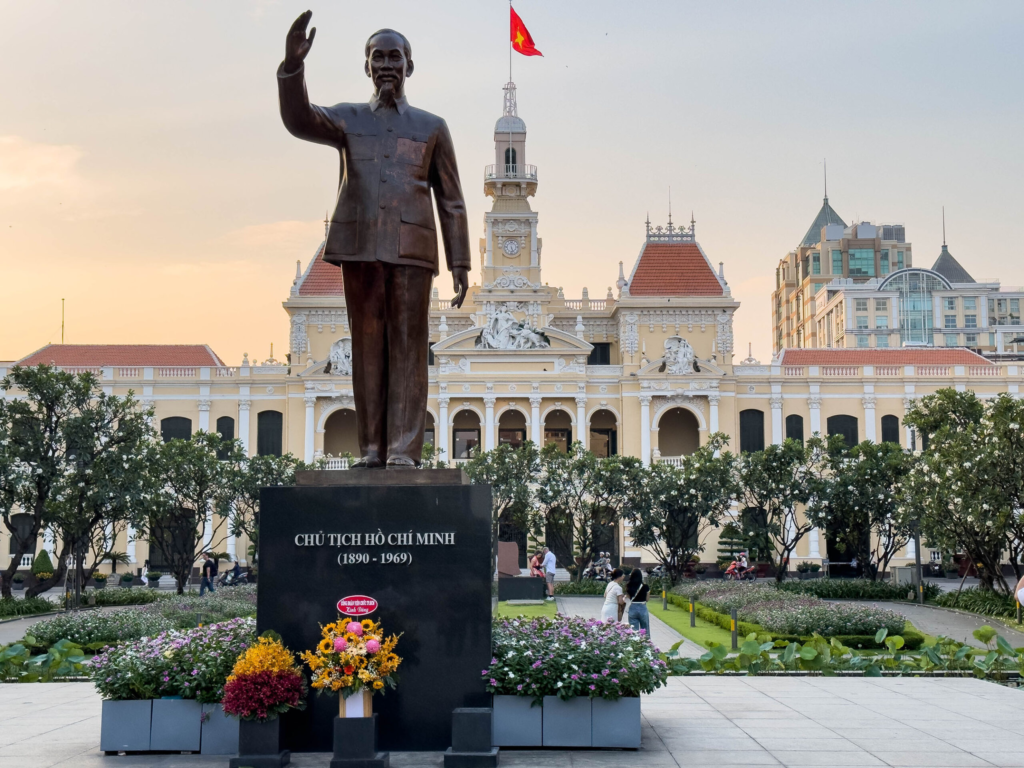
Meanwhile, in the south, modern skyscrapers tower above historic streets in Ho Chi Minh City, Vietnam’s economic hub and most energetic metropolis. Here, visitors can explore French colonial landmarks, war museums, rooftop cafés, and vibrant street food districts, all within the same urban landscape.
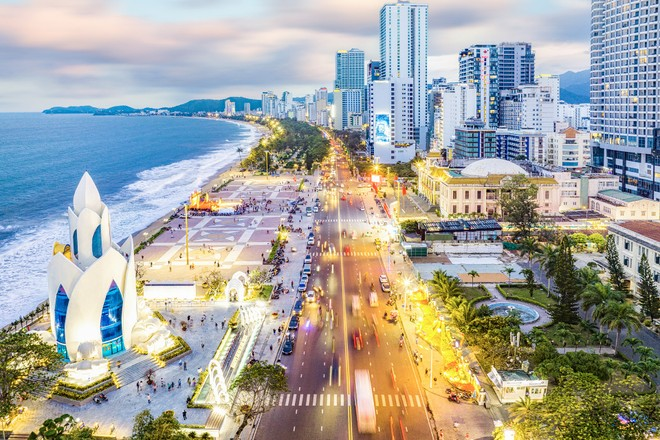
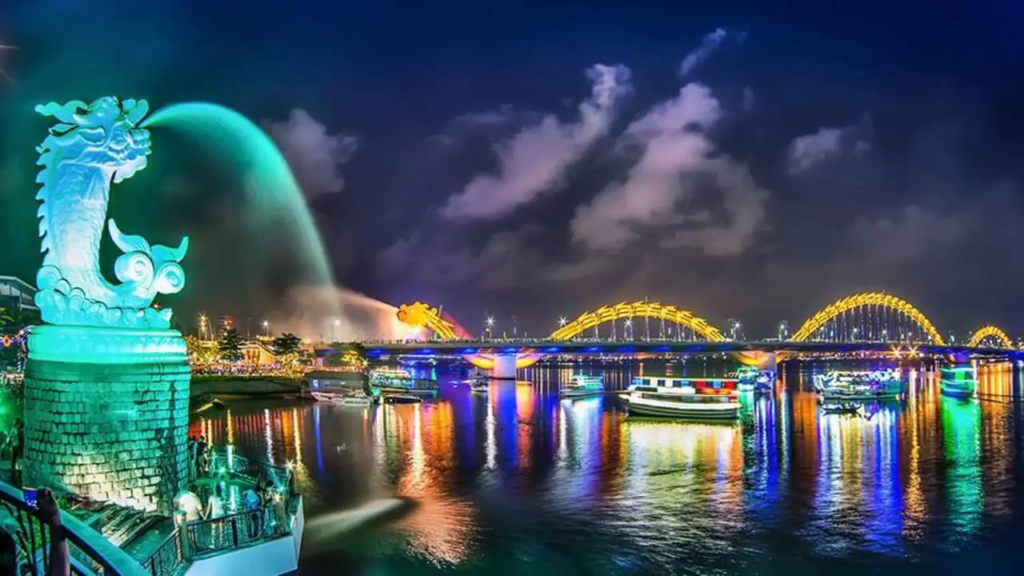
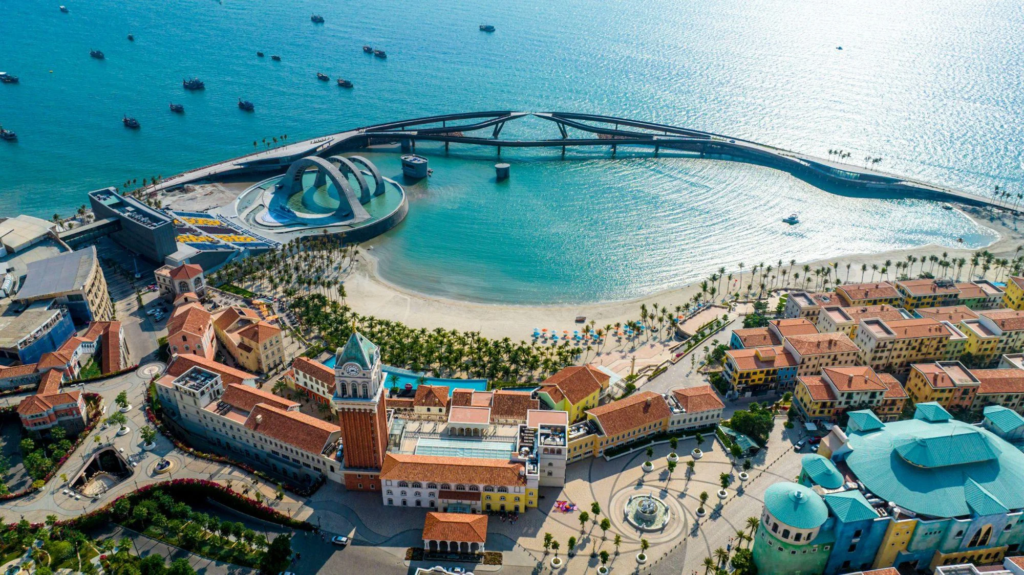
Stretching along more than 2,000 miles of coastline, Vietnam also offers pristine beaches, quiet fishing villages, and lively seaside resorts such as Da Nang, Nha Trang, and Phu Quoc. With eight UNESCO World Heritage Sites, the country delivers an extraordinary concentration of natural and cultural wonders in one easy-to-navigate destination.
Rich History and Culture
Vietnam’s history stretches back more than 4,000 years, shaping a cultural identity influenced by ancient dynasties, foreign contact, and rapid modern change. Across the country, historic landmarks reveal different layers of this past.
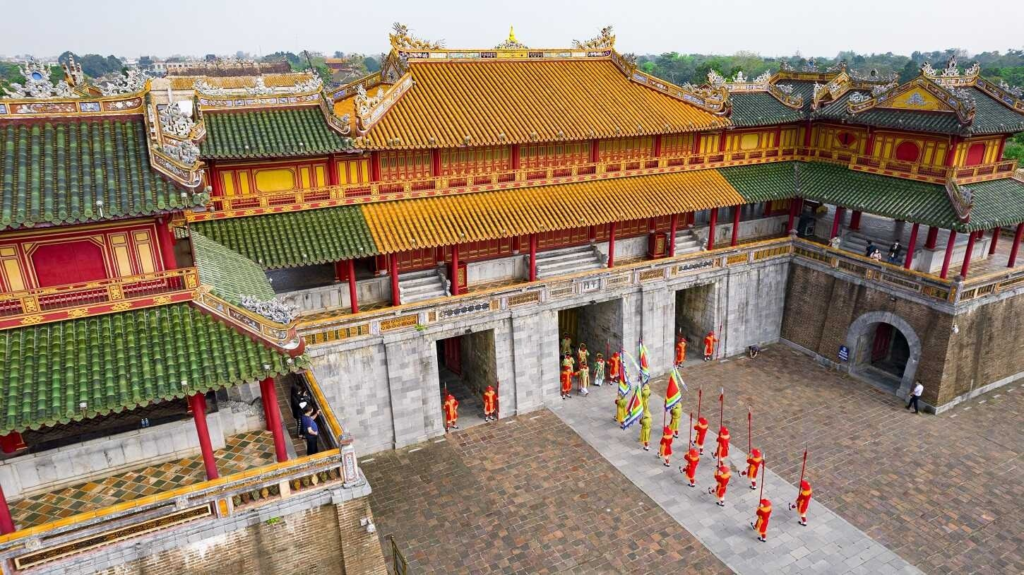
In central Vietnam, the former imperial capital of Hue is home to the Imperial City of Hue, where the Nguyen emperors once ruled. In the north, Hanoi’s Temple of Literature reflects Vietnam’s long scholarly tradition and early education system.
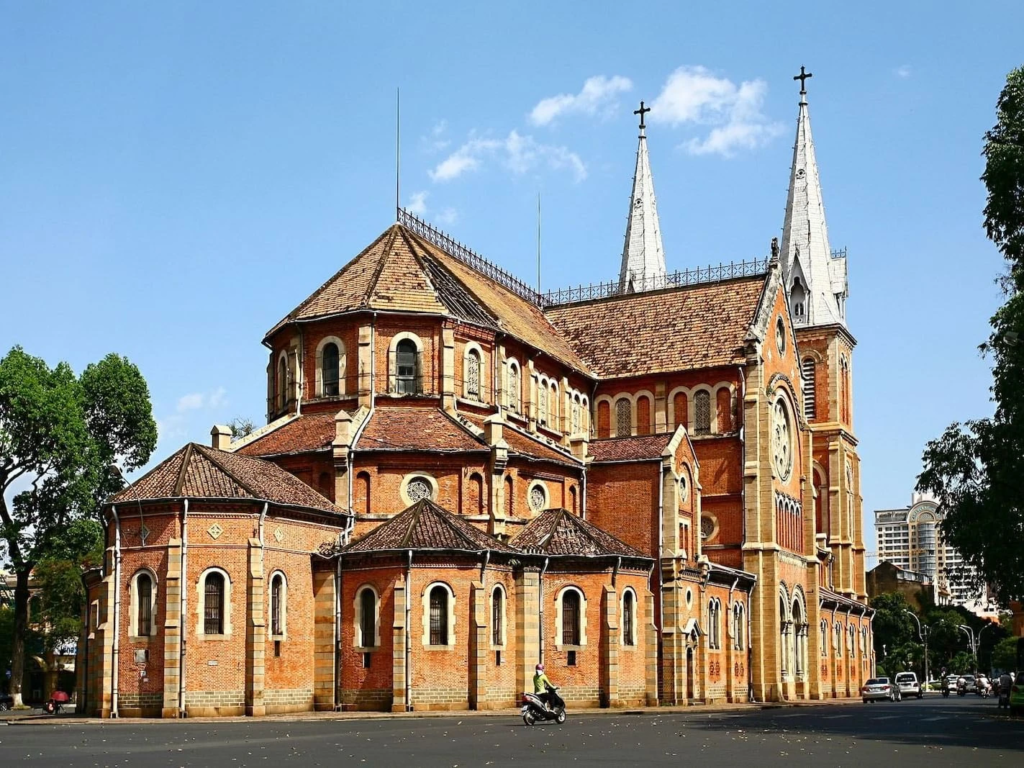
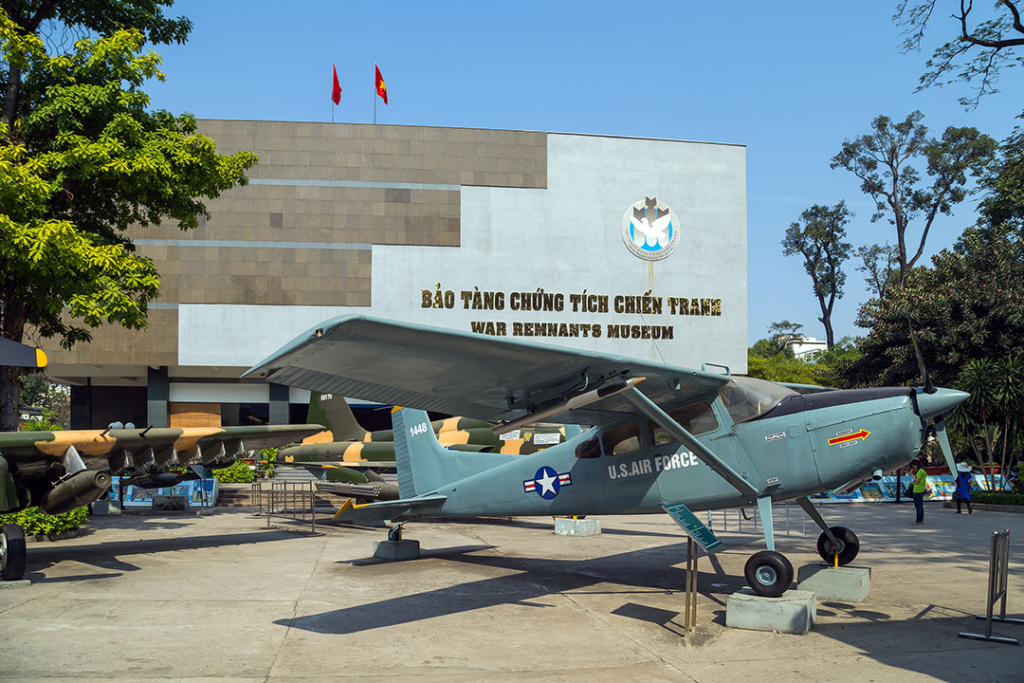
French colonial influence remains visible in many cities. Buildings such as the Saigon Notre-Dame Cathedral stand beside modern offices and cafés, illustrating how European architecture blended into Vietnamese urban life. Meanwhile, museums like the War Remnants Museum in Ho Chi Minh City help visitors understand the conflicts that shaped the nation’s modern identity.
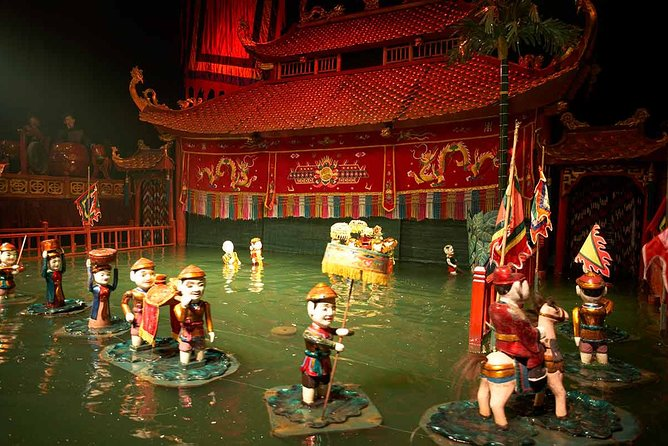
Traditional arts continue to thrive rather than fade. In Hanoi, water puppet performances at venues like the Thang Long Water Puppet Theatre introduce audiences to folk stories rooted in rice-farming culture. Religion also remains an important part of daily life. Visitors can see this diversity at places such as the colorful Cao Dai Temple, where multiple spiritual traditions blend into a uniquely Vietnamese belief system.
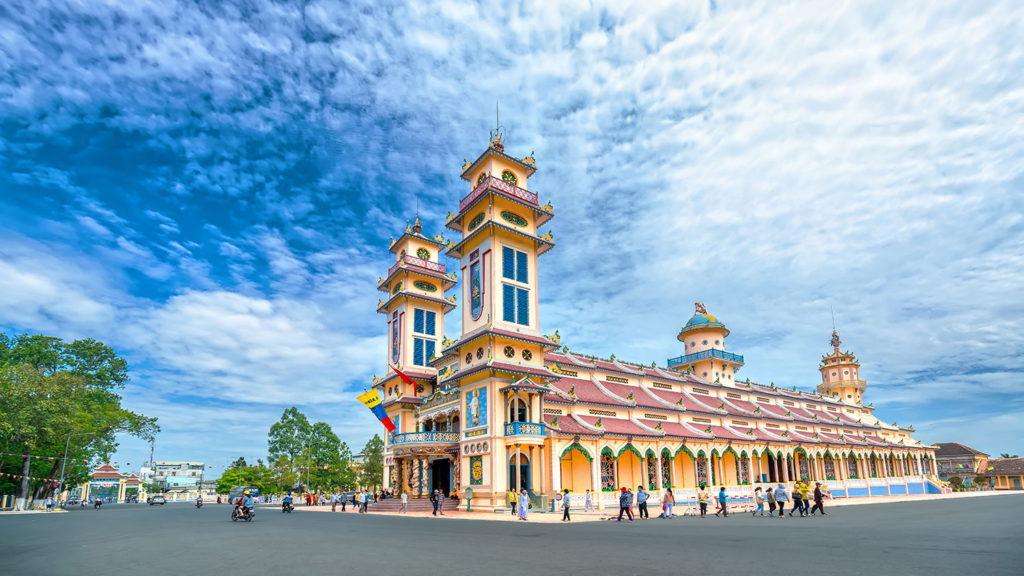
Today, Vietnam presents its past not as a frozen memory but as a living heritage. Historic temples, colonial streets, and modern skylines exist side by side, allowing travelers to experience a culture that continues to evolve while staying deeply connected to its roots.
Delicious Cuisine
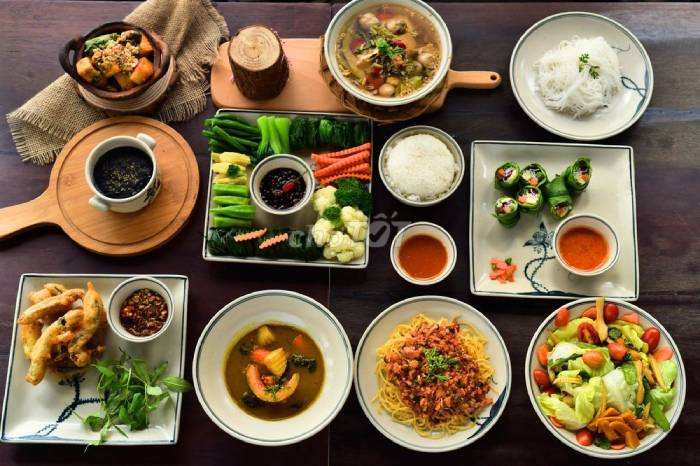
Vietnamese cuisine is widely regarded as one of the healthiest and most balanced in the world, thanks to its focus on fresh ingredients, light cooking methods, and natural flavors. Meals typically combine herbs, vegetables, rice, and protein in a way that feels both satisfying and refreshing rather than heavy.
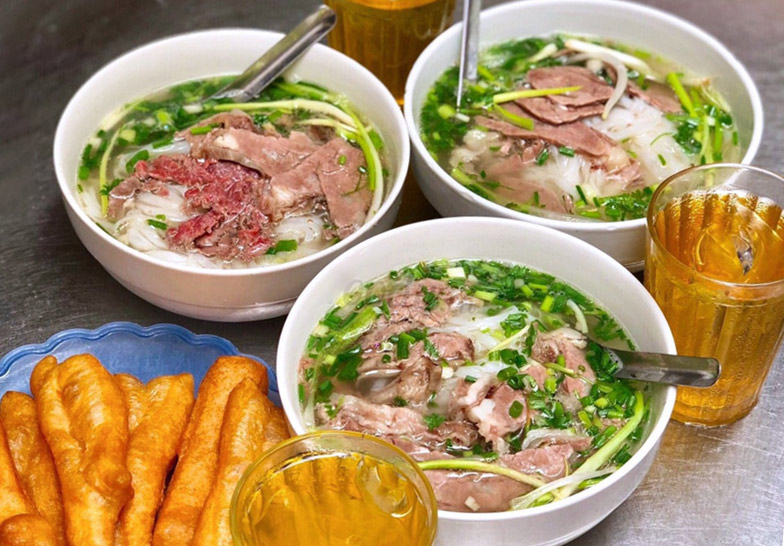
In the capital, Hanoi, a steaming bowl of pho reflects the essence of northern cuisine. The broth is simmered for hours with bones and spices, then served with rice noodles, sliced meat, and fragrant herbs. Morning pho stalls are part of daily life, offering visitors an authentic look at local routines.
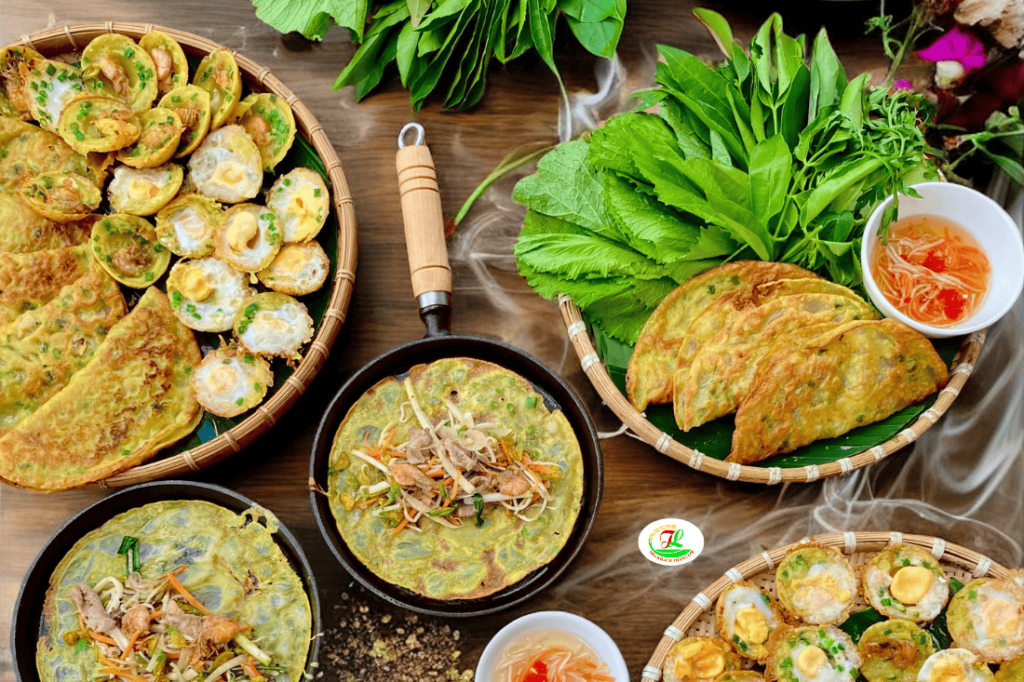
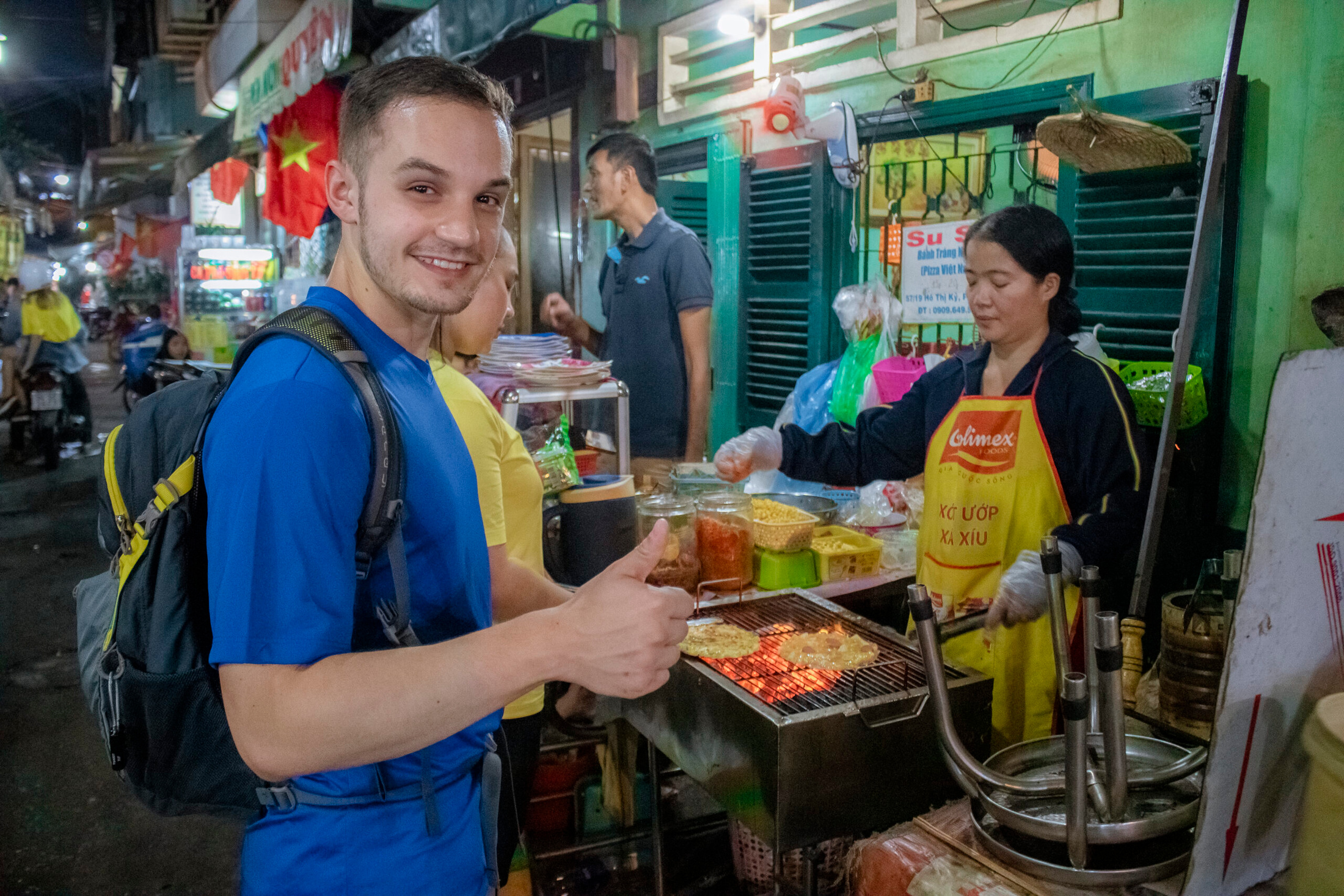
In central Vietnam, travelers can try crispy banh xeo pancakes in Hoi An, a historic trading port known for its lantern-lit streets and strong food traditions. Here, the dish is often filled with shrimp, pork, and bean sprouts, then wrapped in fresh greens and dipped in tangy fish sauce, showing the region’s love for bold yet balanced flavors.
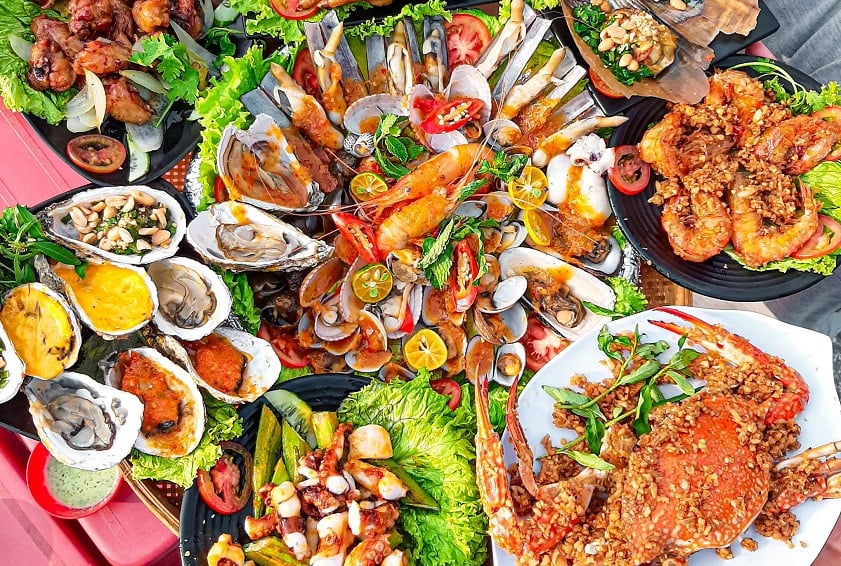
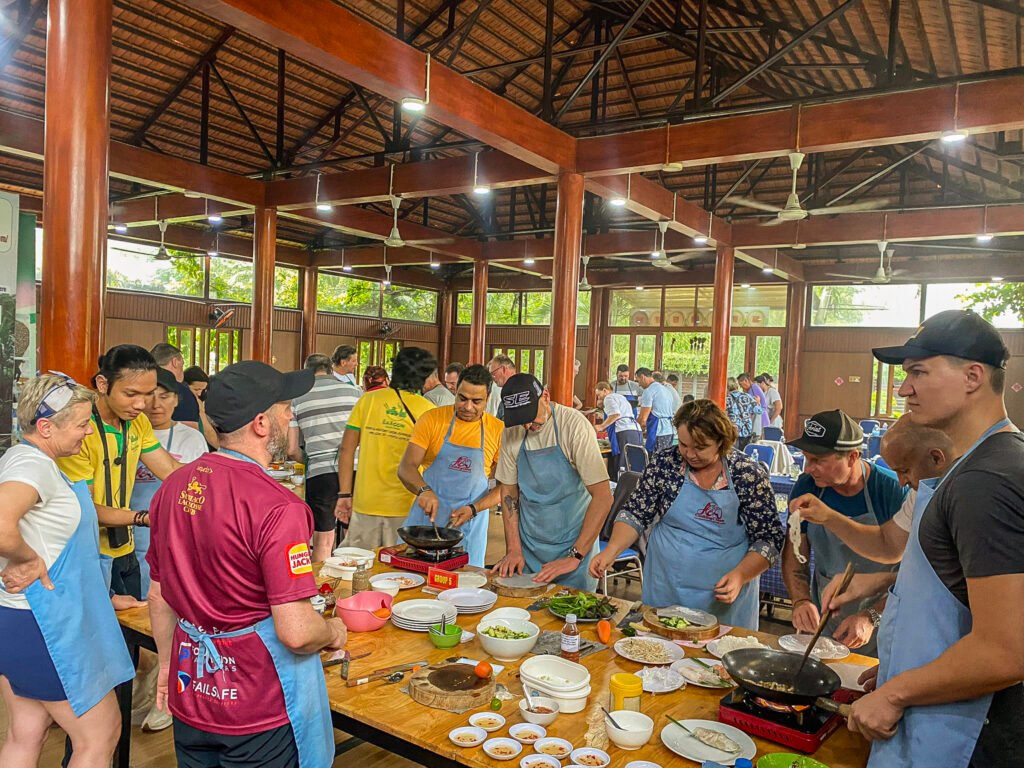
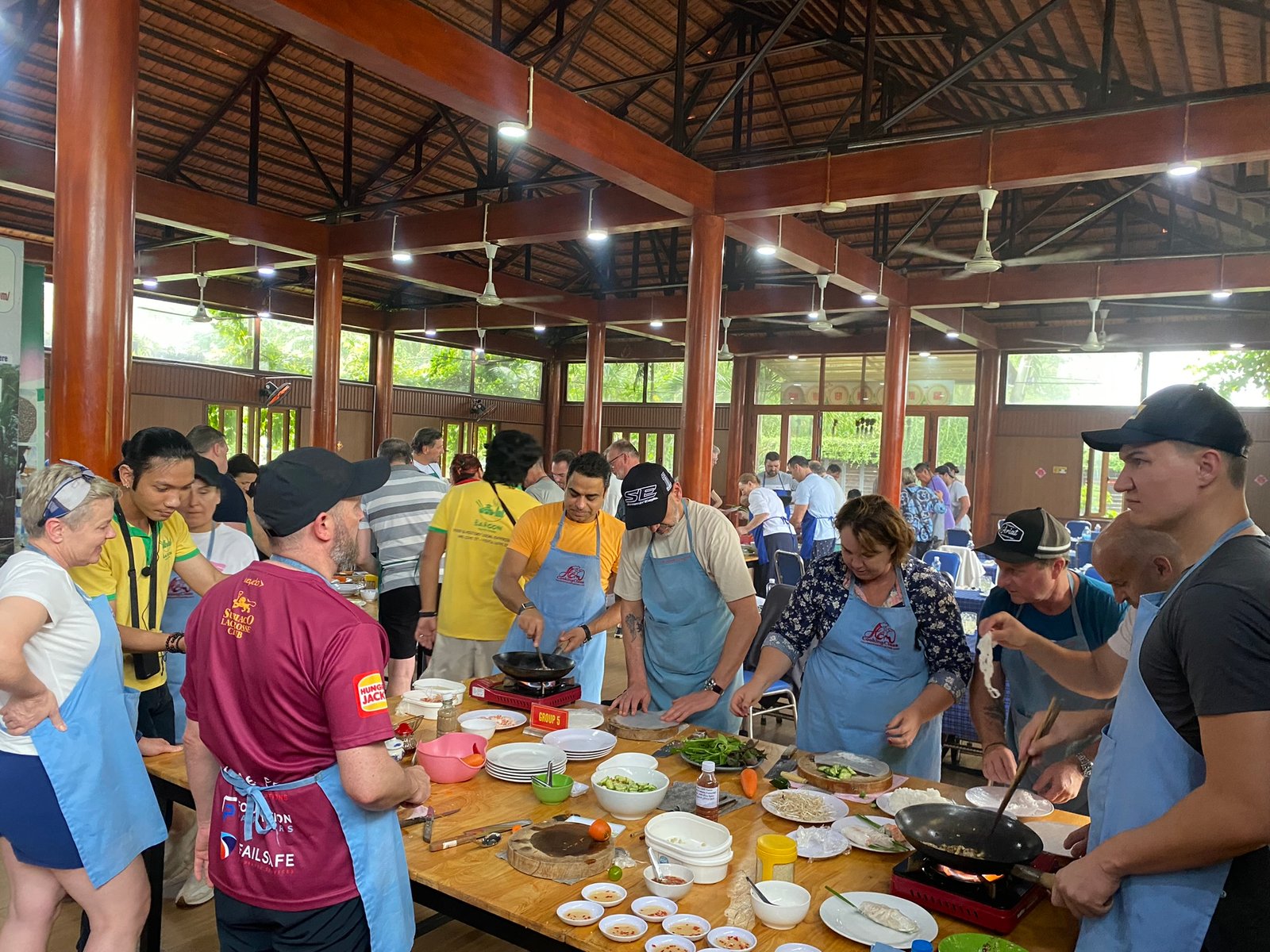
Along Vietnam’s long coastline, seafood plays a central role in the local diet. From grilled squid and clams to hot pots filled with fresh fish, coastal towns showcase ingredients brought straight from the sea each morning. Across the country, cooking classes in cities and rural areas alike give visitors the chance to learn traditional recipes, market selection skills, and basic preparation techniques they can recreate at home.
Vegetarians and vegans also find Vietnam especially welcoming. Many Buddhist food traditions rely on tofu, mushrooms, herbs, and seasonal vegetables, making plant-based dining easy and affordable. Even classic dishes often have vegetarian versions, allowing travelers to experience authentic flavors without compromise.
Affordable Adventure
One of the strongest reasons to visit Vietnam is the exceptional value it offers for travelers. Compared with many Western destinations or even neighboring Asian countries, visitors can enjoy a high level of comfort, food quality, and experiences at a much lower cost.
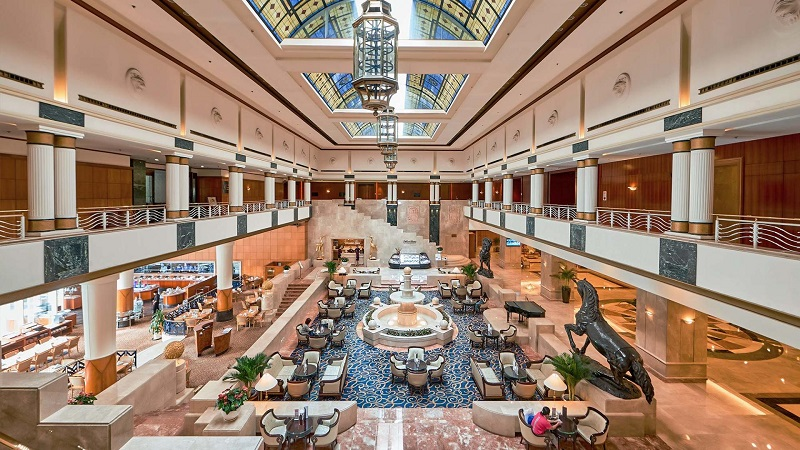
Accommodation options range widely, from stylish boutique hotels and beachfront resorts to clean, modern hostels. Even four-star hotels in major cities often cost less than a standard room in Europe or North America. Food is another highlight: a flavorful street-side breakfast may cost just a few dollars, while a full restaurant meal with seafood or regional specialties remains affordable.
Transportation is both extensive and budget-friendly. Domestic flights connect major cities quickly, overnight trains offer scenic journeys between regions, and buses reach even smaller towns. Ride-hailing apps and taxis make getting around cities convenient and inexpensive.

Activities also provide excellent value. Travelers can join cooking classes in historic towns, take guided walking tours through old quarters, cruise among limestone islands, or explore local markets without overspending. This affordability allows visitors to experience more of the country in a single trip.
Whether traveling on a tight backpacker budget, planning a comfortable family holiday, or seeking a luxury escape, Vietnam makes it possible to travel well without spending excessively — one of the key reasons it continues to attract visitors from around the world.
Warm Hospitality
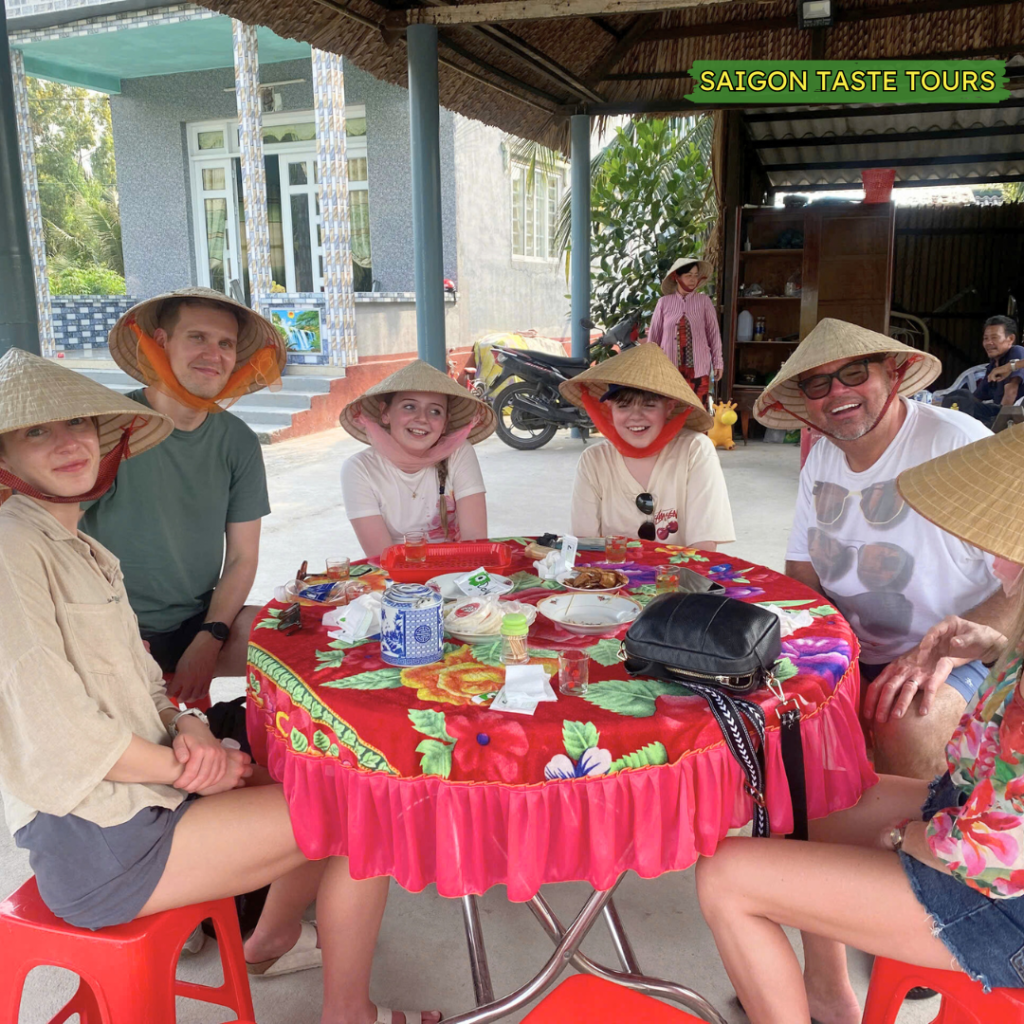
Beyond scenery and cuisine, what truly defines Vietnam is its people and the everyday culture of hospitality that visitors quickly notice. Travelers often experience small but memorable gestures — a café owner inviting them to sit and share tea, a street vendor patiently explaining a dish, or locals offering directions even when language is limited.
This openness makes Vietnam particularly friendly for solo travelers, who often report feeling safe and supported, and for families, who find locals especially welcoming toward children. In many rural areas, it is common to be greeted with smiles or curious waves, reflecting a culture where community interaction remains strong.
Learning a few simple phrases such as “xin chào” (hello) or “cảm ơn” (thank you) can transform encounters, often leading to warmer conversations or helpful travel tips from locals. Hospitality in Vietnam is less about formal service and more about genuine human connection. As a result, many travelers leave not only with photos of landscapes and food, but with lasting memories of kindness and personal encounters that define their journey.
Conclusion
Vietnam is more than a destination; it is an experience shaped by contrasts, history, flavor, and human connection. It offers natural beauty, cultural depth, and travel value rarely found in one country. For travelers seeking authenticity without sacrificing comfort, Vietnam stands out as one of Southeast Asia’s most rewarding journeys. And once you arrive, you may discover that one visit is never enough.
Join us to explore Vietnam through real local stories with SAIGON TASTE Tours. Travel deeper not just farther.
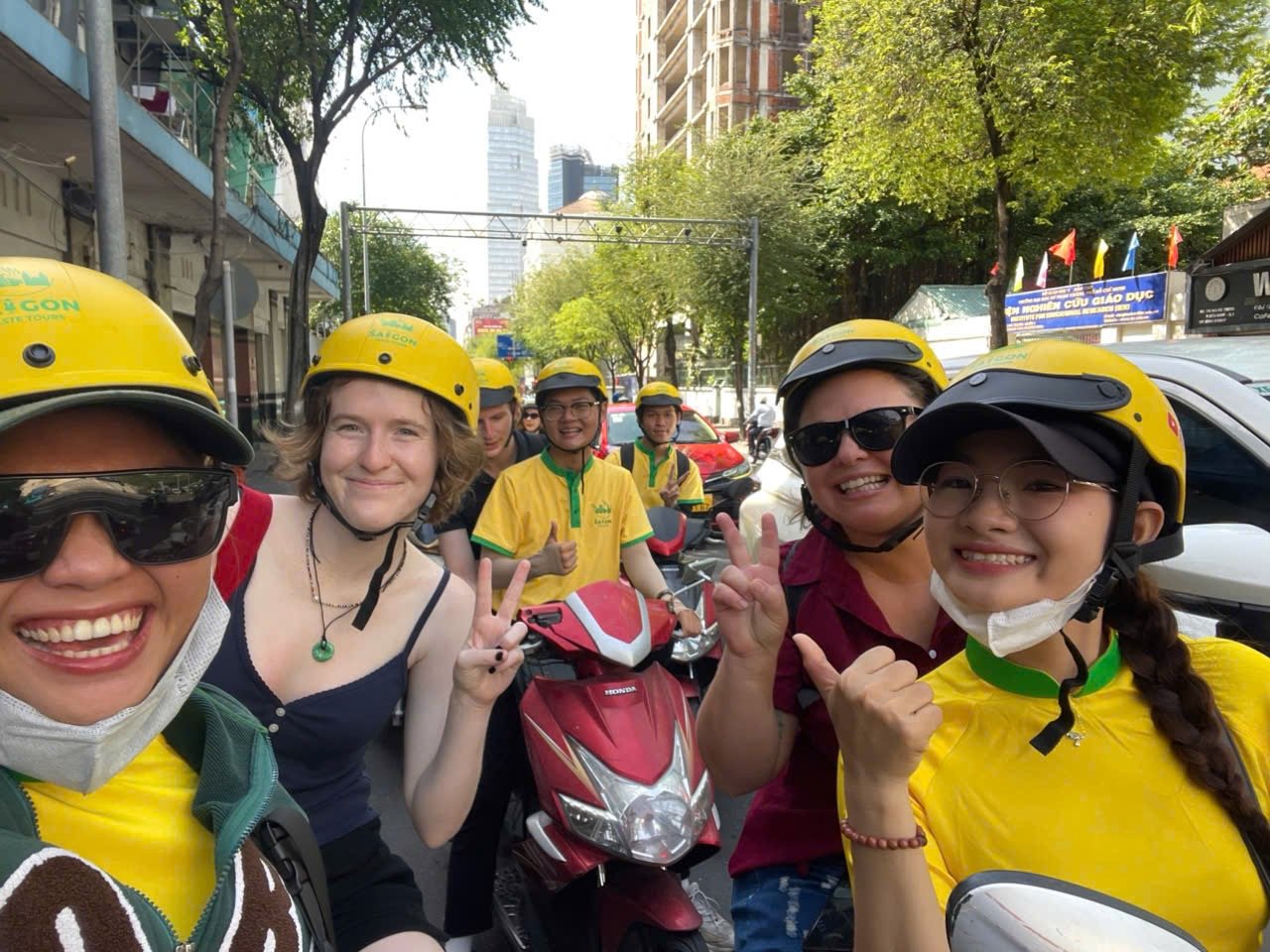
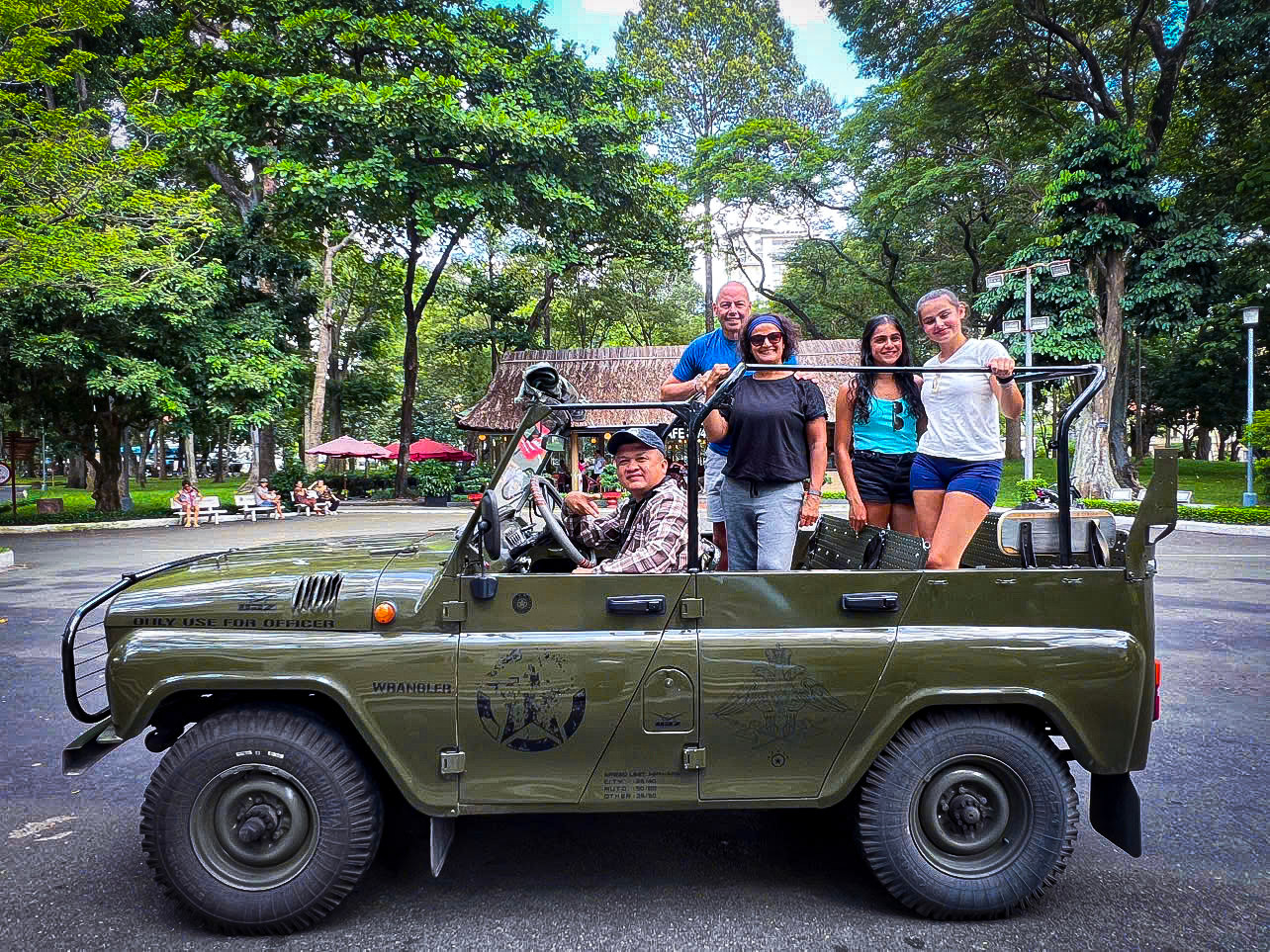
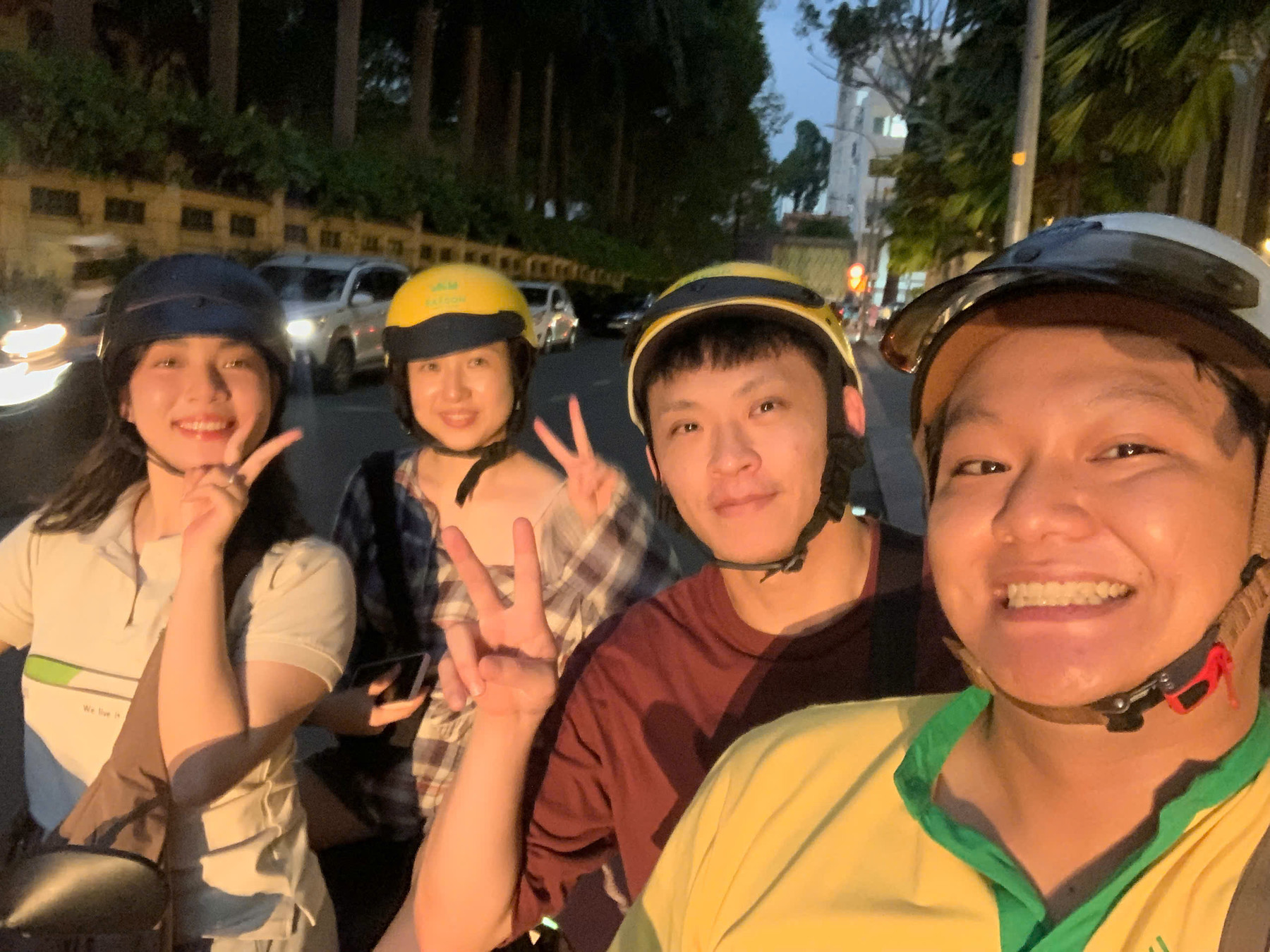
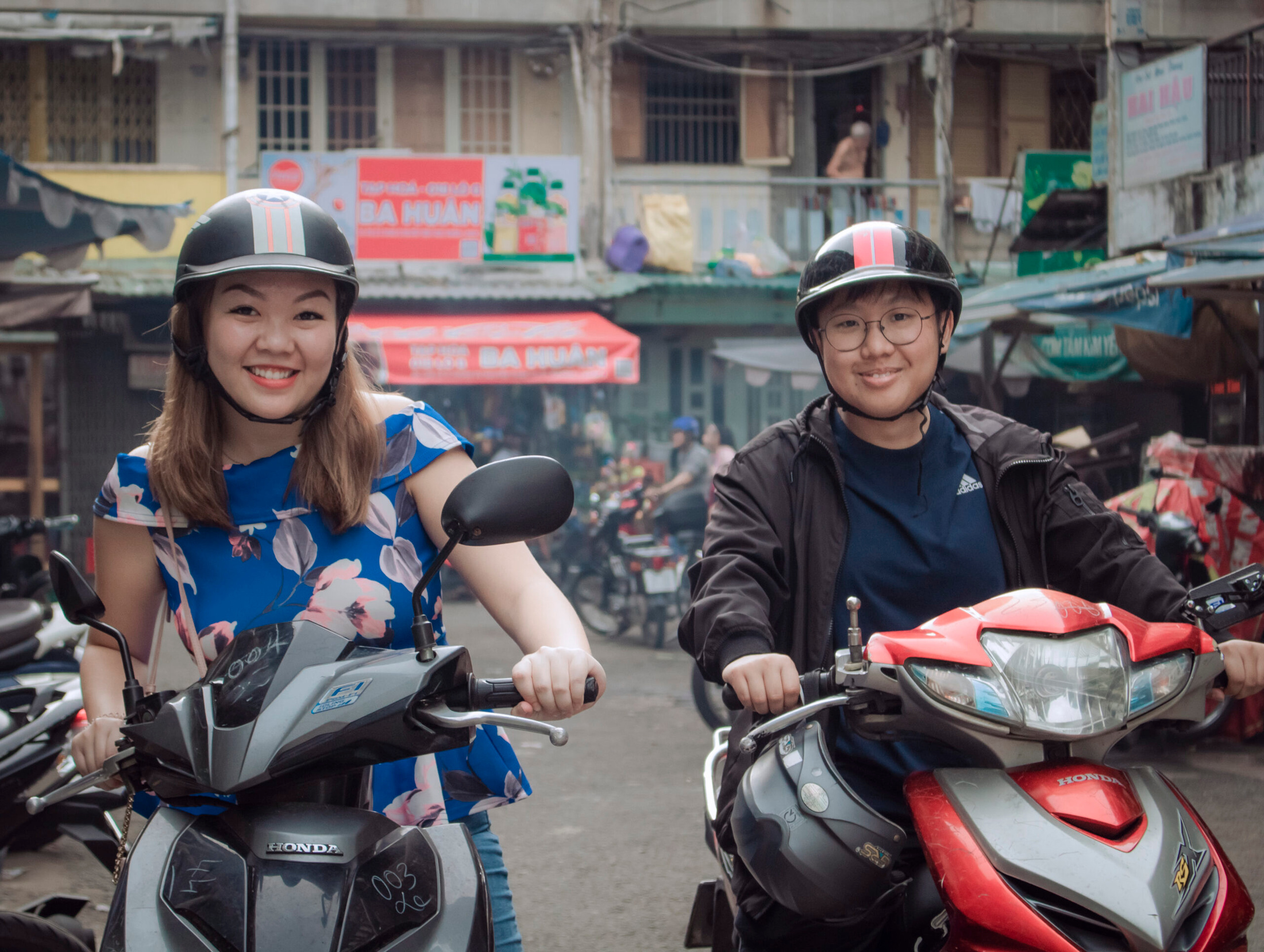
Explore Adventure Saigon: 4-Hour Tours with Saigon Taste Tours team
4 hours
$58.50 $65.00
4 hours
$33.25 $35.00

4 hours
$33.25 $35.00
4 hours
$33.25 $35.00
4 hours
$30.40 $32.00
4 hours
$46.55 $49.00

4 hours
$29.45 $31.00
Explore Cu Chi Tunnels

5 hours
$53.10 $59.00
12 hours
$40.50 $45.00
8 hours
$66.60 $74.00
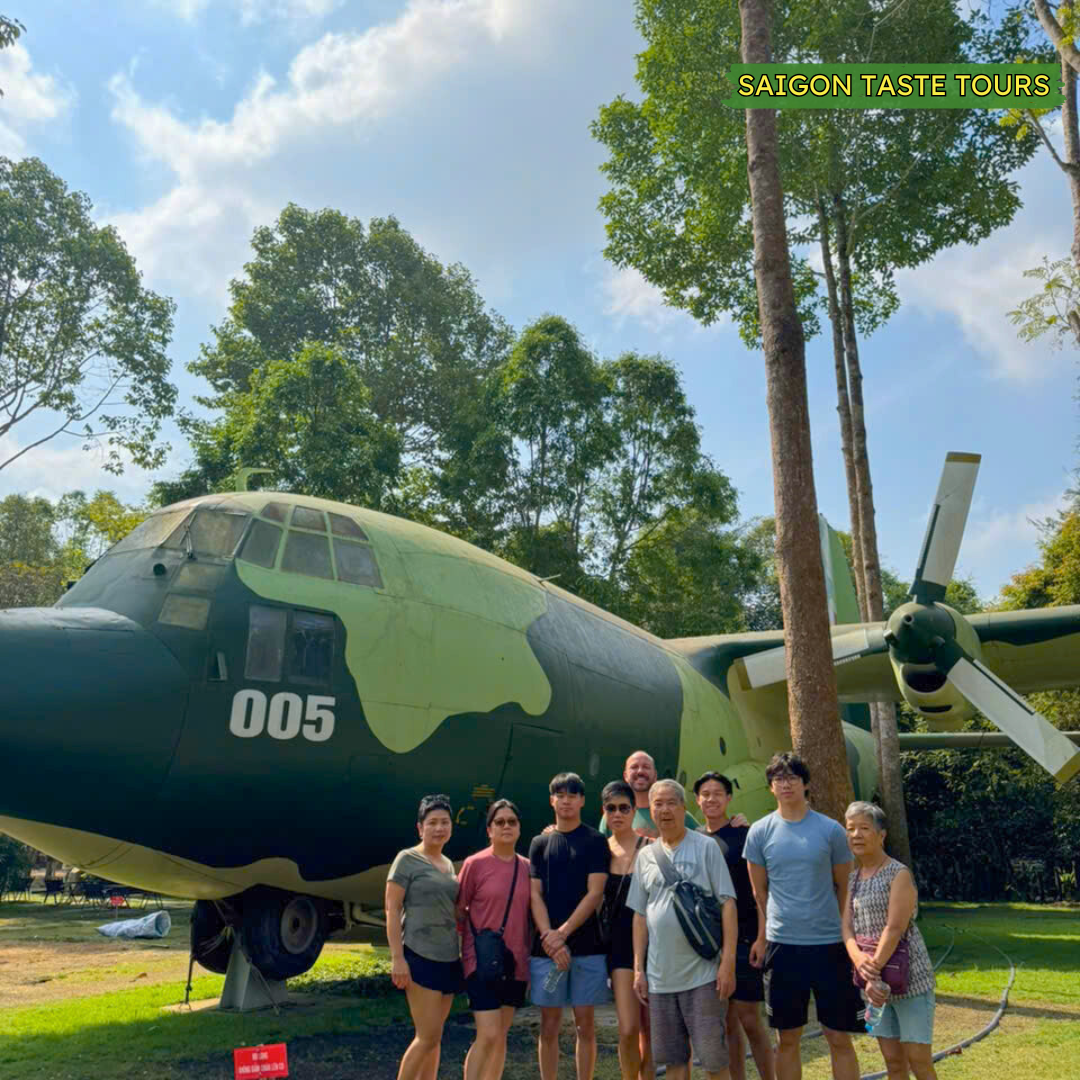
7.5 hours
$31.50 $35.00

6.5 hours
$31.50 $35.00
Explore Mekong Delta Adventures
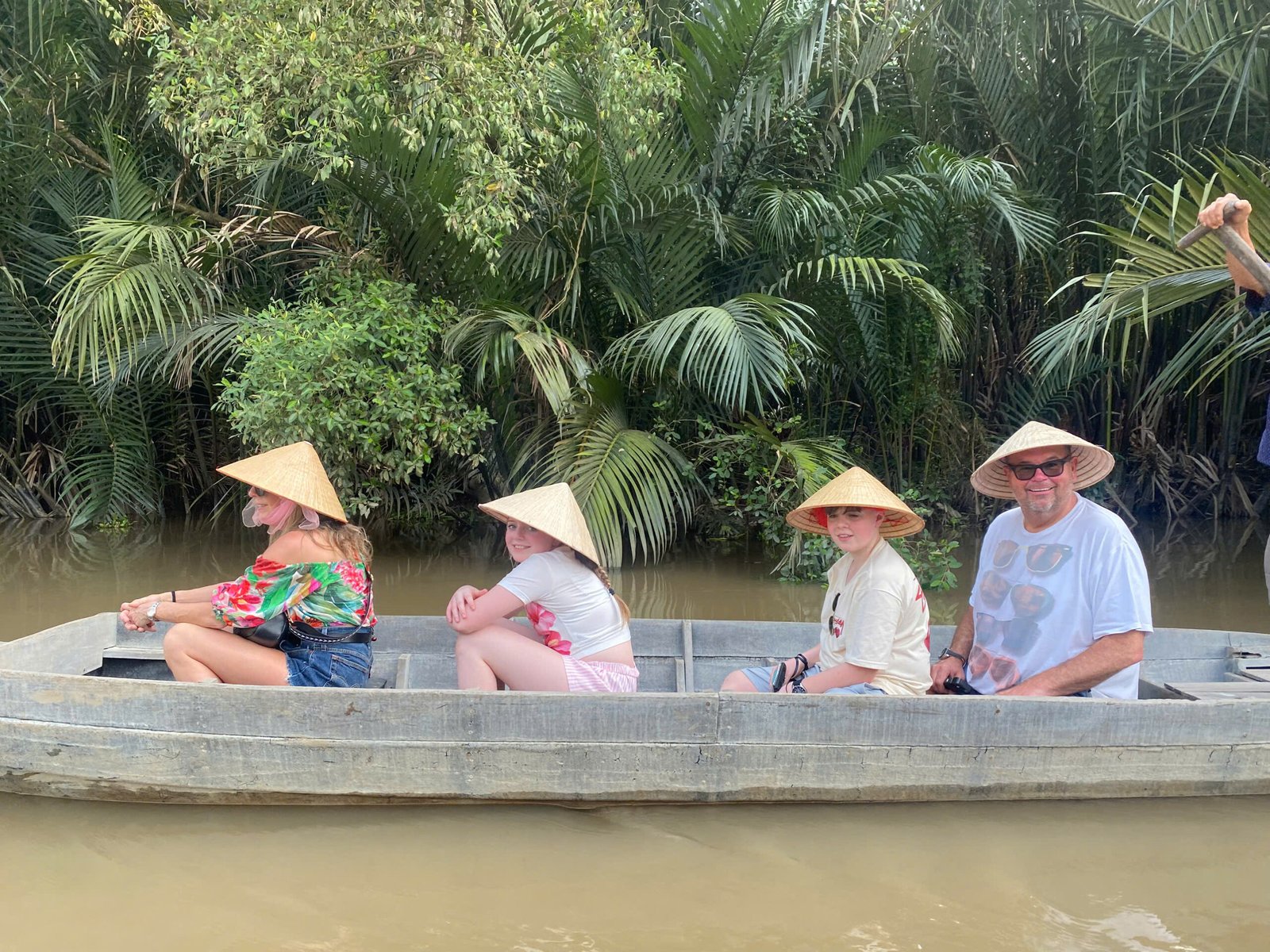
5 hours
$53.10 $59.00
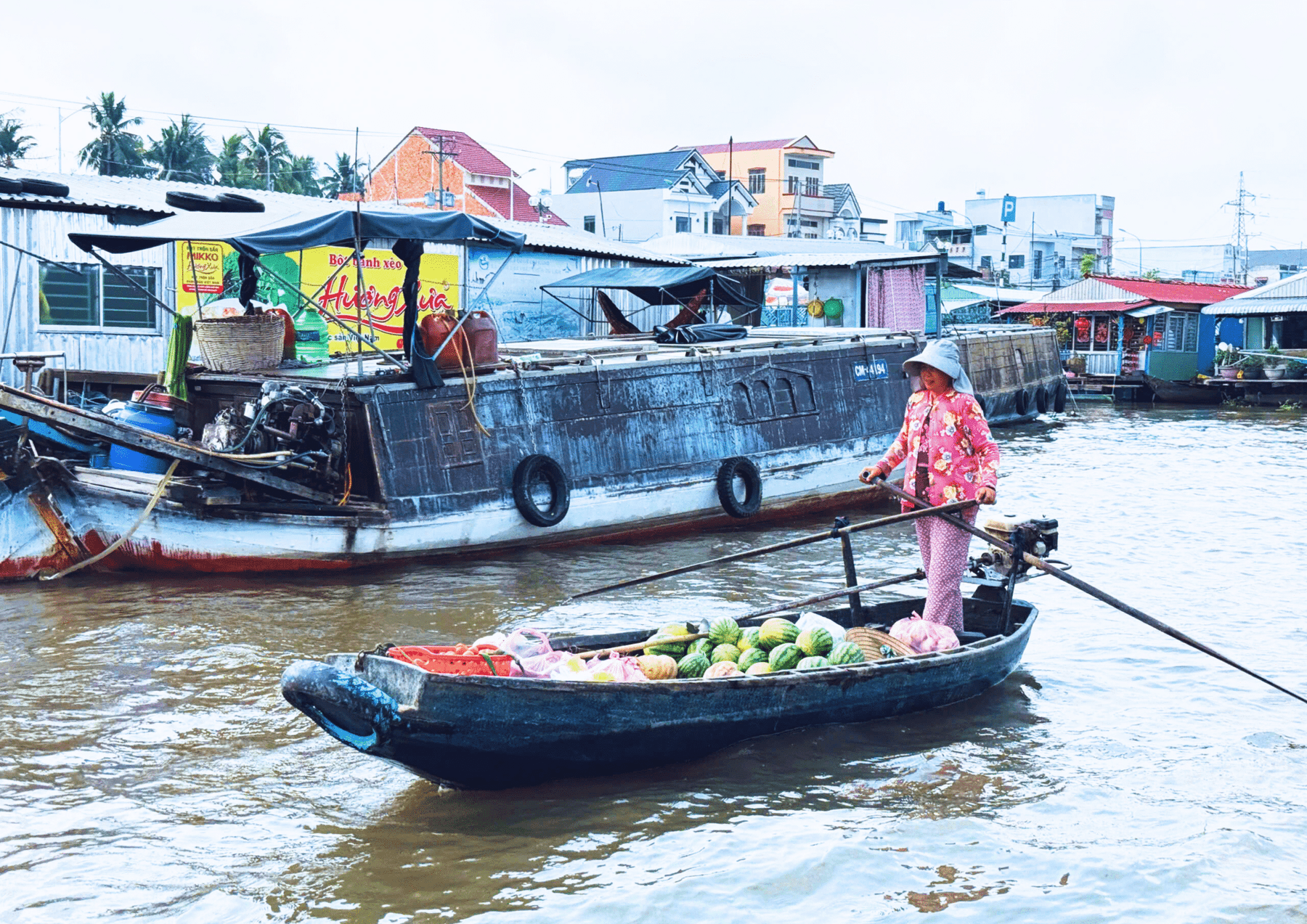
9 hours
$53.10 $59.00
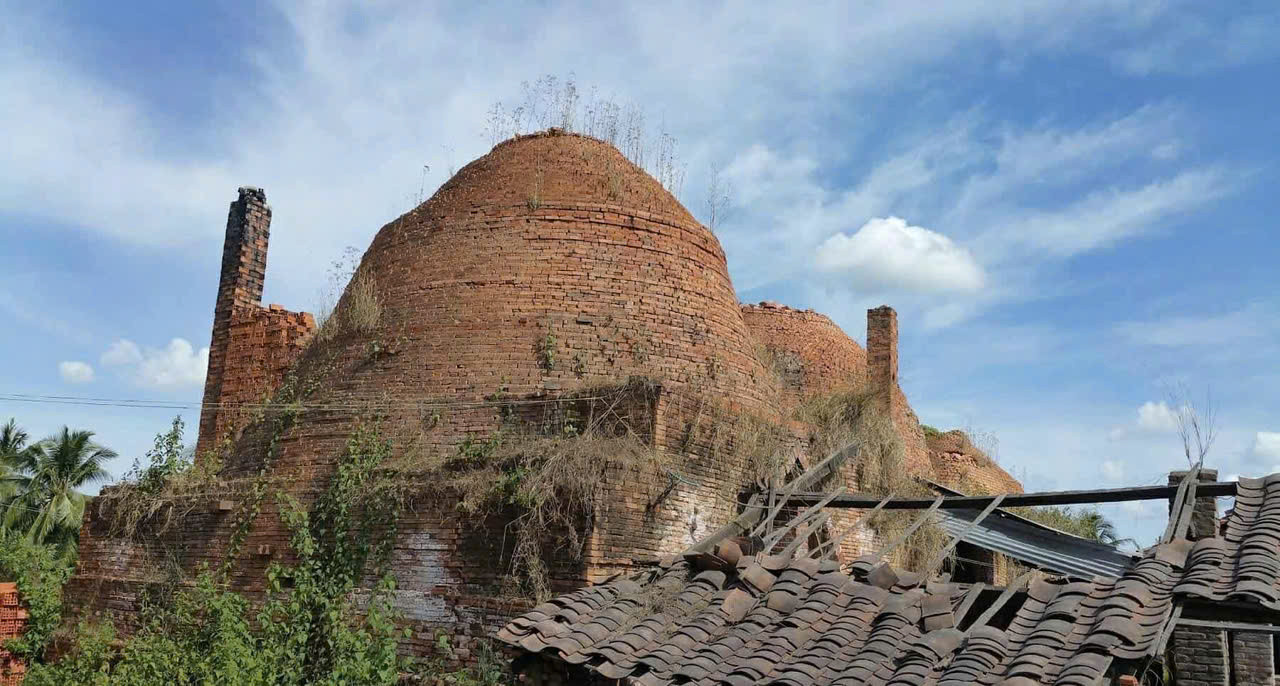
9 hours
$58.50 $65.00
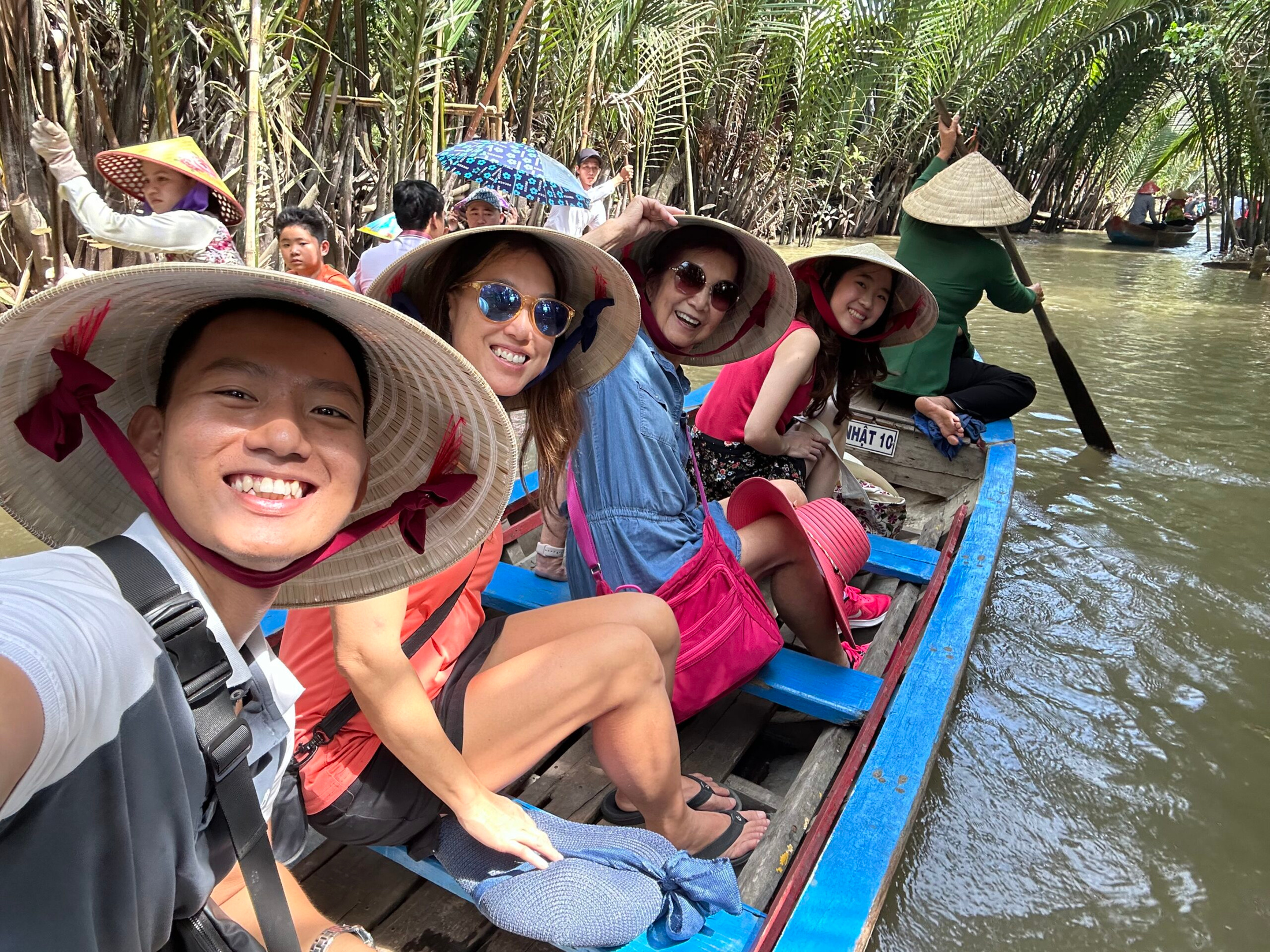
10 hours
$62.10 $69.00
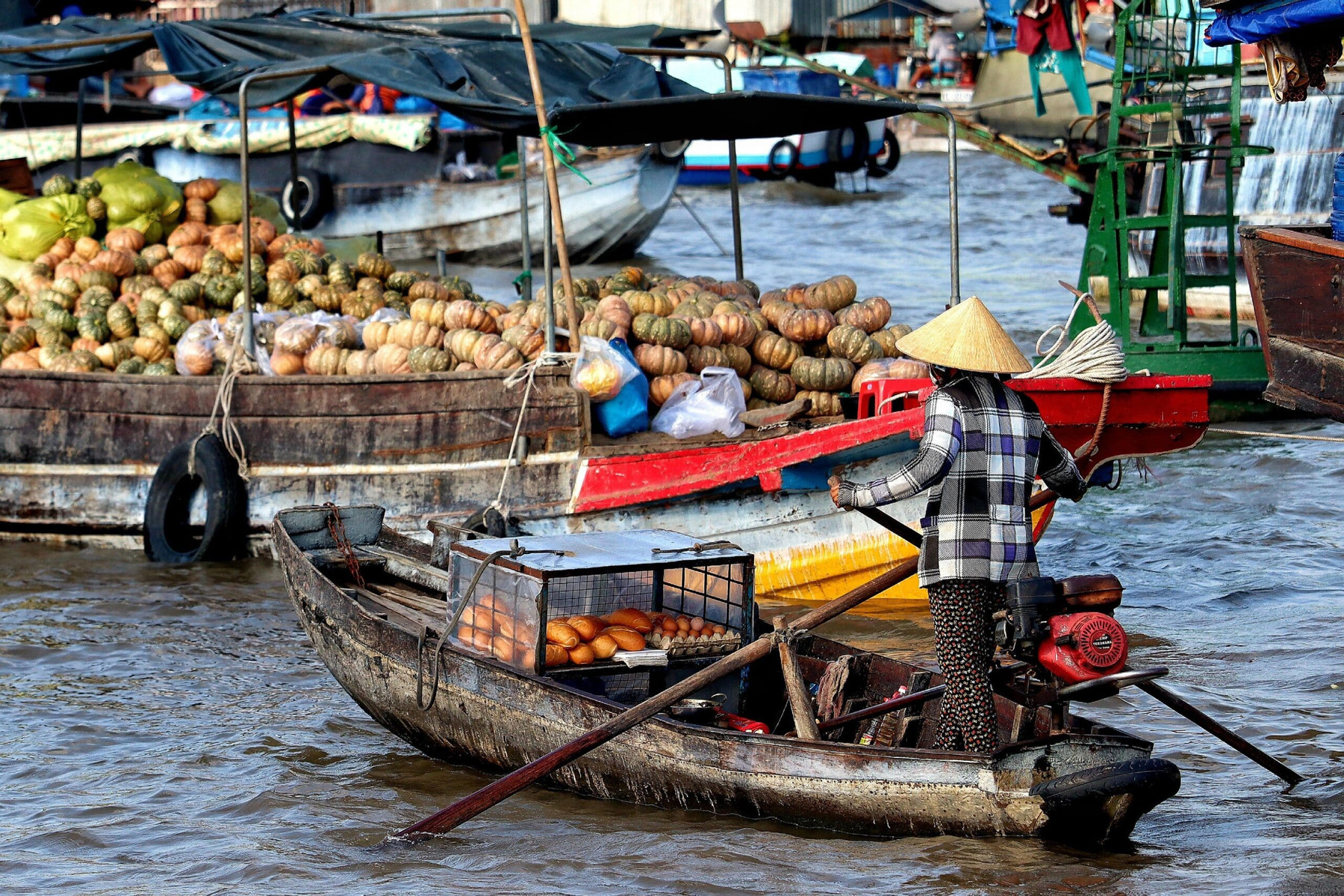
48 hours
$532.80 $592.00
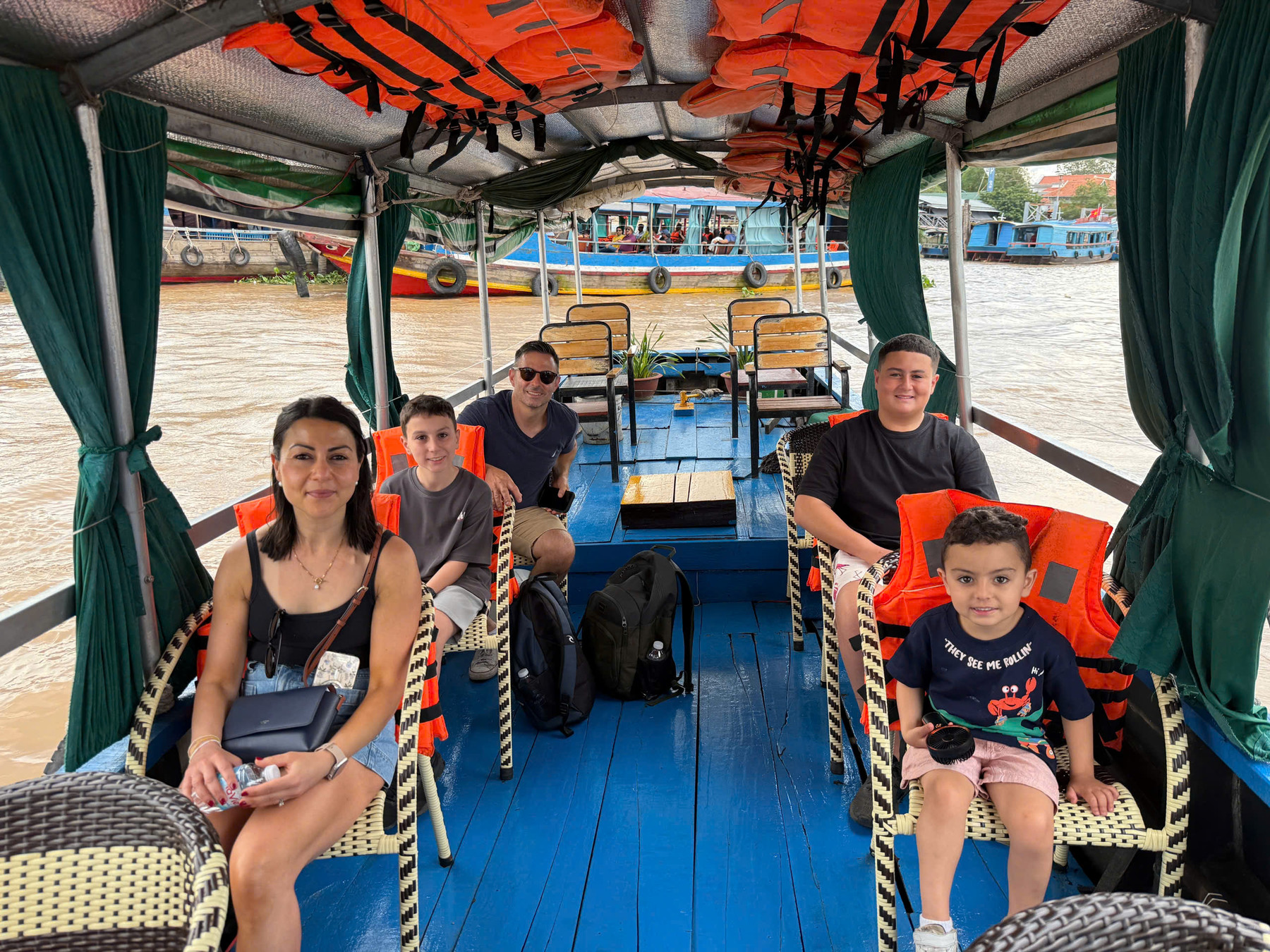
8 hours
$40.50 $45.00
Explore Ho Chi Minh Combos, Day Trips

9 hours
$60.30 $67.00

9 hours
$60.30 $67.00
12 hours
$40.50 $45.00
8 hours
$66.60 $74.00
10 hours
$62.10 $69.00
4 hours
$58.50 $65.00

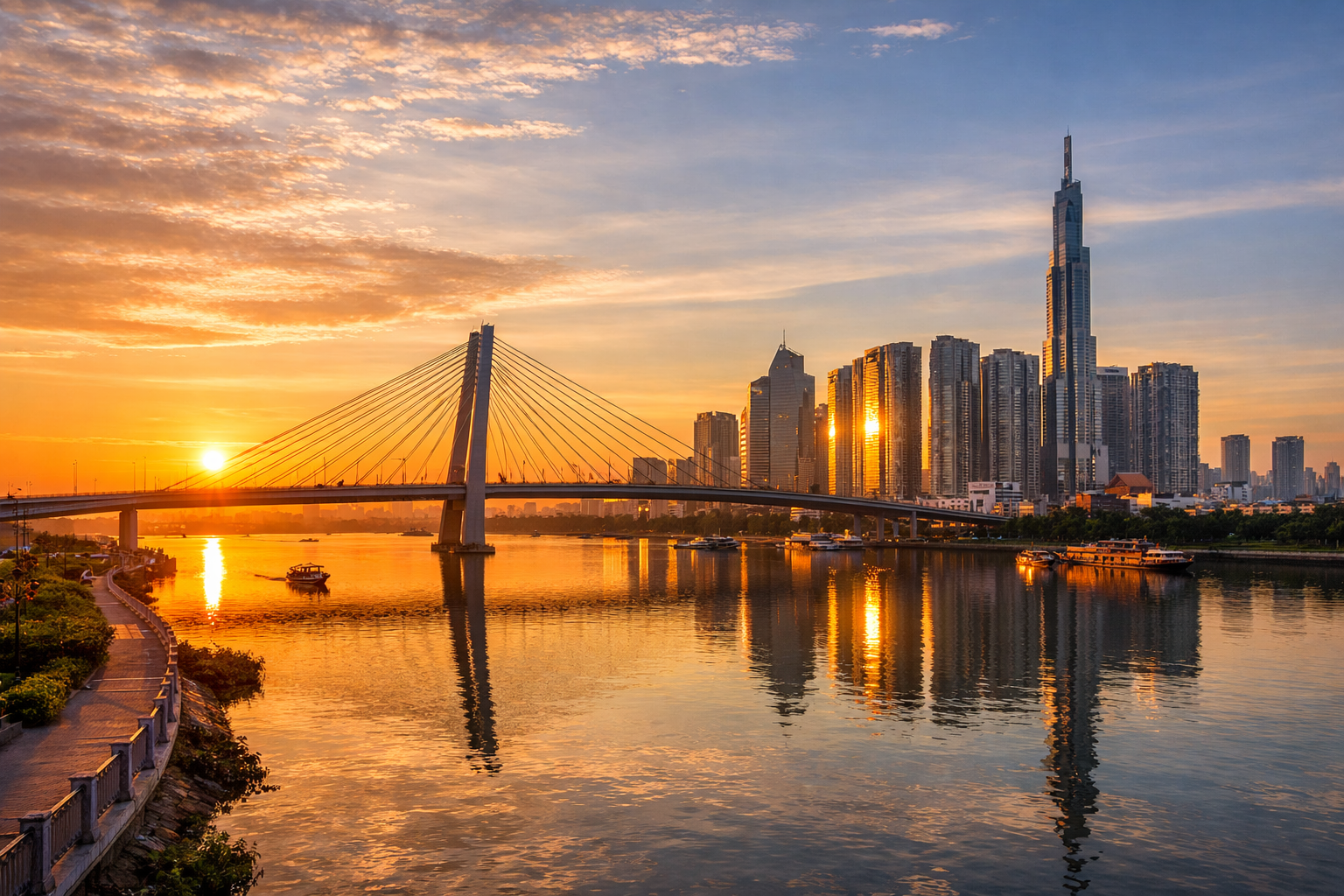

Saigon Taste Tours team
Welcome to SAIGON TASTE Tours!We’re a team of passionate local guides dedicated to sharing the real Saigon and Vietnam through food, culture, and hidden gems. From bustling street food stalls and historic landmarks to outdoor adventures and peaceful nature escapes, our tours are designed to be authentic and unforgettable. Every experience is private and tailored to you, guided by knowledgeable locals who go above and beyond to make you feel like you’re exploring with a friend. With us, you won’t just visit Vietnam — you’ll truly experience it.We can’t wait to welcome you! Best regards, Ben and the SAIGON TASTE Tours
saigontastetours@gmail.com Click to Connect with Us
Leave a Reply