
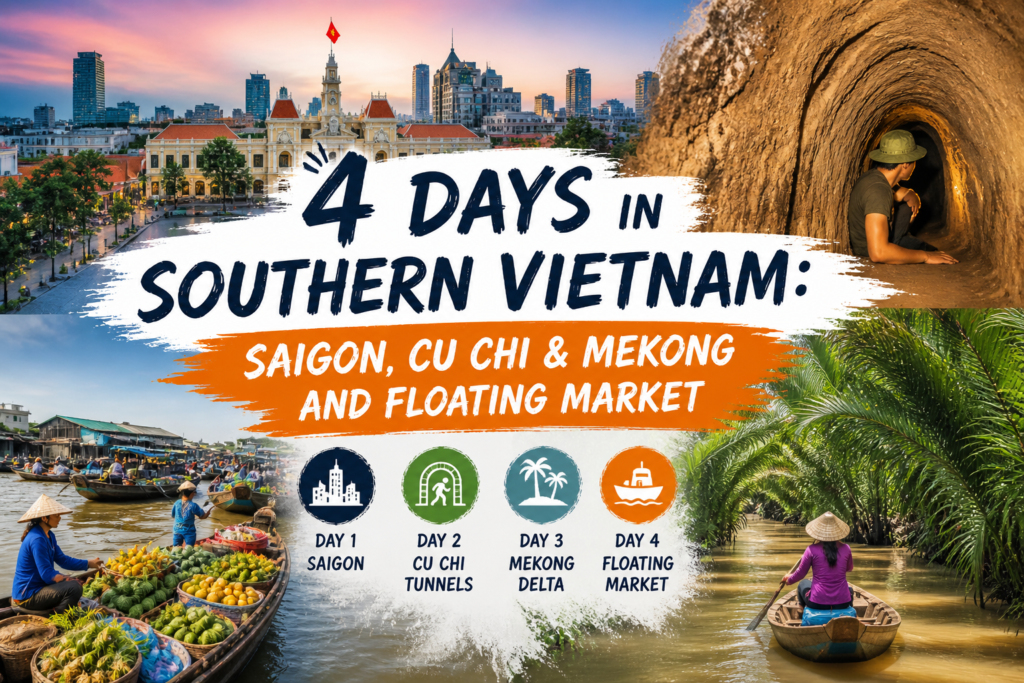
4 Days In Southern Vietnam: Saigon, Cu Chi & Mekong And Floating Market
A journey through three different worlds
A trip to southern Vietnam is not just about moving from one place to another, it’s about moving through completely different worlds. In just four days, you can experience the energy of a modern metropolis, step into the shadows of wartime history, and then drift slowly along rivers where life unfolds at a different pace.
Starting in Ho Chi Minh City, continuing to the historic Cu Chi Tunnels, and ending in the lush waterways of the Mekong Delta, this itinerary is widely considered one of the most balanced and rewarding short trips in Vietnam.
It works not because it tries to show you everything, but because it shows you the right things, each carefully chosen to reveal a different side of the country.
Day 1: Arrival in Saigon – First impressions of a dynamic city
Morning: Arriving in the city that never slows down
As you arrive in Ho Chi Minh City, the first thing you’ll notice is movement. Motorbikes stream through intersections in what seems like organized chaos, street vendors call out to passersby, and the city hums with energy from early morning.
After checking into your hotel and taking a short rest, it’s worth stepping outside rather than staying in. Saigon doesn’t reveal itself from behind glass windows, you have to walk through it, hear it, and feel it. Even a simple walk through nearby streets can give you a sense of how locals live, work, and interact.
Afternoon: Exploring the historical core
The heart of Saigon is surprisingly compact, which makes it ideal for a slow, walking exploration. As you move through District 1, the city’s colonial past becomes visible in its architecture.
At the Independence Palace, history feels almost frozen in time. The rooms, preserved exactly as they were decades ago, tell stories of political decisions and turning points that shaped modern Vietnam. Just a short walk away, the Notre-Dame Cathedral Basilica of Saigon stands as a reminder of the French colonial era, its red-brick façade contrasting with the modern city around it.
Nearby, the Saigon Central Post Office offers a different kind of experience. It is not just a historical building, it is still in use. Watching locals send letters or tourists buy postcards inside a space that looks like a museum creates a unique sense of continuity between past and present.
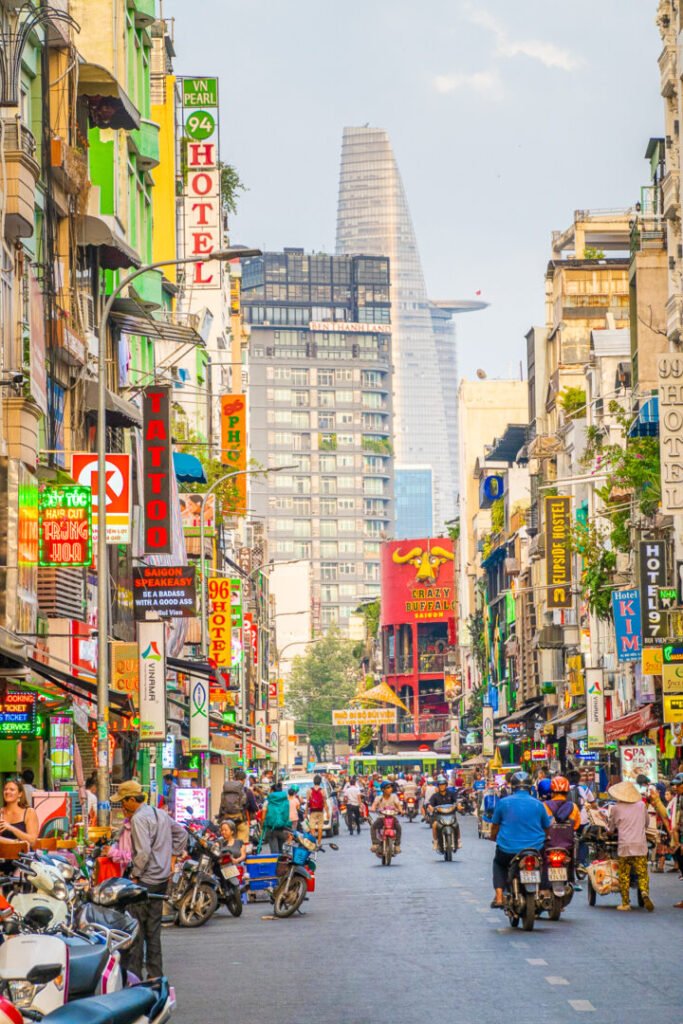
Evening: When Saigon truly comes alive
As the sun sets, Saigon begins to shift. The heat softens, lights come on, and the streets become even more vibrant. Walking along Nguyen Hue Walking Street, you’ll see families gathering, young people taking photos, and street performers adding energy to the atmosphere.
Dinner is best approached not as a single destination, but as an experience. Whether you choose a busy corner near Ben Thanh Market or a small local eatery, the goal is to try a variety of dishes. Saigon’s food culture is diverse, accessible, and deeply rooted in daily life.
Day 2: Cu Chi tunnels – Understanding Vietnam’s past
Morning: Leaving the City Behind
The journey from Saigon to the Cu Chi Tunnels begins early, usually just after breakfast. As the city gradually fades behind you, the scenery begins to change. High-rise buildings give way to smaller houses, then open fields and quiet roads.
This transition is important, it prepares you for what lies ahead. The contrast between the modern city and the rural surroundings of Cu Chi reflects the broader contrast between Vietnam’s present and its past.
Late morning: Entering the underground world
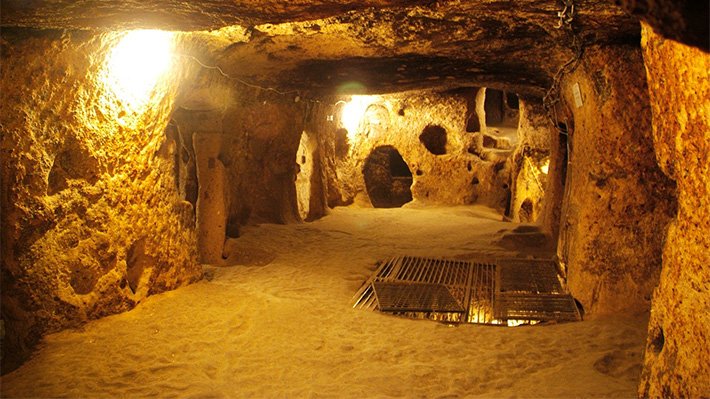
Arriving at Cu Chi is not just about visiting a historical site, it’s about entering a different reality. After a short introduction, you begin to understand how extensive the tunnel system was, stretching for hundreds of kilometers and functioning as a fully self-sufficient underground network.
Walking through the site, you’ll encounter hidden entrances that blend seamlessly into the ground, narrow passageways, and reconstructed living areas. For many visitors, the most memorable moment is crawling through a section of the tunnel. It is dark, tight, and surprisingly disorienting, offering just a glimpse of what life must have been like during the Vietnam War.
The experience is not meant to be comfortable. That’s precisely why it is so impactful.
Afternoon: Reflection and return
After spending a few hours at the site, the return journey to Saigon often feels quieter. Many travelers find themselves reflecting on what they’ve seen.
Back in the city, the contrast becomes even more striking. The busy streets, the cafés, the modern lifestyle, all of it feels different after understanding the resilience behind it.
Day 3: Mekong Delta – Slowing down the pace
Morning: Journey to the Mekong
Leaving Saigon once again, this time heading south, the journey to the Mekong Delta introduces a completely different landscape. The roads become calmer, the air feels fresher, and greenery begins to dominate the view.
A common stop along the way is Vinh Trang Pagoda, a peaceful temple that blends different architectural influences. It serves as a gentle transition between the city and the countryside.
Midday: Life on the river
Reaching the Mekong region, often around My Tho or Ben Tre, the experience shifts from land to water. Boats become the primary mode of transportation, and the rhythm of life slows down.
As you cruise along the river, you’ll pass stilt houses, fishing boats, and lush vegetation lining the banks. The Mekong is not just a river, it’s a lifeline that supports entire communities.
Visiting local workshops reveals small-scale industries that have existed for generations, such as coconut candy making or traditional handicrafts. These are not staged experiences, they are part of everyday life.
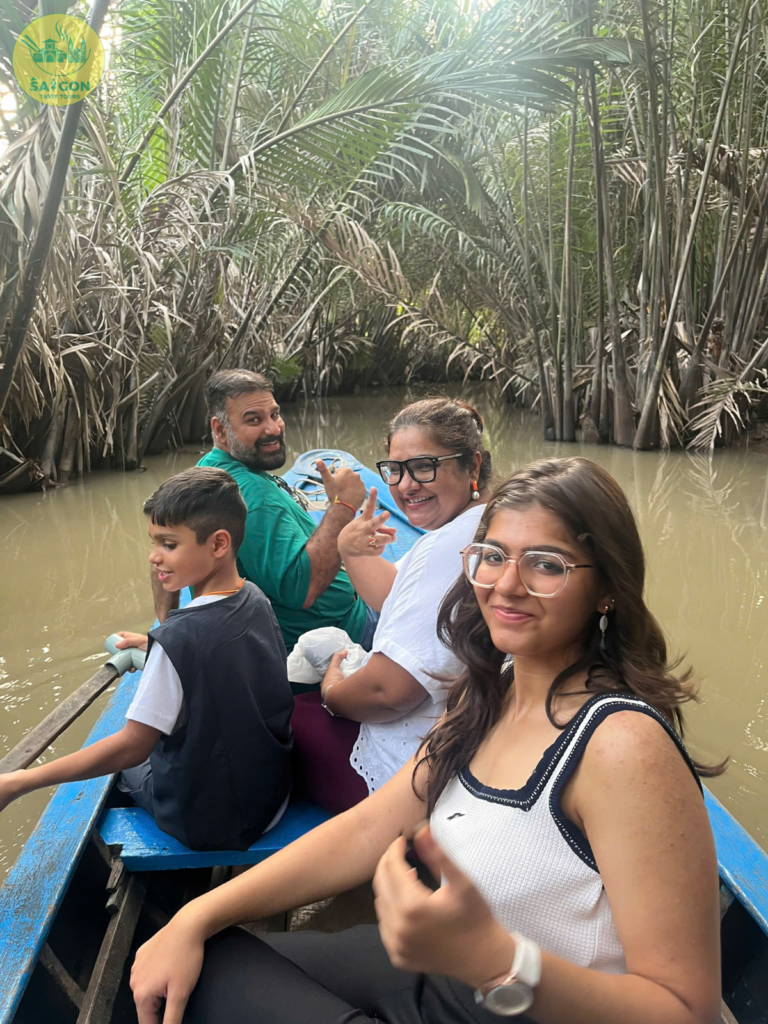
Afternoon: Into the Canals & Onward to Can Tho
One of the most memorable parts of the Mekong journey is the transition from wide rivers to narrow canals. Sitting in a small sampan, gliding through shaded waterways, you begin to notice details, the sound of water against the boat, the quiet conversations, the sense of calm.
By late afternoon, continuing to Can Tho allows you to stay overnight in the heart of the Mekong Delta. This decision makes a significant difference, as it allows you to experience the floating market the next morning at its most authentic.
Day 4: Floating market – A unique cultural experience
Early morning: The floating market at sunrise
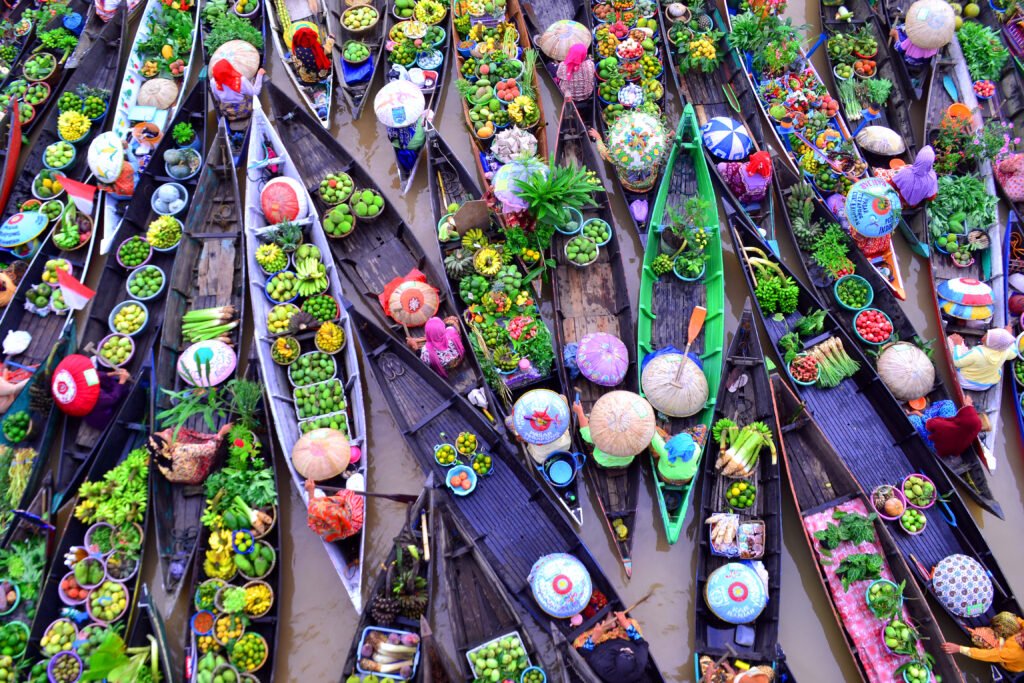
Waking up early is essential for this final day. The best time to visit the Cai Rang Floating Market is just after sunrise, when the market is at its busiest.
Unlike traditional markets on land, everything here happens on water. Boats loaded with fruits and vegetables gather, and transactions take place directly between them. Vendors display their goods on tall poles so buyers can see what’s available from a distance.
There is a sense of rhythm and coordination that becomes clear as you observe more closely. This is not a tourist attraction created for visitors, it is a functioning market that has adapted to the region’s geography.
Late morning: Returning to Saigon
After breakfast on the river or back at your hotel, the journey back to Saigon begins. The drive takes several hours, but by this point, the pace feels appropriate, a gradual return from the calm of the Mekong to the energy of the city.
By the time you arrive, you may find that your perspective has shifted. Saigon no longer feels overwhelming, it feels like part of a larger story you’ve just experienced.
A journey of contrast and connection
This four-day journey works because it connects different aspects of Vietnam into one coherent experience.
You begin in a fast-paced city, step into a complex historical past, and end in a region where life moves with the flow of the river. Each part enhances the others, creating a deeper understanding of the country as a whole.
It’s not just about what you see, it’s about how each place makes you feel. If you want to experience this journey without worrying about logistics and with deeper local insights, traveling with experts makes all the difference.
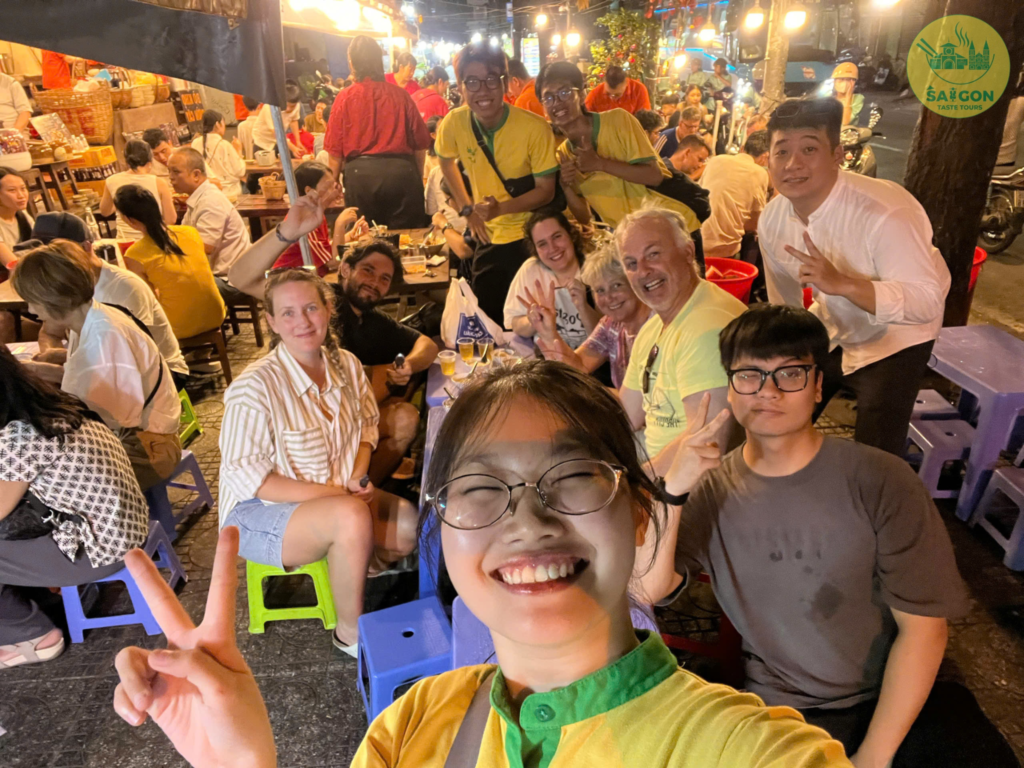
At Saigon Taste Tours, we design immersive itineraries that go beyond typical tours, helping you connect with Vietnam in a meaningful way.
Book your 4-day Southern Vietnam experience today and travel like a local!

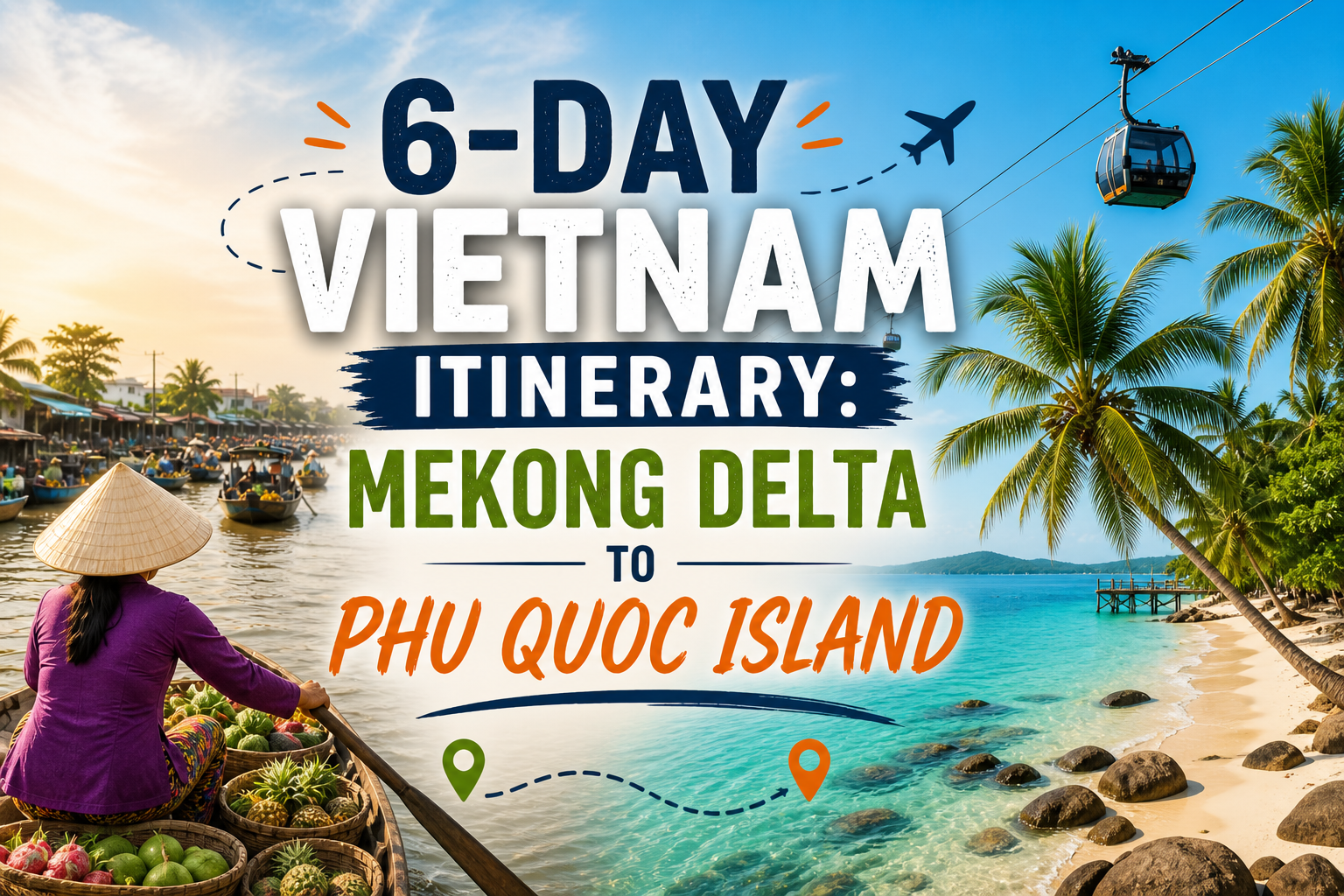

Saigon Taste Tours team
Welcome to SAIGON TASTE Tours! We’re a team of passionate local guides dedicated to sharing the real Saigon and Vietnam through food, culture, and hidden gems. From bustling street food stalls and historic landmarks to outdoor adventures and peaceful nature escapes, our tours are designed to be authentic and unforgettable. Every experience is private and tailored to you, guided by knowledgeable locals who go above and beyond to make you feel like you’re exploring with a friend. With us, you won’t just visit Vietnam — you’ll truly experience it. We can’t wait to welcome you! Best regards, Ben and the SAIGON TASTE Tours
saigontastetours@gmail.com Click to Connect with Us
Leave a Reply