FEATURED TOUR-5%
4 hours
$59.85 $63.00
When most travelers think of Hồ Chí Minh city, they picture a fast-paced metropolis filled with motorbikes, street food, and modern skyscrapers. But beyond the energy and chaos lies a quieter, deeply spiritual dimension of the city, one that has been preserved through centuries of history, migration, and cultural exchange.
From ancient Buddhist pagodas to vibrant Chinese temples and Khmer sanctuaries, Saigon offers a rich tapestry of sacred spaces that reflect its diverse identity. Visiting these temples is not just about sightseeing, it’s about understanding the soul of the city.
In this guide, we’ll take you through the top 10 temples to visit in Hồ Chí Minh city, with detailed insights to help you explore them like a local.
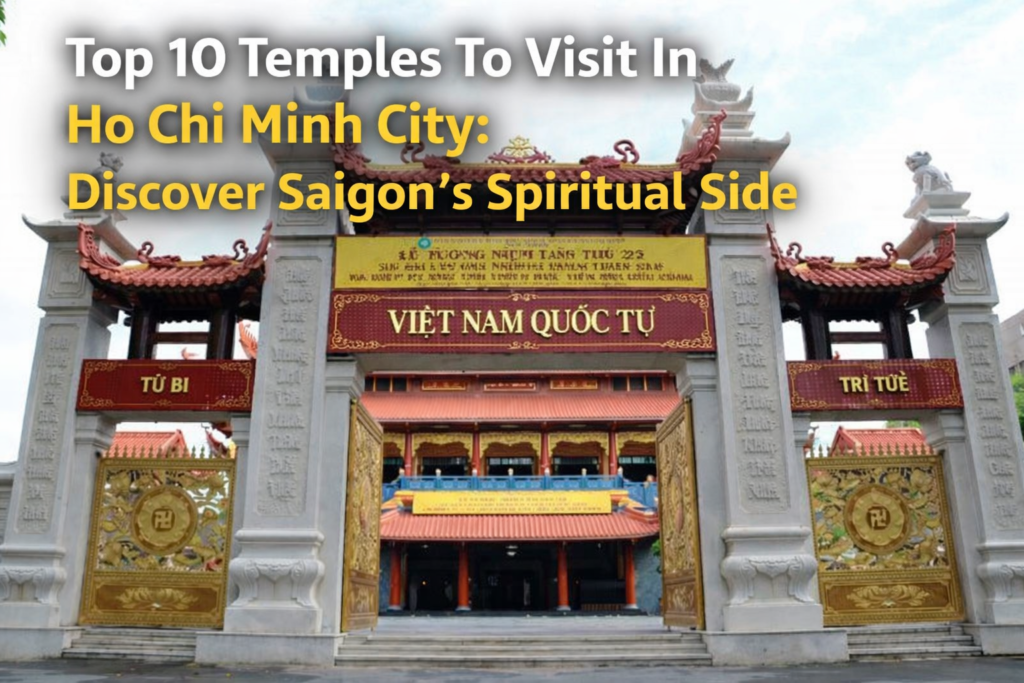
Vietnam National Pagoda is one of the most significant Buddhist landmarks in the city, both historically and spiritually. Originally constructed in the 1960s and later rebuilt, the temple stands today as a symbol of unity within Vietnamese Buddhism.
Unlike many older temples, the architecture here feels more modern and spacious, with clean lines and a towering stupa that dominates the skyline of District 10. The grounds are open and airy, making it an ideal place for quiet reflection. Locals often come here to pray for peace, health, and prosperity, especially during important Buddhist holidays.
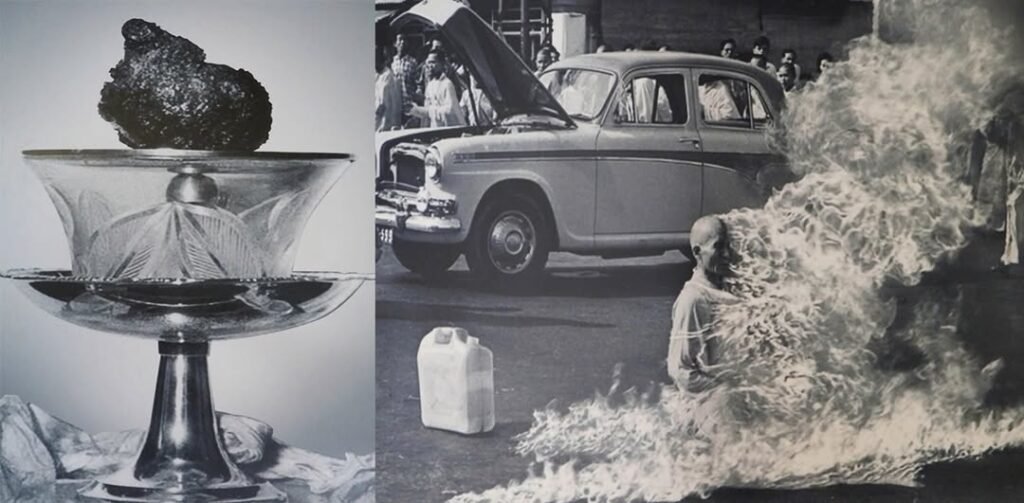
What makes this temple especially meaningful is that it houses the sacred heart relic of Thích Quảng Đức. In 1963, he carried out a self-immolation in protest against the persecution of Buddhists, an event that shocked the world and became a powerful symbol of compassion and sacrifice. Remarkably, after the cremation, his heart remained intact, and it is now preserved here as a revered relic. Today, visitors and devotees come to pay their respects, making this site not only historically important but also deeply spiritual.
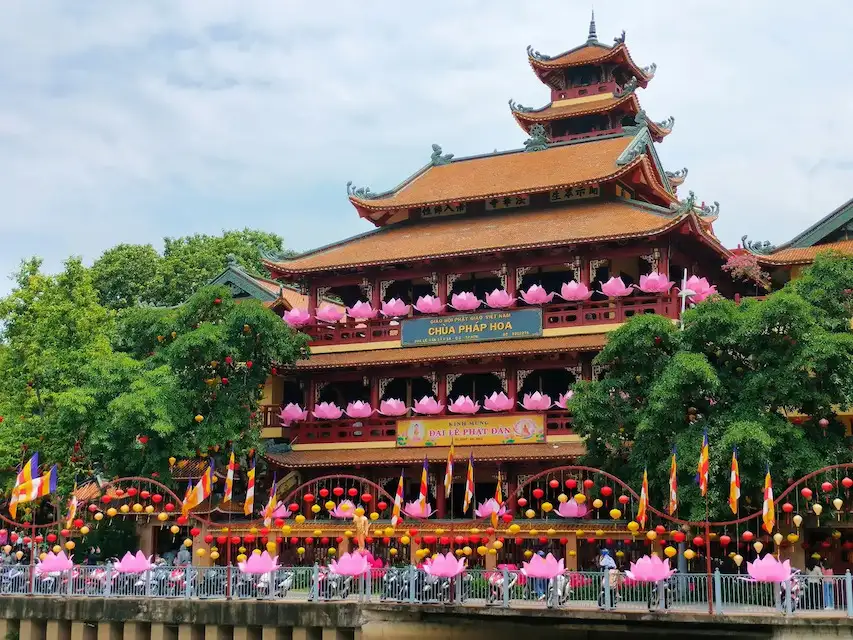
Set along a peaceful canal in District 3, Pháp Hoa pagoda is one of the most scenic temples in Saigon. Its location gives it a unique charm, especially in the early morning or late afternoon when the light reflects beautifully off the water.
The temple is particularly famous during Vesak (Buddha’s Birthday), when thousands of lanterns illuminate the area, creating a magical and almost dreamlike atmosphere. Inside, the temple features elegant statues, detailed carvings, and a serene prayer hall that invites visitors to slow down and breathe.
If you’re looking for a photogenic yet meaningful stop, this is one of the best temples in Hồ Chí Minh city to visit.
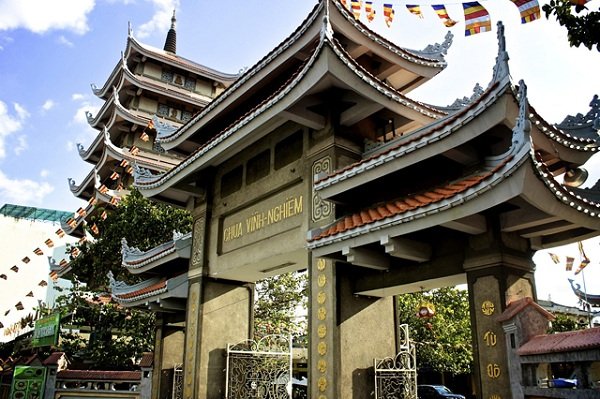
Vĩnh Nghiêm pagoda is among the largest and most iconic pagodas in the city. Built with inspiration from northern Vietnamese Buddhist architecture, it stands out with its grand scale and traditional design.
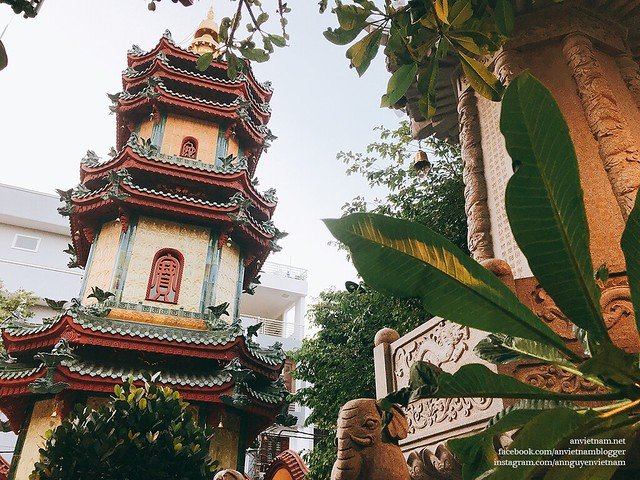
The temple complex includes a striking seven-story tower, spacious courtyards, and multiple worship halls. Despite being located on a busy street, the atmosphere inside is calm and meditative. You’ll often see monks and locals performing rituals, offering a glimpse into daily spiritual life.
For first-time visitors, this is a great introduction to Vietnamese Buddhism in an accessible and visually impressive setting.
Viên Giác pagoda is a lesser-known temple that offers a more authentic and intimate experience. Tucked away from the main tourist routes, it provides a quiet escape from the city’s hustle.
The architecture is traditional, with intricate wooden details and a warm, welcoming atmosphere. Because it is not heavily visited by tourists, you’ll have more space to observe local practices and enjoy a peaceful moment.
This temple is perfect for travelers who want to go beyond the usual highlights and discover hidden spiritual gems in Saigon.
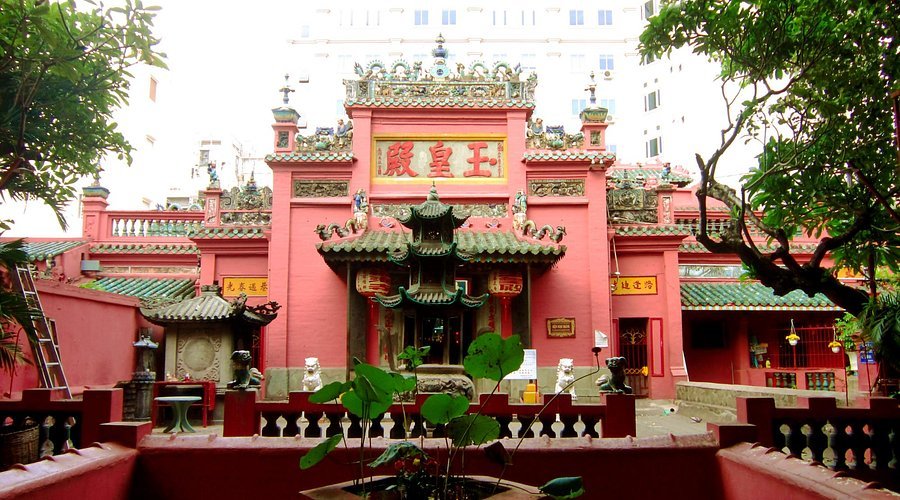
Jade Emperor pagoda is one of the most famous temples in the city. It even gained global attention when Barack Obama visited during his Vietnam trip.
Dedicated to the Jade Emperor, this temple offers a completely different atmosphere compared to typical Buddhist pagodas. The interior is dimly lit, filled with incense smoke, and packed with intricate statues representing various deities.
The experience here is immersive and almost mystical. Visitors often come to pray for love, fertility, and protection, making it a spiritually active and culturally rich destination.
Located in District 5, Vạn Phật pagoda also known as the “Temple of Ten Thousand Buddhas”, is a visual spectacle. As its name suggests, the temple houses an impressive number of Buddha statues, creating a dense and awe-inspiring interior.
Golden figures line the walls from floor to ceiling, each representing different aspects of Buddhist teachings. The atmosphere is both grand and intimate, encouraging visitors to explore every corner.
This temple is especially appealing to those interested in religious art and symbolism.
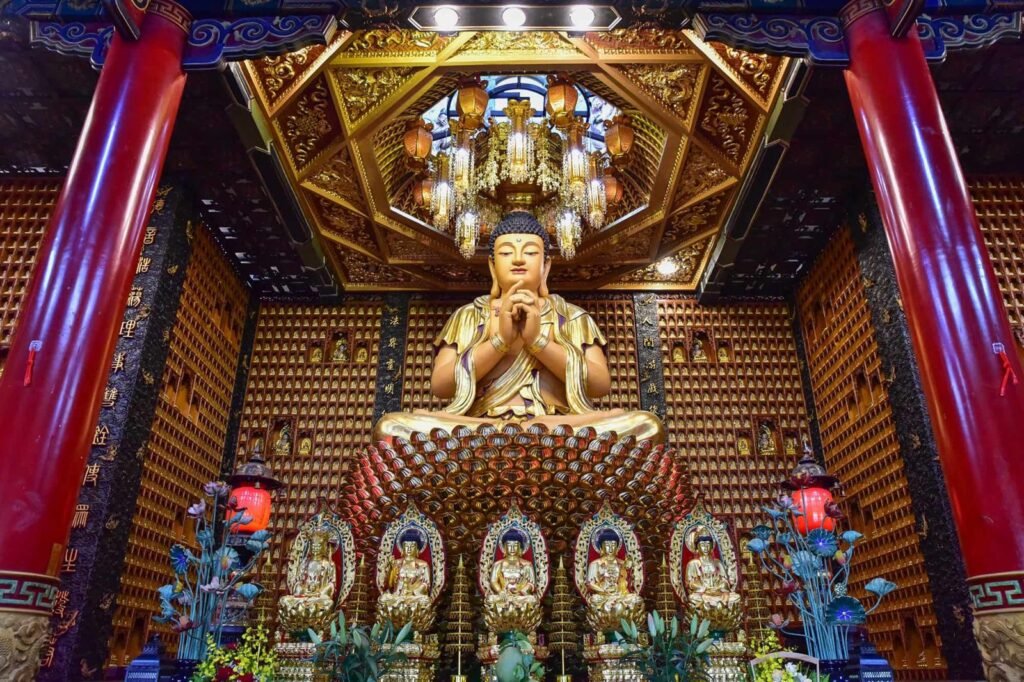
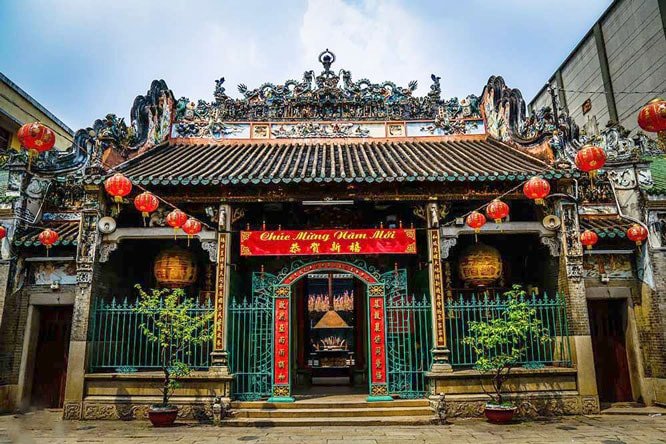
Situated in Chợ Lớn, Saigon’s Chinatown, Thiên Hậu temple is dedicated to the sea goddess Mazu. The temple reflects the strong influence of the Chinese-Vietnamese community in the city.
The architecture is vibrant and detailed, with colorful roof sculptures and large incense coils hanging from the ceiling. The scent of incense fills the air, creating a lively yet sacred environment.
This is one of the best places to experience the cultural diversity of Hồ Chí Minh city.
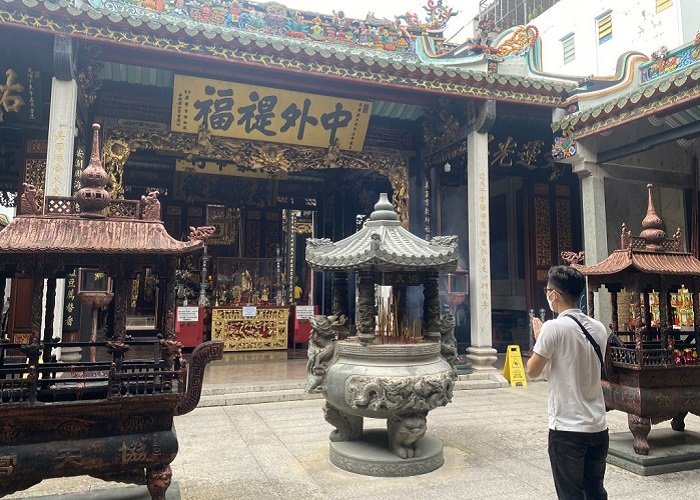
Nghĩa An Assembly Hall is dedicated to Guan Yu, a legendary figure symbolizing loyalty and righteousness. The temple is richly decorated with elaborate carvings, statues, and traditional Chinese motifs.
Compared to other temples, it feels more intimate and less crowded, allowing visitors to appreciate the craftsmanship and symbolism in detail. It’s a great stop for those interested in history, culture, and spiritual traditions beyond Buddhism.
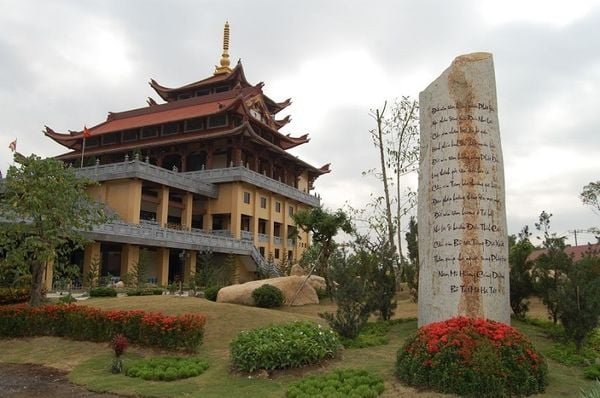
Huê Nghiêm pagoda is a large and peaceful temple complex that offers a more open and spacious environment. With wide courtyards and impressive statues, it provides a sense of grandeur while still maintaining tranquility.
The temple is often used for major ceremonies and gatherings, making it an important spiritual center for the local community. If you’re looking for a place to relax, meditate, or simply escape the noise of the city, this is an excellent choice.
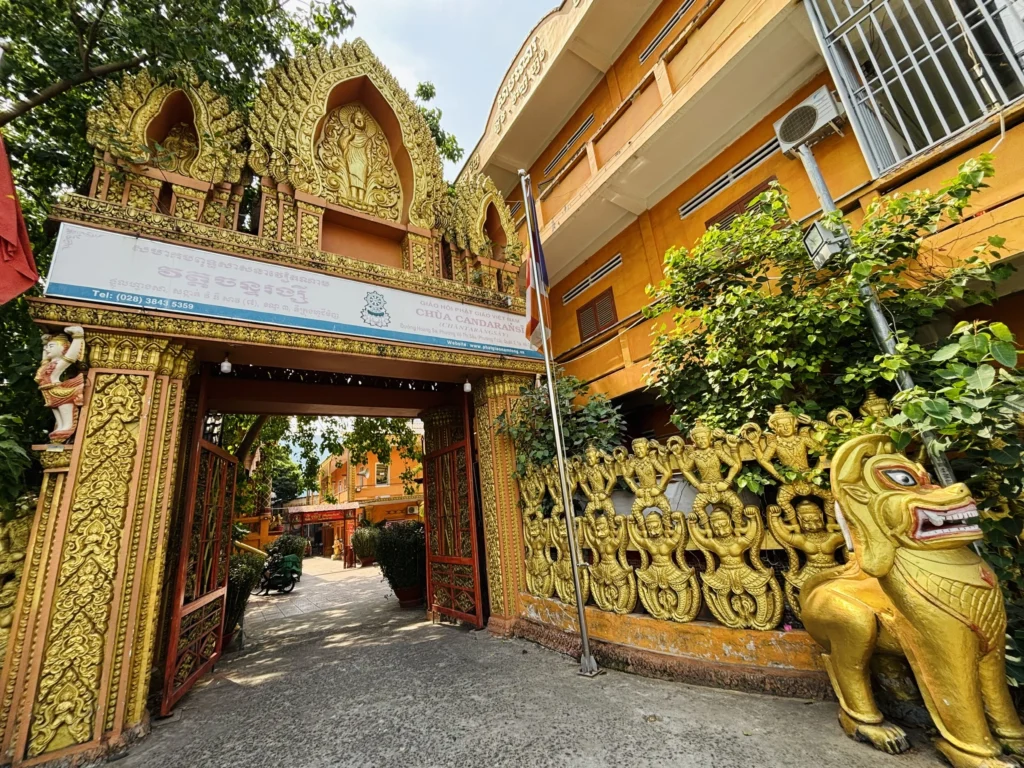
Chantarangsay pagoda stands out for its distinct Khmer architecture, offering a completely different visual and cultural experience. The temple features bright colors, ornate carvings, and a unique layout influenced by Cambodian design.
It represents the Khmer community in southern Vietnam and provides insight into a lesser-known aspect of the city’s cultural diversity. The atmosphere is calm, welcoming, and visually striking.
Exploring temples in Hồ Chí Minh City allows you to see beyond the modern facade and connect with centuries of history and tradition. These sacred spaces reveal how different cultures, Vietnamese, Chinese, and Khmer, have shaped the city over time.
Each temple tells a story, not just of religion, but of migration, resilience, and identity. Whether you’re a traveler, photographer, or culture enthusiast, visiting these temples offers a deeper, more meaningful experience of Saigon.
Want to go beyond guidebooks and truly understand the hidden stories behind these temples?
Join a local experience with Saigon Taste Tours and explore Hồ Chí Minh city through the eyes of passionate locals. From spiritual landmarks to hidden food spots, you’ll discover a side of Saigon that most tourists never see.
Book your tour today and turn your trip into an unforgettable cultural journey!
4 hours
$59.85 $63.00
4 hours
$55.25 $65.00
4 hours
$33.25 $35.00
4 hours
$33.25 $35.00
4 hours
$33.25 $35.00
4 hours
$30.40 $32.00
4 hours
$46.55 $49.00
4 hours
$29.45 $31.00
12 hours
$40.50 $45.00
7.5 hours
$29.75 $35.00
10 hours
$58.65 $69.00
6.5 hours
$29.75 $35.00
9 hours
$50.15 $59.00
9 hours
$55.25 $65.00
10 hours
$58.65 $69.00
48 hours
$503.20 $592.00
8 hours
$38.25 $45.00

9 hours
$60.30 $67.00

9 hours
$60.30 $67.00
12 hours
$40.50 $45.00
8 hours
$66.60 $74.00
10 hours
$58.65 $69.00
4 hours
$55.25 $65.00

Welcome to SAIGON TASTE Tours! We’re a team of passionate local guides dedicated to sharing the real Saigon and Vietnam through food, culture, and hidden gems. From bustling street food stalls and historic landmarks to outdoor adventures and peaceful nature escapes, our tours are designed to be authentic and unforgettable. Every experience is private and tailored to you, guided by knowledgeable locals who go above and beyond to make you feel like you’re exploring with a friend. With us, you won’t just visit Vietnam — you’ll truly experience it. We can’t wait to welcome you! Best regards, Ben and the SAIGON TASTE Tours
saigontastetours@gmail.com Click to Connect with Us
Leave a Reply