
FEATURED TOUR-5%
4 hours
$59.85 $63.00
Throughout its history, Hồ Chí Minh city – still widely known as Saigon, has been the beating heart of Vietnam’s economic and cultural transformation. Over the last decade, the city has experienced one of the most dramatic urban evolutions in Southeast Asia. From a post-reform city in the late 20th century to a fast-growing megacity today, Hồ Chí Minh city’s transformation reflects not only rapid economic growth but also deep changes in infrastructure, lifestyle, and global integration.
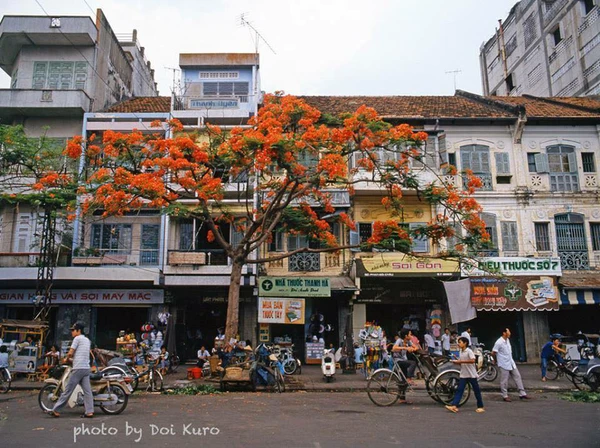
In the late 1980s, following the implementation of the Renovation period, Saigon entered a crucial transition period from a centrally planned economy to a socialist-oriented market economy. However, changes during this time were relatively slow and cautious.
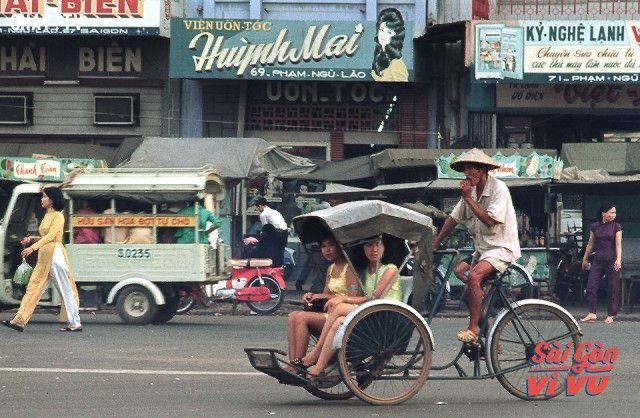
The image of Saigon in this era was defined by less crowded streets, where bicycles were still dominant and motorbikes were only beginning to gain popularity. Infrastructure was limited, roads were not yet expanded as they are today, and high-rise buildings were extremely rare. The city carried the atmosphere of an urban area gradually recovering from historical upheavals, with a much slower pace of life compared to today.
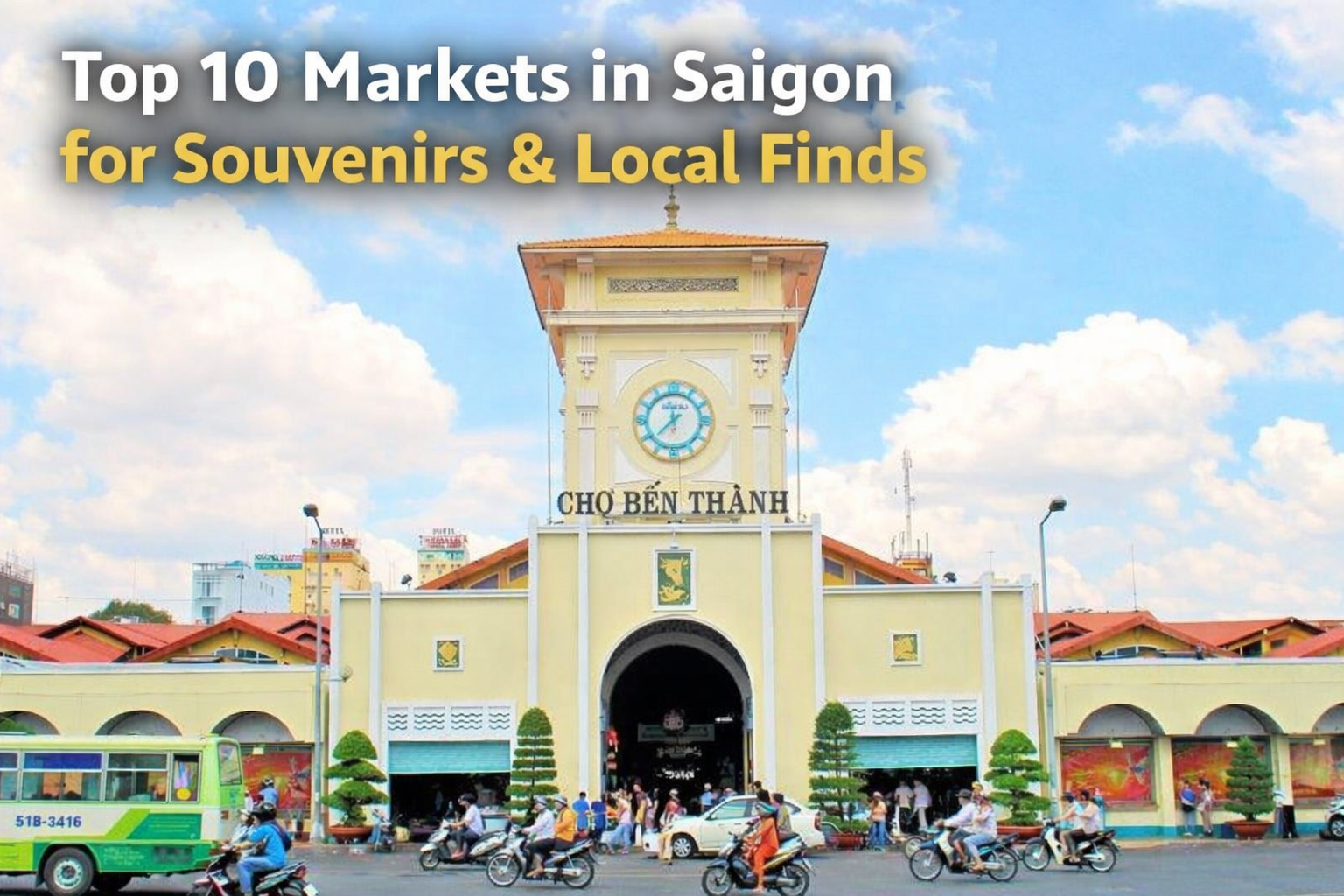
The urban landscape still retained strong elements of older architecture, particularly French colonial buildings in the city center. Traditional markets such as Bến Thành market played a central role in daily commerce. Most people shopped at local markets and small stores, while the concept of modern shopping malls was almost nonexistent.
Even so, early signs of globalization had begun to appear. Private businesses were gradually encouraged, goods became more diverse, and Saigon started attracting its first wave of foreign investors. This period laid the foundation for the city’s rapid growth in the decades that followed.
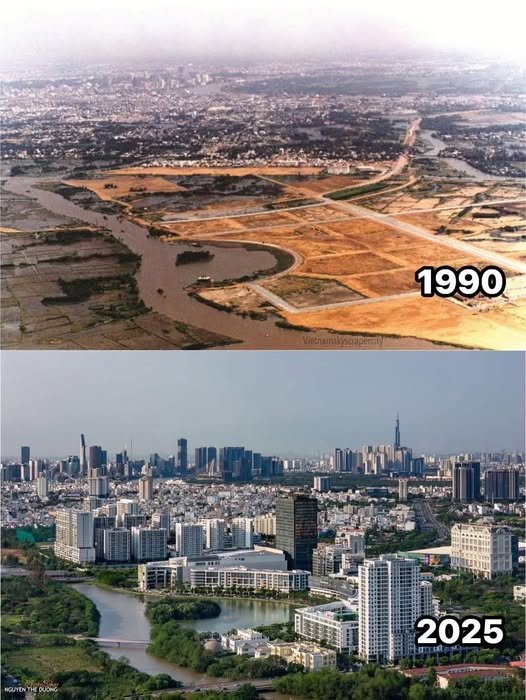
Entering the 21st century, Saigon was no longer simply “recovering” but had begun a phase of strong economic growth. Between 2000 and 2015, urbanization accelerated significantly, bringing visible changes to the city’s physical landscape.
New urban developments began to emerge, most notably Phú Mỹ Hưng in District 7 and Thảo Điền in District 2 (now part of Thủ Đức City). These areas attracted both the growing middle class and expatriates, setting the stage for a more modern urban development model.
During this period, motorbike ownership surged, reflecting rising incomes and improved living standards. However, this was also when traffic congestion began to emerge as a serious issue. Infrastructure had improved, but it still struggled to keep up with rapid population growth and the increasing number of vehicles.
The city’s economy also made clear progress, with the service sector taking on a larger role. Tourism expanded, and restaurants, hotels, and entertainment venues became more widespread. Still, compared to today, Saigon at that time felt more “livable,” with fewer skyscrapers and a less intense pace of life.
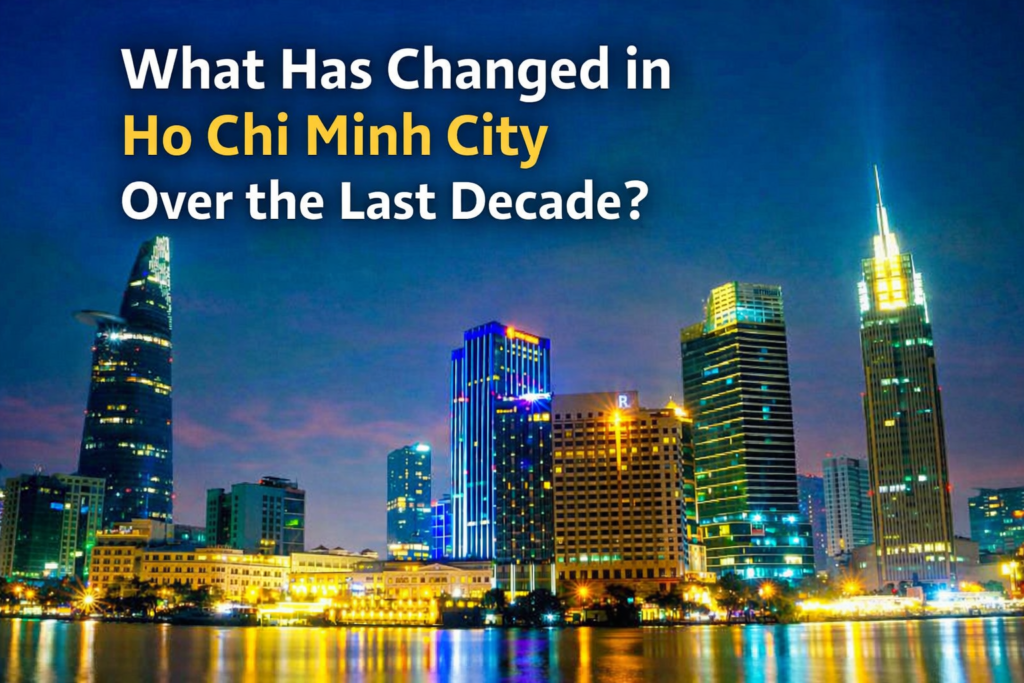
Over the past ten years, Hồ Chí Minh City has entered its most dynamic phase of development yet. The changes have not only been rapid but also structural, fundamentally reshaping how the city operates.
One of the most noticeable transformations is the explosion of high-rise buildings. District 1 is no longer the only area with a dense concentration of skyscrapers, as development has expanded to Thu Thiem, which is being positioned as the city’s future financial hub. Today’s skyline reflects a modern Southeast Asian metropolis.
At the same time, the population has grown rapidly, making Saigon one of the most densely populated urban areas in the region. Urban expansion now extends far beyond the traditional city center, connecting with surrounding provinces and forming a vast metropolitan area.
Infrastructure has also undergone major changes. Metro lines, ring roads, highways, and overpasses are being developed to address congestion and improve connectivity. Although challenges remain, the scale of infrastructure investment today is unprecedented in the city’s history.
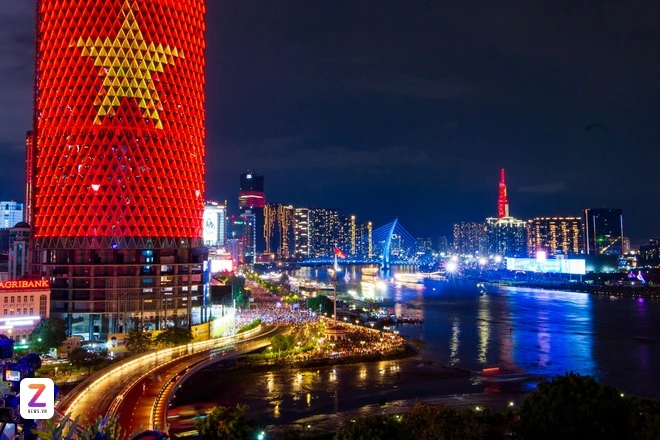
Beyond physical transformation, the daily lives of Saigon’s residents have also changed dramatically. In the past, coffee culture was defined by small street-side cafés. Today, the city is filled with modern coffee shops, creative spaces, and international chains.
Saigon’s culinary scene has become more diverse than ever. Alongside traditional Vietnamese dishes, residents now have easy access to cuisines from around the world, reflecting the city’s deepening global integration.
Another key factor is technological advancement. The widespread use of smartphones, e-commerce platforms, ride-hailing apps, and food delivery services has completely transformed how people live and interact. Saigon is no longer just an economic hub, it is also emerging as a center for innovation and technology in the region.
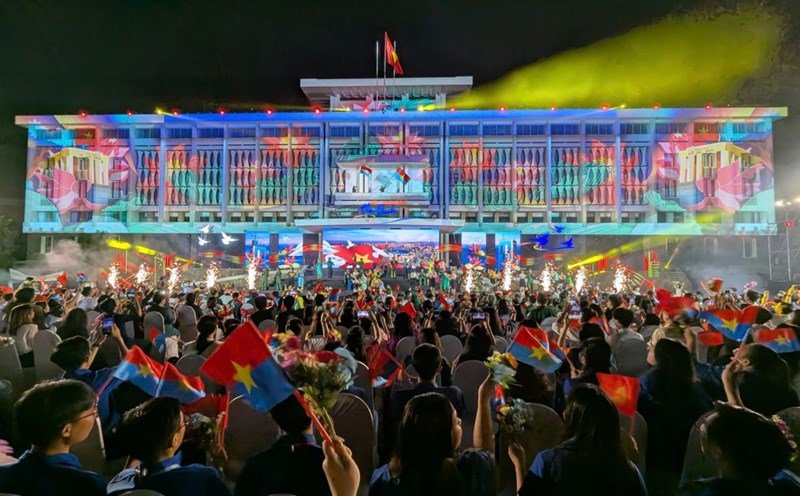
Despite its achievements, rapid development has also brought significant challenges. Traffic congestion remains a daily struggle, especially during peak hours. Flooding caused by heavy rain and tidal surges continues to be a major issue, highlighting limitations in urban planning and drainage systems.
At the same time, the rising cost of living has made income inequality more visible. Uneven development across different districts also raises concerns about long-term sustainability and balanced urban growth.
Looking back from the late 20th century to today, Saigon has undergone an extraordinary journey. From a city facing economic hardship in the post-subsidy era, Hồ Chí Minh City has transformed into a vibrant megacity and the economic engine of Vietnam.
The changes of the past decade are not only reflected in skyscrapers or economic growth rates, but also in how people live, work, and connect with the world. While challenges remain, the city’s current momentum suggests that Saigon has the potential to become one of the most important urban centers in Southeast Asia in the near future.
The best way to understand how Hồ Chí Minh City has changed is to explore it on the streets. From historic districts to modern neighborhoods, every corner tells a different story.
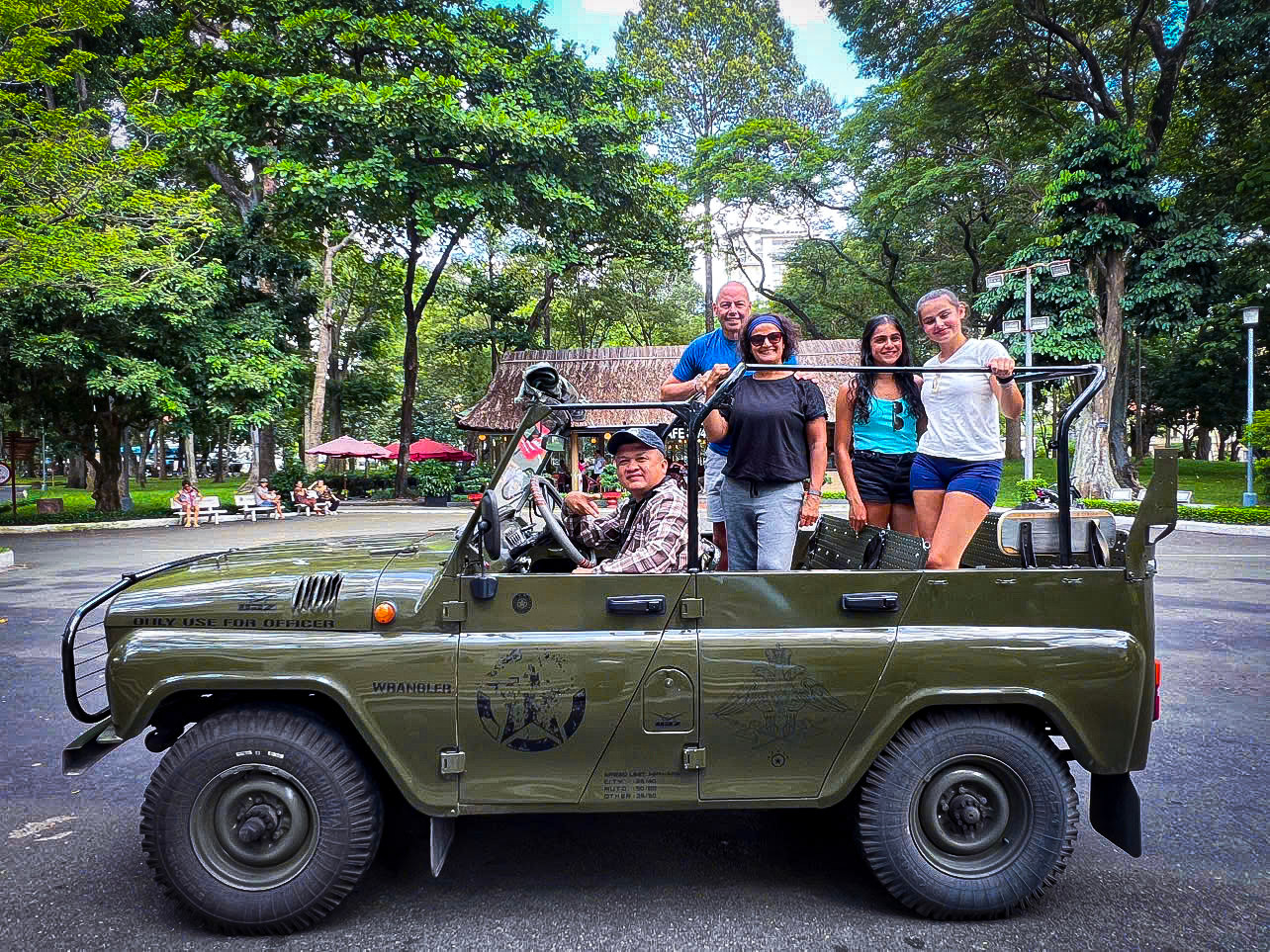
Join a guided experience with Saigon Taste Tours and discover:
Book your tour today and see the city through a local’s eyes.
4 hours
$59.85 $63.00
4 hours
$55.25 $65.00
4 hours
$33.25 $35.00
4 hours
$33.25 $35.00
4 hours
$33.25 $35.00
4 hours
$30.40 $32.00
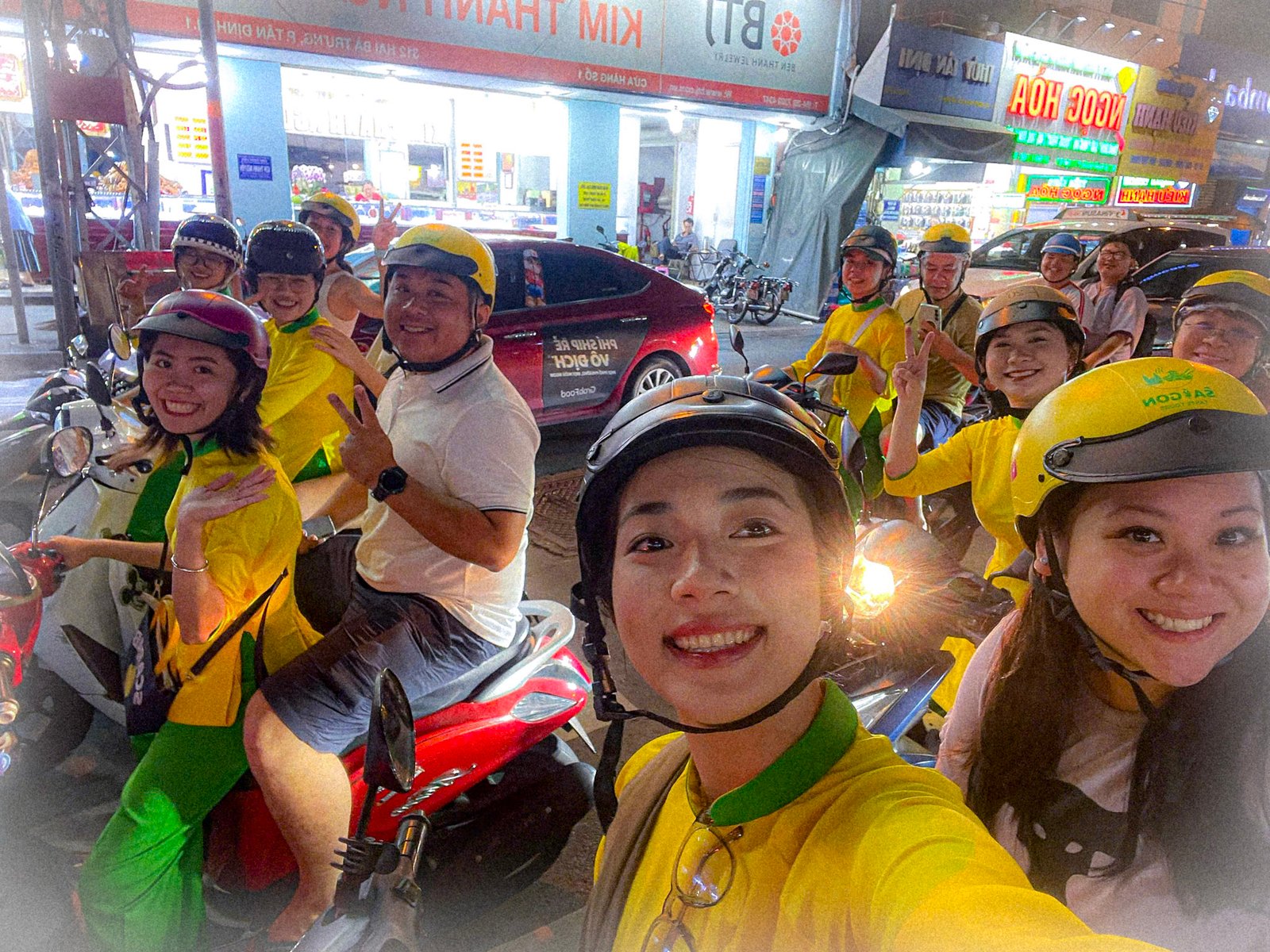
4 hours
$46.55 $49.00
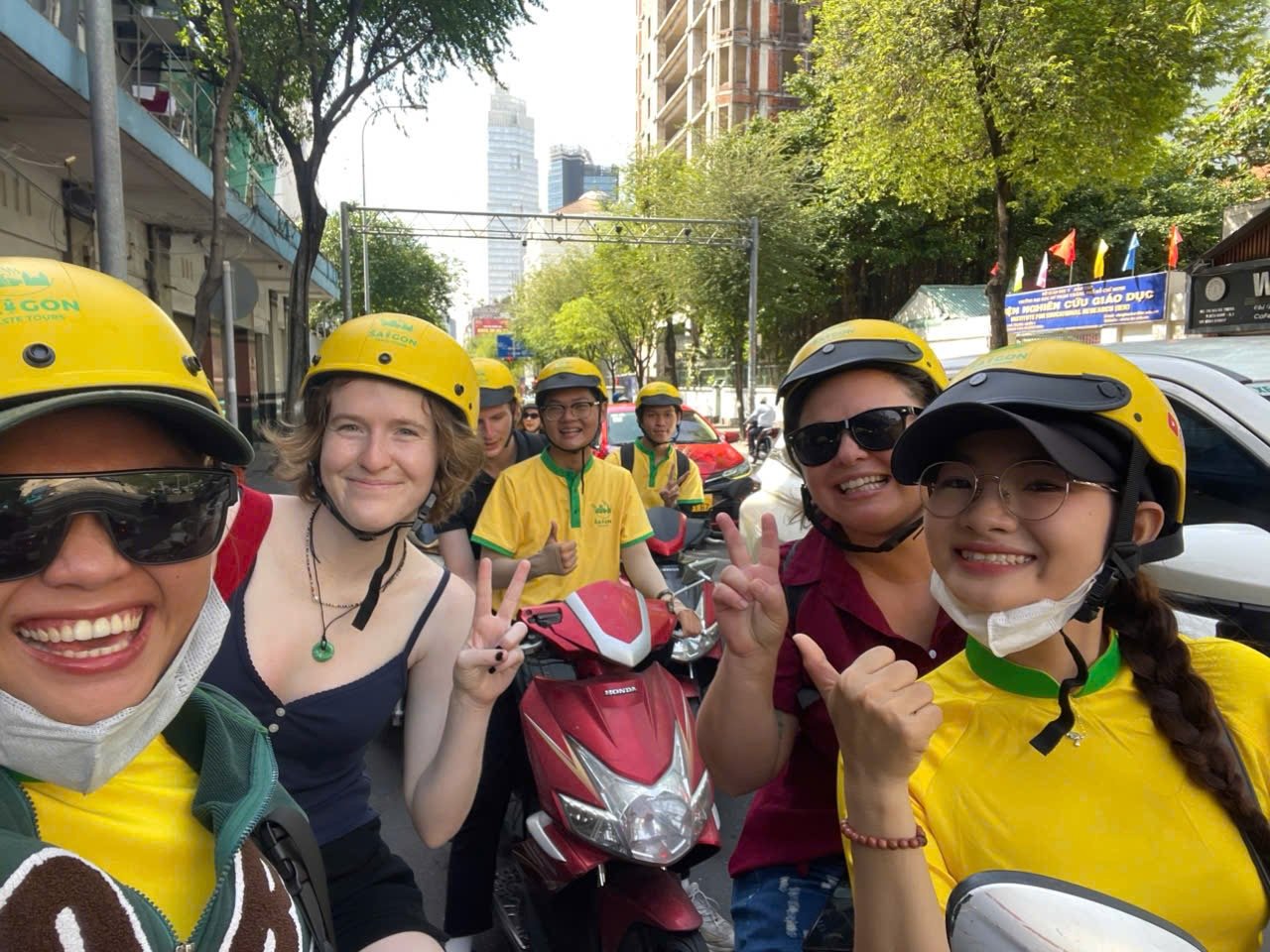
4 hours
$29.45 $31.00
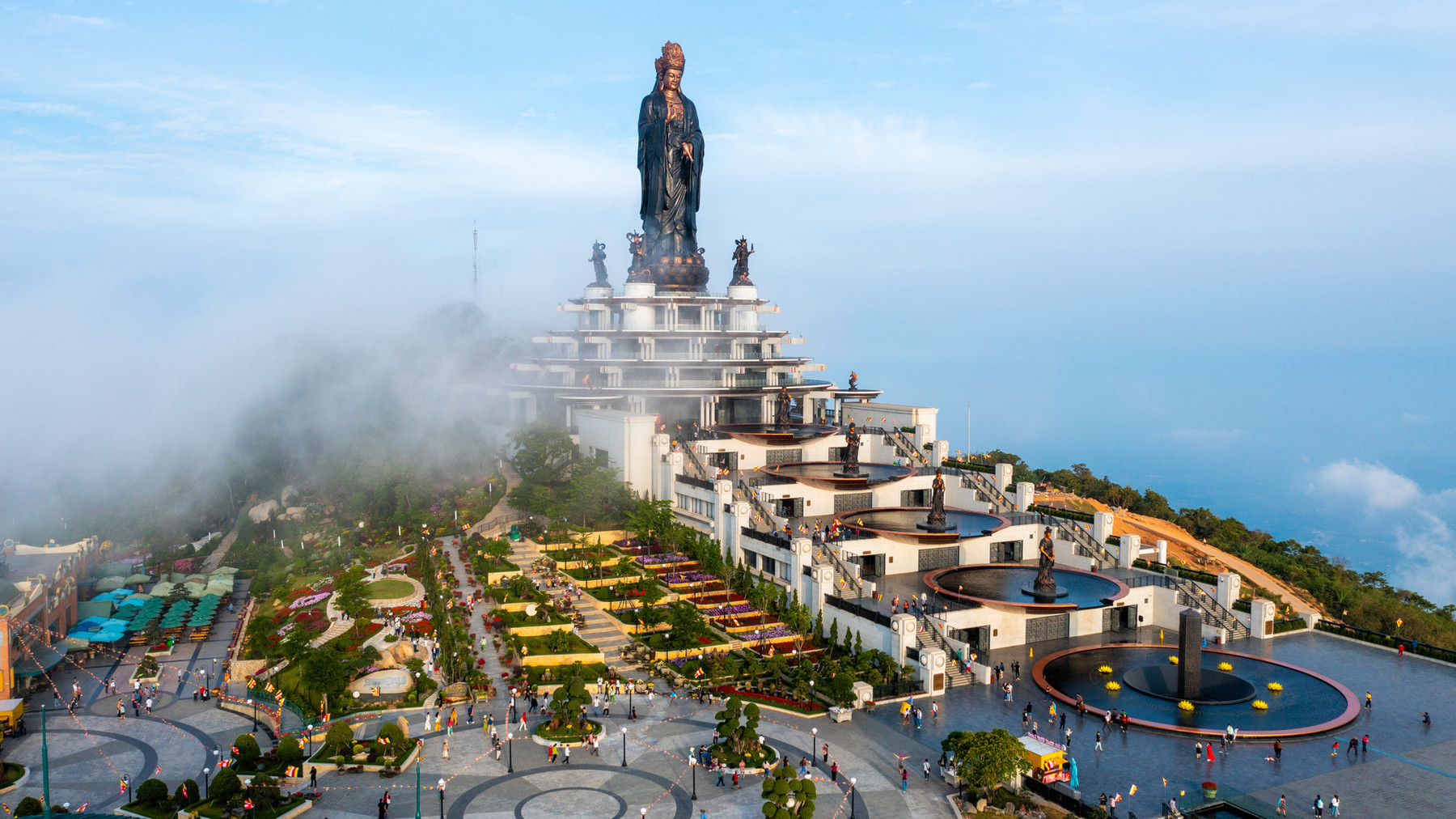
12 hours
$40.50 $45.00
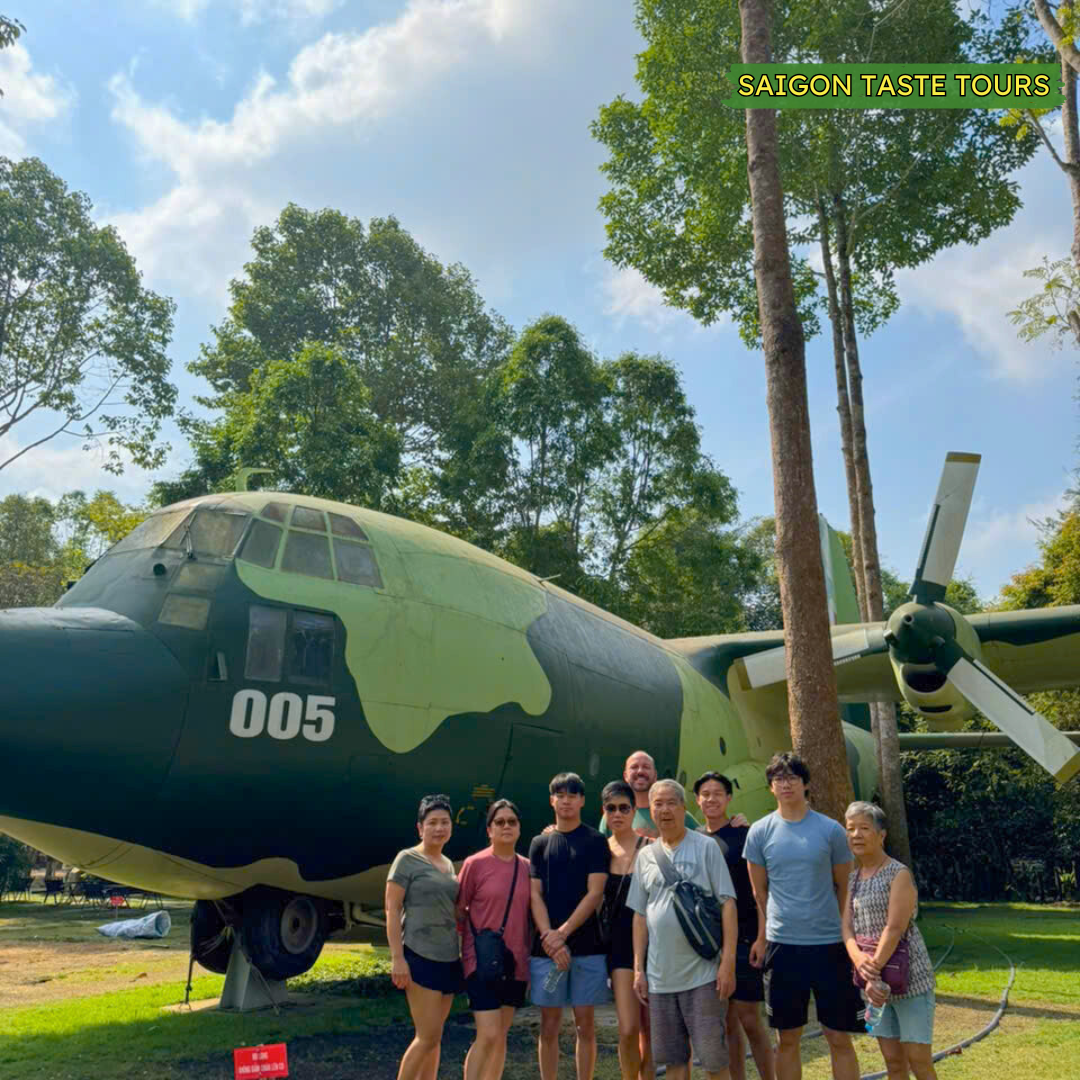
7.5 hours
$29.75 $35.00

10 hours
$58.65 $69.00
6.5 hours
$29.75 $35.00
9 hours
$50.15 $59.00
9 hours
$55.25 $65.00
10 hours
$58.65 $69.00
48 hours
$503.20 $592.00
8 hours
$38.25 $45.00

9 hours
$60.30 $67.00

9 hours
$60.30 $67.00
12 hours
$40.50 $45.00
8 hours
$66.60 $74.00
10 hours
$58.65 $69.00
4 hours
$55.25 $65.00

Welcome to SAIGON TASTE Tours! We’re a team of passionate local guides dedicated to sharing the real Saigon and Vietnam through food, culture, and hidden gems. From bustling street food stalls and historic landmarks to outdoor adventures and peaceful nature escapes, our tours are designed to be authentic and unforgettable. Every experience is private and tailored to you, guided by knowledgeable locals who go above and beyond to make you feel like you’re exploring with a friend. With us, you won’t just visit Vietnam — you’ll truly experience it. We can’t wait to welcome you! Best regards, Ben and the SAIGON TASTE Tours
saigontastetours@gmail.com Click to Connect with Us
Leave a Reply