
FEATURED TOUR-5%
4 hours
$59.85 $63.00
When planning a visit to the legendary Cu Chi Tunnels from Ho Chi Minh City, most travelers focus on how to get there, what to wear, or whether to join a tour. What many don’t realize, until it’s too late, is that the site itself is divided into two main visitor areas: Ben Dinh and Ben Duoc.
At first glance, the distinction seems minor. After all, both belong to the same underground network that once stretched over 200 kilometers during the Vietnam War. Both offer access to tunnels, exhibits, and demonstrations of wartime life. Yet once you arrive, the difference becomes immediately clear.
Choosing between Ben Dinh and Ben Duoc isn’t just about distance, it’s about the kind of experience you want. One is designed for accessibility and convenience, while the other leans toward authenticity and immersion. And depending on your expectations, that difference can shape your entire visit.

The journey to Cu Chi already sets the tone for your visit. From central Saigon, Ben Dinh is the closer option, typically reached within one and a half hours if traffic is manageable. This proximity is precisely why most half-day tours choose it. The route is straightforward, and for travelers with tight schedules, it fits neatly into a morning itinerary.
Ben Duoc, on the other hand, lies further into the district, adding roughly thirty to forty-five minutes to the trip. At first, that extra distance may feel inconvenient, especially after navigating Saigon’s busy roads. But as you move farther from the city, the landscape begins to shift. Urban density gives way to quieter stretches of countryside, and the pace of life slows noticeably.
By the time you reach Ben Duoc, you’re not just physically farther from the city, you’re mentally removed from it as well. That subtle transition plays a surprisingly important role in how the experience unfolds.
If you arrive at Ben Dinh mid-morning, the energy is immediately apparent. Groups gather around guides, cameras click constantly, and the flow of visitors moves in a steady rhythm from one section to another. The site is well-organized, clearly structured, and undeniably efficient, but it is also busy.
This isn’t necessarily a negative. For many travelers, especially first-timers, the lively atmosphere adds excitement. The explanations are easy to follow, the paths are clearly marked, and everything feels accessible. However, there are moments, particularly when entering the tunnels, where the presence of large groups can break the sense of immersion. Waiting your turn to crawl through a narrow passage is a very different experience from discovering it on your own.
At Ben Duoc, the shift is immediate and almost striking. The noise fades, the groups thin out, and the space opens up. You can walk longer distances without encountering crowds, pause wherever you like, and absorb the surroundings at your own pace. The quiet allows the history to settle in more naturally. Instead of moving with a group, you begin to explore independently, which creates a deeper connection to the place.
For travelers who value atmosphere over convenience, this difference alone often determines their choice.
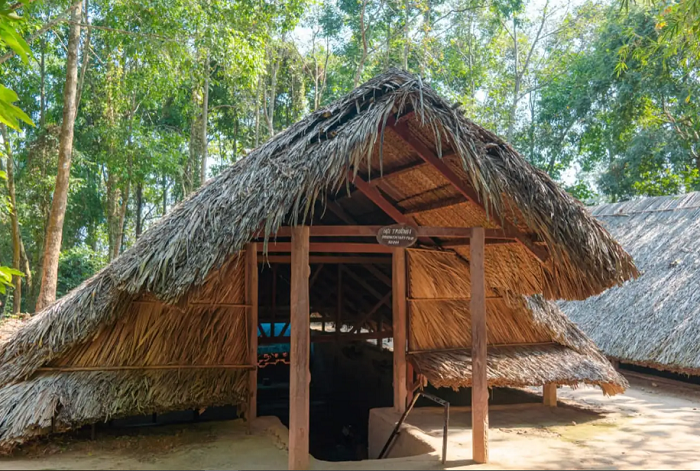
Perhaps the most talked-about difference between the two sites lies underground. At Ben Dinh, the tunnels have been carefully adapted to accommodate visitors. They are slightly wider, better reinforced, and in some sections, easier to navigate. This doesn’t make them unrealistic, it simply makes them accessible.
For many visitors, especially those unfamiliar with confined spaces, this adjustment is essential. You still experience the narrowness, the darkness, and the physical challenge, but in a way that feels manageable. It’s an introduction to the tunnel system rather than a full replication of it.
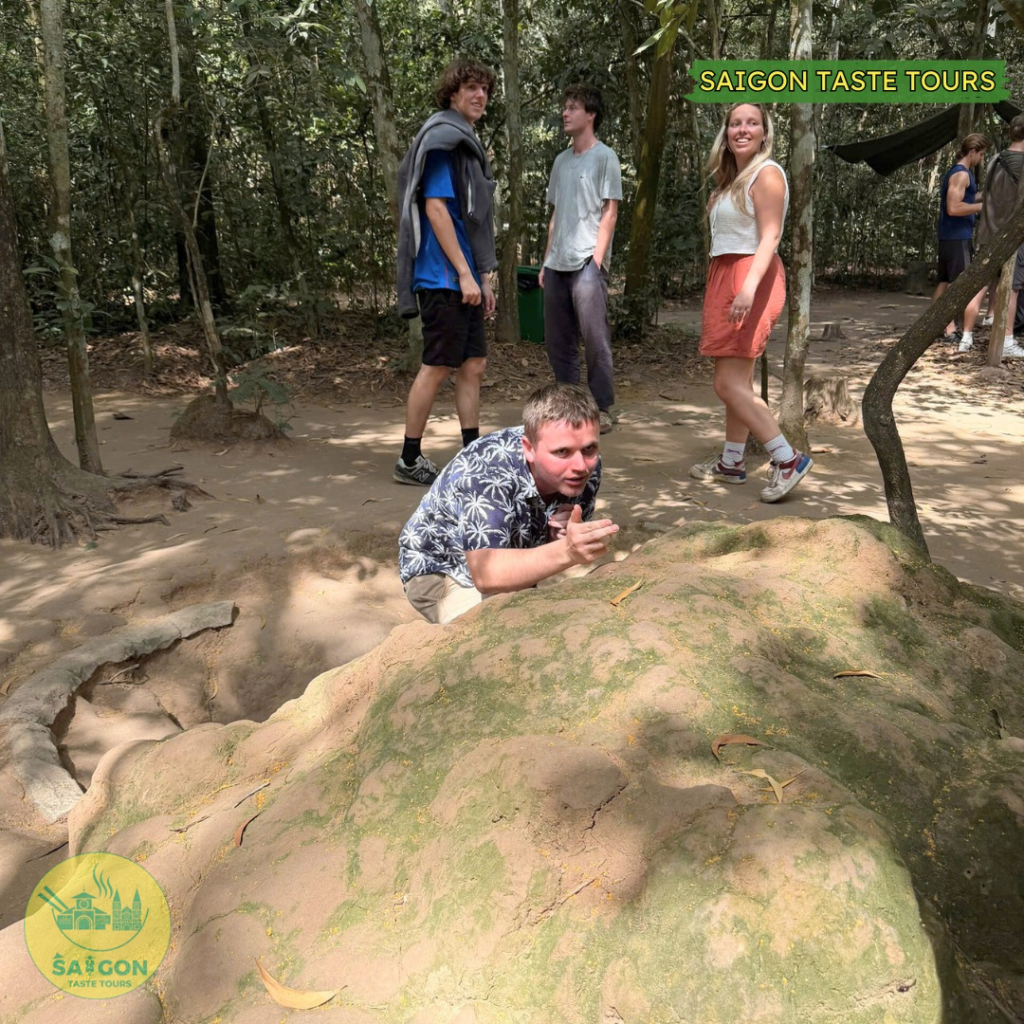
Ben Duoc approaches the experience differently. The tunnels here feel noticeably tighter, darker, and more intense. While still safe for visitors, they retain more of their original proportions, offering a closer approximation of what life underground might have been like. Crawling through these passages requires more effort, and for some, it can be physically and mentally challenging.
Yet this challenge is precisely what makes the experience memorable. You’re no longer just observing history, you’re momentarily stepping into it.
Above ground, the differences continue to unfold. Ben Dinh feels curated, almost like an open-air museum. The pathways guide you from one exhibit to another, demonstrations are scheduled and easy to follow, and additional activities, such as the shooting range, are integrated into the experience. Everything is designed to ensure that visitors understand what they’re seeing, even with limited time.
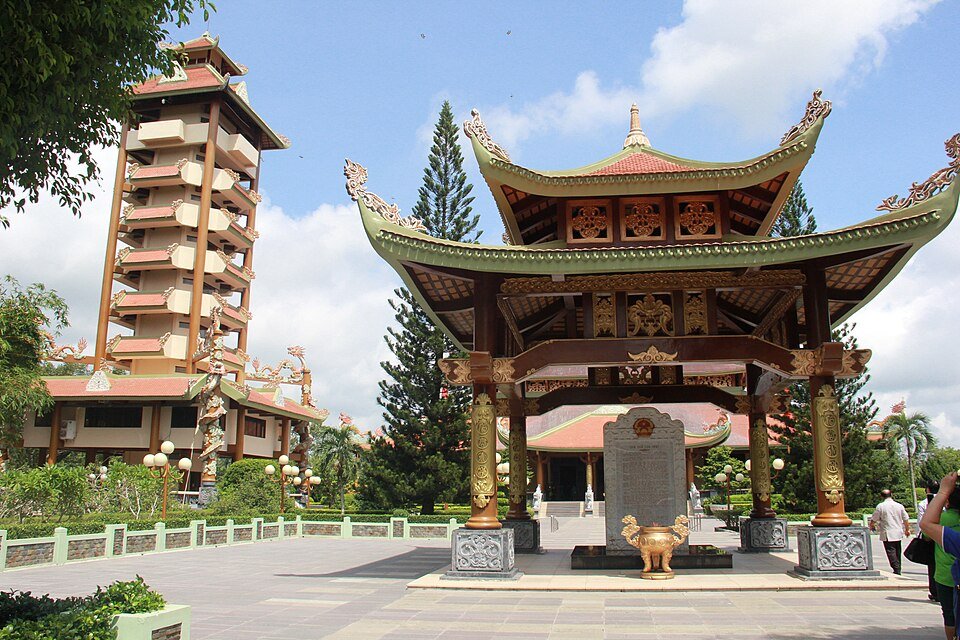
Ben Duoc, by contrast, feels less structured and more expansive. The natural surroundings play a larger role here. Trees, open spaces, and quieter pathways create an environment that feels closer to how the area might have looked during the war. One of the most notable features is the memorial temple, a solemn space dedicated to those who lost their lives.
Spending time here changes the tone of the visit. Instead of focusing purely on the mechanics of the tunnels, you begin to reflect on the human stories behind them.
Your choice between Ben Dinh and Ben Duoc is often influenced by one practical factor: time. If you’re working with a tight schedule, perhaps fitting Cu Chi into a single morning before exploring the rest of Saigon, Ben Dinh is the natural choice. Its proximity and structured layout allow you to see the highlights efficiently without feeling rushed.
Ben Duoc, however, rewards those who can slow down. The longer travel time encourages a more relaxed itinerary, often turning the visit into a half-day or full-day experience. This extra time allows you to move beyond surface-level exploration and engage more deeply with the site.
In many ways, the decision reflects your travel philosophy. Are you trying to see as much as possible in a limited time, or are you looking to experience fewer places more meaningfully?
It’s important to address a common misconception. Neither Ben Dinh nor Ben Duoc is entirely untouched. For safety and accessibility, both sites include reconstructed sections of tunnels.
The difference lies in how that reconstruction is presented. Ben Dinh prioritizes ease of access, making adjustments more visible and noticeable. Ben Duoc, while still adapted, preserves more of the original feel, making those adjustments less apparent.
For most travelers, this distinction isn’t about technical authenticity, it’s about perception. And perception shapes experience.
There is no universal answer, and that’s what makes this decision interesting.
If your priority is convenience, accessibility, and a well-organized introduction to the Cu Chi Tunnels, Ben Dinh will meet your expectations. It is efficient, informative, and perfectly suited for first-time visitors or those with limited time.
If, however, you’re drawn to quieter spaces, deeper immersion, and a more reflective experience, Ben Duoc offers something that Ben Dinh cannot. It feels less like a tourist attraction and more like a place of history.
In the end, the best choice is not about which site is better, it’s about which one aligns with the kind of journey you want to have.
No matter which site you choose, understanding the story behind the tunnels is what truly makes the visit meaningful.
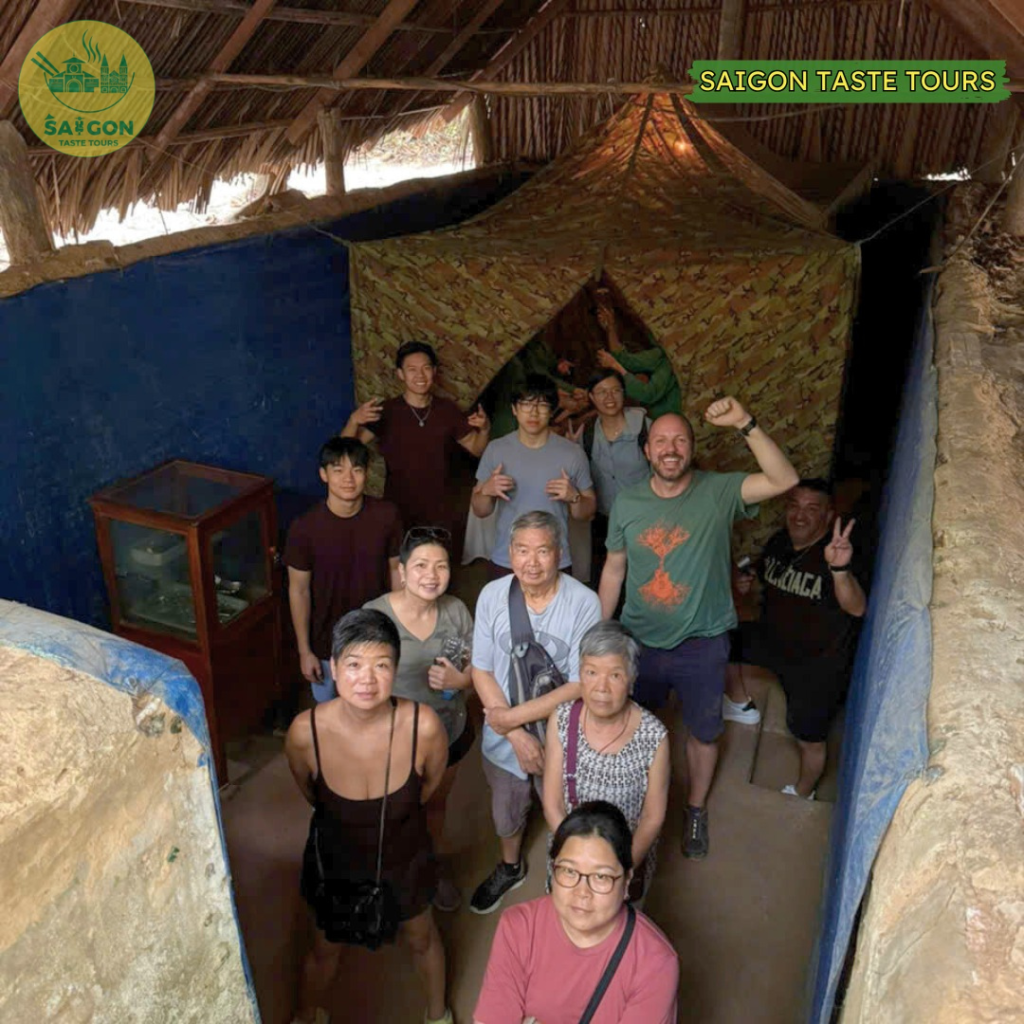
At Saigon Taste Tours, we go beyond the standard experience, helping you explore Cu Chi with deeper context, local insights, and thoughtfully designed itineraries.
Book your Cu Chi experience today and discover the history behind the tunnels, not just the tunnels themselves!
4 hours
$59.85 $63.00

4 hours
$55.25 $65.00
4 hours
$33.25 $35.00
4 hours
$33.25 $35.00
4 hours
$33.25 $35.00
4 hours
$30.40 $32.00

4 hours
$46.55 $49.00
4 hours
$29.45 $31.00
12 hours
$40.50 $45.00
7.5 hours
$29.75 $35.00

10 hours
$58.65 $69.00

6.5 hours
$29.75 $35.00
9 hours
$50.15 $59.00
9 hours
$55.25 $65.00
10 hours
$58.65 $69.00

48 hours
$503.20 $592.00

8 hours
$38.25 $45.00

9 hours
$60.30 $67.00

9 hours
$60.30 $67.00
12 hours
$40.50 $45.00
8 hours
$66.60 $74.00
10 hours
$58.65 $69.00
4 hours
$55.25 $65.00

Welcome to SAIGON TASTE Tours! We’re a team of passionate local guides dedicated to sharing the real Saigon and Vietnam through food, culture, and hidden gems. From bustling street food stalls and historic landmarks to outdoor adventures and peaceful nature escapes, our tours are designed to be authentic and unforgettable. Every experience is private and tailored to you, guided by knowledgeable locals who go above and beyond to make you feel like you’re exploring with a friend. With us, you won’t just visit Vietnam — you’ll truly experience it. We can’t wait to welcome you! Best regards, Ben and the SAIGON TASTE Tours
saigontastetours@gmail.com Click to Connect with Us

Leave a Reply