FEATURED TOUR-5%
4 hours
$59.85 $63.00
At first glance, Ho Chi Minh City feels like a city driven entirely by motion, motorbikes weaving through traffic, street vendors calling out to customers, cafés buzzing late into the night. Yet beneath this constant energy lies another layer that reveals itself only when you slow down.
It is a layer shaped by memory, belief, and stories that rarely make it into official history. In Vietnam, the idea of the spiritual world is not separate from daily life. It exists quietly alongside it, in incense smoke curling through temple air, in offerings placed at street corners, and in places where history has left an emotional imprint too strong to ignore.
Exploring Saigon through this lens is less about chasing ghost stories and more about understanding how people relate to the past, to loss, and to forces they cannot fully explain. The places below are not simply “haunted” or “spiritual”, they are spaces where history, culture, and belief intersect in ways that feel deeply human.
Walking into the War Remnants Museum is unlike entering any other attraction in Saigon. The building itself is not grand or ornate, but what it contains creates an atmosphere that is impossible to ignore.
The first thing most visitors notice is the quiet. Despite the number of people moving through the exhibits, conversations tend to soften, footsteps slow down, and the usual energy of tourism fades into something more subdued. The photographs displayed inside are powerful, some difficult to look at, and they capture moments of suffering, resilience, and survival during the Vietnam War.
Yet it is not only the images that leave an impression. It is the feeling that lingers between them. Many visitors describe a heaviness in the air, as if the stories held within the walls have not entirely settled. Whether this sensation is psychological or something more intangible is open to interpretation, but its impact is undeniable.
Outside, rows of military vehicles stand in stark contrast to the quiet inside. Helicopters, tanks, and aircraft sit motionless under the sun, stripped of their original context yet still carrying symbolic weight.
For some, this place is simply educational. For others, it feels deeply emotional, almost spiritual in the way it forces reflection. It is not a site of ghosts in the traditional sense, but if there is such a thing as a place being “haunted” by history, this would be it.
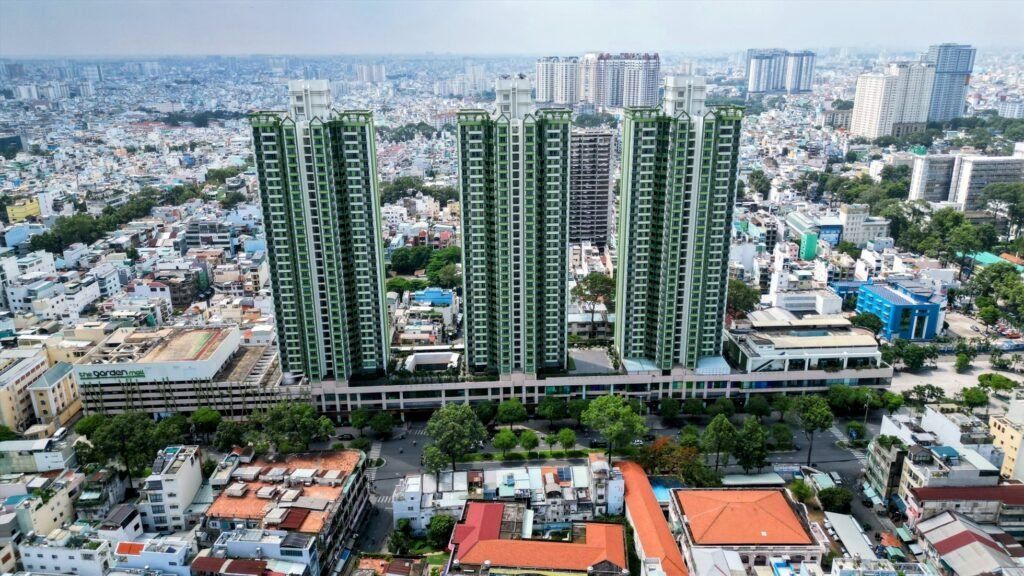
In the heart of Chinatown, Thuan Kieu Plaza rises above the surrounding streets like a reminder of something unfinished. Its three towers, once envisioned as a modern residential and commercial complex, tell a very different story today.
For years, the building struggled to attract residents. Apartments remained empty, corridors stayed quiet, and over time, the space developed a reputation that extended far beyond its architectural presence. Locals began to share stories, some spoke of strange sounds echoing through empty floors, others of fleeting shadows seen in hallways that should have been deserted.
Whether these stories are based on real experiences or simply the product of imagination, they have become part of the building’s identity. Walking near it, especially in the evening, you can sense why such stories emerged. The scale of the structure feels disproportionate to the activity around it, and the contrast between its intended purpose and its reality creates an atmosphere that is difficult to define.
In recent years, redevelopment efforts have brought parts of the complex back to life. Lights have returned, businesses have reopened, and the building is no longer as empty as it once was. Yet its past lingers in public perception. Even today, many locals still refer to it with a sense of hesitation, as though its history has not fully faded.
Thuan Kieu Plaza is not simply a “haunted building”, it is an example of how urban spaces can accumulate stories, and how those stories can shape how people experience them.
In the heart of modern Ho Chi Minh City, surrounded by busy intersections and student cafés, Turtle Lake appears at first glance to be nothing more than a popular hangout spot. Young people gather here in the evenings, street food vendors line the sidewalks, and the atmosphere feels lively and familiar.
Yet beneath this everyday energy lies a layer of symbolism and local belief that gives the place a completely different meaning, one that many visitors never notice unless they are told.
According to a widely shared feng shui interpretation, Turtle Lake is believed to sit at the “tail of a dragon”, while the head of that same dragon is said to lie at the Independence Palace. This invisible alignment is not officially documented in urban planning records, but it has become part of Saigon’s urban folklore, an example of how traditional beliefs are used to interpret the layout of modern cities.
In this symbolic framework, the dragon represents power, protection, and flow of energy. The “head,” located at the Independence Palace, is associated with authority and control, while the “tail,” at Turtle Lake, is believed to regulate or release that energy. Some locals suggest that this alignment explains why the area around the lake has gone through multiple phases of transformation, never quite settling into a single identity.
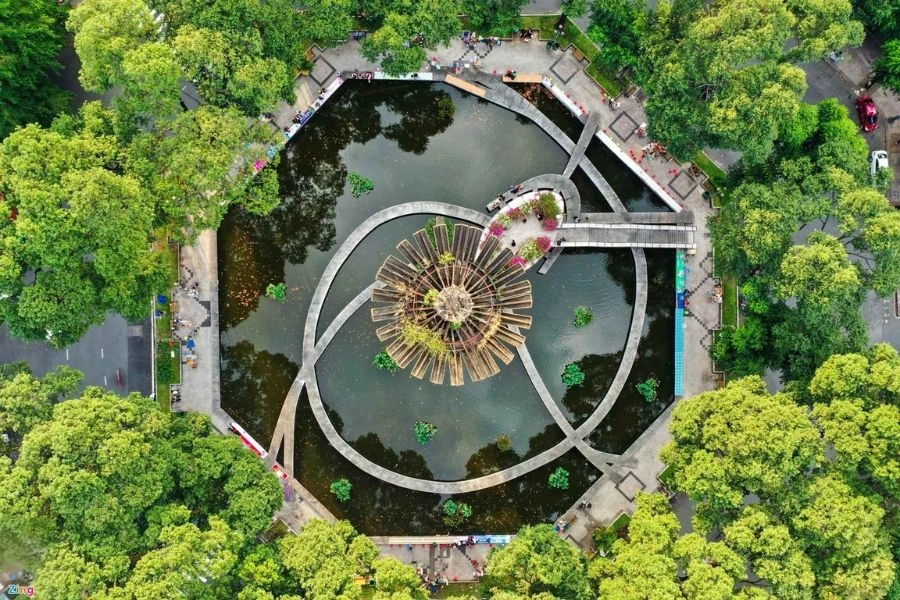
Historically, the site itself has changed significantly over time. During the French colonial period, it was known as a roundabout with a monument at its center. Later, it was redesigned into the structure we see today, featuring a circular layout, walkways, and a central sculpture that once included a turtle figure—giving rise to its popular name. Although the original statue no longer remains, the name “Hồ Con Rùa” continues to carry symbolic meaning, as turtles in Vietnamese culture are often associated with longevity, stability, and spiritual connection.
There are also quieter, less formal stories surrounding the area. Some locals speak of the space having an unusual “energy,” particularly late at night when the crowds thin out and the noise of the city fades. Unlike more dramatic urban legends, these accounts are subtle, more about atmosphere than specific events. People describe a feeling of stillness that contrasts with the daytime chaos, as if the place briefly reveals a different side of itself when left undisturbed.
Whether interpreted through feng shui, history, or personal experience, Turtle Lake represents an interesting intersection between modern urban life and traditional belief systems. It is not a temple, nor a historical monument in the conventional sense, yet it carries layers of meaning that go beyond its physical appearance.
For visitors, this duality is what makes the location intriguing. You can sit on a low wall, drink iced tea, and watch the city move around you, while also knowing that, in the eyes of local folklore, you are sitting at the end of a mythical dragon stretching across Saigon.
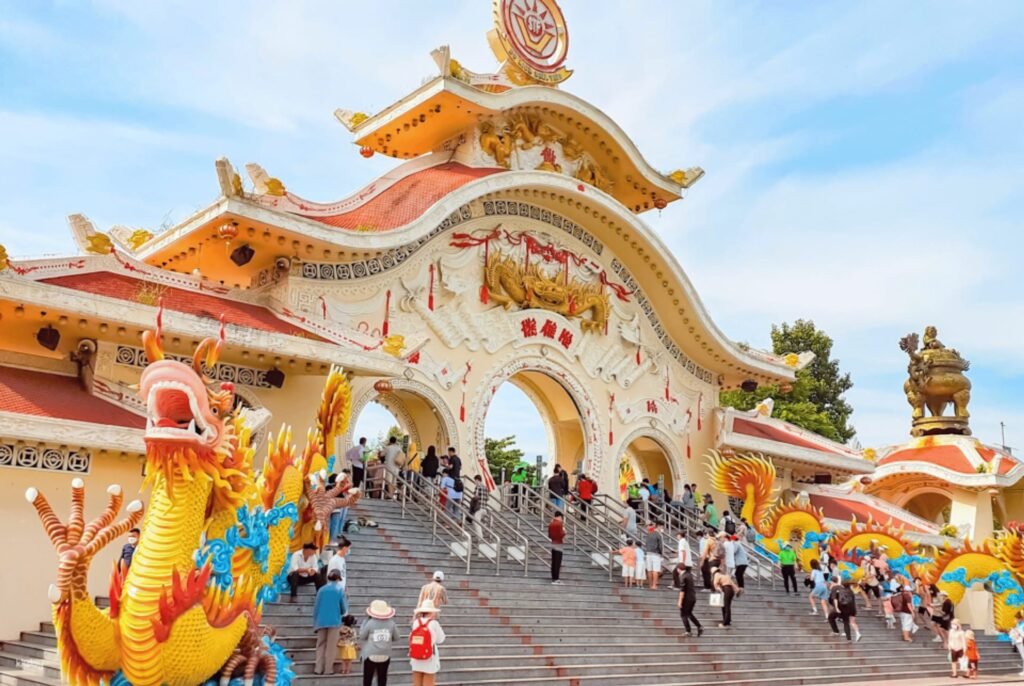
Unlike traditional temples or pagodas, Suoi Tien offers a completely different interpretation of spirituality, one that blends Vietnamese mythology, Buddhist philosophy, and modern entertainment into a single, immersive environment. Located in the eastern part of Ho Chi Minh City, this cultural theme park is often misunderstood as just an amusement park. In reality, it represents a unique space where belief systems are expressed through large-scale visual storytelling.
As you enter the park, the first impression is almost surreal. Giant sculptures rise above the landscape, depicting dragons, deities, and legendary figures from Vietnamese folklore. These are not subtle artistic elements, they are bold, symbolic, and designed to evoke a sense of awe. Walking through the park feels like moving through a physical narrative, where each structure represents a story, a moral lesson, or a spiritual concept.
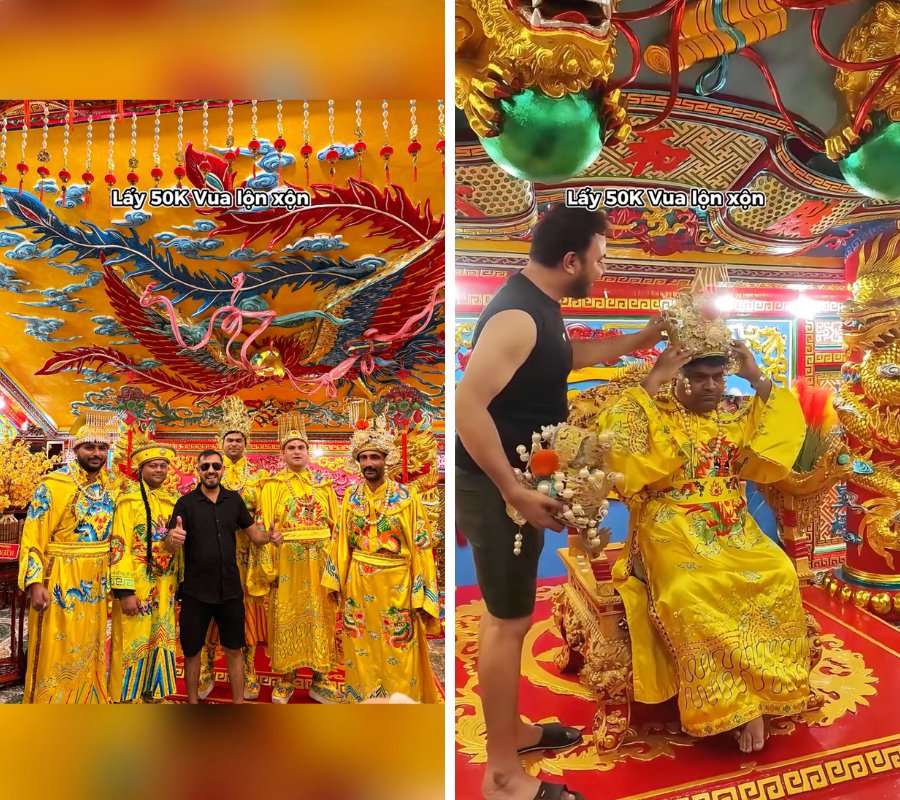
One of the most striking areas is the Quang Truong Phat Dia Mau, a vast spiritual square dedicated to the Mother Goddess, a central figure in Vietnamese folk belief. Here, visitors often pause not just to take photos, but to light incense, offer prayers, or simply stand quietly in front of the towering statue. The scale of the space amplifies its presence, making the act of worship feel both personal and communal at the same time.
Further inside, places like the Fairy Well and the Temple of the Seven Fairy Maidens add another layer of symbolic meaning. These sites are associated with wishes, blessings, and the idea of spiritual guidance. Visitors often participate in small rituals, dropping coins, making wishes, or touching sacred elements, creating a direct interaction between belief and action.
Perhaps one of the most intriguing features is the ancient “Wishing Tree,” said to be over 300 years old. Covered with ribbons and written wishes, it stands as a living archive of human hopes, each piece of paper representing a personal story, a silent prayer, or a desire for change.
What makes Suoi Tien particularly fascinating is how it integrates spirituality into a contemporary setting. It does not separate sacred from entertainment; instead, it allows them to coexist. Visitors might move from a spiritual site to a modern attraction within minutes, yet the symbolic presence remains constant throughout.
This blending of the sacred and the playful reflects a uniquely Vietnamese approach to spirituality, one that is not confined to solemn spaces but can be expressed through color, scale, and imagination.
To truly appreciate these places, it helps to understand that in Vietnam, spirituality is not something separate from daily life. It is integrated into routines, traditions, and cultural values.
Rather than focusing on fear, many beliefs emphasize respect, respect for ancestors, for history, and for forces that cannot be easily explained. Practices such as offering incense or maintaining altars are not seen as unusual; they are simply part of living in harmony with both the visible and invisible world.
Exploring the haunted and spiritual side of Saigon is not about seeking thrills or proving the existence of the supernatural. It is about recognizing that cities carry memory, not only in their buildings and streets, but in the stories people tell about them.
Each place in this guide offers a different perspective. Some are rooted in history, others in belief, and some in the quiet intersection between the two. Together, they reveal a side of Saigon that is often overlooked but deeply meaningful.
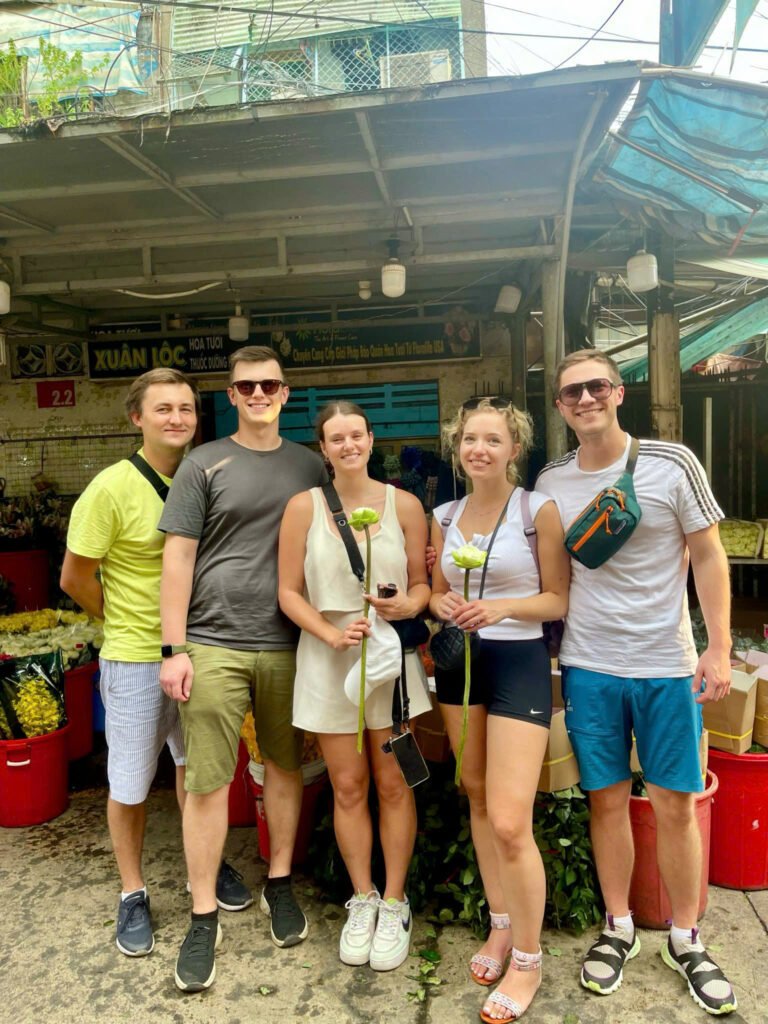
If you want to go beyond surface-level sightseeing and explore the deeper stories of the city, traveling with locals can make all the difference.
At Saigon Taste Tours, we bring these stories to life through immersive experiences that connect history, culture, and everyday life.
Join us and discover a side of Saigon that most travelers never see.
4 hours
$59.85 $63.00
4 hours
$55.25 $65.00
4 hours
$33.25 $35.00
4 hours
$33.25 $35.00
4 hours
$33.25 $35.00
4 hours
$30.40 $32.00
4 hours
$46.55 $49.00
4 hours
$29.45 $31.00
12 hours
$40.50 $45.00
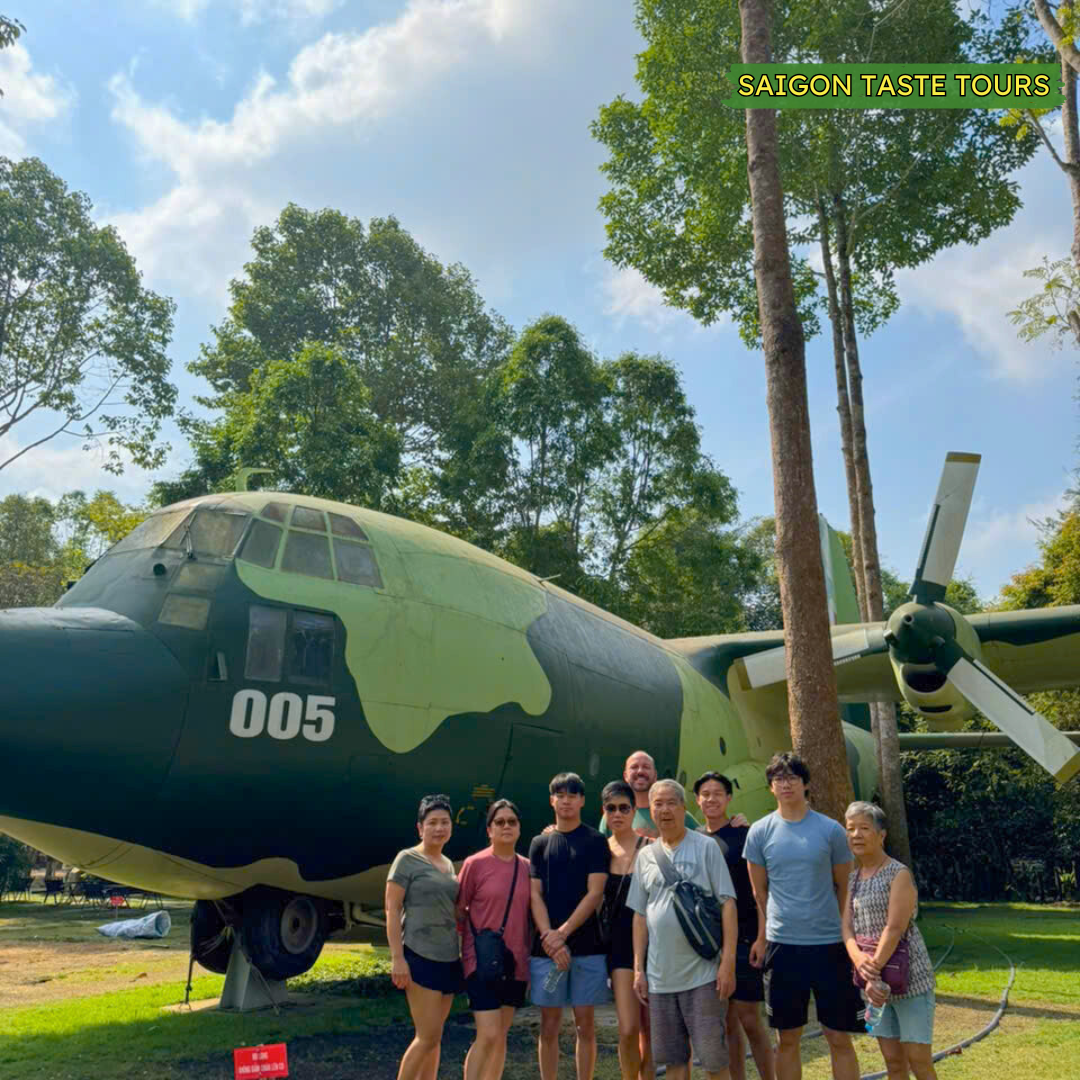
7.5 hours
$29.75 $35.00
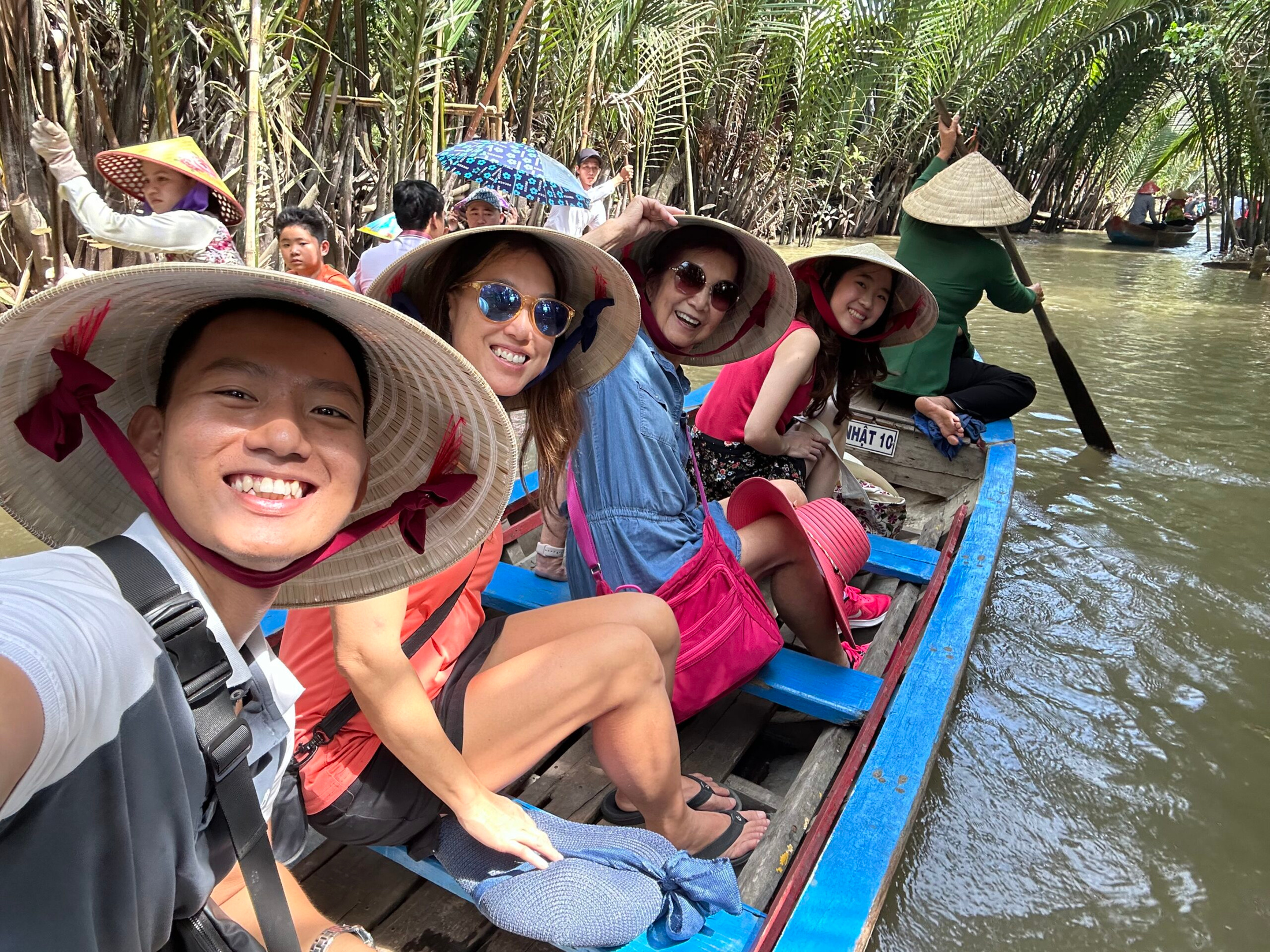
10 hours
$58.65 $69.00
6.5 hours
$29.75 $35.00
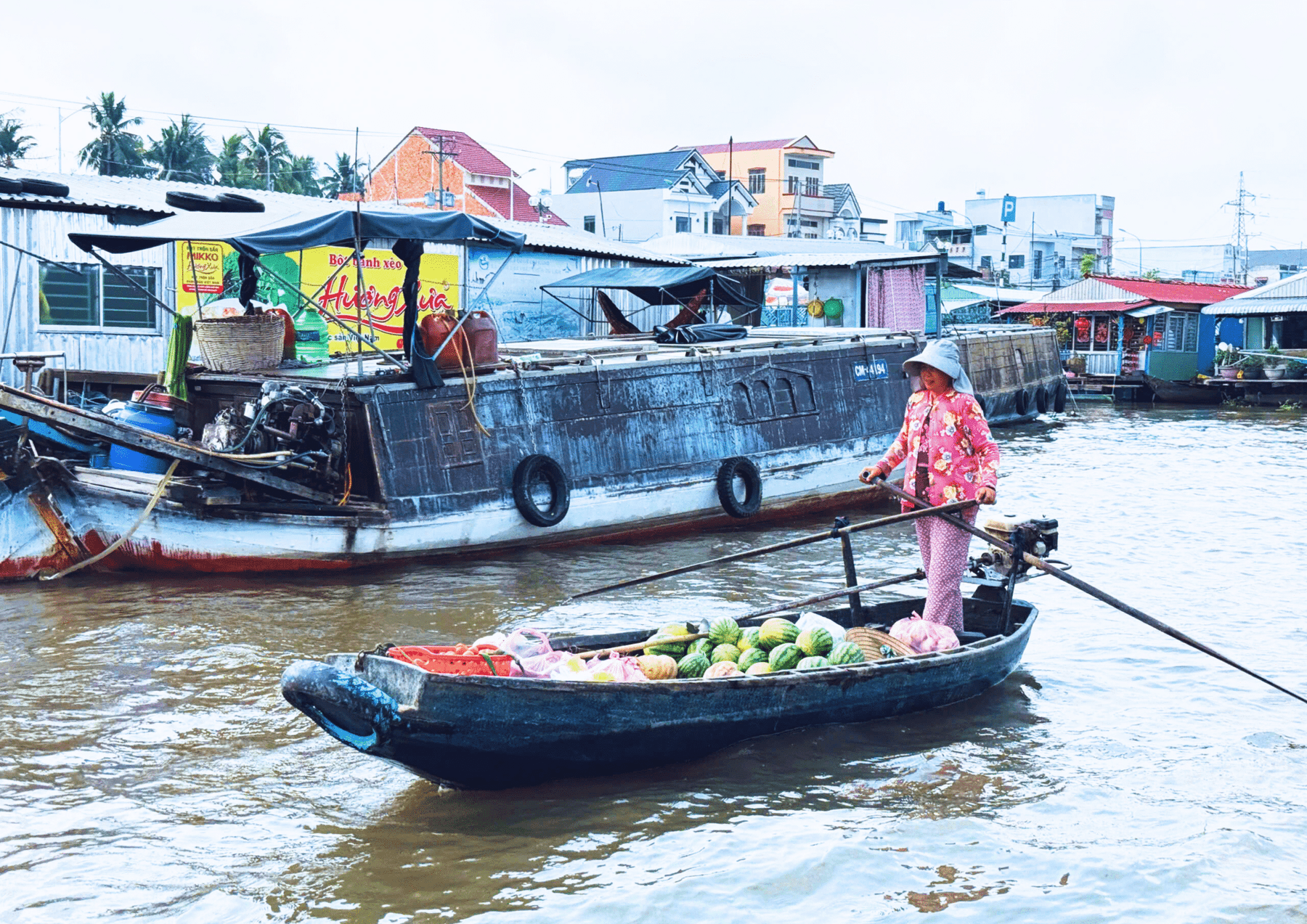
9 hours
$50.15 $59.00
9 hours
$55.25 $65.00
10 hours
$58.65 $69.00
48 hours
$503.20 $592.00
8 hours
$38.25 $45.00

9 hours
$60.30 $67.00

9 hours
$60.30 $67.00
12 hours
$40.50 $45.00
8 hours
$66.60 $74.00
10 hours
$58.65 $69.00
4 hours
$55.25 $65.00

Welcome to SAIGON TASTE Tours! We’re a team of passionate local guides dedicated to sharing the real Saigon and Vietnam through food, culture, and hidden gems. From bustling street food stalls and historic landmarks to outdoor adventures and peaceful nature escapes, our tours are designed to be authentic and unforgettable. Every experience is private and tailored to you, guided by knowledgeable locals who go above and beyond to make you feel like you’re exploring with a friend. With us, you won’t just visit Vietnam — you’ll truly experience it. We can’t wait to welcome you! Best regards, Ben and the SAIGON TASTE Tours
saigontastetours@gmail.com Click to Connect with Us

I think other site proprietors should take this site as an model, very clean and fantastic user friendly style and design, as well as the content. You’re an expert in this topic!
An interesting dialogue is price comment. I feel that you need to write more on this matter, it might not be a taboo subject however typically persons are not enough to talk on such topics. To the next. Cheers