
Saigon Waterbus Experience: Routes, Tips & Itinerary 2026
The ultimate guide to exploring Hồ Chí Minh City by river
There are many ways to experience Hồ Chí Minh City, but few are as surprisingly relaxing, scenic, and underrated as the Saigon Waterbus.
While most visitors experience the city from crowded streets filled with endless streams of motorbikes, the Waterbus reveals a completely different side of Saigon, one shaped by riverside neighborhoods, modern skylines, hidden local communities, and the calm rhythm of the Saigon River itself.
For many travelers, the Waterbus becomes more than just transportation. It becomes an experience. The cool breeze, panoramic skyline views, and slow transition from urban chaos to peaceful riverside scenery create one of the most memorable activities in the city. As noted by travel site Vietnam Coracle, the Saigon Waterbus is “one of the best things to do in Saigon” thanks to its affordability, atmosphere, and unique perspective of the city.
This guide covers everything you need to know about the Saigon Waterbus experience, including routes, ticket prices, best stations, travel tips, and a suggested itinerary for first-time visitors.
What is Saigon Waterbus?
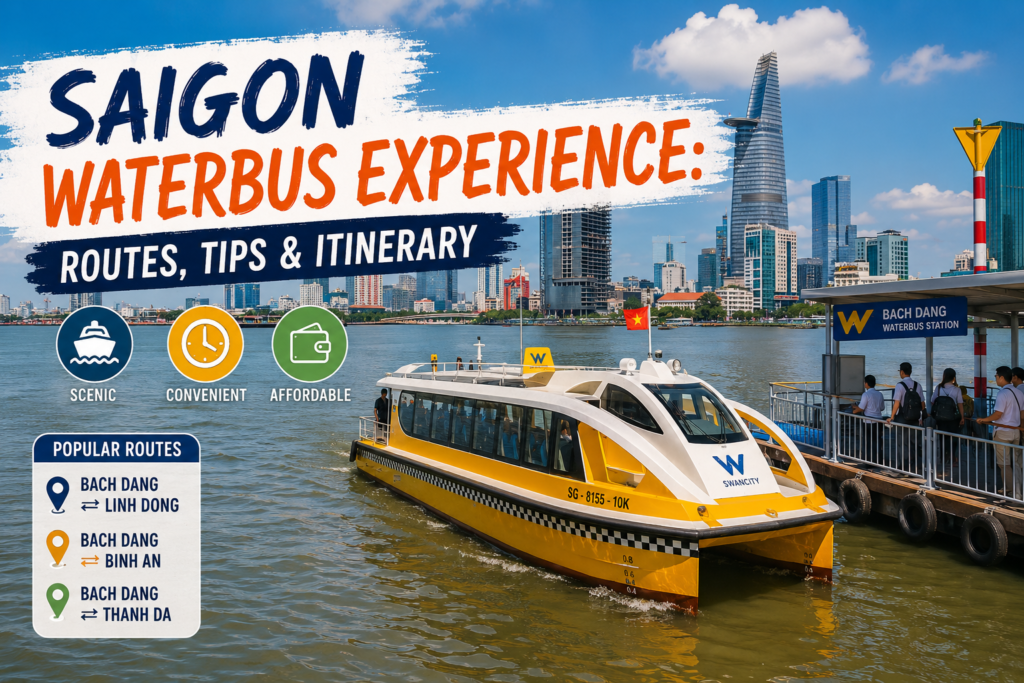
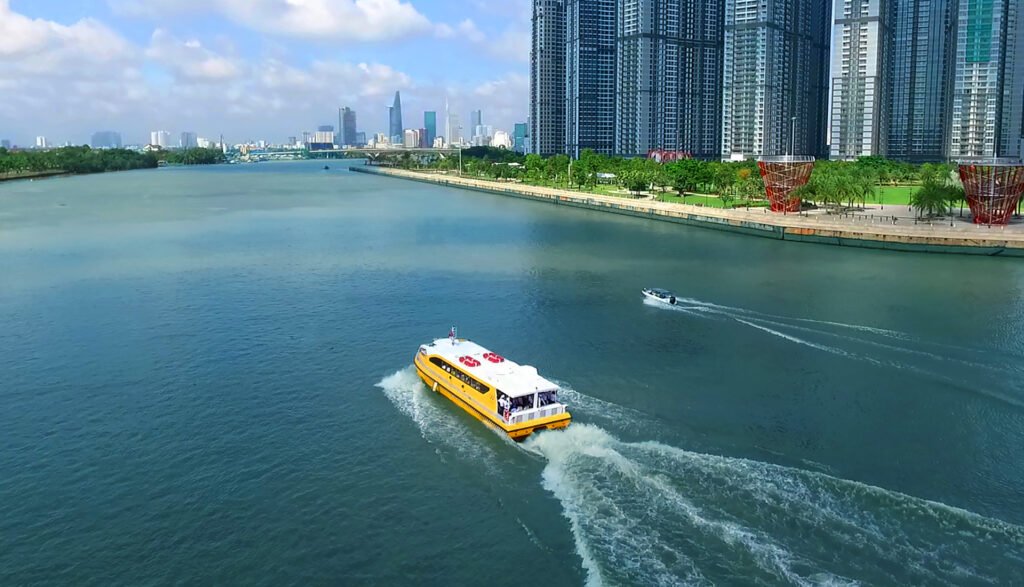
The Saigon Waterbus is a public river transport system operating along the Saigon River. Instead of navigating the city’s congested roads, passengers travel by boat between several riverside stations stretching from District 1 toward Thủ Đức City.
Originally introduced as part of Saigon’s effort to reconnect with its riverfront, the Waterbus has evolved into both a transportation option and a popular sightseeing activity. While locals occasionally use it for commuting, most passengers today are travelers, photographers, couples, and residents looking for a relaxing escape from traffic.
The experience feels surprisingly peaceful compared to the intensity of street-level Saigon. Once the boat leaves the dock, the noise softens, the breeze cools the air, and the skyline slowly unfolds around you.
Why Saigon Waterbus is worth trying?
One of the biggest surprises for first-time visitors is how scenic the ride actually is. The route passes through dramatically different parts of the city, revealing modern skyscrapers, luxury riverside apartments, industrial ports, quiet local neighborhoods, and pockets of greenery rarely seen from the road.
The contrast is what makes the experience so fascinating. In one moment, you are looking at the futuristic silhouette of Landmark 81 dominating the skyline. Minutes later, the scenery shifts into peaceful riverside communities that feel far removed from the city center.
The Waterbus is also extremely affordable. According to Vietnam Coracle, tickets cost around 15,000 VND for the full route regardless of distance, making it one of the cheapest sightseeing experiences in Saigon.
More importantly, it offers something many travelers desperately seek in Saigon: space to breathe.
Saigon Waterbus route & stations
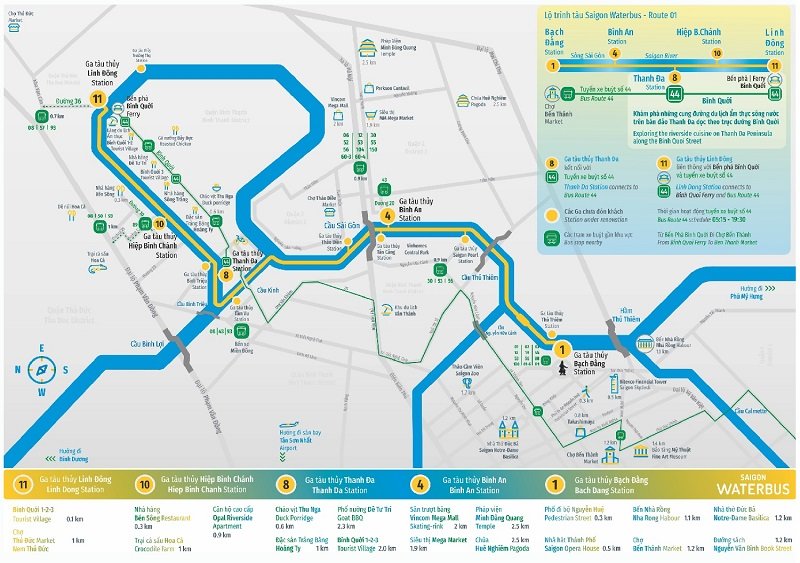
The current Waterbus route connects several riverside stations between downtown Saigon and Thủ Đức City. Although additional stations have been proposed in the future, the main operational route currently includes:
- Bạch Đằng Station
- Bình An Station
- Thanh Đa Station
- Hiệp Bình Chánh Station
- Linh Đông Station
According to recent travel updates, newer stops such as Thủ Thiêm have also become increasingly popular among visitors exploring the riverside area.
Each station offers a completely different atmosphere and local experience, making the Waterbus ideal for hop-on-hop-off style exploration.
Bạch Đằng Station – The best starting point
The journey usually begins at Bạch Đằng Wharf, located in the heart of District 1.
This is by far the most convenient station for tourists and also the most visually impressive. Surrounded by skyscrapers, luxury hotels, and major city landmarks, Bach Dang offers spectacular views of the Saigon skyline before the boat even departs.
The riverside promenade nearby has become one of the city’s most popular walking areas, especially during sunset. Cafes, parks, and rooftop bars are all within walking distance, making it an excellent place to begin or end your Waterbus experience.
At night, the skyline reflections across the river create one of the most photogenic scenes in Hồ Chí Minh City.
Bình An Station – Skyline views & riverside cafes
As the Waterbus moves away from District 1, the scenery opens dramatically near Bình An.
This stop is known for offering some of the best views of Landmark 81 and the rapidly developing riverside skyline. Compared to the busy city center, the atmosphere here feels calmer and more residential.
Many travelers stop here simply to enjoy coffee beside the river while watching boats pass slowly across the water.
Thanh Đa Station – A glimpse into old Saigon
One of the most interesting stops along the route is Thanh Đa.
Unlike the polished urban image of downtown Saigon, Thanh Đa feels nostalgic and deeply local. The area is filled with old apartment blocks, hidden alleyways, riverside parks, and local seafood restaurants.
Vietnam Coracle describes Thanh Đa as one of the most pleasant Waterbus stops because of its local character and slower pace of life.
Walking around Thanh Đa offers a rare opportunity to see a quieter, older side of the city that many tourists never experience.
Hiệp Bình Chánh Station – Quiet riverside escape
Further north, Hiệp Bình Chánh offers a noticeably greener and more peaceful environment.
Tree-lined streets, boutique cafes, riverside restaurants, and spacious residential areas make this stop feel surprisingly distant from the crowded center of Saigon.
This is one of the best stations for travelers who want to slow down, enjoy lunch by the river, or simply relax away from the tourist crowds.
Linh Đông Station – The hidden end of the route
At the northern end of the line lies Linh Đông, currently one of the quietest Waterbus stops.
The atmosphere here becomes almost semi-rural. Cargo barges move slowly across wide stretches of river, local ferries cross between riverbanks, and small food stalls line nearby streets.
Vietnam Coracle notes that the area around Linh Dong has an unexpectedly peaceful atmosphere with alleyways, temples, and riverside walkways worth exploring.
For travelers seeking authenticity rather than attractions, Linh Đông is one of the most rewarding stops.
Saigon Waterbus ticket prices & schedule
One of the best aspects of the Waterbus is its simplicity.
Tickets are inexpensive and can usually be purchased directly at the station before departure. According to Vietnam Coracle, fares are typically charged at a flat rate regardless of how far you travel.
The boats generally operate daily between morning and early evening, with more departures available during weekends and holidays. Recent travel guides also recommend checking updated schedules online because operating times may occasionally change.
For the best experience, many travelers prefer late afternoon departures when temperatures cool down and the sunset light begins to transform the skyline.
Best time to ride the Saigon Waterbus
Although the Waterbus operates throughout the day, timing makes a huge difference.
Early morning rides offer cooler temperatures and softer light, making them ideal for photography and a quieter atmosphere. However, sunset is widely considered the most beautiful time to ride.
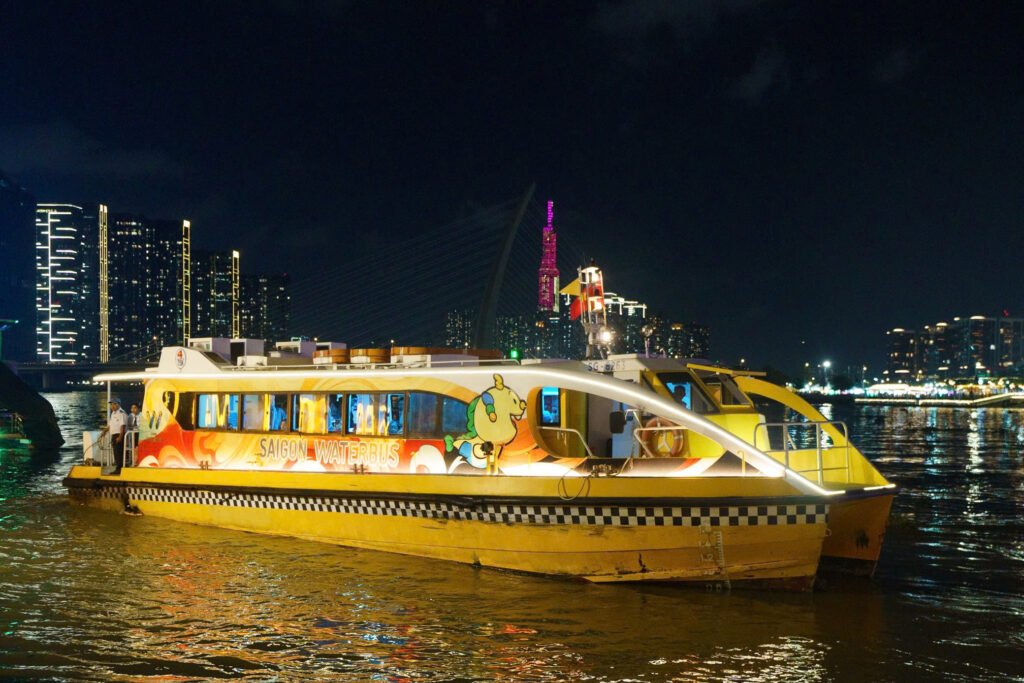
As the sun lowers behind the skyline, the city begins glowing in shades of orange and gold while the river reflects the changing light. Once darkness arrives, the illuminated skyline creates a completely different experience that feels unexpectedly modern and cinematic.
Suggested Saigon Waterbus itinerary for first-time visitors
For travelers visiting the Waterbus for the first time, the best approach is not to rush.
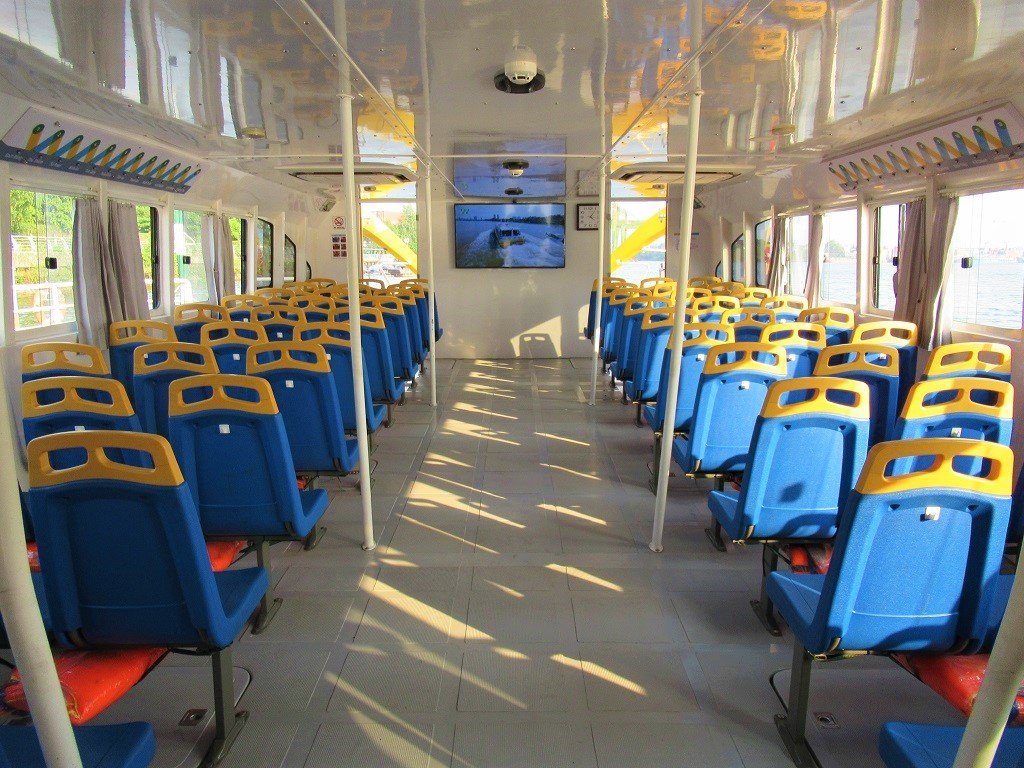
Start at Bạch Đằng Station around 4 PM and take the Waterbus northbound. Sit near the back deck if possible, where the open-air seating offers the best breeze and uninterrupted river views. Vietnam Coracle specifically highlights the rear deck as one of the best places to sit during the journey.
Stop at Thanh Da to explore the neighborhood, enjoy local seafood or Vietnamese coffee, then continue toward Linh Dong if you want to experience the quieter edge of the city.
As evening approaches, return toward Bạch Đằng Station and watch the skyline light up after sunset. Ending the journey with dinner or drinks by the river creates a perfect Saigon evening.
Helpful tips before taking the waterbus
While the Waterbus is easy to use, a few simple tips can make the experience much smoother.
It’s best to avoid midday rides during the hottest part of the day, especially in dry season months. Bringing cash is also recommended, as smaller stations may not always support digital payment systems.
Window seats and outdoor seating areas fill quickly around sunset, so arriving slightly early helps secure better views. Travelers should also keep their cameras ready throughout the journey because some of the best skyline views appear unexpectedly between stations.
Most importantly, treat the Waterbus less like public transportation and more like part of the travel experience itself.
Final thoughts
The Saigon Waterbus offers one of the most unique and underrated experiences in Hồ Chí Minh City.
It reveals a side of Saigon that many travelers never see, a city connected by water, shaped by riverside communities, and constantly evolving between tradition and modernity. From glittering skyscrapers to peaceful local neighborhoods, the journey captures the many layers of the city in a way that no taxi ride ever could.
For travelers searching for a slower, more scenic, and more authentic perspective of Saigon, the Waterbus is absolutely worth adding to your itinerary.
Ready to explore the real Saigon?
Discover the city beyond the tourist spots with Saigon Taste Tours. Come explore the real Saigon with us, where you don’t just see the city, you taste it
Book your experience today and discover Saigon like a local!


Saigon Taste Tours team
Welcome to SAIGON TASTE Tours! We’re a team of passionate local guides dedicated to sharing the real Saigon and Vietnam through food, culture, and hidden gems. From bustling street food stalls and historic landmarks to outdoor adventures and peaceful nature escapes, our tours are designed to be authentic and unforgettable. Every experience is private and tailored to you, guided by knowledgeable locals who go above and beyond to make you feel like you’re exploring with a friend. With us, you won’t just visit Vietnam — you’ll truly experience it. We can’t wait to welcome you! Best regards, Ben and the SAIGON TASTE Tours
saigontastetours@gmail.com Click to Connect with Us
Leave a Reply