
How To Use The HCMC Metro: A Tourist Guide 2026
Discovering Ho Chi Minh City Through The HCMC Metro
Ho Chi Minh City has always been famous for its endless streams of motorbikes, vibrant street life, hidden alleyways, and energetic atmosphere. However, in 2026, traveling around the city has become much easier and more exciting thanks to the HCMC Metro system. For international travelers visiting Vietnam, the metro is not only a modern transportation option but also a convenient way to explore the city like a local.
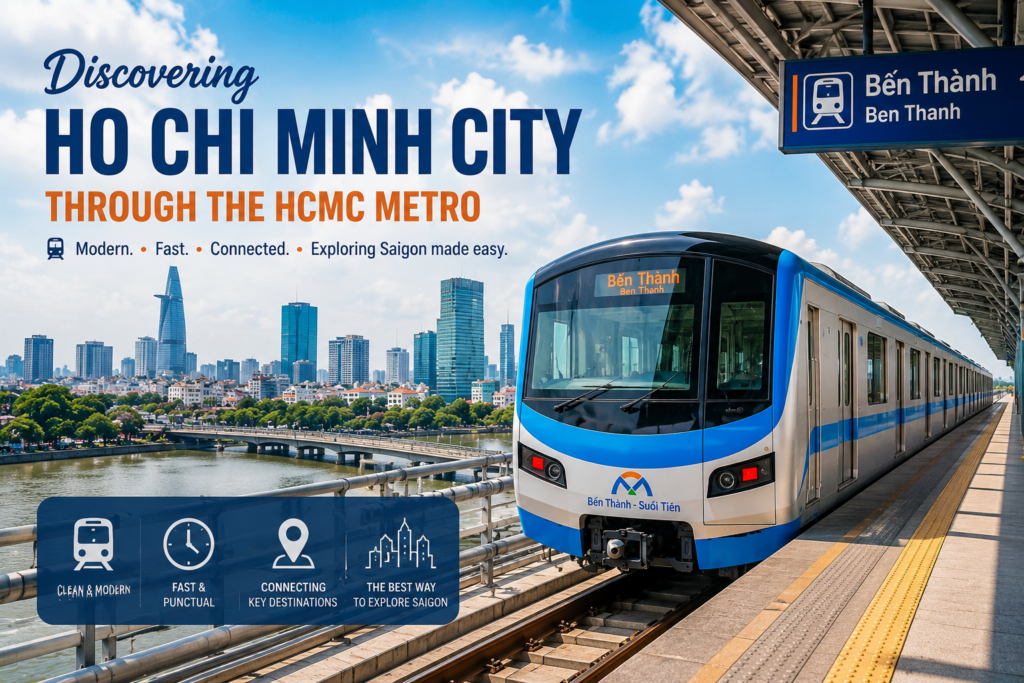
The launch and expansion of the Ho Chi Minh City Metro have transformed the travel experience for tourists. Instead of spending hours in traffic, visitors can now move between major attractions, shopping districts, local neighborhoods, and food destinations quickly and comfortably. Whether you are traveling for the first time or returning to Saigon for another adventure, understanding how to use the HCMC Metro will help you save time, reduce transportation stress, and enjoy the city more deeply.
This complete Ho Chi Minh City Metro Guide will walk you through everything tourists need to know in 2026, from buying tickets and navigating stations to understanding metro etiquette and choosing the best stops for sightseeing.
What Is The HCMC Metro?
The HCMC Metro is Ho Chi Minh City’s first urban railway transportation system, designed to improve traffic conditions and connect key areas throughout the city. Opened at the turn of 2025, Metro Line 1 runs nearly 20 from Bến Thành in the city center due northeast to Suoi Tien and the new Eastern Bus Terminal (Bến Xe Miền Đông Mới). In 2026, the metro has become one of the most convenient transportation options for both locals and tourists.
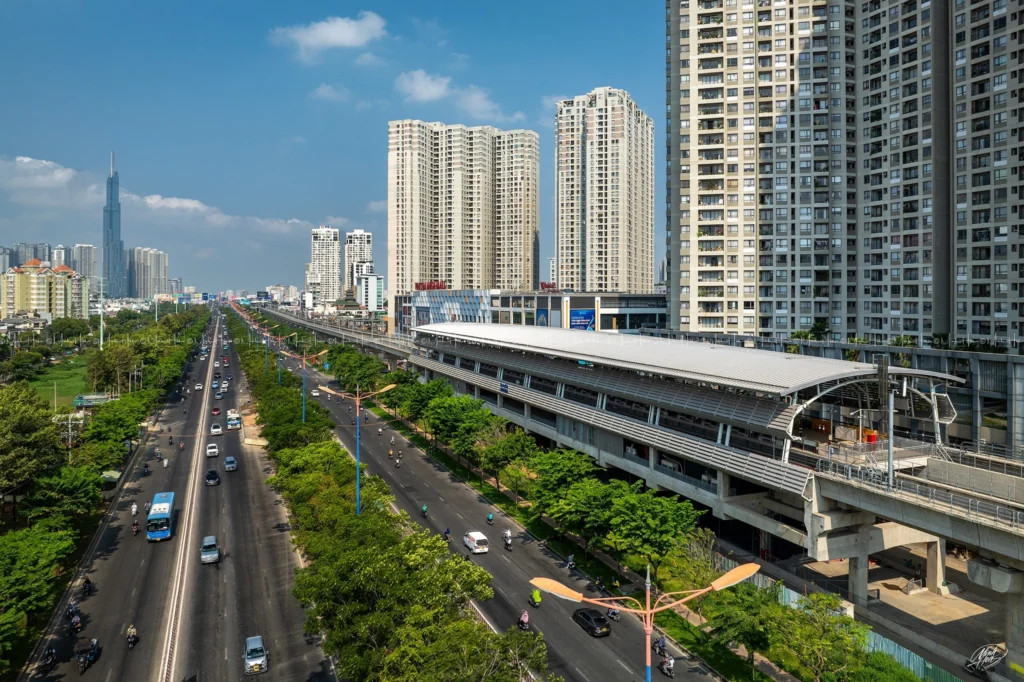
The metro system features clean stations, air-conditioned trains, bilingual signage in Vietnamese and English, and user-friendly ticketing systems that make navigation simple even for first-time visitors. Travelers who may feel overwhelmed by Saigon’s busy roads often find the metro to be a comfortable and reliable alternative.
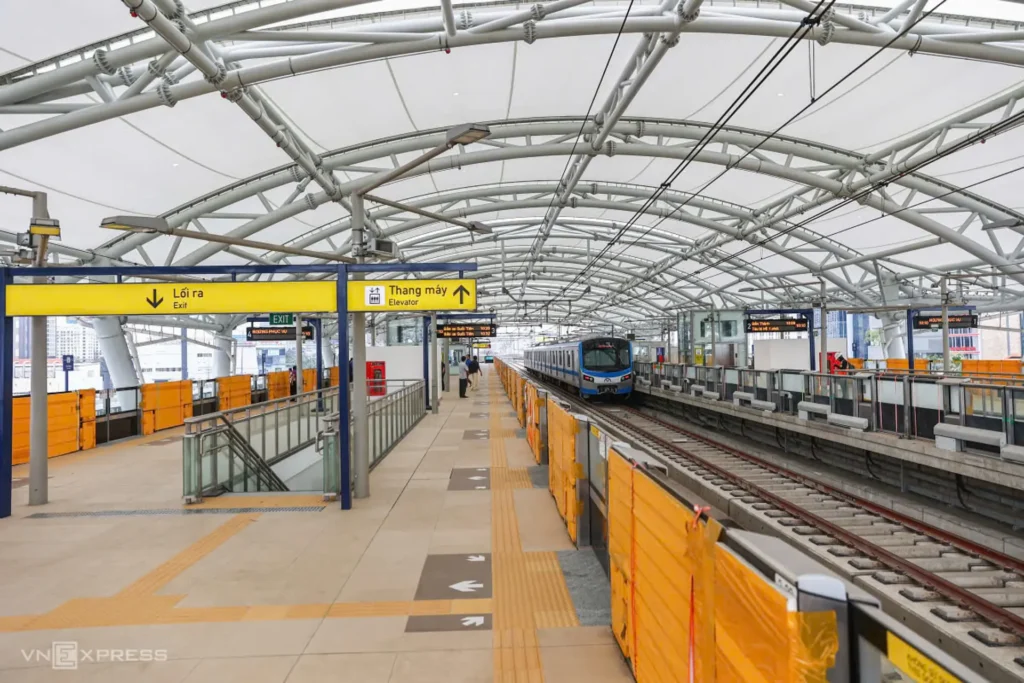
One of the biggest advantages of using the HCMC Metro is accessibility. The system connects important areas such as District 1, Binh Thanh District, Thu Duc City, shopping centers, residential neighborhoods, and future expansion zones that continue to develop around the city.
For travelers looking to explore Ho Chi Minh City efficiently, the metro offers an excellent combination of affordability, convenience, and local cultural experience.
Why Tourists Should Use The Metro in 2026
Faster Travel Around The City
Traffic congestion has long been one of the biggest challenges in Ho Chi Minh City. During peak hours, short distances can sometimes take over an hour by car or motorbike. The HCMC Metro helps visitors avoid heavy traffic while traveling smoothly across the city.
Tourists staying in central areas like District 1 can easily access nearby districts without worrying about road congestion, taxi negotiations, or language barriers. This is especially helpful for visitors with limited travel time.
A More Comfortable Way To Explore Saigon
For tourists unfamiliar with Vietnam’s intense motorbike traffic, the metro provides a far more relaxing way to experience the city. The stations are modern, air-conditioned, and designed to make urban travel easier for both locals and international visitors. Inside the trains, passengers can enjoy a quieter environment compared to the noise and heat often experienced on the streets outside.
This comfort matters even more for families with children, elderly travelers, or visitors exploring the city during the hotter months of the year. Instead of constantly searching for transportation between destinations, tourists can move between key districts with far less physical exhaustion. The metro transforms city travel into a more enjoyable part of the overall vacation experience.
Easy Access to Popular Tourist Areas
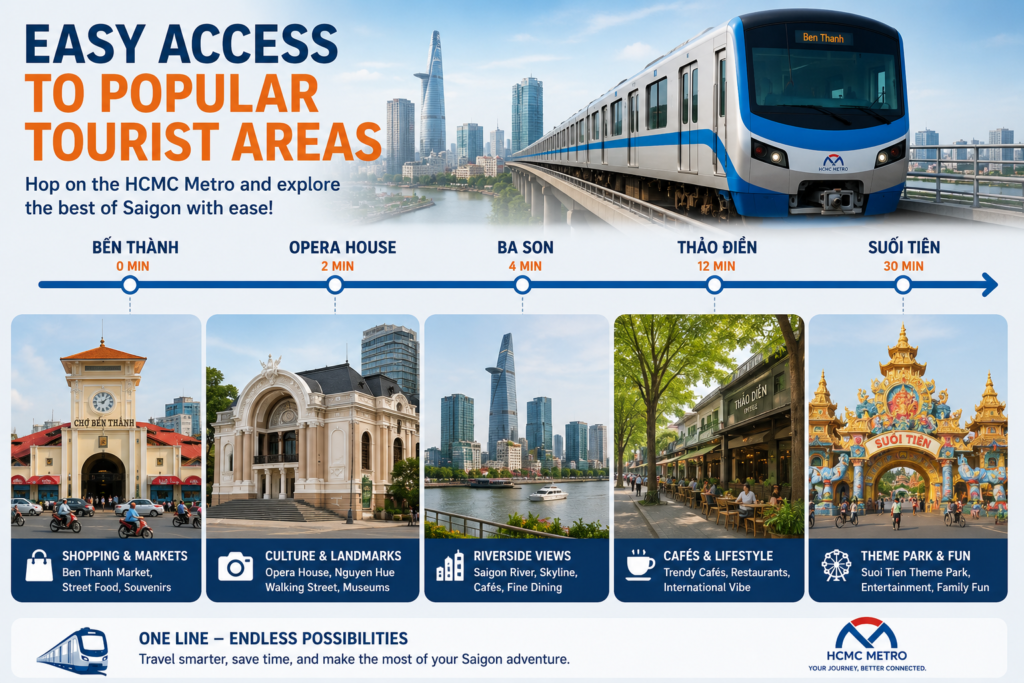
One of the biggest benefits of the HCMC Metro is its connection to several important travel areas across the city. Stations such as Bến Thành, Opera House, Ba Son, and Thảo Điền place visitors close to shopping streets, local cafés, riverside attractions, and cultural landmarks.
For travelers who want to experience both modern and traditional sides of Saigon, the metro creates an easy bridge between different neighborhoods. Visitors can spend the morning exploring historic downtown streets, enjoy lunch in Thảo Điền’s cafe scene, and continue their evening in another district without dealing with complicated transportation logistics.
As Ho Chi Minh City continues modernizing in 2026, the metro is quickly becoming more than just public transportation, it is now part of the city’s travel identity and one of the easiest ways for tourists to discover Saigon comfortably, affordably, and efficiently.
Route And Stations Tourists Should Know
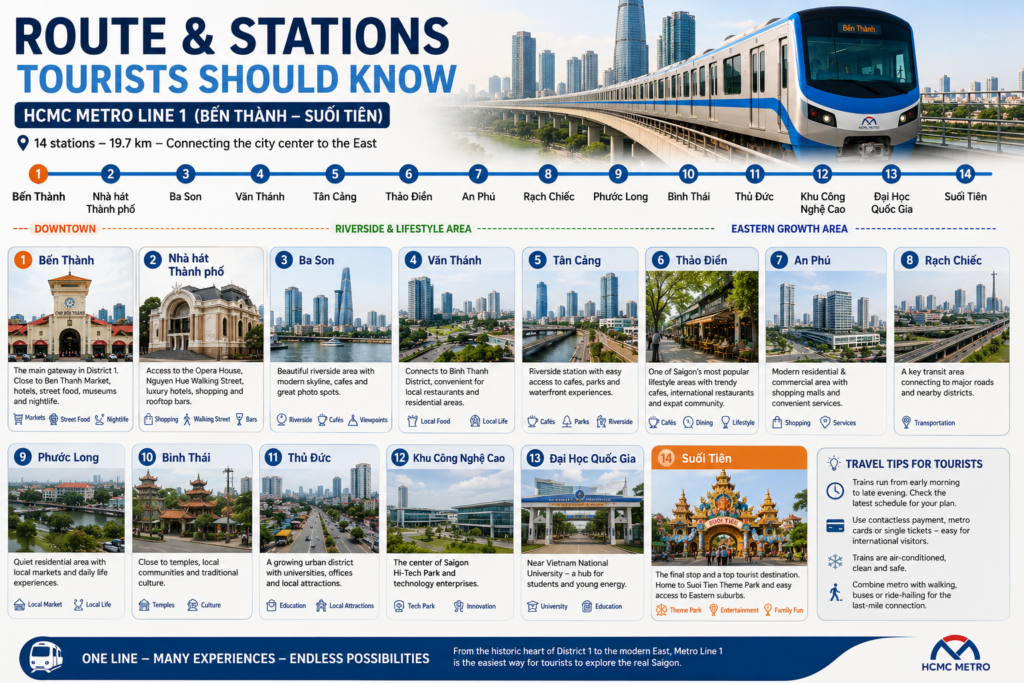
If you only have time to remember a few important stations on the HCMC Metro Line 1, start with Bến Thành, Opera House, Ba Son, Văn Thánh, Tân Cảng, Thảo Điền, An Phú, and Suối Tiên. These stations connect travelers to some of the most interesting areas in Ho Chi Minh City, from historic downtown streets to riverside neighborhoods and modern lifestyle districts. For tourists visiting Saigon in 2026, understanding these key stops can make exploring the city much easier and far less stressful.
At the heart of the metro system is Bến Thành Station, the central gateway of the line and one of the most important transportation hubs in the city. Located near the famous Bến Thành Market, this station places visitors right in the middle of District 1, where many hotels, restaurants, cafés, museums, and nightlife areas are located. For first-time visitors, Bến Thành is often the perfect starting point for discovering Saigon’s energy, street food culture, and colonial architecture.
Just a few stops away, Opera House Station offers direct access to one of the city’s most elegant and walkable neighborhoods. The area surrounding the Saigon Opera House is known for luxury hotels, rooftop bars, shopping streets, and Nguyen Hue Walking Street. Many tourists enjoy beginning their evening here before exploring the city center on foot. The station is especially convenient for travelers who want to experience the more modern and upscale side of Ho Chi Minh City.
Nearby, Ba Son Station provides easy access to the riverside area and the rapidly developing skyline along the Saigon River. This part of the city blends modern urban design with scenic waterfront views, making it ideal for visitors looking for cafés, photography spots, or relaxed evening walks. The area around Ba Son also gives travelers a glimpse into how quickly Saigon is transforming into a more modern metropolitan city.
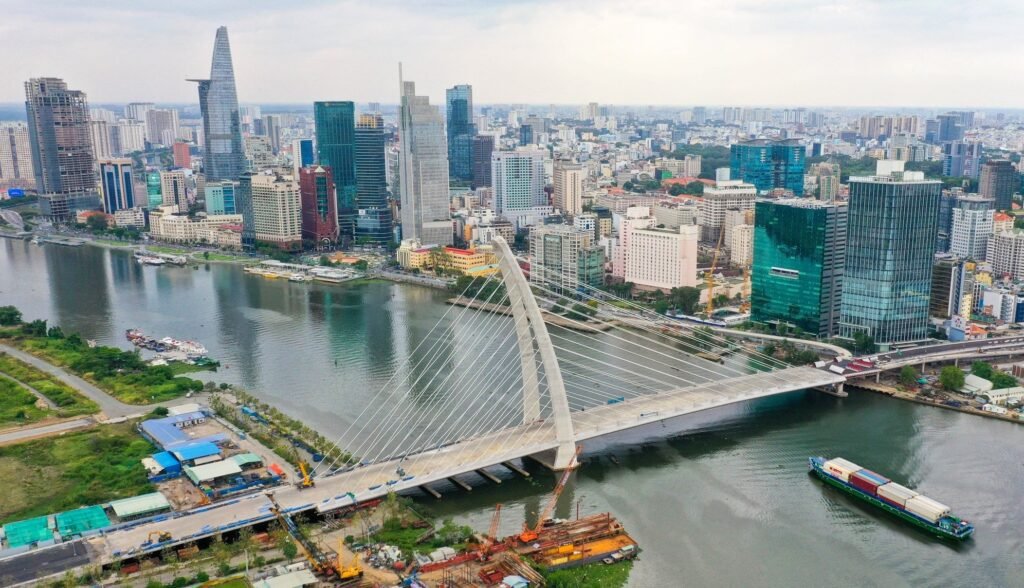
Moving farther east, stations like Văn Thánh and Tân Cảng connect visitors to Bình Thạnh District, an area that mixes local residential life with new urban developments. These stations are useful for travelers who want to experience a less tourist-heavy side of the city while still remaining close to central Saigon. From here, tourists can also access riverside cafés and local dining areas that are increasingly popular with younger locals and expats.
One of the most popular stops for international visitors is Thảo Điền Station. Located in District 2, Thảo Điền has become known as one of Saigon’s most vibrant lifestyle neighborhoods. The area is filled with trendy cafés, international restaurants, boutique shops, coworking spaces, and relaxed riverside spots. Compared to the busy atmosphere of District 1, Thảo Điền offers a slower and more laid-back environment, making it a favorite destination for travelers who want to escape the intensity of downtown traffic for a few hours.
Continuing along the line, An Phú Station connects passengers to one of the city’s fast-growing residential and commercial areas. While less tourist-focused than Thảo Điền, the district surrounding An Phú reflects the newer face of Ho Chi Minh City, with shopping centers, modern apartments, and expanding urban infrastructure becoming increasingly visible.
At the eastern end of the line is Suối Tiên Station, one of the most recognizable tourist stops on Metro Line 1. This station provides access to Suối Tiên Theme Park, a uniquely Vietnamese amusement park known for its colorful architecture and cultural themes. It also serves as a gateway to the eastern outskirts of the city and nearby transportation connections. For many visitors, reaching Suối Tiên by metro is much easier and more comfortable than spending long periods traveling by road.
In total, Metro Line 1 includes 14 stations stretching from downtown Ho Chi Minh City to the eastern urban expansion zone. The route was designed not only to reduce traffic congestion but also to connect important residential, commercial, and tourism areas across the city. For travelers in 2026, the metro is becoming more than just transportation — it is now one of the easiest and most enjoyable ways to experience different sides of modern Saigon in a single journey.
How Much Does The HCMC Metro Cost?
Buying a metro ticket is straightforward. Tickets can be purchased at the station ticket office, from vending machines, or by card and app payment at the gate. The current ticket system includes single-journey tickets, 1-day and 3-day passes, and monthly passes. Single fares range from 7,000 VND to 20,000 VND for cash payment, and 6,000 VND to 19,000 VND for cashless payment. One-day passes cost 40,000 VND, three-day passes cost 90,000 VND, and monthly passes are 300,000 VND for regular passengers or 150,000 VND for students.
Best Stops For Sightseeing
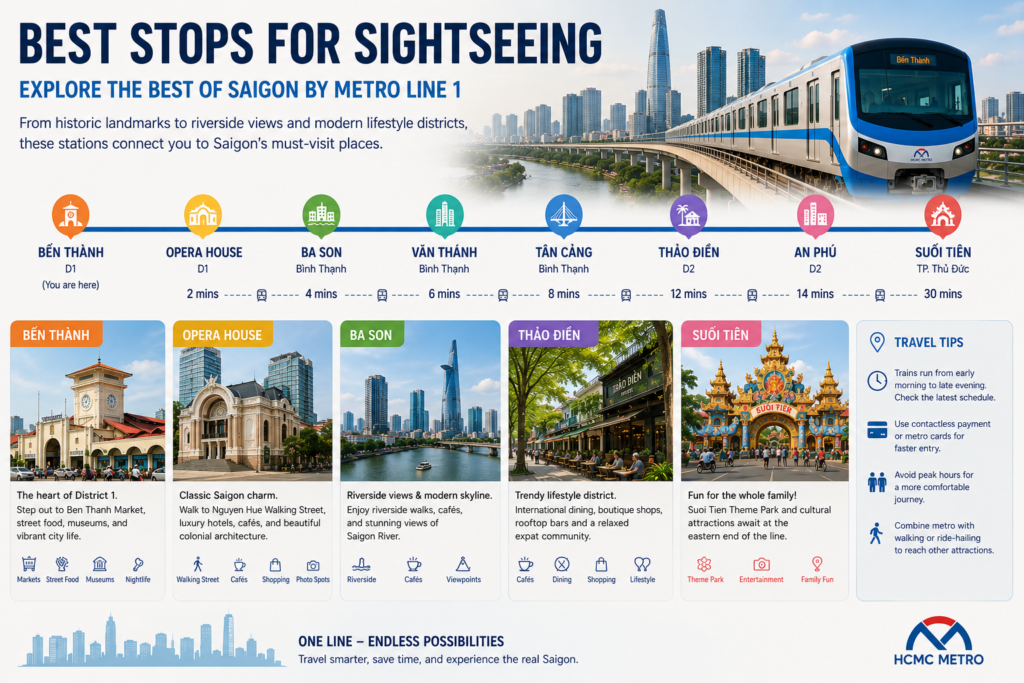
Bến Thành Station is the perfect starting point, placing visitors close to the famous Bến Thành Market, local street food, museums, and the lively atmosphere of District 1. Just a few stations away, Opera House Station connects travelers to Nguyen Hue Walking Street, luxury hotels, cafés, and some of the city’s most beautiful colonial architecture.
Further along the line, Ba Son Station offers scenic riverside views and access to one of Saigon’s fastest-growing modern districts. Visitors looking for a more relaxed atmosphere should stop at Thảo Điền Station, known for trendy cafés, boutique shops, and international dining spots popular with both locals and expats.
At the eastern end of the line, Suối Tiên Station is the gateway to Suối Tiên Theme Park, making it a fun stop for families and travelers wanting to explore beyond the city center. Together, these stations showcase the mix of traditional and modern experiences that make Saigon unique.
Practical Tips For First-Time Riders
A few small habits make the ride much easier. Keep your belongings close during busy hours, especially in central stations. Check the schedule before heading out, because service hours can change on weekends and holidays. As of a January 2026 update, line 1 runs until 10pm from Monday to Thursday and until 11 pm on Friday, Saturday, and Sunday, with holiday timetables adjusted when needed. If you are combining metro with a hotel, restaurant, or attraction plan, leave a little buffer time for station exits and short last-mile transfers
A Simple Metro Itinerary For Travelers
A great half-day metro itinerary is to begin at Bến Thành Station, continue to Opera House or Ba Son for a walk through the heart of the city, then head to Thảo Điền for lunch, coffee, or a relaxing riverside break before returning downtown in the evening. For travelers wanting a fuller day of exploration, the metro can easily be combined with taxis or ride-hailing services to reach nearby hotels, hidden cafés, local markets, and riverside attractions beyond the stations.
For many visitors, the real beauty of the HCMC Metro is not just its speed or convenience, but the chance to experience Saigon in a calmer and more comfortable way. Instead of spending hours in traffic, travelers can enjoy a smoother journey while discovering different sides of the city, from historic downtown streets to modern lifestyle neighborhoods.
Although the HCMC Metro network is still expanding, it already offers tourists a clean, affordable, and memorable way to explore the city from a fresh perspective. Whether you use it for quick transportation or as part of your sightseeing adventure, the metro is quickly becoming one of the smartest ways to experience modern Saigon in 2026.
Explore Saigon With Saigon Taste Tours
Come explore the real Saigon with us at Saigon Taste Tours, where you don’t just see the city, you taste it.
From vibrant street food corners and hidden alleyways to local stories and authentic neighborhoods, we create experiences that go beyond traditional sightseeing.
Let every metro stop, every street, and every flavor become part of your Saigon journey. Book your adventure with Saigon Taste Tours and discover the city the way locals truly live it.
Come explore the real Saigon with us at Saigon Taste Tours, where you don’t just see the city, you taste it.


Saigon Taste Tours team
Welcome to SAIGON TASTE Tours! We’re a team of passionate local guides dedicated to sharing the real Saigon and Vietnam through food, culture, and hidden gems. From bustling street food stalls and historic landmarks to outdoor adventures and peaceful nature escapes, our tours are designed to be authentic and unforgettable. Every experience is private and tailored to you, guided by knowledgeable locals who go above and beyond to make you feel like you’re exploring with a friend. With us, you won’t just visit Vietnam — you’ll truly experience it. We can’t wait to welcome you! Best regards, Ben and the SAIGON TASTE Tours
saigontastetours@gmail.com Click to Connect with Us
Leave a Reply