Explore 16-Days Vietnam Hidden Treasures Journey
An Unforgettable Hidden Journey Through Vietnam’s Most Iconic Destinations
Vietnam is a country filled with contrasts, where ancient traditions blend effortlessly with modern city life, towering mountains meet emerald coastlines, and hidden villages preserve stories that have survived for generations. While many travelers visit famous destinations like Hanoi, Ha Long Bay, and Ho Chi Minh City, the true magic of Vietnam often lies beyond the well-known tourist routes.
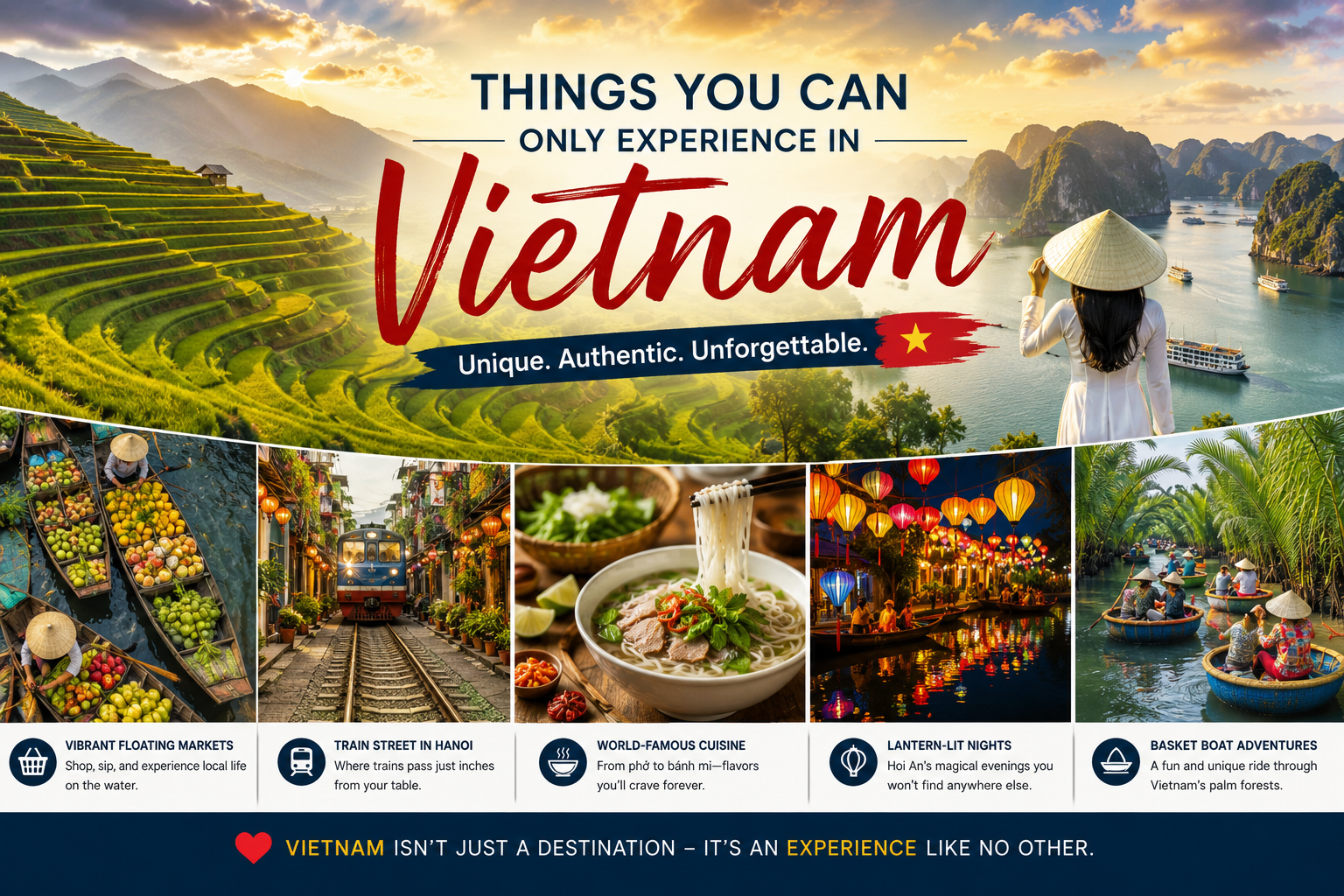
For travelers seeking something deeper, more authentic, and unforgettable, an Amazing 16-Day Vietnam Hidden Treasures Journey offers the perfect opportunity to experience the country from a different perspective. This immersive adventure takes visitors beyond crowded attractions and into the heart of Vietnam’s hidden culture, breathtaking landscapes, traditional cuisine, and untouched local life.
From the misty mountains of the north to the peaceful countryside of central Vietnam and the vibrant energy of the south, this journey reveals the lesser-known side of Vietnam that many travelers never get the chance to see. Along the way, visitors can discover hidden ethnic villages, remote natural wonders, ancient towns, floating markets, and some of the country’s most extraordinary culinary experiences.
If you are searching for a truly meaningful Vietnam travel experience, this guide will show you why a hidden treasures itinerary may become the journey of a lifetime.
Why Choose a Vietnam Hidden Treasures Journey?
Vietnam has become one of Southeast Asia’s most popular travel destinations, but many travelers still only experience a small portion of what the country has to offer. A hidden treasures journey focuses on authentic local encounters rather than simply checking famous landmarks off a list.
Instead of rushing from one tourist attraction to another, this style of travel allows visitors to slow down and connect more deeply with Vietnamese culture. Travelers can enjoy conversations with local families, explore untouched countryside roads, taste regional specialties rarely found in guidebooks, and witness daily life in places that remain wonderfully traditional.
A carefully designed Vietnam hidden treasures tour also creates balance. The itinerary combines adventure, relaxation, culture, history, and food into one seamless experience.
Most importantly, these experiences create memories that feel personal rather than commercialized.
Days 1-3: Discovering the Timeless Charm of Hanoi
The Cultural Heart of Northern Vietnam
The journey begins in Hanoi, Vietnam’s thousand-year-old capital. Hanoi is a fascinating blend of French colonial elegance, ancient Vietnamese traditions, Buddhist temples, and energetic street life. Unlike many modern Asian capitals, Hanoi retains a strong sense of history and authenticity.
Walking through the Old Quarter feels like stepping into another era. Narrow streets are filled with local food vendors, traditional shops, hidden cafes, and motorbikes flowing through the city like rivers. Every corner tells a story.
Travelers can spend their first days exploring iconic cultural sites such as the Temple of Literature, Hoan Kiem Lake, and the Ho Chi Minh Mausoleum. However, the hidden treasures of Hanoi are often found in its quieter corners, hidden alleyways, local markets, traditional tea houses, and family-owned eateries that have operated for generations.
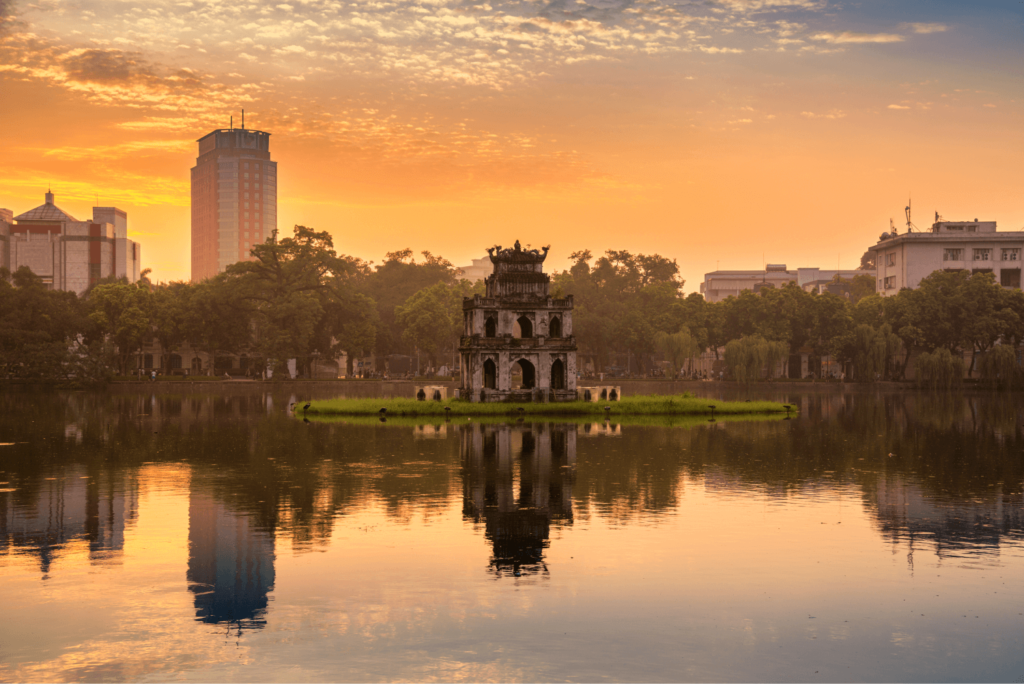
One of the most rewarding experiences in Hanoi is simply observing daily life. Early mornings around Hoan Kiem Lake reveal locals practicing tai chi while street vendors prepare breakfast for nearby workers. In the evenings, small plastic stools fill the sidewalks as families and friends gather for street food and conversation.
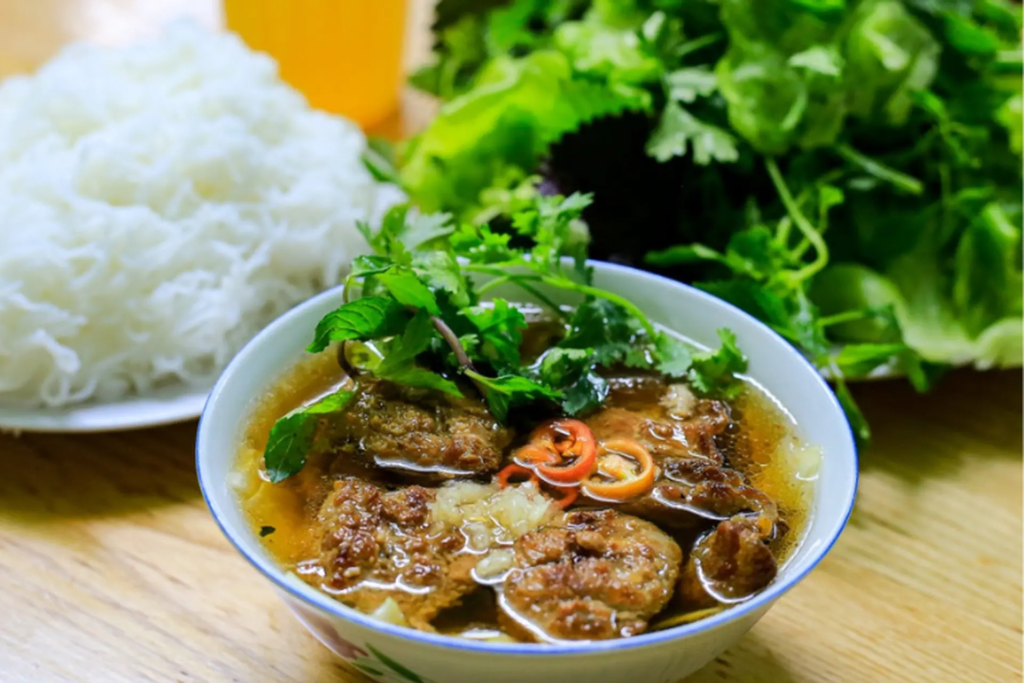
Food also plays an essential role in Hanoi’s identity. Northern Vietnamese cuisine is known for its delicate balance of flavors and fresh ingredients. Dishes such as pho, bun cha, and egg coffee are not simply meals; they are cultural experiences deeply connected to the city’s heritage.
A visit to Hanoi also introduces travelers to Vietnam’s rich history. Museums, temples, and historical landmarks offer insight into the country’s resilience, traditions, and cultural heritage that continue to shape modern Vietnamese life today.
Travelers looking for authentic experiences should explore local wet markets, hidden cafes overlooking train tracks, and lesser-known neighborhoods outside the tourist center. These moments often become the most memorable parts of the journey.
Days 4–5: Cruising Through The Hidden Beauty Of Ha Long Bay And Bai Tu Long Bay
Beyond The Crowded Tourist Routes
No Vietnam Hidden Treasures Journey would be complete without experiencing the spectacular limestone landscapes of northern Vietnam’s bays. While Ha Long Bay is world-famous, many travelers now prefer Bai Tu Long Bay, a quieter neighboring area that offers equally stunning scenery with fewer crowds.
Cruising through emerald waters surrounded by towering limestone karsts feels almost surreal. Small floating fishing villages, hidden caves, and secluded beaches create a peaceful atmosphere far removed from modern city life.
Unlike crowded day tours, an overnight cruise allows travelers to experience the bay during sunrise and sunset when the scenery becomes truly magical. The calm waters, mist-covered islands, and silence of the bay create one of Vietnam’s most unforgettable travel experiences.
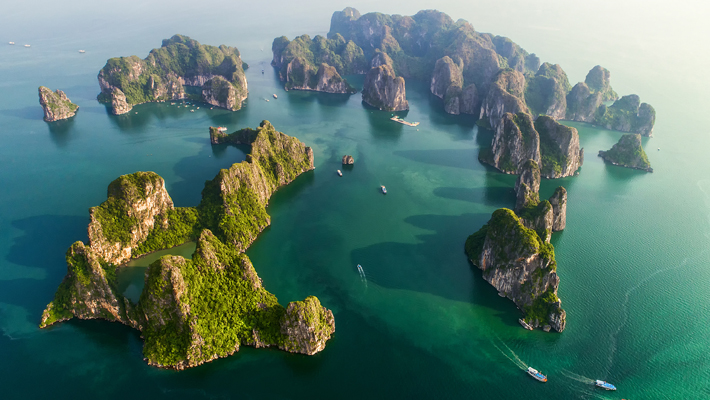
Many cruises now incorporate local cultural experiences into their itineraries. Travelers may visit floating fishing communities, learn traditional cooking techniques, or kayak through hidden lagoons inaccessible to larger boats.
These slower, more immersive experiences help visitors appreciate the unique relationship between local communities and the sea.
Day 6-8: Exploring The Hidden Mountain Treasures of Sapa
Vietnam’s Spectacular Rice Terrace Landscapes
After experiencing northern Vietnam’s coastal beauty, the journey continues into the mountains of Sapa. Located near the Chinese border, Sapa is famous for its breathtaking rice terraces, cool climate, and diverse ethnic minority cultures.
The landscapes here are among the most stunning in Southeast Asia. Terraced rice fields cascade down mountain slopes while clouds drift through deep valleys and traditional villages remain hidden among the hills.
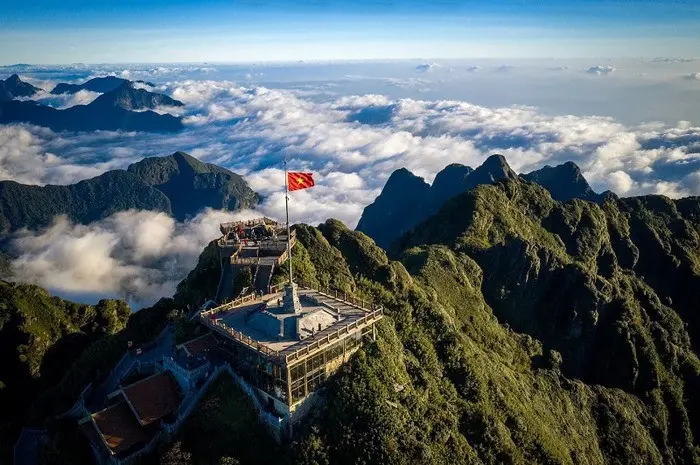
Sapa provides a completely different atmosphere compared to Hanoi. Life moves more slowly, nature dominates the scenery, and cultural traditions remain deeply preserved.
One of the highlights of visiting Sapa is meeting ethnic minority groups such as the Hmong, Dao, Tay, and Giay people. These communities maintain unique languages, traditional clothing, handicrafts, and lifestyles passed down through generations.
Trekking through villages allows travelers to witness authentic rural life in northern Vietnam. Visitors often encounter water buffalo working in rice fields, women weaving textiles by hand, and children playing along mountain paths.
Responsible tourism is especially important in this region. Ethical tours that support local communities help preserve traditional culture while providing sustainable income for villagers.
Day 9-10: The Ancient Beauty Of Hoi An
A UNESCO Heritage Town Filled With History
Hoi An is one of Vietnam’s most enchanting destinations. Once a thriving international trading port, the town preserves centuries of cultural influence from Vietnam, China, Japan, and Europe.
Lantern-lit streets, yellow colonial buildings, riverside cafes, and ancient temples create a romantic atmosphere unlike anywhere else in Vietnam. Walking through Hoi An at night feels almost dreamlike as colorful lanterns reflect across the Thu Bon River.
While the Ancient Town is the main attraction, the true hidden treasures of Hoi An lie beyond the center.
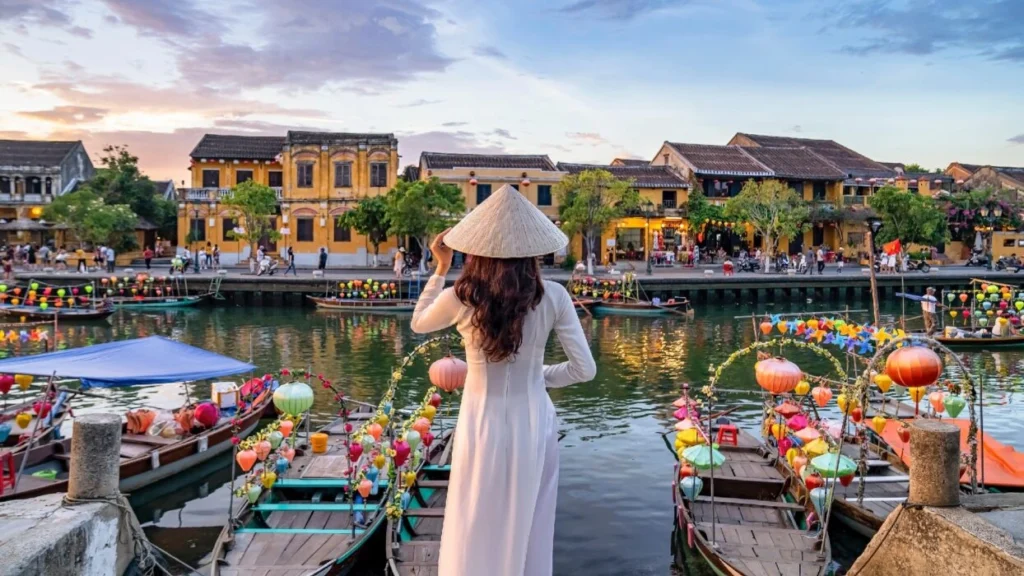
Surrounding Hoi An are peaceful rice fields, fishing villages, coconut forests, and quiet countryside roads perfect for cycling. Travelers can join local farmers in traditional agricultural activities, learn how to make Vietnamese lanterns, or take basket boat rides through water coconut forests.
Hoi An is also one of the best places in Vietnam for food lovers. Central Vietnamese cuisine is bold, flavorful, and unique. Dishes such as cao lau, white rose dumplings, and banh mi reflect the town’s rich cultural history.
Cooking classes with local chefs provide travelers with deeper insight into Vietnamese culinary traditions and family recipes.
Day 11-12: Imperial Secrets of Hue
Vietnam’s Former Royal Capital
Hue offers a fascinating glimpse into Vietnam’s imperial past. Located along the Perfume River, Hue served as the capital of the Nguyen Dynasty for over a century.
The city is home to ancient citadels, royal tombs, pagodas, and temples that reflect Vietnam’s royal heritage. Unlike the fast-paced energy of Hanoi or Ho Chi Minh City, Hue feels calm, reflective, and deeply historical.
The Imperial City remains one of Vietnam’s most significant cultural landmarks. Massive stone gates, ancient palaces, and intricate architecture reveal the grandeur of Vietnam’s last royal dynasty.
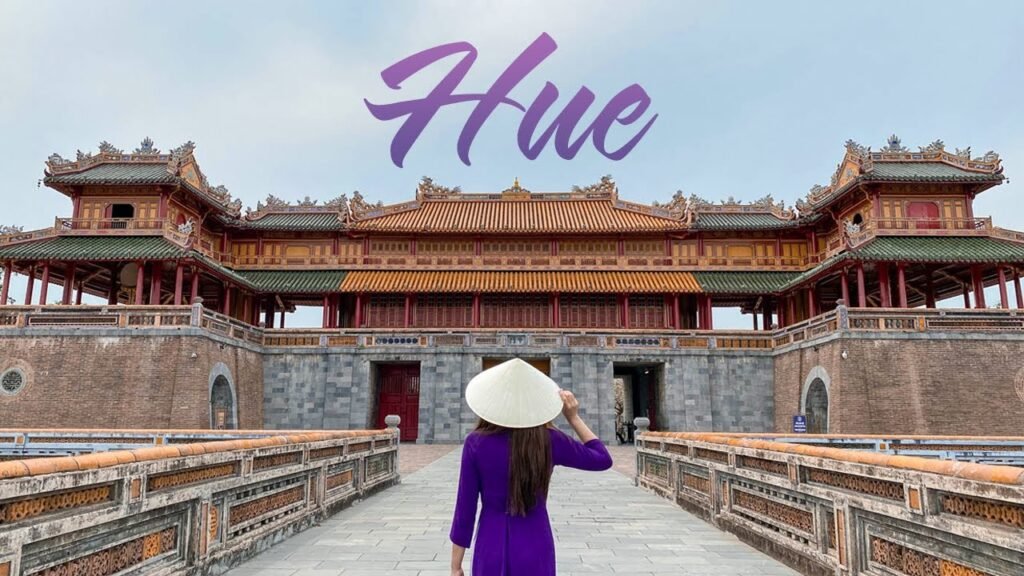
Beyond the main attractions, Hue offers many lesser-known experiences for travelers seeking authenticity. Small family-run workshops still produce traditional incense, conical hats, and handcrafted artwork using techniques preserved for generations.
Hue is also famous for its refined imperial cuisine. Originally developed for the royal court, many dishes are carefully prepared with artistic presentation and balanced flavors.
Boat rides along the Perfume River during sunset provide one of the most peaceful experiences in Central Vietnam.
Day 13-14: Coastal Escape and Local Life in Southern Vietnam
Transitioning Into Southern Energy
As the journey moves south, travelers begin to notice dramatic cultural and environmental changes. The climate becomes warmer and more tropical, the food sweeter and more vibrant, and the atmosphere more energetic.
Depending on the itinerary, travelers may explore lesser-known coastal regions or hidden countryside destinations before arriving in Ho Chi Minh City.
Southern Vietnam is known for its hospitality, fertile landscapes, and dynamic local culture. Coconut groves, fruit orchards, rivers, and floating markets define much of the region’s identity.
Authentic Mekong Delta Experiences
The Mekong Delta remains one of Vietnam’s greatest hidden treasures. This vast network of rivers and canals supports millions of people whose lives revolve around the water.
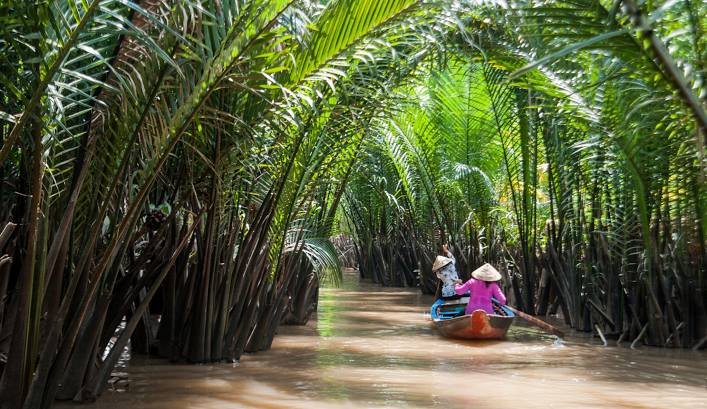
Exploring the delta by boat reveals floating markets, riverside villages, traditional workshops, and lush tropical scenery. Travelers can taste exotic fruits directly from orchards, visit local homes, and witness the slower pace of life that defines the region.
Unlike heavily commercialized tourist attractions, many areas of the Mekong Delta still preserve their authentic rural character.
Day 15-16: Vibrant Ho Chi Minh City and The Real Saigon Experience
Vietnam’s Dynamic Southern Metropolis
The final stage of the journey arrives in Ho Chi Minh City, still affectionately called Saigon by many locals. This energetic city perfectly represents modern Vietnam: ambitious, youthful, creative, and constantly evolving.
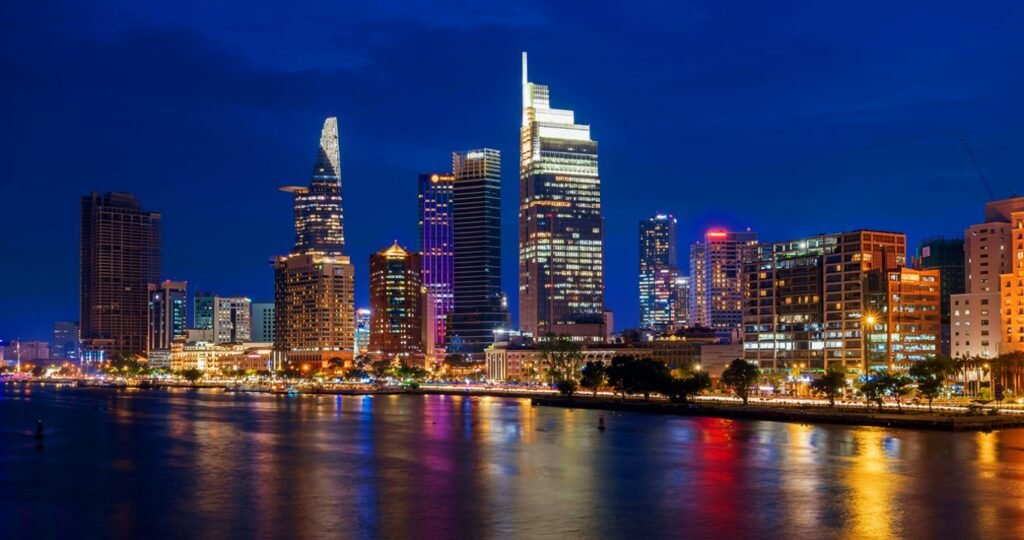
Skyscrapers rise beside colonial buildings while luxury cafes coexist with traditional street food stalls. Every district offers a different side of the city.
Visitors can explore famous landmarks such as the Notre Dame Cathedral, Ben Thanh Market, and the War Remnants Museum, but the hidden treasures of Saigon are found in its local neighborhoods.
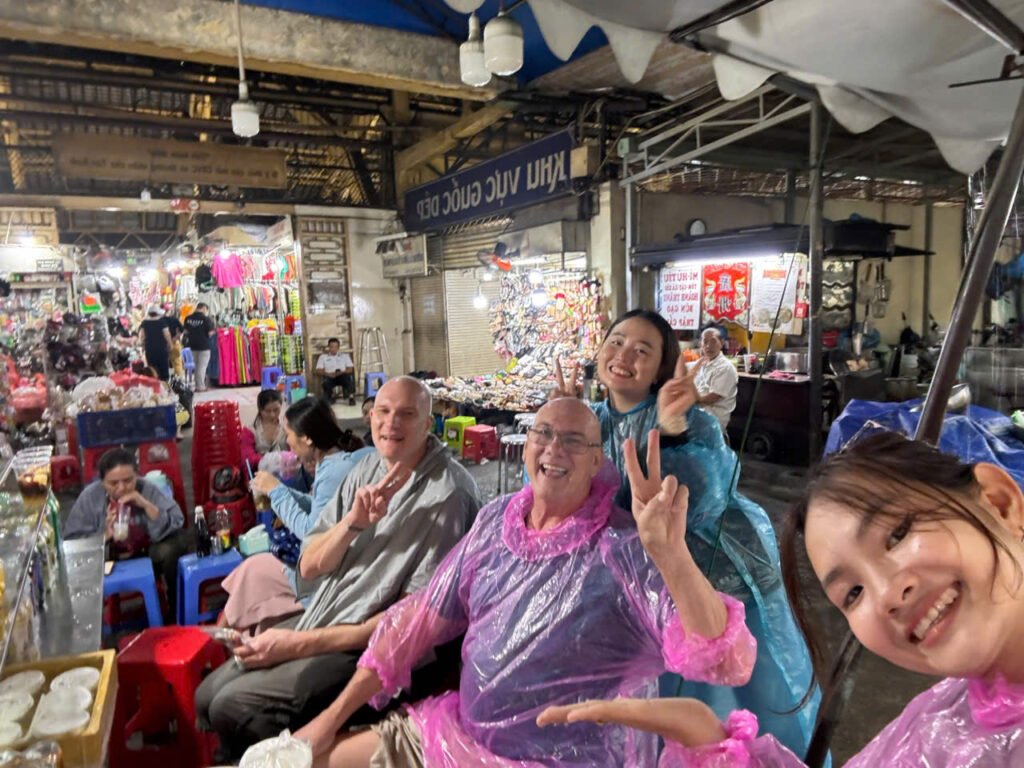
The real magic of Saigon lies in its street culture, hidden food alleys, rooftop cafes, local markets, and vibrant nightlife. Travelers who explore beyond District 1 quickly discover authentic local life rarely seen in guidebooks.
Food is at the center of Saigon culture. From sizzling seafood restaurants to tiny family-run noodle shops, the city offers endless culinary discoveries. Southern Vietnamese cuisine is bold, flavorful, and heavily influenced by tropical ingredients and regional diversity.
Street food tours provide one of the best ways to understand Saigon’s culture through its cuisine. Eating alongside locals while learning the stories behind traditional dishes creates meaningful travel memories far beyond ordinary sightseeing.
Best Time For 16-Days Vietnam Hidden Treasures Journey
Vietnam’s geography creates significant climate differences between regions, making timing an important factor when planning a longer trip.
Generally, spring (March to April) and autumn (September to November) are considered ideal for a multi-region Vietnam itinerary. During these periods, temperatures are usually more comfortable and rainfall is less intense across much of the country.
Northern Vietnam offers cool mountain scenery and clear skies during autumn, while Central Vietnam’s beaches become particularly beautiful during spring and early summer. Southern Vietnam remains warm year-round but is often most comfortable during the dry season.
Because Vietnam stretches over 1,600 kilometers from north to south, travelers can experience multiple climates within a single journey.
Why Vietnam Continues To Captivate Travelers
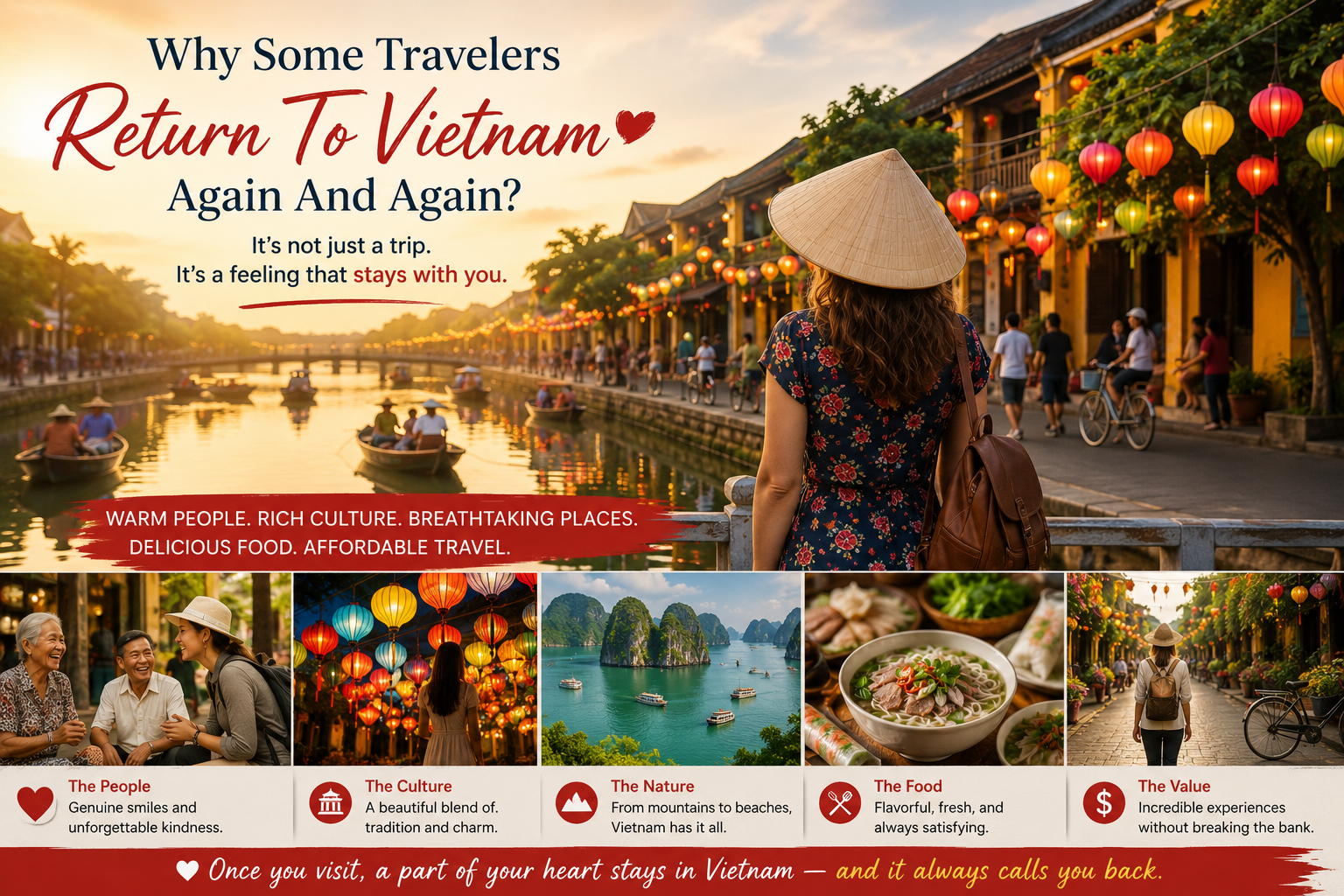
Vietnam leaves a lasting impression on visitors because it offers far more than beautiful landscapes. The country’s greatest treasure is its people: welcoming, resilient, hardworking, and deeply proud of their culture.
Travelers often arrive expecting delicious food and stunning scenery, but they leave remembering human connections, spontaneous moments, and authentic experiences.
Whether it is sharing tea with a mountain family in Sapa, watching lanterns glow in Hoi An, cruising through hidden bays, or eating street food on tiny stools in Saigon, these moments create emotional connections that stay with travelers long after the journey ends.
A Vietnam Hidden Treasures Journey is not simply a vacation. It is an immersive cultural adventure through one of Asia’s most dynamic and fascinating countries.
An Amazing 16-Day Vietnam Hidden Treasures Journey offers the perfect balance of cultural discovery, natural beauty, authentic local experiences, and unforgettable cuisine. From the ancient streets of Hanoi to the vibrant energy of Saigon, every destination reveals a different side of Vietnam’s identity.
For travelers searching for meaningful experiences beyond standard tourist routes, this itinerary provides the opportunity to truly connect with Vietnam’s landscapes, traditions, and people.
Vietnam is a country best experienced slowly, with curiosity and openness. The hidden treasures found along the journey often become the memories travelers cherish the most.
If you want to discover Vietnam beyond the typical tourist experience, local food and cultural adventures are one of the best ways to truly connect with the country.
Come explore the real Saigon with us at Saigon Taste Tours, where you don’t just see the city, you taste it.
From hidden street food gems to authentic local neighborhoods, our experiences are designed to help travelers discover the heart and soul of Vietnam through unforgettable food, culture, and storytelling.
Book your next Vietnam adventure with Saigon Taste Tours and start exploring Vietnam like a local today.
Discover the city beyond the tourist spots with Saigon Taste Tours. Come explore the real Saigon with us – where you don’t just see the city, you taste it.
For custom itineraries and group bookings, pricing depends on group size. Contact Ben via WhatsApp: +84 383 624 632. If you have any questions, please don’t hesitate to ask.We are looking forward to showing you around our lovely country!
Book your experience today and discover Vietnam like a local!

Saigon Taste Tours team
Welcome to SAIGON TASTE Tours! We’re a team of passionate local guides dedicated to sharing the real Saigon and Vietnam through food, culture, and hidden gems. From bustling street food stalls and historic landmarks to outdoor adventures and peaceful nature escapes, our tours are designed to be authentic and unforgettable. Every experience is private and tailored to you, guided by knowledgeable locals who go above and beyond to make you feel like you’re exploring with a friend. With us, you won’t just visit Vietnam — you’ll truly experience it. We can’t wait to welcome you! Best regards, Ben and the SAIGON TASTE Tours
saigontastetours@gmail.com Click to Connect with Us
Leave a Reply