
Hanoi Travel Guide 2026: Everything You Need To Know
Hanoi is not the kind of city that impresses you instantly.
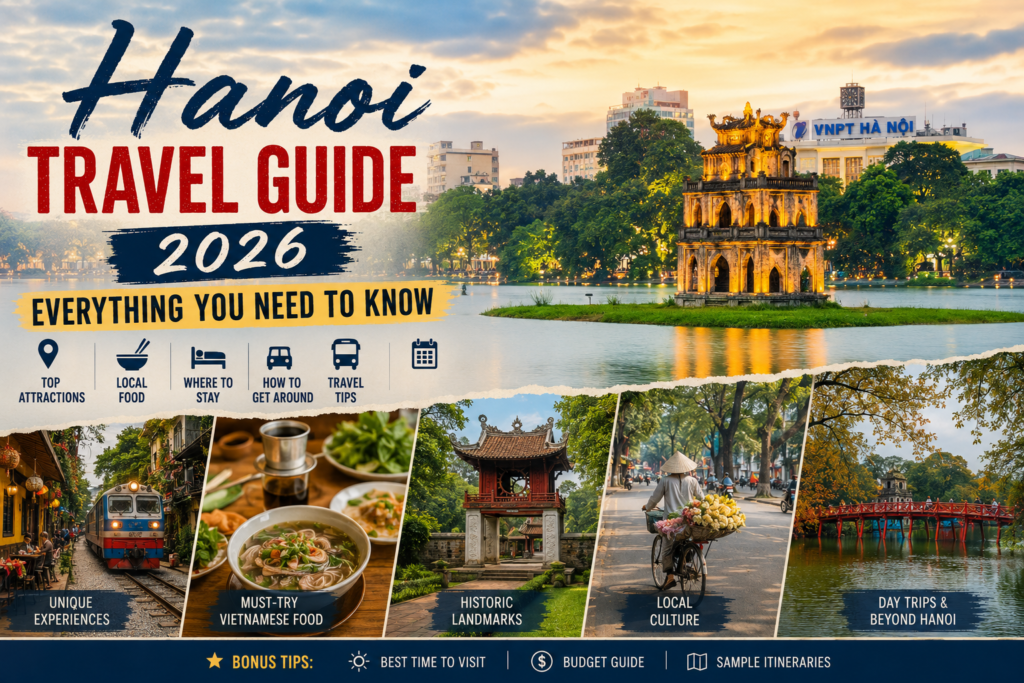
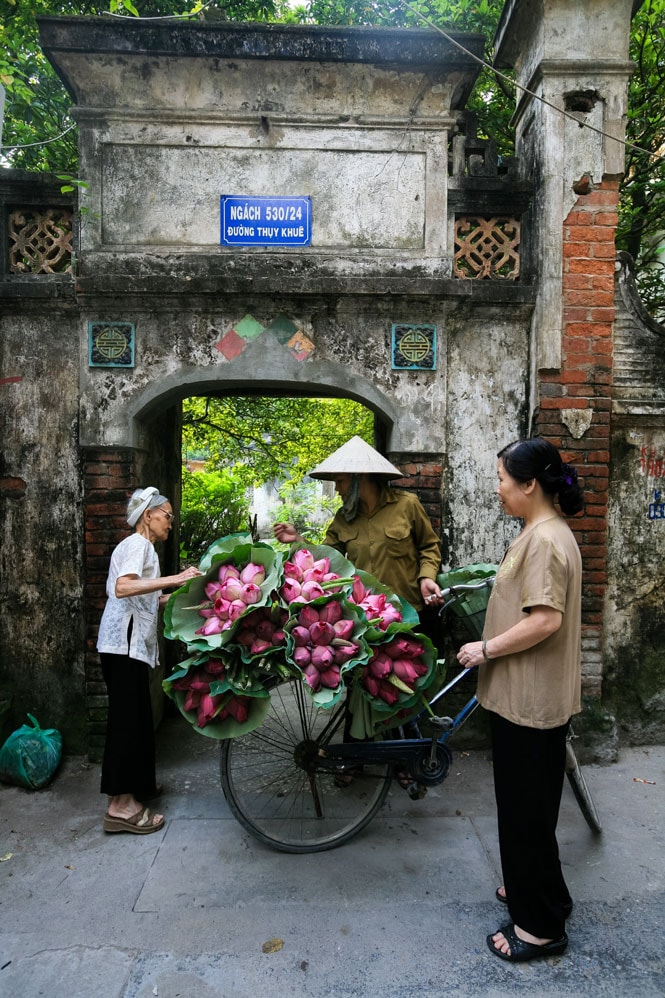
Unlike destinations that overwhelm visitors with skyscrapers, beaches, or famous landmarks at first glance, Hanoi reveals itself slowly. The Vietnamese capital is a city of layers. Beneath the constant flow of motorbikes, the endless street food stalls, and the seemingly chaotic streets lies a place filled with history, culture, tradition, and everyday moments that make travelers fall in love unexpectedly.
More than 1,000 years old, Hanoi remains the cultural heart of Vietnam. Ancient temples stand beside French colonial buildings, tiny family-run cafés hide behind weathered facades, and narrow alleyways open into local neighborhoods that feel untouched by time. It is a city where modern life and tradition continue to exist side by side.
For first-time visitors, Hanoi can feel overwhelming at first. The traffic seems impossible to cross, the streets feel like a maze, and every corner appears busy. But after a few days, the city begins to make sense. What initially feels chaotic slowly transforms into rhythm.
This “Hanoi Travel Guide 2026” covers everything you need to know before visiting Vietnam’s fascinating capital.
Why visit Hanoi in 2026?
Hanoi offers something very different from many other Southeast Asian cities.
While destinations such as Bangkok, Singapore, or Kuala Lumpur often feel increasingly modernized, Hanoi still preserves much of its historical character. Travelers come here not only for famous attractions but also for atmosphere.
The city feels deeply lived-in. You will see elderly locals practicing tai chi beside lakes at sunrise, families gathering around street food stalls late into the evening, artists sketching colonial buildings, and students spending hours chatting over coffee in hidden courtyards.
Many travelers describe Hanoi as a city full of “beautiful chaos” – a place where noise, culture, food, history, and everyday life blend together into something unforgettable. This feeling appears repeatedly in traveler discussions online and is often what makes people want to return.
Best time to visit Hanoi
One of the biggest advantages of Hanoi is that every season offers a different experience.
Spring, from March to April, is often considered one of the most pleasant periods to visit. Temperatures remain comfortable, flowers bloom across the city, and outdoor exploration becomes much easier.
Autumn, particularly from September to November, is arguably Hanoi’s most beautiful season. The weather becomes cooler, humidity drops, and the city feels especially atmospheric beneath golden sunlight and tree-lined streets.
Summer can be extremely hot and humid, while winter brings surprisingly cool temperatures compared to southern Vietnam. For most international travelers, spring and autumn remain the ideal times to explore the city comfortably.
Understanding Hanoi’s neighborhoods
One mistake many first-time visitors make is assuming Hanoi is one single experience.
In reality, the city consists of several very different districts, each with its own atmosphere.
The most famous area is the Old Quarter, often considered the beating heart of Hanoi. This historic district is a maze of narrow streets, local restaurants, markets, cafés, and traditional shop houses. Walking through the Old Quarter feels like stepping into the living soul of the city itself. Every street carries its own story, and every corner offers something unexpected.
The French Quarter offers a completely different atmosphere. Wide boulevards, elegant colonial architecture, luxury hotels, and quieter streets create a more refined side of Hanoi. Many luxury travelers choose to stay here because of its calmer environment and beautiful historical buildings.
For longer stays, West Lake (Tây Hồ) has become increasingly popular among expats, digital nomads, and travelers seeking a more relaxed pace. The area features lakeside cafés, modern apartments, international restaurants, and a much slower rhythm compared to the busy center.
Top things to do in Hanoi
One of the most rewarding aspects of Hanoi is that many of its best experiences involve simply wandering and observing daily life.
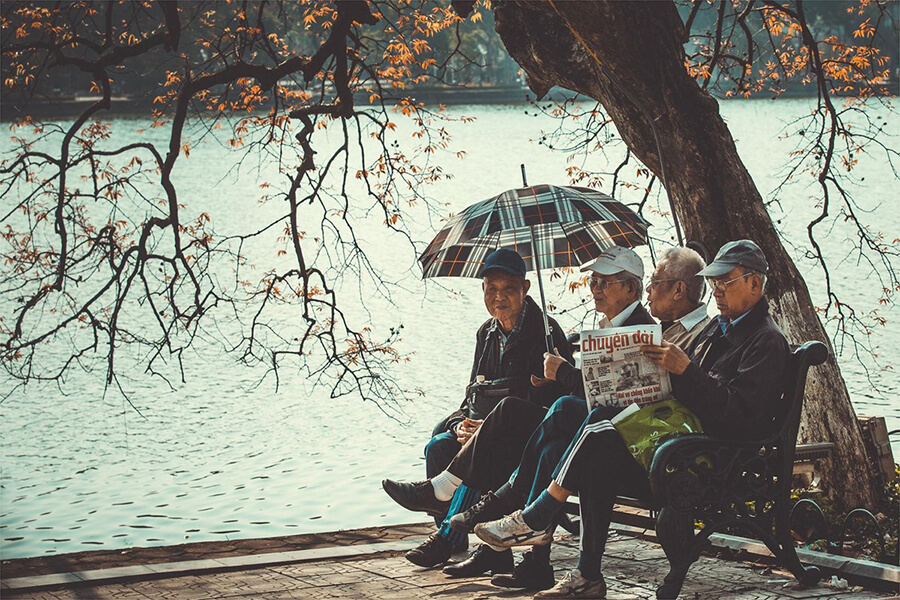
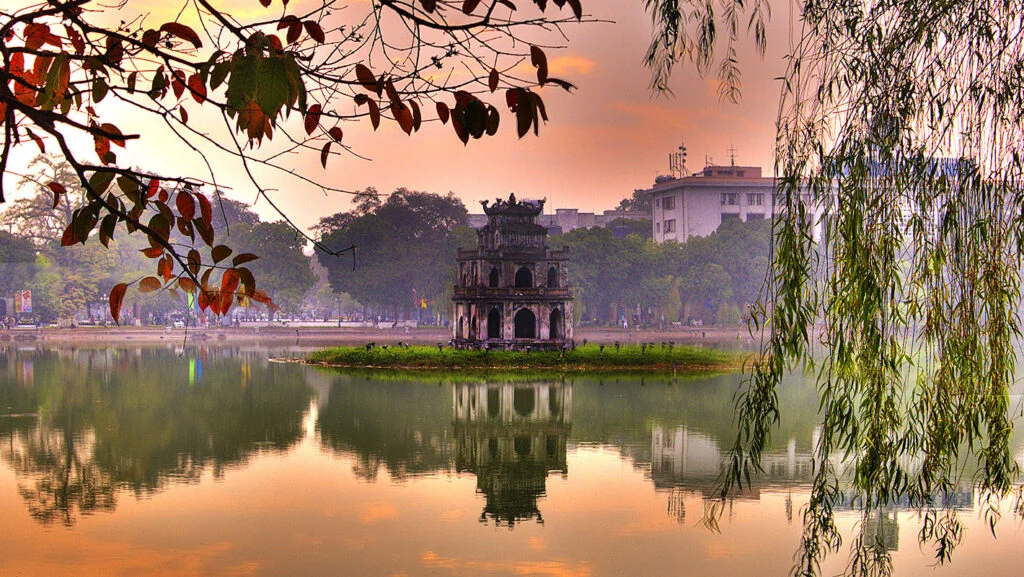
Walking around Hoàn Kiếm Lake remains one of the city’s most iconic activities. Early mornings reveal locals exercising, practicing tai chi, and gathering before work, while evenings transform the area into a lively social space filled with families and street performers.
Exploring the Old Quarter is another essential experience. The district’s famous “36 streets” originated from historical trade guilds, and many streets still specialize in particular crafts or products today. The area constantly shifts between traditional businesses, hidden cafés, temples, markets, and street food vendors.
The Temple of Literature offers a quieter perspective on Hanoi’s history. Built nearly a thousand years ago, it remains one of Vietnam’s most important cultural landmarks and provides a peaceful escape from the surrounding traffic.
Visitors interested in modern Vietnamese history often explore the Ho Chi Minh Mausoleum, Hoa Lo Prison Museum, and the Imperial Citadel, each revealing different chapters of Vietnam’s complex past.
And of course, no Hanoi trip feels complete without visiting Train Street. Although regulations continue changing regarding access, the experience remains one of the city’s most photographed attractions.
What to eat in Hanoi?
Food is arguably the biggest reason many travelers fall in love with Hanoi. The city is often considered one of Asia’s greatest street food destinations because eating here feels deeply connected to daily life rather than tourism.
Phở remains the most famous dish, but Hanoi’s food culture extends far beyond noodle soup.
Bún chả, featuring grilled pork served alongside rice noodles and fresh herbs, has become one of the city’s signature dishes and gained international attention after Anthony Bourdain and Barack Obama famously shared a meal in Hanoi.
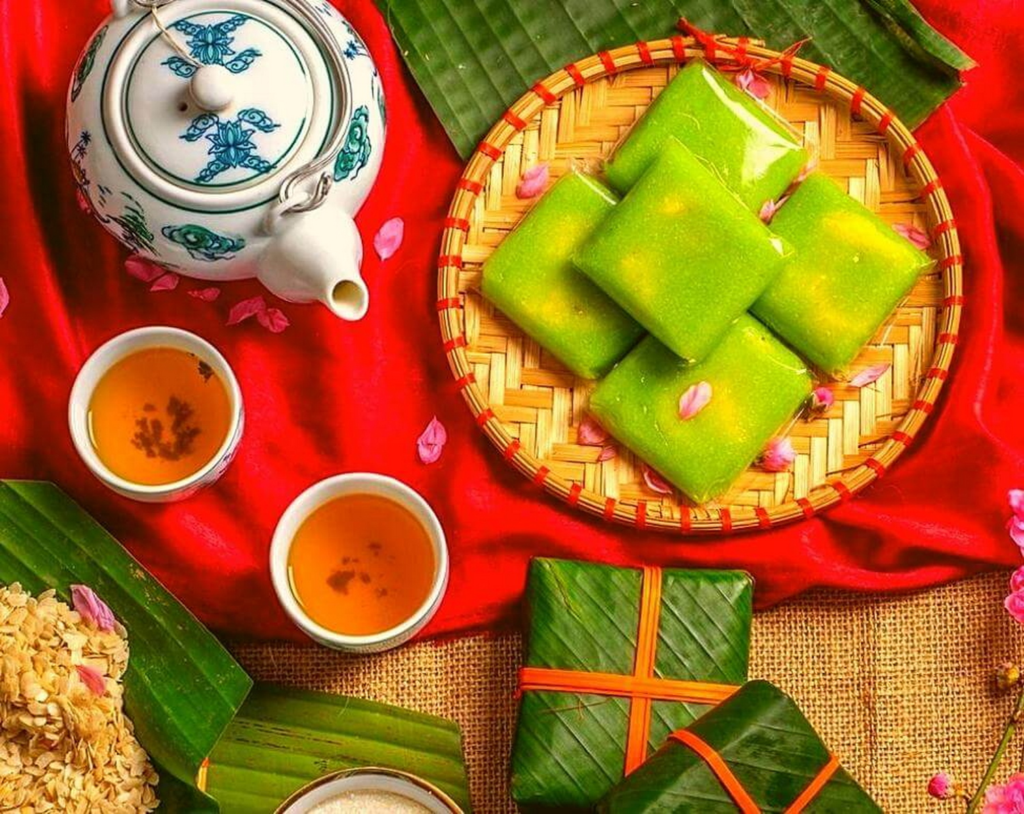
Bánh cuốn, delicate rice rolls filled with savory ingredients, offer another local favorite often enjoyed for breakfast. Chả cá, a turmeric-marinated fish dish prepared tableside, remains one of Hanoi’s most iconic culinary experiences.
Coffee culture is equally important.
Egg coffee, perhaps Hanoi’s most famous drink, combines strong Vietnamese coffee with a rich whipped egg mixture that creates an unexpectedly creamy texture. Hidden cafés throughout the city continue serving traditional recipes that have existed for generations.
The best approach to food in Hanoi is simple: stay curious. Some of the city’s most memorable meals happen in tiny restaurants filled entirely with locals.
Getting around Hanoi
Transportation in Hanoi initially looks intimidating, but it becomes surprisingly manageable after a short time.
For most visitors, walking remains the best way to explore central neighborhoods such as the Old Quarter, French Quarter, and areas surrounding Hoàn Kiếm Lake.
For longer distances, Grab, Be or Green SM is the easiest transportation option. The app allows travelers to book cars or motorbike rides at affordable prices while avoiding language barriers and fare negotiations.
Crossing the street may feel terrifying during the first few hours in Hanoi. The key is moving slowly and predictably rather than stopping suddenly. Local traffic naturally flows around pedestrians once you learn to trust the rhythm.
How many days should you spend in Hanoi?
For most first-time visitors, three days is ideal.
Travel experts and local guides often recommend three days because it provides enough time to experience Hanoi’s food culture, historical sites, neighborhood atmosphere, and coffee scene without feeling rushed.
A shorter stay still allows visitors to explore the Old Quarter and major attractions, while longer stays provide opportunities for day trips to destinations such as Ninh Bình or Ha Long Bay.
The biggest mistake is treating Hanoi purely as a transit city before heading elsewhere. The city deserves time.
Essential travel tips for Hanoi in 2026
The best Hanoi experiences often happen when plans remain flexible.
Rather than trying to visit every attraction, allow time for wandering, sitting in cafés, exploring side streets, and observing local life. Hanoi rewards curiosity far more than strict itineraries.
Wear comfortable shoes because walking becomes a major part of the experience. Carry cash, especially for street food and smaller local businesses.
Most importantly, do not judge Hanoi too quickly.
Many travelers admit that their first impression feels overwhelming, but after a few days the city reveals its charm in unexpected ways. The hidden cafés, historic architecture, incredible food, and everyday street life slowly come together into an experience that feels uniquely Hanoi.
Final thoughts
Hanoi is not a city built around perfect tourist experiences.
It is noisy, busy, occasionally confusing, and constantly moving. Yet that is exactly what makes it unforgettable.
Behind the traffic and chaos lies one of Asia’s most fascinating capitals – a city where ancient history, street food culture, colonial architecture, and modern creativity continue blending together every day.
Whether you come for the food, the culture, the coffee, or simply the atmosphere, Hanoi has a way of staying in your memory long after your trip ends.
And once you understand its rhythm, it becomes very difficult not to fall in love with it.
Ready to explore the real Vietnam?
Discover unforgettable culinary and cultural experiences with Saigon Taste Tours. Come explore the real Saigon with us – where you don’t just see the city, you taste it.
👉 Book your experience today and discover Vietnam like a local.
Discover the city beyond the tourist spots with Saigon Taste Tours. Come explore the real Saigon with us – where you don’t just see the city, you taste it.
For custom itineraries and group bookings, pricing depends on group size. Contact Ben via WhatsApp: +84 383 624 632. If you have any questions, please don’t hesitate to ask.We are looking forward to showing you around our lovely country!
Book your experience today and discover Vietnam like a local!


Saigon Taste Tours team
Welcome to SAIGON TASTE Tours! We’re a team of passionate local guides dedicated to sharing the real Saigon and Vietnam through food, culture, and hidden gems. From bustling street food stalls and historic landmarks to outdoor adventures and peaceful nature escapes, our tours are designed to be authentic and unforgettable. Every experience is private and tailored to you, guided by knowledgeable locals who go above and beyond to make you feel like you’re exploring with a friend. With us, you won’t just visit Vietnam — you’ll truly experience it. We can’t wait to welcome you! Best regards, Ben and the SAIGON TASTE Tours
saigontastetours@gmail.com Click to Connect with Us
Leave a Reply