Unique Foods You Can Only Find In The Mekong Delta: A Culinary Journey Through Southern Vietnam
Vietnam is widely celebrated for its diverse and vibrant food culture. From the iconic bowls of pho in the north to the flavorful street food of Ho Chi Minh City, every region offers something unique for travelers to discover. Yet among all of Vietnam’s culinary destinations, few places showcase authentic local flavors quite like the Mekong Delta.
Often referred to as Vietnam’s “rice bowl,” the Mekong Delta is a fertile network of rivers, canals, floating markets, fruit orchards, and agricultural communities. Life here revolves around the water, and so does the food. Generations of farmers, fishermen, and local families have developed dishes that reflect the region’s rich natural resources, creating a food culture unlike anywhere else in the country.
For travelers seeking authentic experiences, exploring unique foods in the Mekong Delta is one of the most rewarding ways to understand the region’s traditions, history, and daily life. Many dishes remain largely unknown outside Southern Vietnam, making them true culinary treasures waiting to be discovered.
In this guide, we’ll explore some of the most distinctive foods that can only be found in the Mekong Delta and explain why they have become such an important part of local culture.
Why Mekong Delta Cuisine Is Different From The Rest Of Vietnam
Before exploring the unique dishes that define the region, it’s worth understanding why Mekong Delta cuisine stands apart from the rest of Vietnam.
Known as the country’s agricultural heartland, the Mekong Delta is blessed with fertile soil, an extensive network of rivers, and a year-round tropical climate. These natural advantages provide an incredible abundance of fresh ingredients, from freshwater fish and river prawns to tropical fruits, vegetables, and rice harvested from vast green fields. For generations, local communities have relied on these resources, shaping a culinary culture deeply rooted in the surrounding landscape.
The region’s food has also been influenced by centuries of cultural exchange. Vietnamese traditions blend seamlessly with Khmer and Chinese culinary heritage, creating dishes that are rich in flavor yet remarkably balanced. Fresh herbs, naturally sweet ingredients, fragrant broths, and locally sourced produce all play important roles in defining the character of Mekong Delta cooking.
Unlike many famous dishes that originated in royal kitchens or large cities, much of the Mekong Delta’s cuisine was born in family homes, riverside villages, floating markets, and farming communities. Recipes have been passed down through generations, preserving cooking techniques and flavors that remain closely connected to everyday life.
This unique relationship between people, waterways, and agriculture is what makes Mekong Delta cuisine so distinctive. Every meal tells a story of the region’s culture, traditions, and natural abundance, offering visitors an authentic taste of Southern Vietnam that cannot be found anywhere else.
Elephant Ear Fish (Ca Tai Tuong Chien Xu)
Among the most famous dishes associated with the Mekong Delta is Elephant Ear Fish, known locally as Ca Tai Tuong Chien Xu. At first glance, the presentation alone captures attention. The fish is deep-fried whole until the skin becomes incredibly crisp and golden. It is then served upright on a platter, resembling a decorative sculpture more than a meal.
Despite its dramatic appearance, the preparation is surprisingly simple. Fresh elephant ear fish are carefully cleaned and fried at a precise temperature to preserve the delicate meat while achieving a crispy exterior.
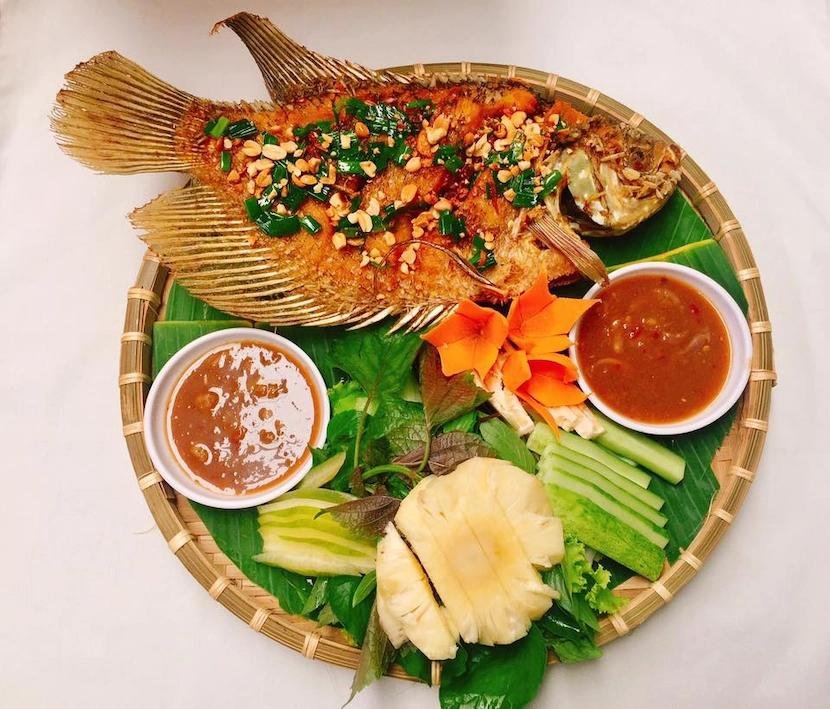
The dining experience is equally unique. Pieces of fish are wrapped in rice paper along with fresh herbs, cucumber, star fruit, green banana, and vermicelli noodles. The rolls are then dipped into a flavorful fish sauce.
The combination of textures creates a remarkable balance. Crispy skin, tender fish, aromatic herbs, and tangy dipping sauce come together in a way that perfectly represents the flavors of the Mekong Delta. Visitors often encounter this dish during countryside tours, particularly in traditional garden restaurants located along the rivers.
Fermented Fish Hotpot (Lau Mam)
If there is one dish that truly embodies the spirit of the Mekong Delta, it may be Lau Mam. This rich and complex hotpot is built around fermented fish paste, an ingredient that has been part of regional cooking traditions for generations. While the aroma can be intense for first-time visitors, locals consider it one of the most beloved flavors in Southern Vietnam.
The broth begins with fermented fish that is slowly cooked and strained to create a deeply savory base. From there, a wide variety of ingredients are added, including shrimp, squid, fish, pork, eggplant, water lily stems, bitter vegetables, and dozens of local herbs.
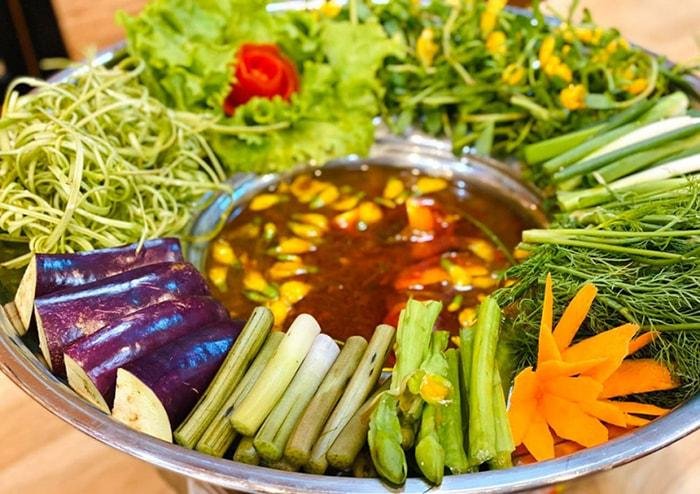
What makes Lau Mam especially fascinating is that no two versions are exactly alike. Families and restaurants often have their own recipes, adjusting ingredients based on seasonal availability. Eating Lau Mam is more than simply enjoying a meal. It is an opportunity to experience the agricultural diversity of the delta in a single pot. Every bite tells a story about the rivers, wetlands, and farming communities that define the region.
Grilled Snakehead Fish (Ca Loc Nuong Trui)
Few dishes better represent the rustic traditions of the Mekong Delta than Ca Loc Nuong Trui. Historically, farmers working in rice fields would catch fresh snakehead fish and cook them directly over open flames. The fish would be skewered on a stick, covered in straw, and grilled until perfectly cooked.
Today, the cooking method remains remarkably similar. The fish is often grilled whole without extensive seasoning, allowing its natural flavor to shine. Once cooked, the charred outer layer is removed to reveal moist, flaky meat inside.
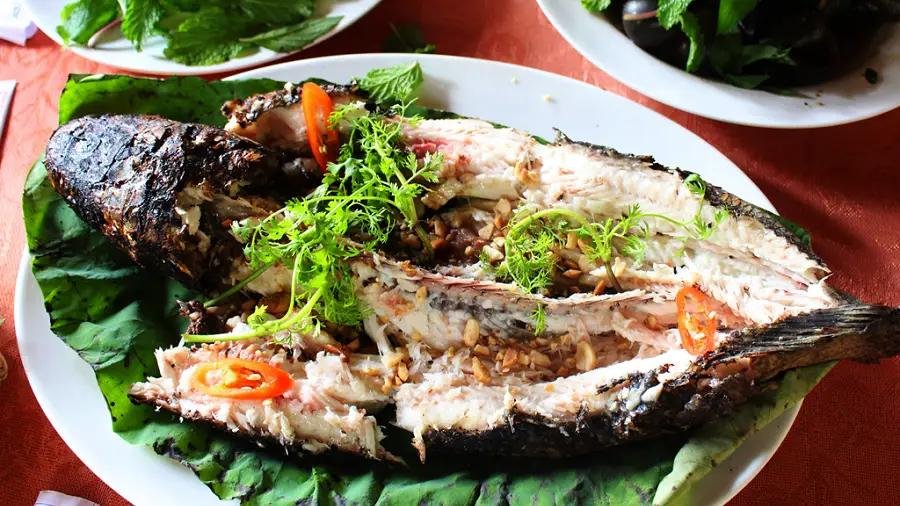
Like many Mekong Delta specialties, the fish is served with rice paper, fresh herbs, vegetables, and dipping sauces. The simplicity of the dish highlights the freshness of local ingredients rather than relying on heavy spices or complicated preparation.
For travelers interested in traditional countryside culture, enjoying grilled snakehead fish beside a river or in a garden restaurant provides an authentic glimpse into rural life.
Coconut Worms (Duong Dua)
Among the most unusual foods found in Southern Vietnam, few generate as much curiosity as coconut worms. These larvae develop naturally inside coconut trees and have long been considered a specialty in parts of the Mekong Delta. While many international visitors initially hesitate when they see them, adventurous food lovers often add coconut worms to their culinary bucket list.
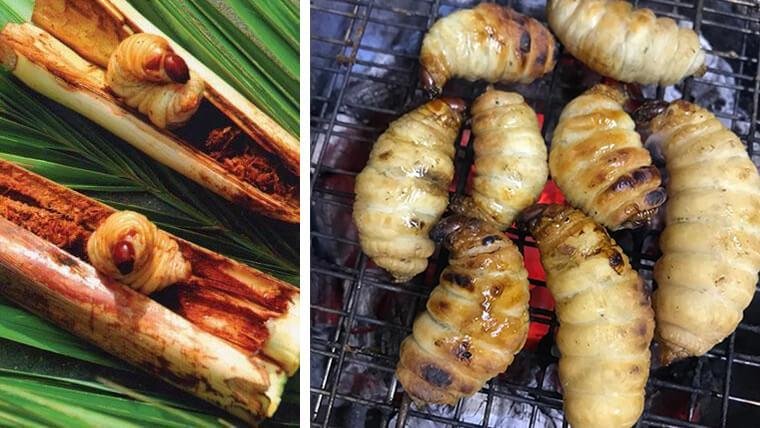
Traditionally, the worms are served alive in fish sauce, though some restaurants now prepare them fried, grilled, or roasted to make them more approachable for tourists. Locals appreciate coconut worms for their rich texture and unique flavor.
The dish also reflects a longstanding philosophy of resourcefulness in rural communities, where people have historically made use of everything the environment provides. Whether travelers choose to try them or simply learn about them, coconut worms remain one of the most distinctive examples of unique foods in the Mekong Delta.
Freshwater Crab Noodle Soup (Bun Cua)
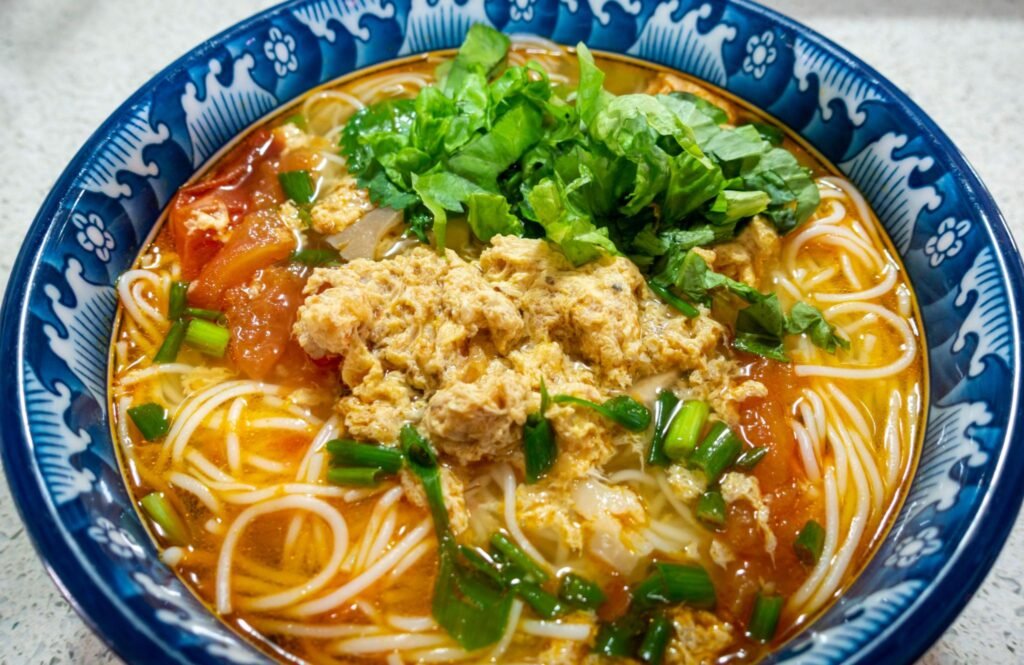
With its vast network of rivers, canals, and wetlands, the Mekong Delta is home to an abundance of freshwater seafood, making crab-based dishes a beloved part of local cuisine. Among them, Bun Cua stands out as a comforting and flavorful noodle soup that has long been enjoyed by families throughout the region.
Prepared with fresh crab meat, rice noodles, fragrant herbs, and seasonal vegetables, Bun Cua showcases the simple yet satisfying flavors that define Mekong Delta cooking. The broth is typically rich, aromatic, and slightly sweeter than similar noodle soups found in other parts of Vietnam, reflecting the distinctive taste preferences of Southern cuisine.
One of the reasons this dish is so highly regarded is the quality of its ingredients. In many riverside communities, crabs are sourced directly from nearby waterways, allowing cooks to create broths that are exceptionally fresh and full of natural flavor. Every bowl offers a taste of the region’s close connection to its rivers and agricultural landscape.
Mam Kho (Braised Fermented Fish)
Among the many flavors that define Mekong Delta cuisine, Mam Kho offers a fascinating glimpse into the region’s culinary heritage. This traditional dish originated from a time when local communities relied on fermentation and preservation methods to make the most of the abundant fish harvested from rivers and canals.
The preparation begins with fermented fish that is carefully simmered for hours, creating a rich and deeply savory sauce. Depending on local traditions and family recipes, ingredients such as pork belly, freshwater shrimp, eggplant, chili, and seasonal vegetables may be added to enhance both flavor and texture. The result is a dish that is bold, aromatic, and full of character.
Mam Kho is usually enjoyed alongside an assortment of fresh vegetables and herbs picked from nearby gardens. The crisp freshness of the vegetables perfectly balances the intense, umami-rich sauce, creating a combination that locals have cherished for generations.
More than just a meal, Mam Kho reflects the resourcefulness and agricultural traditions of the Mekong Delta. It serves as a reminder of how local communities adapted to their environment, transforming simple ingredients into dishes that continue to play an important role in the region’s food culture today.
Hu Tieu My Tho
Among Southern Vietnam’s most famous noodle dishes, Hu Tieu My Tho originates from the city of My Tho in Tien Giang Province. The dish features clear, flavorful broth, chewy rice noodles, pork, shrimp, herbs, and various toppings. While Hu Tieu can be found throughout Vietnam, the original My Tho version remains especially prized.
One reason for its popularity is the distinctive texture of the noodles, which are traditionally produced using techniques developed in the region. The broth is typically lighter and sweeter than many other Vietnamese noodle soups, reflecting Southern culinary preferences.
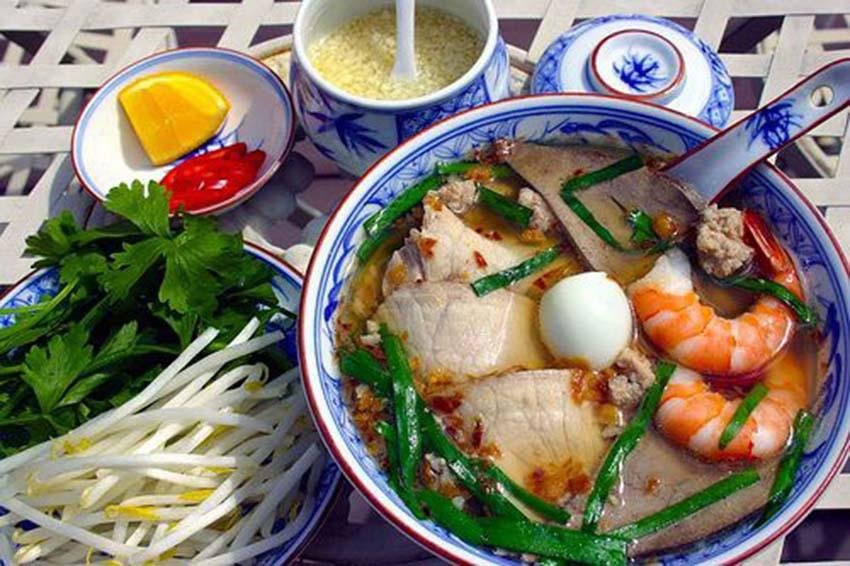
For travelers visiting floating markets and riverside communities, enjoying a bowl of authentic Hu Tieu My Tho is often considered an essential culinary experience.
Seasonal Fruits Found Only In The Mekong Delta
No discussion of Mekong Delta food would be complete without mentioning the region’s extraordinary fruits. The fertile soil and tropical climate create ideal growing conditions for countless varieties. Many orchards welcome visitors who can walk among the trees and taste fruit directly from the source.
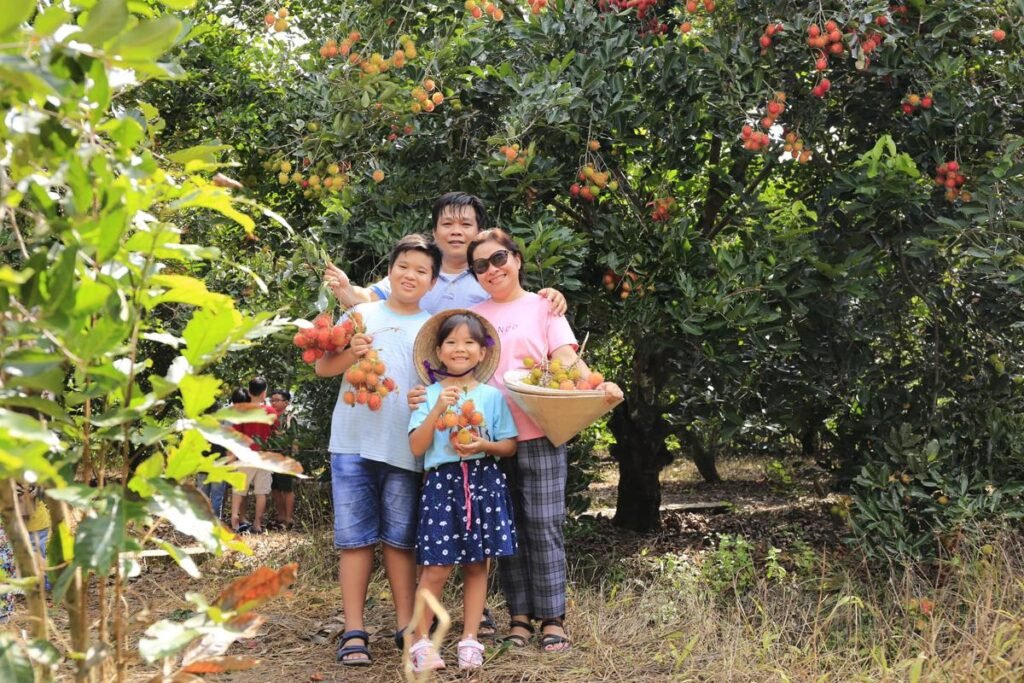
Durian is perhaps the most famous, known for its powerful aroma and rich custard-like texture. Mangosteen offers a sweet and refreshing contrast, while rambutan delights visitors with its colorful appearance and juicy flesh.
Other local favorites include star apple, longan, jackfruit, pomelo, and milk fruit. For many travelers, visiting a fruit orchard becomes one of the highlights of their journey through the delta. It provides a direct connection to the agricultural traditions that sustain the region’s communities.
Floating Markets And The Food Culture Of The Delta
The story of Mekong Delta cuisine cannot be separated from its floating markets. For generations, traders have transported fruits, vegetables, fish, and prepared foods along the waterways. Markets such as Cai Rang and Cai Be continue this tradition, offering visitors a glimpse into a unique way of life.
Early in the morning, boats gather to sell fresh produce, noodle soups, coffee, and local snacks. Many dishes are prepared directly on the water, creating an atmosphere unlike any conventional marketplace.
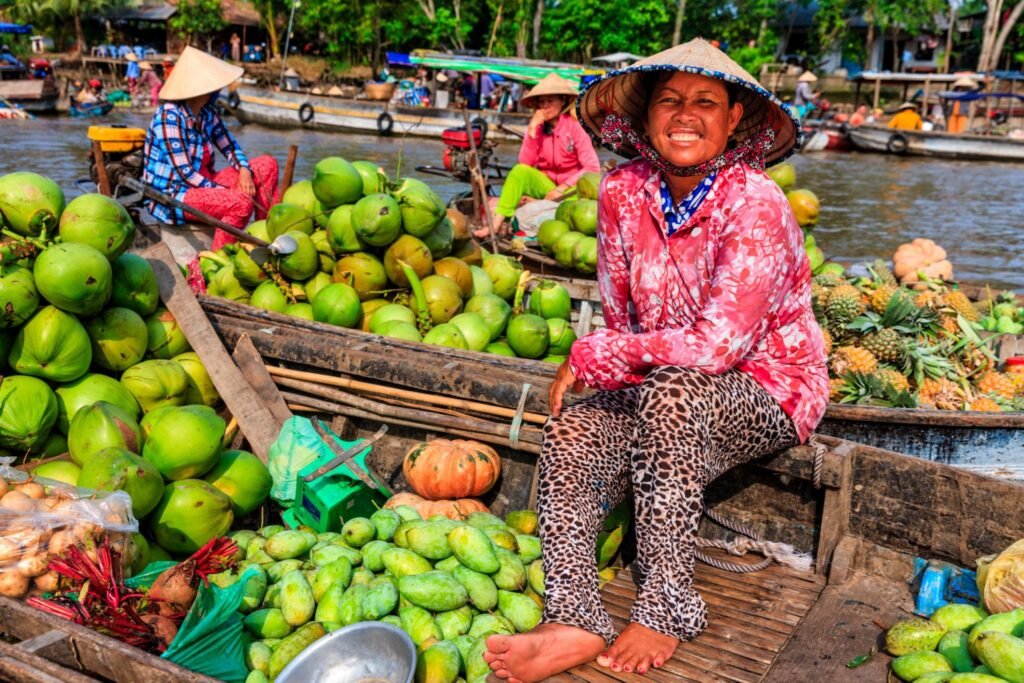
These floating markets serve as living museums of regional food culture, preserving traditions that have shaped the Mekong Delta for centuries. Travelers who explore these markets gain a deeper understanding of how food, transportation, commerce, and community remain interconnected throughout the region.
Why Food Lovers Should Visit The Mekong Delta
While Vietnam offers remarkable cuisine from north to south, the Mekong Delta stands apart for its authenticity, diversity, and deep connection to local life. The region’s food reflects generations of agricultural traditions, river-based lifestyles, and cultural influences that have shaped Southern Vietnam over centuries. Many of its specialties remain largely unknown outside the region, making them especially rewarding for travelers seeking experiences beyond the typical tourist trail.
From bustling floating markets and family-run eateries to fruit orchards and riverside villages, every meal provides an opportunity to better understand the culture and traditions of the people who live here. Whether you’re enjoying freshly harvested tropical fruits, sharing a hotpot with locals, or sampling dishes that have been passed down through generations, food becomes more than something to eat, it becomes a way to connect with the destination itself.
Discover Vietnam Through Its Flavors
The Mekong Delta is far more than a landscape of rivers, canals, and lush countryside. It is one of Vietnam’s most fascinating culinary destinations, where every dish tells a story about the land, the waterways, and the communities that have thrived here for generations. Exploring the region’s unique foods offers travelers a deeper understanding of Southern Vietnam and reveals experiences that cannot be found in guidebooks alone.
And if you’re looking to continue your culinary journey beyond the Mekong Delta, there is no better place to explore than Ho Chi Minh City, where influences from across the country come together in one vibrant food scene. Come explore the real Saigon with us at Saigon Taste Tours, where you don’t just see the city, you taste it.
Our local guides help travelers uncover authentic Vietnamese cuisine, hidden neighborhood gems, bustling markets, and unforgettable food stories that most visitors never discover on their own. Whether you’re planning your first trip to Vietnam or searching for deeper cultural experiences, join us and experience the flavors, traditions, and local life that make this country truly unforgettable. Book your tour today and start tasting the stories behind every dish.
Discover the city beyond the tourist spots with Saigon Taste Tours. Come explore the real Saigon with us – where you don’t just see the city, you taste it.
For custom itineraries and group bookings, pricing depends on group size. Contact Ben via WhatsApp: +84 383 624 632. If you have any questions, please don’t hesitate to ask.We are looking forward to showing you around our lovely country!
Book your experience today and discover Vietnam like a local!

Saigon Taste Tours team
Welcome to SAIGON TASTE Tours! We’re a team of passionate local guides dedicated to sharing the real Saigon and Vietnam through food, culture, and hidden gems. From bustling street food stalls and historic landmarks to outdoor adventures and peaceful nature escapes, our tours are designed to be authentic and unforgettable. Every experience is private and tailored to you, guided by knowledgeable locals who go above and beyond to make you feel like you’re exploring with a friend. With us, you won’t just visit Vietnam — you’ll truly experience it. We can’t wait to welcome you! Best regards, Ben and the SAIGON TASTE Tours
saigontastetours@gmail.com Click to Connect with Us
Leave a Reply