
Saigon’s Hidden Spiritual Side: A Two-Wheel Journey Through Secret Temples And Shrines
Discovering A Different Side Of Saigon
When most travelers think of Ho Chi Minh City, they imagine buzzing motorbikes, towering skyscrapers, vibrant street food markets, and energetic nightlife. The city’s modern rhythm is undeniable, yet beneath the surface lies a quieter world that many visitors never discover.
Beyond the famous landmarks and crowded tourist routes exists a network of hidden temples, neighborhood shrines, and sacred spaces tucked away in narrow alleyways. These places reveal a deeply spiritual side of Saigon that has survived decades of urban transformation. While millions of scooters flow through the city streets each day, countless residents still pause before tiny roadside altars, light incense at ancient pagodas, and seek blessings from deities who have watched over their communities for generations.
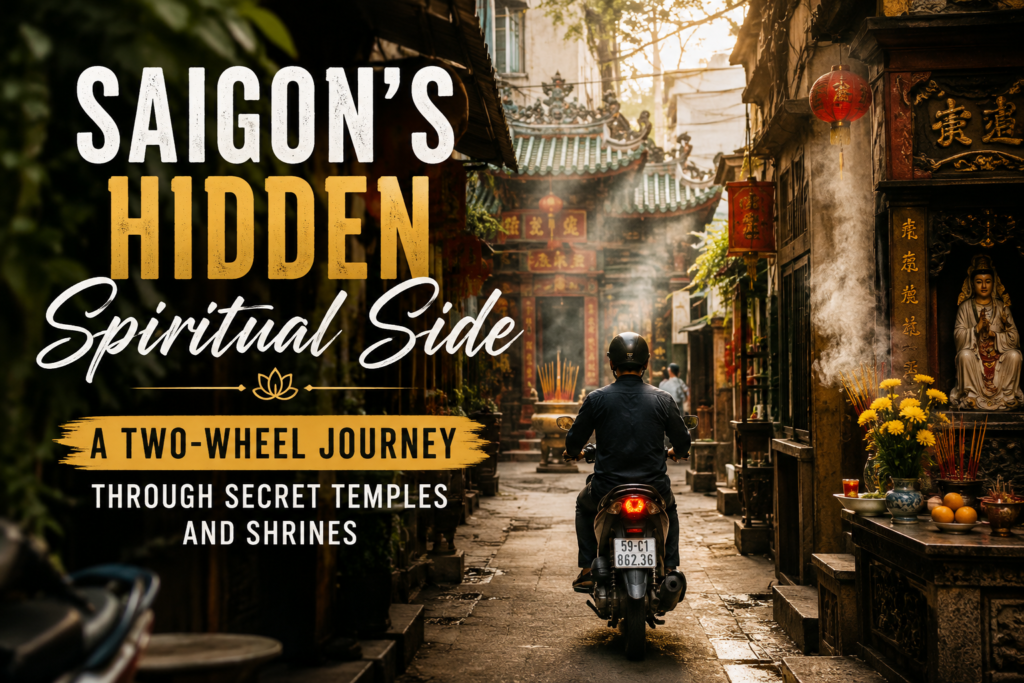
One of the best ways to explore this lesser-known dimension of the city is by motorbike. Riding through Saigon’s maze-like neighborhoods allows travelers to reach places inaccessible to large tour buses and discover sacred sites hidden behind markets, apartment blocks, and unassuming alley entrances. This unique two-wheel journey takes visitors beyond the guidebooks and into the spiritual heart of the city, where Buddhist traditions, Taoist beliefs, Chinese folk religion, and local Vietnamese customs coexist in remarkable harmony.
Why Exploring Saigon By Motorbike Reveals More Than Walking Ever Could
Saigon is a city built around movement. The motorbike is not merely transportation; it is an essential part of daily life and the key to understanding how the city functions. Many of the most fascinating spiritual sites are scattered throughout districts rarely visited by international tourists. Some are hidden deep inside residential neighborhoods, while others sit quietly at the end of winding alleyways where only locals pass by each day.
Traveling by motorbike offers an entirely different perspective. Instead of moving from one famous attraction to another, visitors become immersed in the city itself. The journey between destinations becomes just as meaningful as the destinations themselves.
Along the way, riders pass flower vendors delivering offerings to temples, elderly residents burning incense outside family shrines, and local worshippers carrying baskets of fruit for religious ceremonies. These everyday scenes provide valuable insight into how spirituality remains woven into modern urban life. Unlike organized bus tours that follow predictable routes, a motorbike tour Saigon experience allows travelers to navigate hidden corners of the city and encounter sacred spaces that rarely appear on travel itineraries.
The Secret Alley Pagodas Of District 3
Among Saigon’s most intriguing spiritual treasures are the small pagodas concealed within District 3’s residential alleys. At first glance, many of these locations seem impossible to find. A narrow lane branches away from a busy road, leading visitors past modest homes, family-owned cafés, and local repair shops. Then suddenly, tucked behind an ordinary gate, a peaceful temple courtyard emerges.
Inside, the atmosphere changes completely. The sounds of traffic fade into the background, replaced by the gentle crackling of incense and the rhythmic chanting of Buddhist prayers. Many of these pagodas have served local communities for generations. Their architecture often combines traditional Vietnamese design with influences from Chinese and Khmer cultures, reflecting the diverse heritage of southern Vietnam.
Visitors may encounter monks tending gardens, elderly women preparing offerings, or families gathering to pray for health, prosperity, and good fortune. Unlike major tourist attractions, these temples remain authentic places of worship where daily religious life continues uninterrupted. The experience offers travelers a rare opportunity to observe genuine spiritual practices while gaining a deeper understanding of the role Buddhism plays in contemporary Vietnamese society.
Jade-Colored Incense And Ancient Traditions In Cho Lon
No exploration of Saigon hidden temples would be complete without venturing into Cho Lon, the city’s historic Chinatown. Located primarily in District 5, Cho Lon has been a cultural and commercial center for the Chinese-Vietnamese community for centuries. Its spiritual landscape is among the most fascinating in Southeast Asia.
Here, temples dedicated to Taoist deities, Chinese folk gods, and Buddhist figures stand side by side. Thick coils of incense hang from ceilings, slowly burning for weeks while carrying prayers toward the heavens. One of the most remarkable aspects of Cho Lon’s temples is the sensory experience they create. Visitors are greeted by the fragrance of sandalwood incense, the glow of red lanterns, and intricate carvings depicting scenes from Chinese mythology.
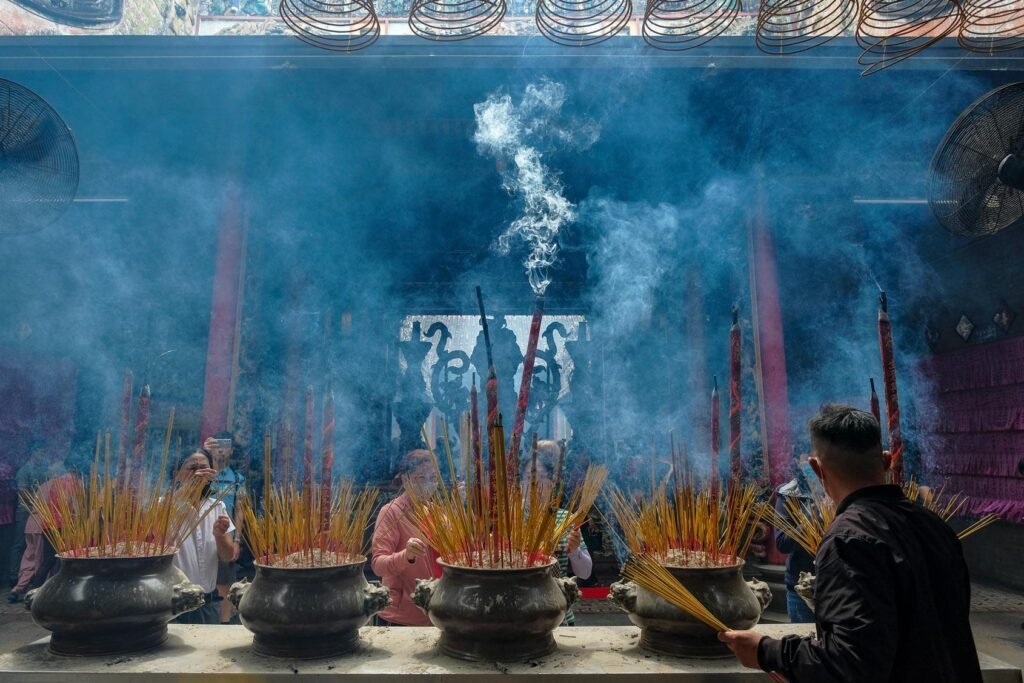
Many temples remain active gathering places for local residents who come to seek blessings for business success, family harmony, and protection. During major festivals, these sacred spaces transform into vibrant centers of celebration filled with music, ceremonial offerings, and community gatherings.
Exploring Cho Lon by motorbike allows travelers to move effortlessly between temples while experiencing the neighborhood’s dynamic street life. Every turn reveals another hidden shrine, traditional medicine shop, or historic building that contributes to the area’s unique character. The contrast between bustling commercial streets and serene spiritual sanctuaries creates an unforgettable travel experience.
Hidden Shrines Beneath Modern Saigon
One of the most surprising discoveries for visitors is how many sacred sites remain hidden within the modern cityscape. Luxury apartments, office towers, and shopping centers now dominate much of central Saigon. Yet beneath this contemporary exterior, countless small shrines continue to serve as important spiritual landmarks. Some occupy tiny spaces no larger than a closet. Others stand beneath massive trees that have survived decades of urban development.
These shrines often honor local guardian spirits, historical figures, or deities believed to protect neighborhoods and businesses. Residents regularly stop to leave flowers, incense, fruit, and other offerings. For travelers, these modest structures provide valuable insight into Vietnamese folk beliefs. While large temples attract attention, these neighborhood shrines reveal how spirituality functions in everyday life.
Observing locals interact with these sacred spaces offers a deeper understanding of the relationship between tradition and modernity in Vietnam. Even as Saigon evolves into one of Southeast Asia’s fastest-growing cities, its spiritual foundations remain remarkably resilient.
The Stories Behind Saigon’s Sacred Trees
Throughout the city, certain trees are regarded with profound respect. Many have stood for generations and are associated with local legends, guardian spirits, or historical events. It is not uncommon to find miniature shrines built at the base of these ancient trees, adorned with incense sticks, flowers, and offerings.
According to local beliefs, some trees serve as dwelling places for protective spirits. Others are believed to bring good fortune or safeguard nearby communities. Motorbike travelers often encounter these sacred sites unexpectedly while navigating residential neighborhoods. Unlike major temples, they are rarely marked on maps or included in travel guides.
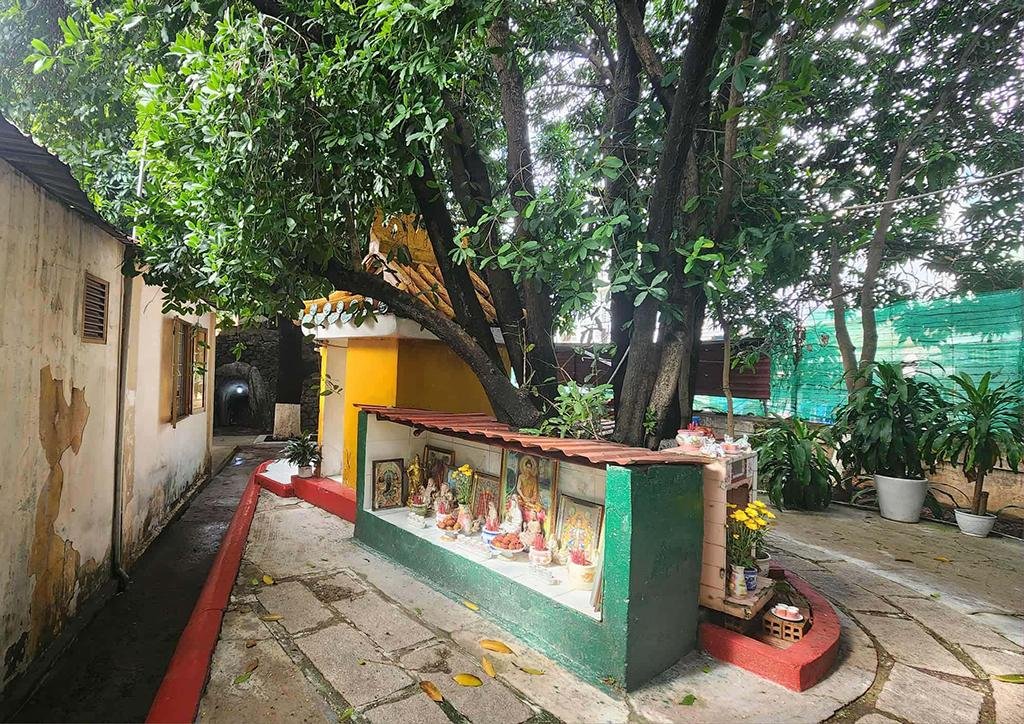
Their presence highlights an important aspect of Vietnamese spirituality: the belief that sacredness can exist in ordinary places. A tree, an alleyway, or a small corner shrine may hold just as much significance to local residents as a grand religious monument. These discoveries often become some of the most memorable moments of a Saigon spiritual tour because they reveal a deeply personal connection between people, place, and tradition.
Experiencing Morning Rituals Before The City Awakens
The best time to explore Saigon’s spiritual side is often just after sunrise. As the city slowly comes to life, temples begin welcoming worshippers who arrive before work or school. The air remains cool, traffic is lighter, and the atmosphere feels noticeably different from the energetic pace that dominates later in the day.
During these early hours, visitors can witness authentic religious practices that have remained unchanged for generations. Monks chant morning prayers while devotees kneel before altars. Vendors deliver fresh flowers and fruit offerings. Elderly residents light incense and quietly reflect before beginning their daily routines. These moments provide a glimpse into the spiritual rhythms that continue to shape life in Saigon.
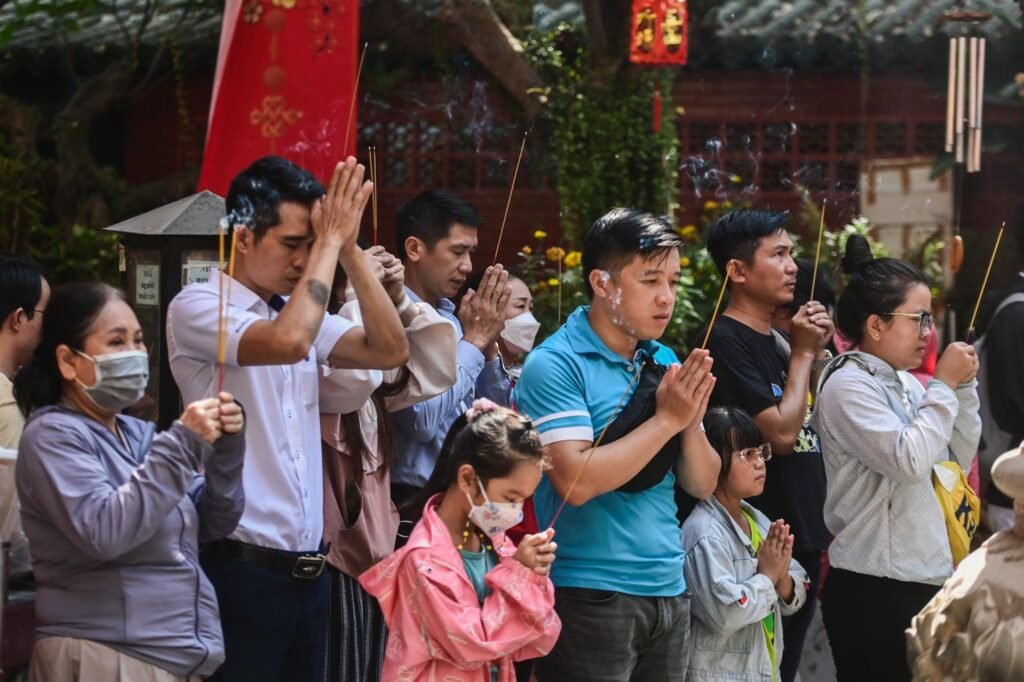
For photographers, the soft morning light creates ideal conditions for capturing temple architecture, drifting incense smoke, and peaceful courtyard scenes. For travelers seeking meaningful cultural experiences, the opportunity to observe these rituals respectfully can become a highlight of their journey.
The Blend Of Faiths That Defines Southern Vietnam
One of the most fascinating aspects of Saigon’s spiritual landscape is its diversity. Rather than being dominated by a single religious tradition, the city reflects centuries of cultural exchange and coexistence. Buddhist temples stand near Catholic churches, Taoist shrines, Chinese assembly halls, and folk religious sites.
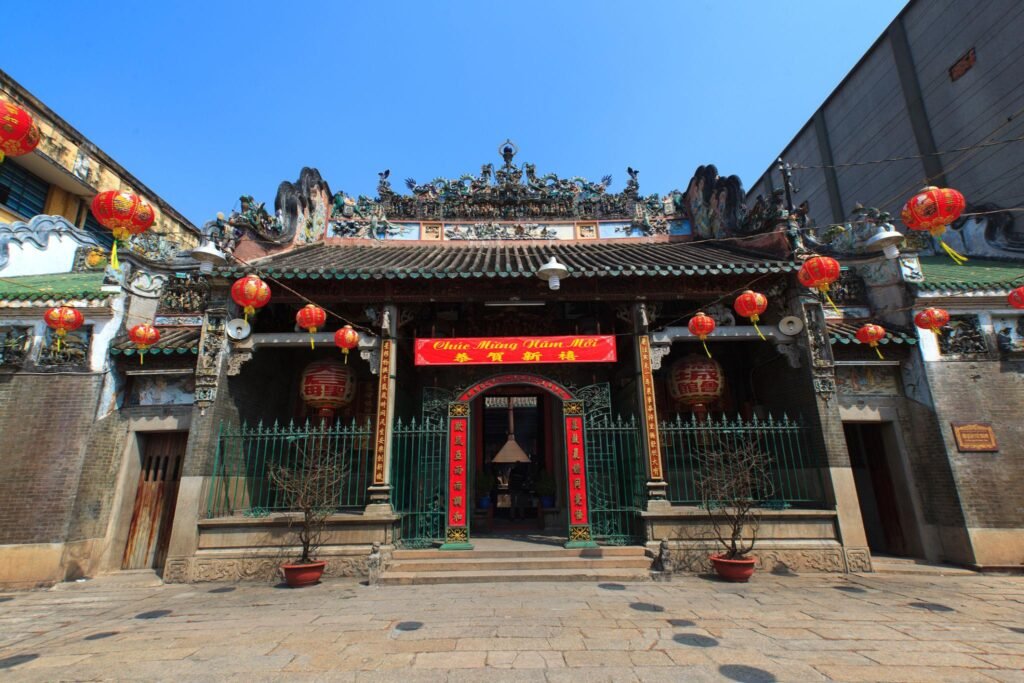
Many local residents incorporate elements from multiple traditions into their spiritual lives. A family may visit a Buddhist pagoda, maintain ancestral altars at home, and participate in community festivals rooted in folk beliefs. This blending of traditions creates a unique cultural environment unlike anywhere else in Southeast Asia.
Travelers exploring the city’s hidden spiritual sites quickly realize that religion in Vietnam is often less about strict boundaries and more about maintaining connections with family, community, and heritage. The result is a rich spiritual tapestry that continues to shape the identity of modern Saigon.
Respectful Travel: Understanding Temple Etiquette
Visiting sacred spaces comes with responsibilities. While Saigon’s temples are generally welcoming to visitors, understanding basic etiquette helps ensure respectful interactions with worshippers and religious communities. Modest clothing is always appreciated when entering temples and shrines. Speaking quietly, removing hats when appropriate, and avoiding disruption during prayer ceremonies demonstrate respect for local customs.
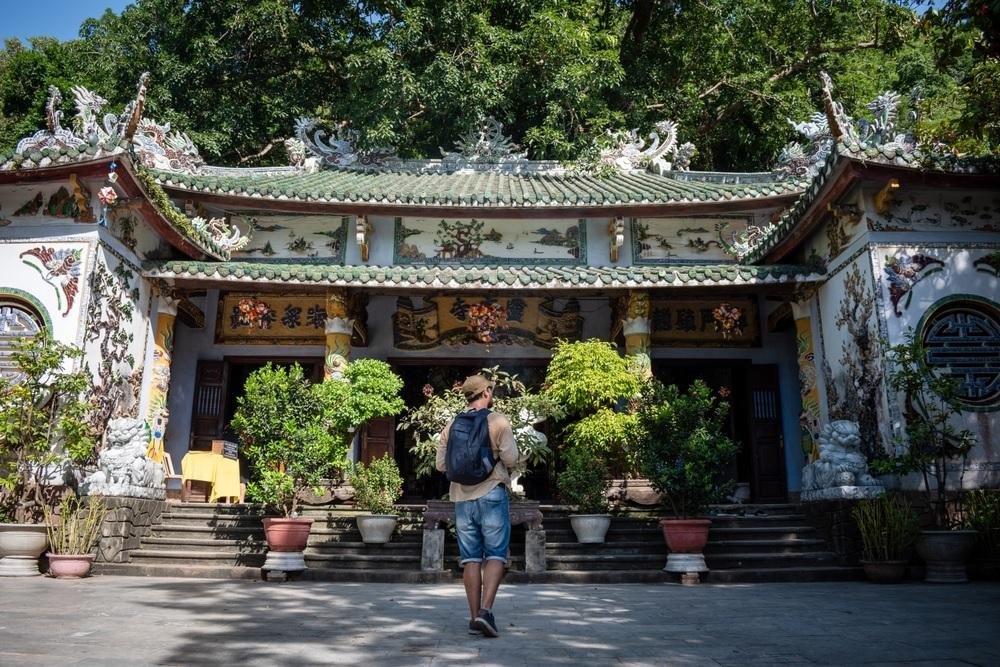
Photography is usually permitted in many locations, but visitors should remain mindful of worshippers and ask permission when photographing individuals. Most importantly, travelers should remember that these sites are active places of faith rather than tourist attractions. Approaching them with curiosity and respect leads to more meaningful cultural exchanges and deeper appreciation for local traditions.
Why Saigon’s Hidden Spiritual Side Deserves A Place on Every Itinerary
Many travelers leave Ho Chi Minh City remembering its food, nightlife, and energetic streets. While these experiences are undeniably important, they represent only part of the city’s story. The hidden temples and shrines scattered throughout Saigon reveal another dimension entirely. They tell stories of migration, resilience, cultural exchange, and enduring faith. They demonstrate how traditions continue to thrive amid rapid modernization.
Exploring these sacred spaces by motorbike transforms an ordinary sightseeing experience into a journey through the city’s living heritage. Every alleyway, shrine, and temple offers insight into the beliefs and values that have shaped generations of residents. For travelers seeking authentic cultural connections, few experiences provide a deeper understanding of Saigon than discovering its spiritual heart one hidden corner at a time.
Explore the Real Saigon With Local Experts
The most rewarding travel experiences often happen beyond the famous attractions. Hidden temples, secret shrines, local neighborhoods, and meaningful cultural encounters reveal a side of Saigon that many visitors never get the chance to see.
If you’re ready to experience the city’s authentic character, let local guides show you the places that don’t appear in traditional guidebooks. Come explore the real Saigon with us at Saigon Taste Tours, where you don’t just see the city, you taste it.
Whether you’re searching for hidden cultural treasures, unforgettable local food experiences, or immersive motorbike adventures, our passionate guides help you discover the stories, flavors, and traditions that make Saigon truly unique. Book your Saigon adventure today and uncover the hidden soul of Vietnam’s most dynamic city.
Discover the city beyond the tourist spots with Saigon Taste Tours. Come explore the real Saigon with us – where you don’t just see the city, you taste it.
For custom itineraries and group bookings, pricing depends on group size. Contact Ben via WhatsApp: +84 383 624 632. If you have any questions, please don’t hesitate to ask.We are looking forward to showing you around our lovely country!
Book your experience today and discover Vietnam like a local!



Saigon Taste Tours team
Welcome to SAIGON TASTE Tours! We’re a team of passionate local guides dedicated to sharing the real Saigon and Vietnam through food, culture, and hidden gems. From bustling street food stalls and historic landmarks to outdoor adventures and peaceful nature escapes, our tours are designed to be authentic and unforgettable. Every experience is private and tailored to you, guided by knowledgeable locals who go above and beyond to make you feel like you’re exploring with a friend. With us, you won’t just visit Vietnam — you’ll truly experience it. We can’t wait to welcome you! Best regards, Ben and the SAIGON TASTE Tours
saigontastetours@gmail.com Click to Connect with Us
Leave a Reply