
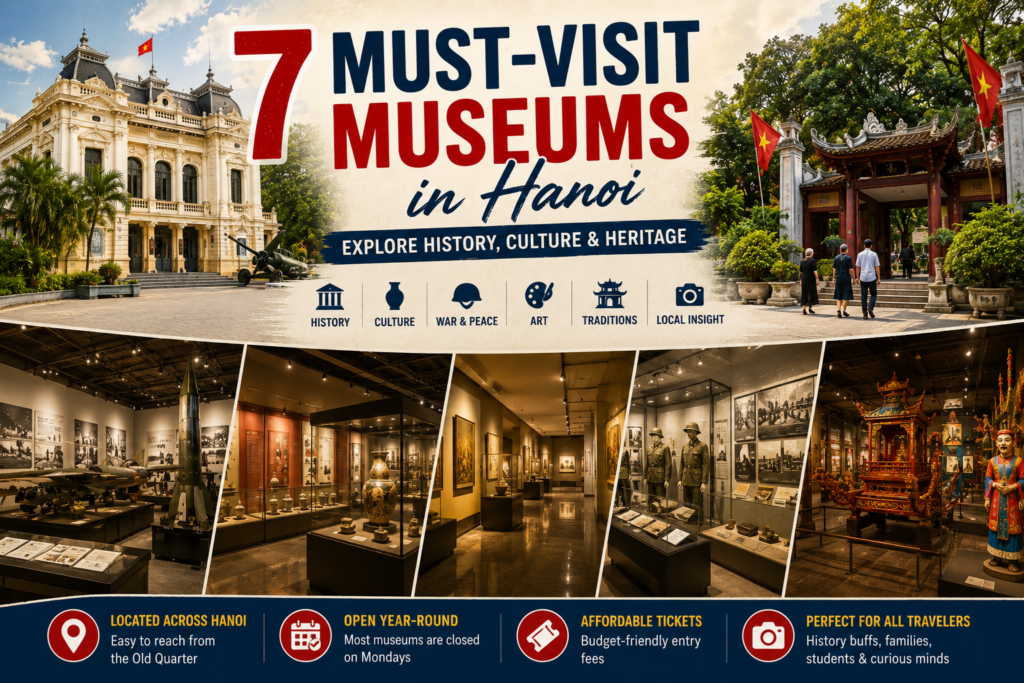
7 Must-Visit Museums in Hanoi
Discover the hstory, art & culture of Vietnam’s capital
When most travelers think about Hanoi, they imagine chaotic motorbike traffic, steaming bowls of phở, centuries-old temples, and the charming maze of streets inside the Old Quarter. But beyond the city’s famous food culture and historic architecture lies another side of Hanoi that many visitors overlook: its museums.
As Vietnam’s capital, Hanoi is home to some of the country’s most fascinating museums, covering everything from ethnic minority cultures and wartime history to fine arts, women’s stories, and ancient civilizations. What makes museum-hopping in Hanoi especially rewarding is that many of these institutions are housed inside beautiful colonial buildings, modern architectural landmarks, or historic sites that are attractions in their own right.
Whether you are visiting Vietnam for the first time or returning to understand the country more deeply, spending a few days exploring Hanoi’s museums offers valuable context for everything else you will experience throughout your journey.
Here are seven museums in Hanoi that are absolutely worth visiting.
1. Vietnam Museum of Ethnology – Bảo tàng Dân tộc học Việt Nam
If there is only one museum you have time to visit in Hanoi, many travelers would argue that the Vietnam Museum of Ethnology should be the one.
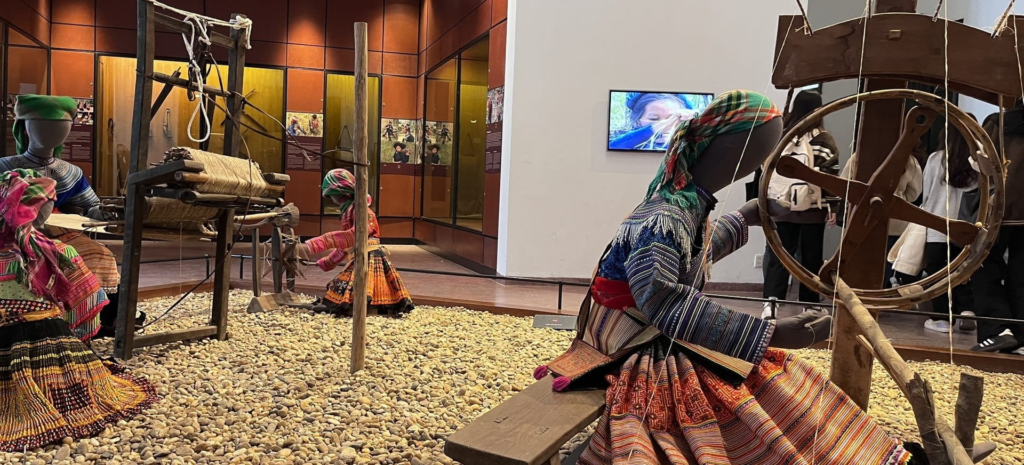
Vietnam is home to 54 officially recognized ethnic groups, and this museum offers one of the most comprehensive introductions to the country’s cultural diversity. Rather than focusing purely on history, the exhibits explore how different communities live, work, celebrate, worship, and preserve their traditions.
Inside the museum, visitors will find traditional costumes, ceremonial masks, musical instruments, tools, handicrafts, and everyday objects from ethnic groups across Vietnam. The displays are thoughtfully presented and easy to follow, making the museum engaging even for visitors who are not normally interested in anthropology.
One of the highlights is the outdoor architectural garden, where full-scale traditional houses from different ethnic communities have been reconstructed. Walking through these structures gives visitors a much stronger sense of how diverse Vietnam truly is beyond its major cities.
According to Vietnam Coracle, the museum is particularly impressive because it focuses on everyday life and living culture rather than simply displaying historical artifacts.
2. Vietnam National Museum of History – Bảo tàng Lịch sử Quốc gia
For travelers interested in understanding Vietnam’s long and complex past, the Vietnam National Museum of History is essential.
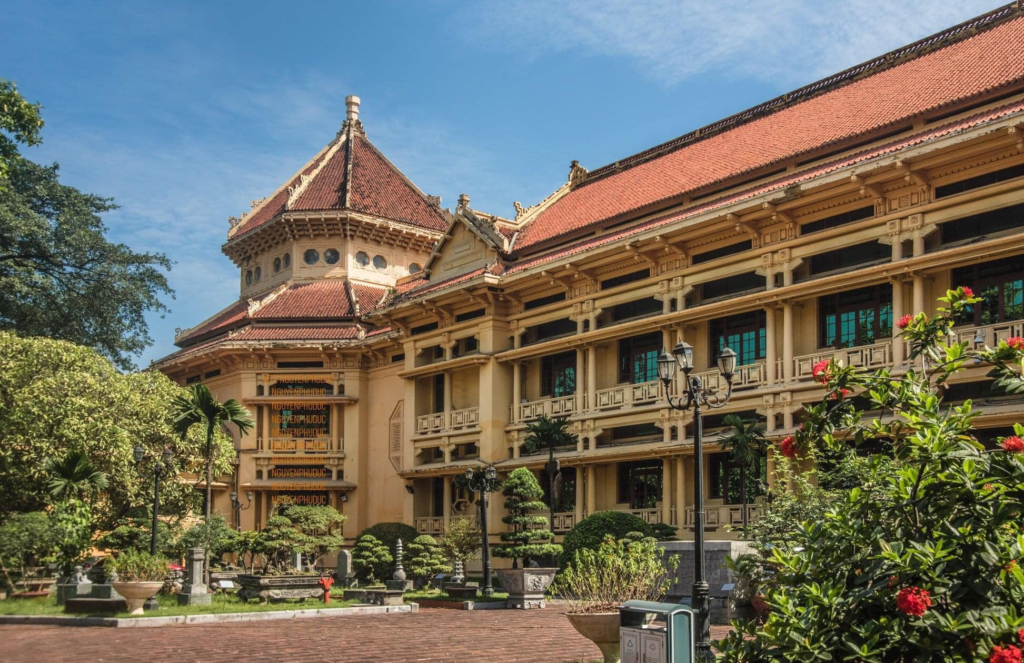
Located inside a stunning French colonial building near the center of Hanoi, the museum contains one of the country’s largest collections of historical artifacts. The architecture alone is worth seeing, with elegant yellow facades, tiled roofs, and tropical gardens surrounding the property.
Inside, the collection spans thousands of years, beginning with prehistoric cultures and continuing through ancient kingdoms, imperial dynasties, colonial periods, and modern revolutionary history.
Ancient bronze drums, royal artifacts, religious sculptures, ceramics, and archaeological discoveries help tell the story of Vietnam long before modern nationhood emerged. The museum’s exhibits provide valuable context for travelers planning to visit other historical destinations throughout Vietnam, including Huế, Hội An, and the Imperial Citadel.
The scale of the collection is remarkable, with more than 200,000 artifacts preserved across multiple exhibition spaces.
3. Vietnam Fine Arts Museum – Bảo tàng Mỹ thuật Việt Nam
Art lovers should not miss the Vietnam Fine Arts Museum.
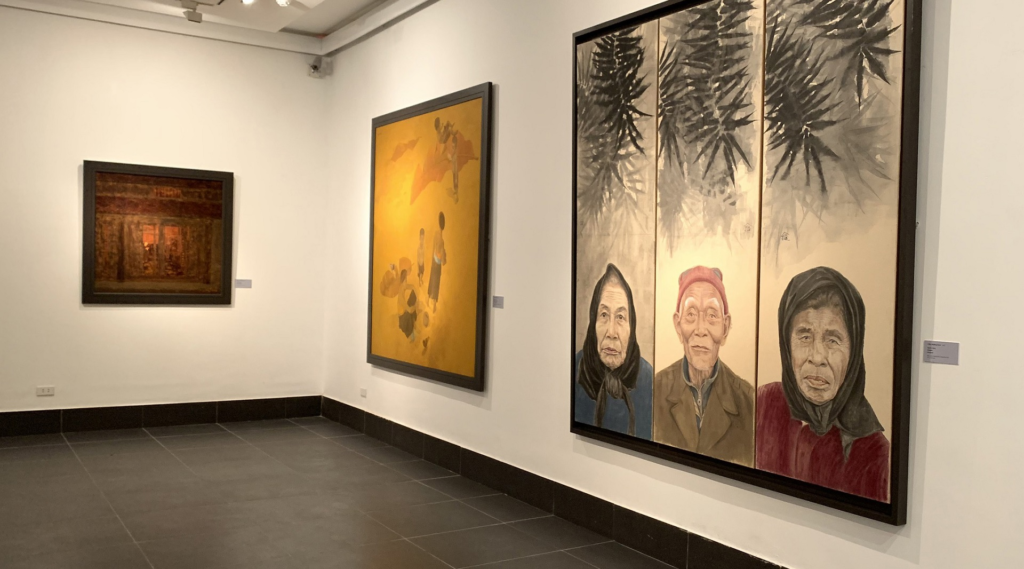
Located near the Temple of Literature, this museum showcases the evolution of Vietnamese artistic expression from ancient periods to contemporary works. It offers a fascinating look at how Vietnamese identity has been reflected through painting, sculpture, lacquer art, ceramics, and folk traditions over centuries.
One of the most striking aspects of the museum is how distinctly Vietnamese many of the works feel. While international artistic influences are visible throughout certain periods, much of the collection remains deeply connected to local culture, mythology, village life, religion, and national history.
The lacquer paintings are particularly memorable. Vietnam has developed a unique lacquer art tradition, and the museum contains some of the country’s finest examples.
Many visitors describe this museum as one of Hanoi’s most underrated cultural attractions because it provides a more emotional and artistic perspective on Vietnam compared to history-focused museums.
4. Vietnamese Women’s Museum – Bảo tàng Phụ nữ Việt Nam
Among all the museums in Hanoi, the Vietnamese Women’s Museum is often considered one of the most moving.
Rather than focusing on political events or military history, the museum explores the lives, contributions, and experiences of Vietnamese women throughout different periods of the country’s development.
The exhibitions are divided into themes including family life, cultural traditions, fashion, motherhood, work, and wartime experiences. Through photographs, personal belongings, oral histories, and multimedia displays, visitors gain insight into the important roles women have played in shaping Vietnamese society.
Many of the stories feel deeply personal and emotional, particularly the exhibits related to wartime sacrifice and family life.
The museum also contains beautiful displays of traditional clothing, textiles, jewelry, and ceremonial garments from various ethnic groups across Vietnam.
Travelers frequently rank the Women’s Museum among their favorite museums in Hanoi because it feels both informative and human.
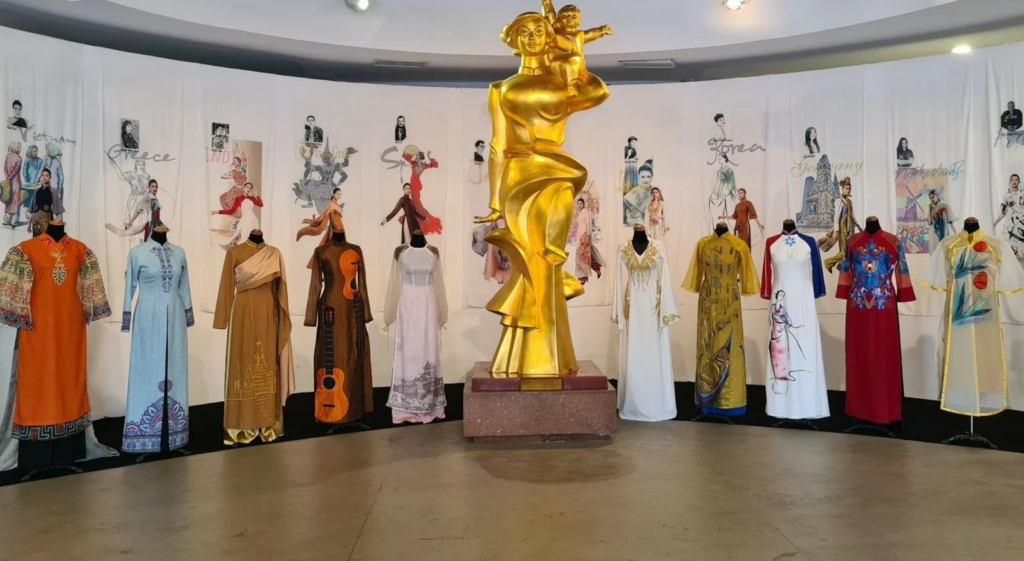
5. Vietnam Military History Museum – Bảo tàng Lịch sử Quân sự Việt Nam
One of Hanoi’s newest and most impressive cultural attractions is the Vietnam Military History Museum.
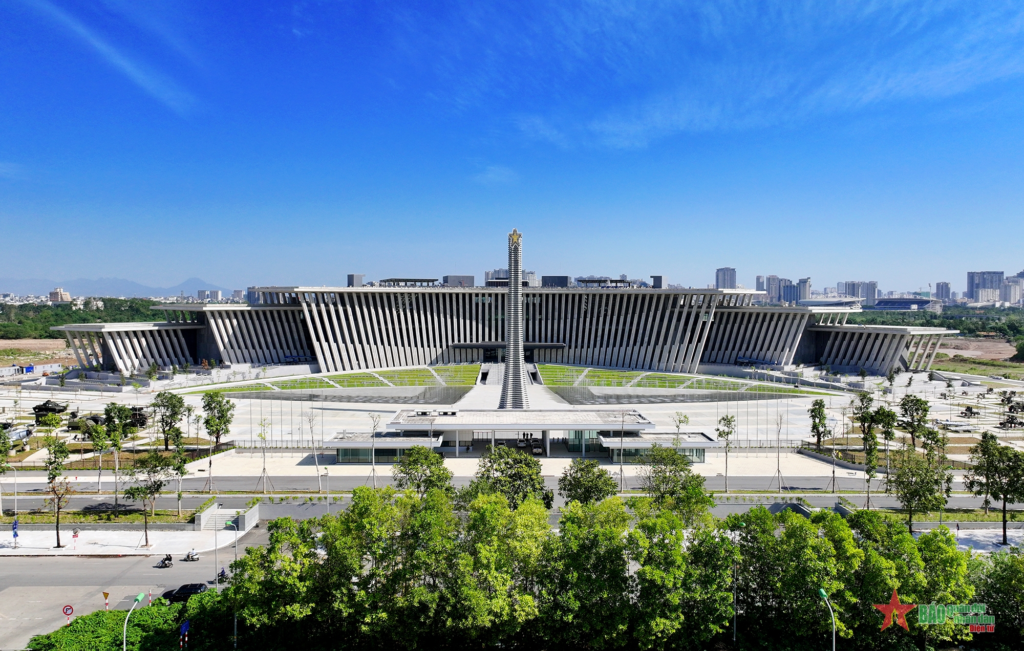
Recently relocated to a massive new complex in Nam Từ Liêm District, the museum has quickly become one of the most visited museums in Vietnam. Opened in its new location in late 2024, the project spans hundreds of thousands of square meters and was designed as a modern national museum dedicated to Vietnam’s military history and struggle for independence.
What immediately stands out is the scale of the museum. A towering Victory Tower rises above the entrance plaza, while outdoor exhibition grounds display fighter jets, tanks, artillery pieces, military vehicles, and historical equipment used throughout different periods of Vietnamese history. The museum itself houses more than 150,000 artifacts, including several officially recognized national treasures.
Inside, the exhibitions guide visitors through Vietnam’s long military history, beginning with the earliest periods of nation-building and continuing through resistance wars, independence movements, reunification, and modern national defense. Interactive displays, large-scale multimedia presentations, QR-code exhibits, historical footage, and immersive storytelling create a far more contemporary museum experience than many travelers expect.
One reason the museum has become so popular is that it appeals to both history enthusiasts and casual travelers. Visitors can spend hours exploring military aircraft, wartime artifacts, battle maps, personal stories, and major historical campaigns that shaped modern Vietnam. Many travelers have described it as one of the most impressive museums in Hanoi due to its combination of scale, technology, and emotional impact.
For travelers interested in understanding Vietnam beyond its famous food, temples, and street life, the Vietnam Military History Museum offers valuable historical context while also showcasing one of the country’s most ambitious modern museum projects.
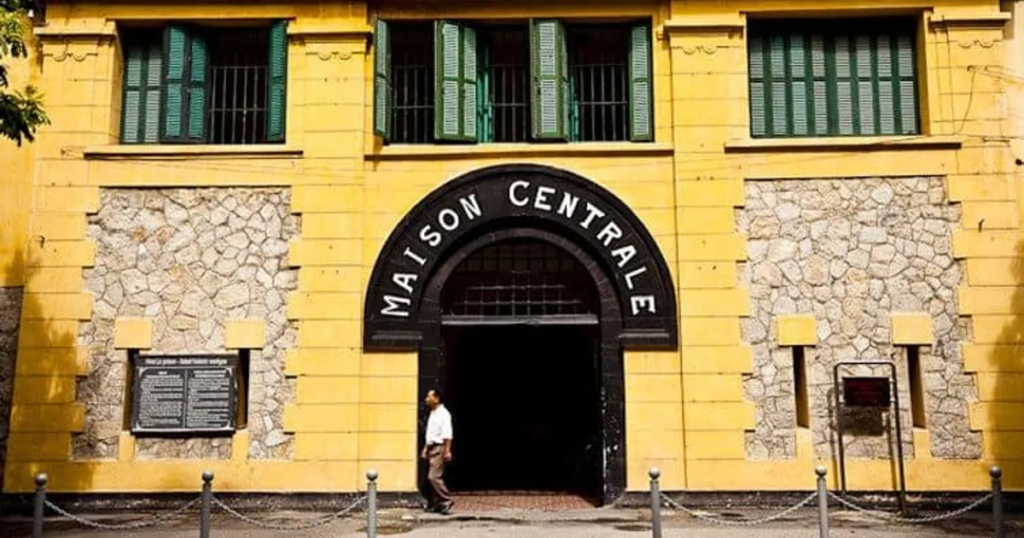
6. Hỏa Lò Prison – Di tích Nhà tù Hỏa Lò
Few museums in Hanoi leave a stronger impression than Hỏa Lò Prison Museum.
Originally built by French colonial authorities in the late nineteenth century, the prison was used to detain Vietnamese revolutionaries before later becoming internationally known during the Vietnam War.
Walking through the preserved prison cells, iron shackles, narrow corridors, and historical exhibits creates an intense and often emotional experience.
The museum presents different chapters of the prison’s history, including the harsh treatment of Vietnamese political prisoners during French colonial rule and later periods connected to the Vietnam War.
Many visitors describe Hỏa Lò as one of the most thought-provoking museums in Vietnam because of its powerful atmosphere and complex historical narratives.
Although the subject matter can feel heavy, the museum offers valuable insight into some of the most important events that shaped modern Vietnam.
7. Biological Museum – Bảo Tàng Sinh Học – Đại Học Quốc Gia Hà Nội
The Biological Museum remains one of Hanoi’s lesser-known hidden gems.
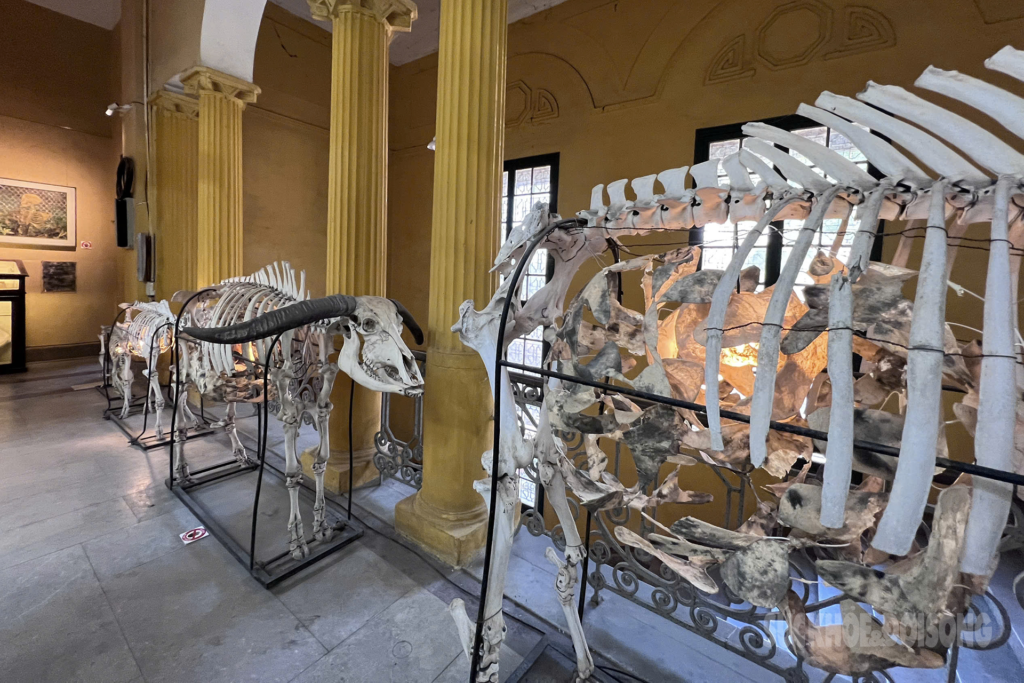
Located within the campus of Vietnam National University, this museum feels very different from the others on this list. Instead of focusing on history or culture, it explores Vietnam’s biodiversity, wildlife, and natural sciences.
The museum contains thousands of preserved specimens, including mammals, reptiles, insects, birds, marine life, and botanical collections gathered over many decades.
What makes the museum especially interesting is its slightly old-fashioned atmosphere. Rather than relying heavily on modern technology or interactive displays, it feels more like stepping into a scientific archive from another era.
For curious travelers looking for something unusual beyond Hanoi’s mainstream attractions, the Biological Museum offers a surprisingly fascinating experience.
Vietnam Coracle describes it as one of the city’s most unique museum visits and one that many tourists completely overlook.
Why museums are one of the best ways to understand Hanoi?
Hanoi is often experienced through its streets, food stalls, temples, and cafés. While those experiences are essential, museums provide a deeper layer of understanding that helps travelers connect everything together.
The city’s museums explain why different regions of Vietnam feel so culturally distinct, how historical events shaped the nation, and why traditions remain such an important part of daily life.
Many museums are also located within walking distance of each other in central Hanoi, making it easy to combine multiple visits into a single day while exploring the city itself.
Museum-hopping in Hanoi is not only educational – it is also one of the most rewarding ways to experience the capital beyond the usual tourist attractions.
Final thoughts
From ancient civilizations and wartime history to ethnic cultures, fine arts, and powerful personal stories, Hanoi’s museums reveal the many layers of Vietnam’s identity.
Whether you spend an hour inside Hỏa Lò Prison, an afternoon wandering through the Museum of Ethnology, or a day exploring several institutions across the city, each museum adds valuable perspective to your journey through Vietnam.
For travelers who want to understand the country beyond its famous landmarks, Hanoi’s museums are some of the most rewarding places to visit.
Ready to explore the real Vietnam?
Discover unforgettable culinary and cultural experiences with Saigon Taste Tours. Come explore the real Saigon with us – where you don’t just see the city, you taste it.
👉 Book your experience today and discover Hanoi like a local.
Discover the city beyond the tourist spots with Saigon Taste Tours. Come explore the real Saigon with us – where you don’t just see the city, you taste it.
For custom itineraries and group bookings, pricing depends on group size. Contact Ben via WhatsApp: +84 383 624 632. If you have any questions, please don’t hesitate to ask.We are looking forward to showing you around our lovely country!
Book your experience today and discover Vietnam like a local!


Saigon Taste Tours team
Welcome to SAIGON TASTE Tours! We’re a team of passionate local guides dedicated to sharing the real Saigon and Vietnam through food, culture, and hidden gems. From bustling street food stalls and historic landmarks to outdoor adventures and peaceful nature escapes, our tours are designed to be authentic and unforgettable. Every experience is private and tailored to you, guided by knowledgeable locals who go above and beyond to make you feel like you’re exploring with a friend. With us, you won’t just visit Vietnam — you’ll truly experience it. We can’t wait to welcome you! Best regards, Ben and the SAIGON TASTE Tours
saigontastetours@gmail.com Click to Connect with Us
Leave a Reply