
FEATURED TOUR-5%
4 hours
$59.85 $63.00
In the bustling streets of Saigon, the air is thick with more than just humidity—it’s infused with the deep, chocolatey aroma of roasting coffee beans. For the people of Vietnam, coffee is far more than a morning pick-me-up; it is a cultural cornerstone, a social ritual, and a testament to the country’s resilient history.
As the world’s second-largest coffee producer, Vietnam has developed a coffee identity that is entirely its own. At SAIGON TASTE Tours, we believe you haven’t truly seen Saigon until you’ve sat on a plastic stool at 6:00 AM, watching the city wake up over a glass of Cà Phê Sữa Đá.
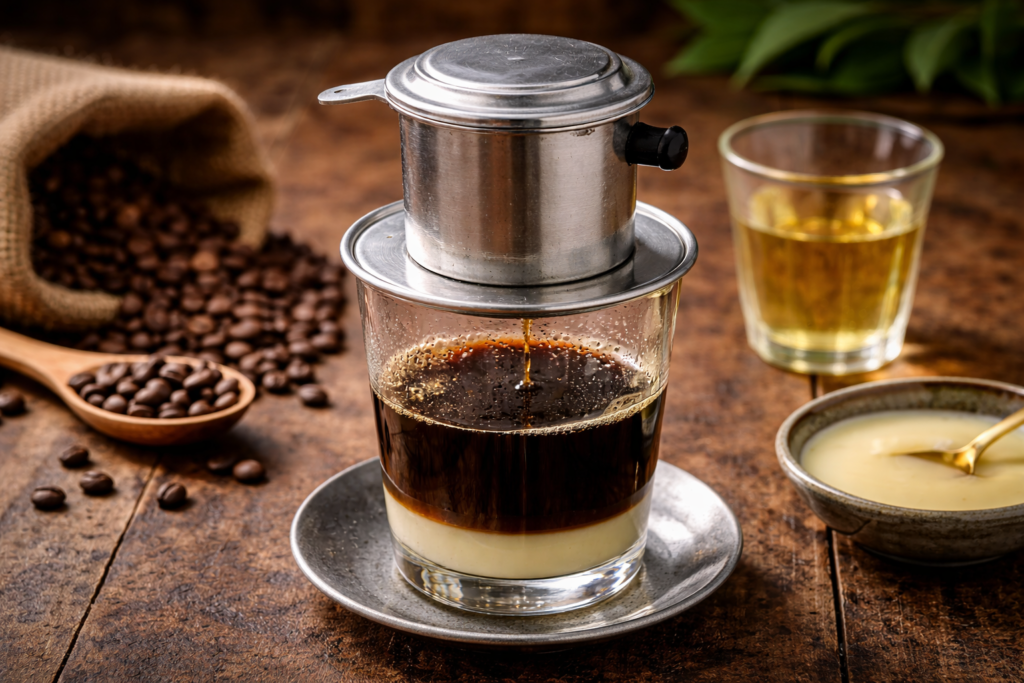
The “Phin” is the heartbeat of Vietnamese coffee. Introduced by the French in the 19th century but perfected by the Vietnamese, this small metal drip filter is a lesson in patience. Unlike the rapid extraction of an espresso machine, the Phin allows hot water to slowly seep through dark-roasted Robusta grounds, dripping one drop at a time into the glass below.
While tradition remains king, a new generation of coffee enthusiasts is transforming Saigon into a global specialty coffee hub. “Concept Cafes” are popping up in hidden colonial-era apartments and repurposed industrial warehouses.
If you are on a culinary journey through Vietnam, these four drinks are non-negotiable:
To experience coffee the “Saigon way,” look for Cà Phê Bệt (sidewalk coffee). Find a spot near Notre Dame Cathedral or in a quiet hem (alleyway), grab a piece of cardboard to sit on, and enjoy your drink while watching the rhythmic flow of motorbikes.
At SAIGON TASTE Tours, we don’t just take you to cafes; we tell you the stories behind the beans. Our personalized tours are designed to help you navigate the hidden alleys and find the secret spots that even Google Maps hasn’t discovered yet.
4 hours
$59.85 $63.00
4 hours
$55.25 $65.00
4 hours
$33.25 $35.00
4 hours
$33.25 $35.00
4 hours
$33.25 $35.00
4 hours
$30.40 $32.00
4 hours
$46.55 $49.00
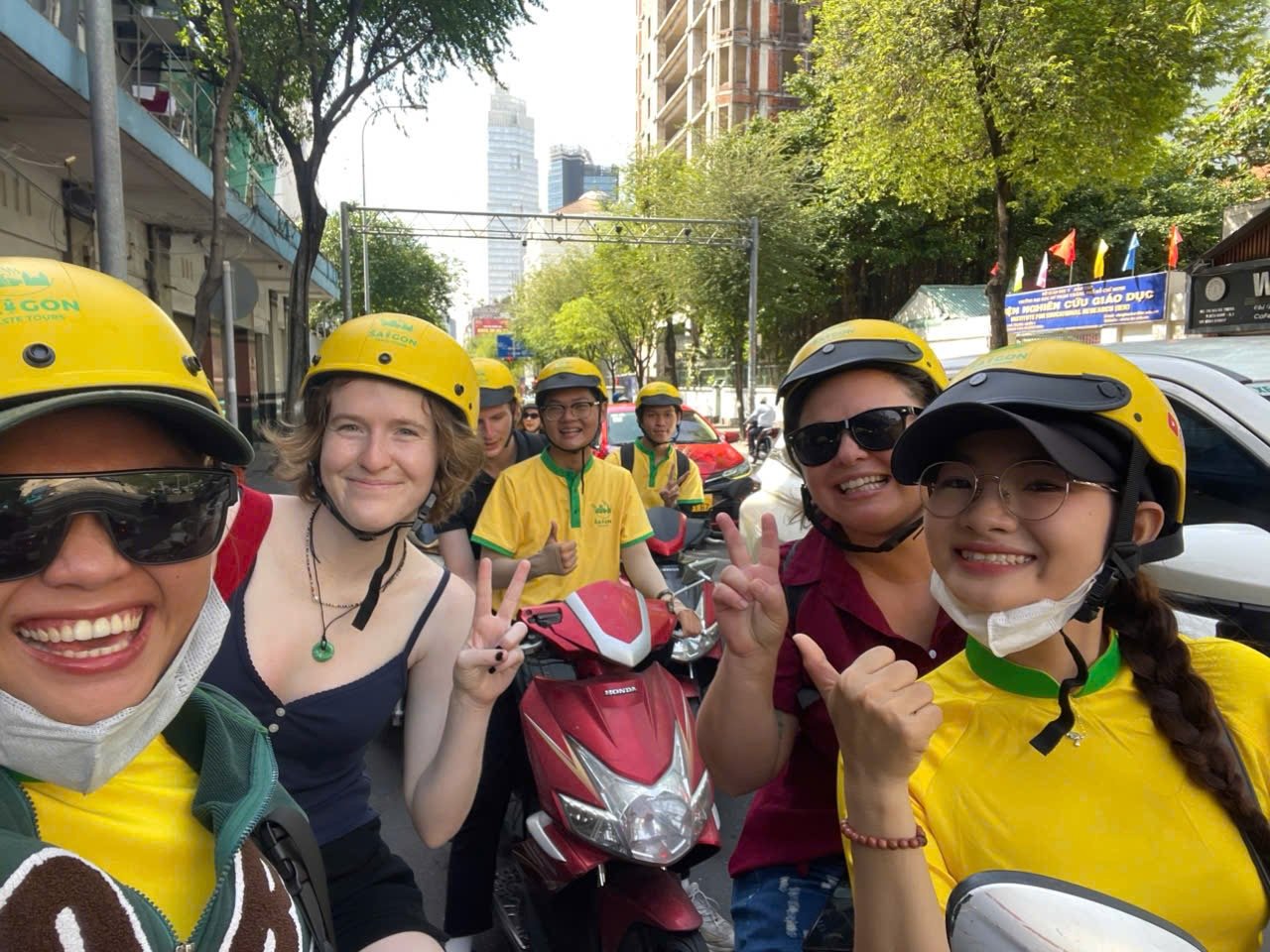
4 hours
$29.45 $31.00
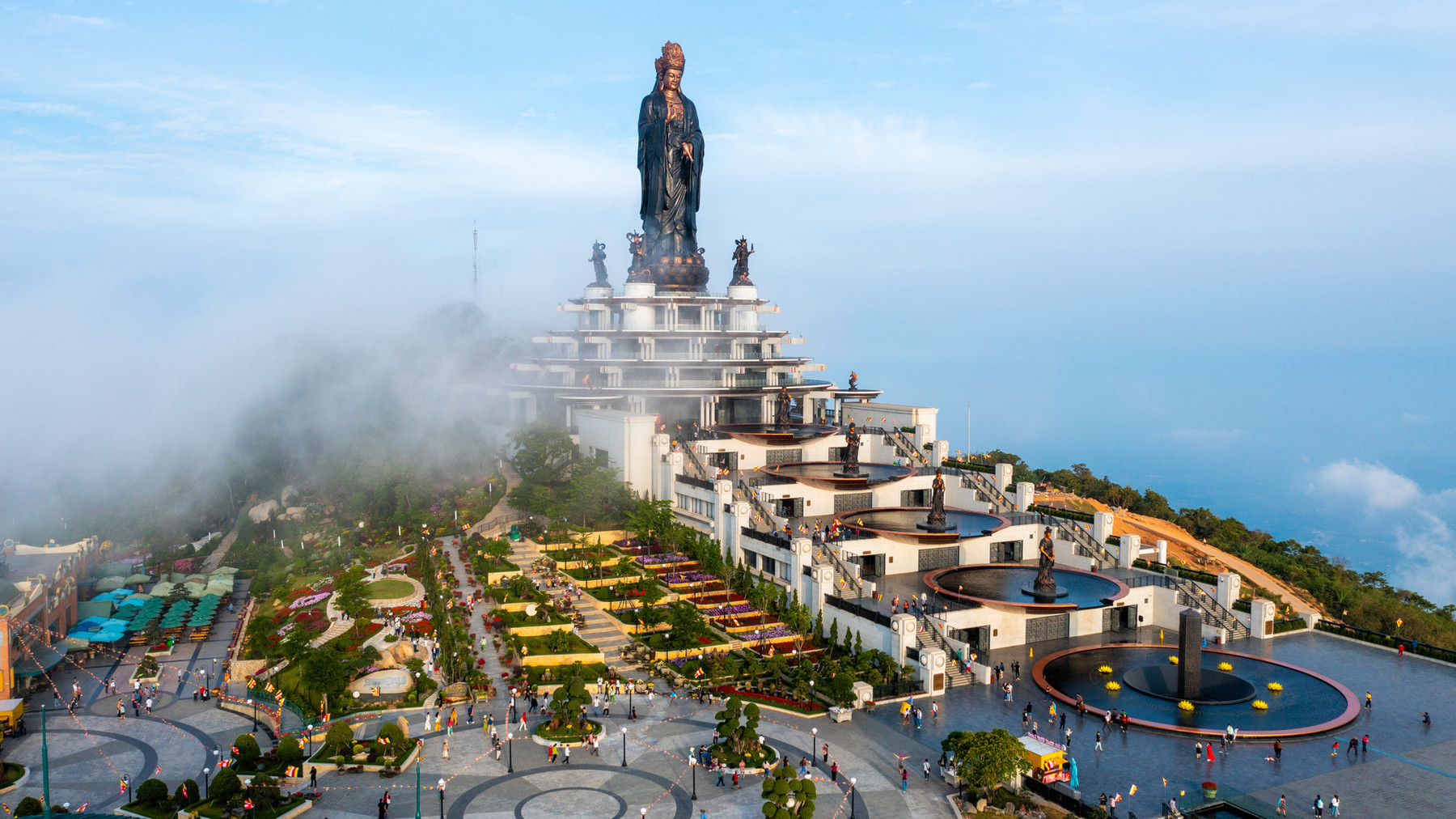
12 hours
$40.50 $45.00
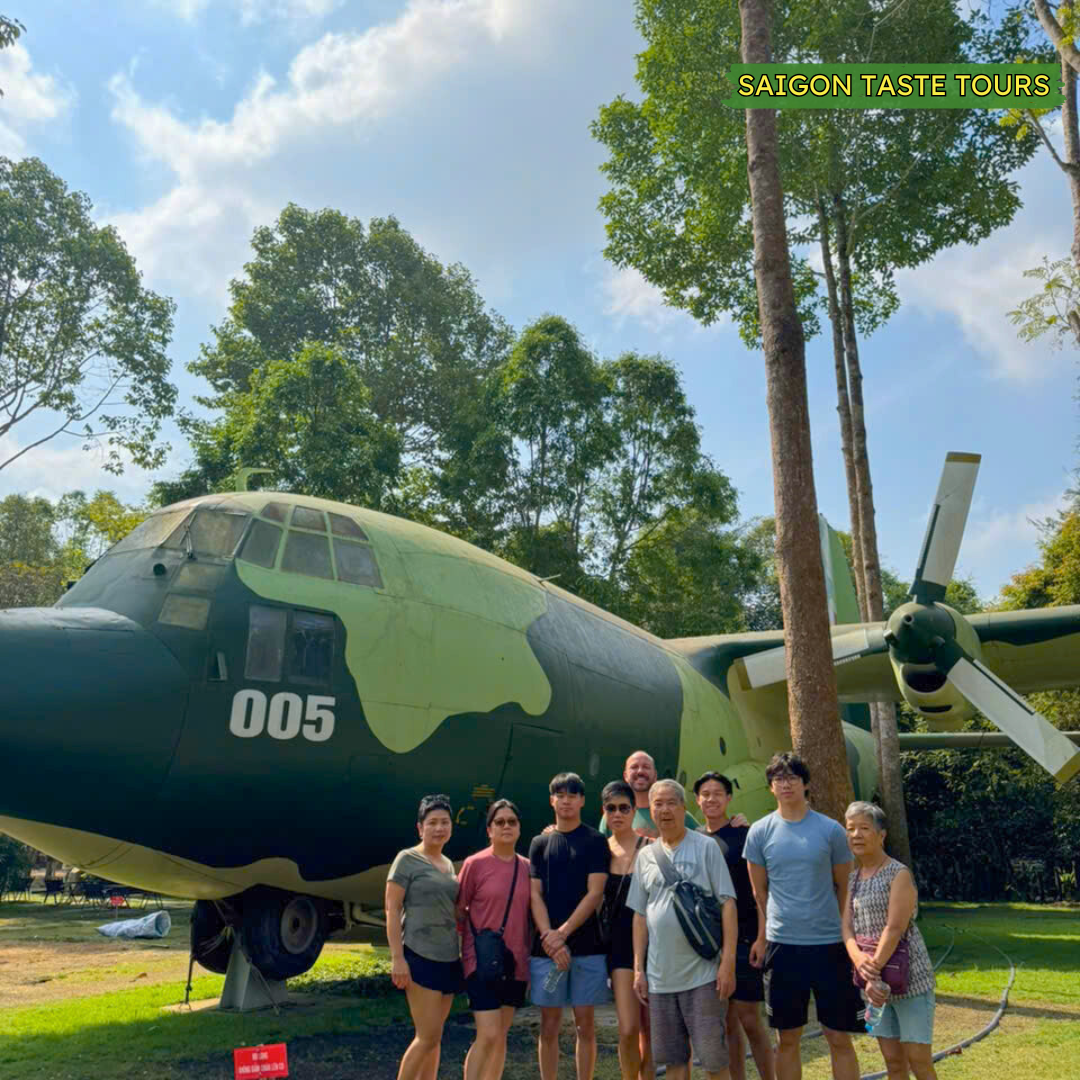
7.5 hours
$29.75 $35.00
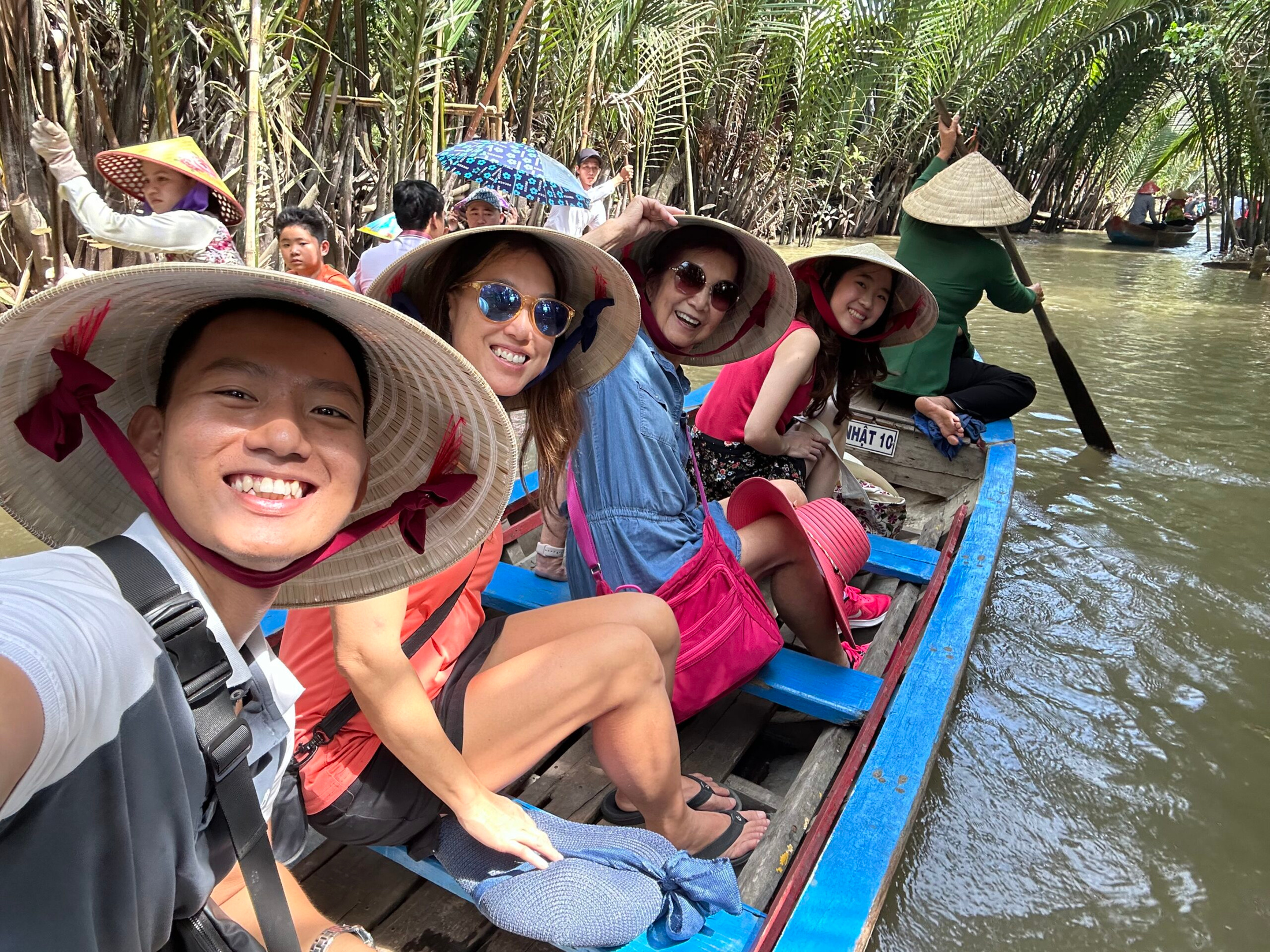
10 hours
$58.65 $69.00
6.5 hours
$29.75 $35.00
9 hours
$50.15 $59.00
9 hours
$55.25 $65.00
10 hours
$58.65 $69.00
48 hours
$503.20 $592.00
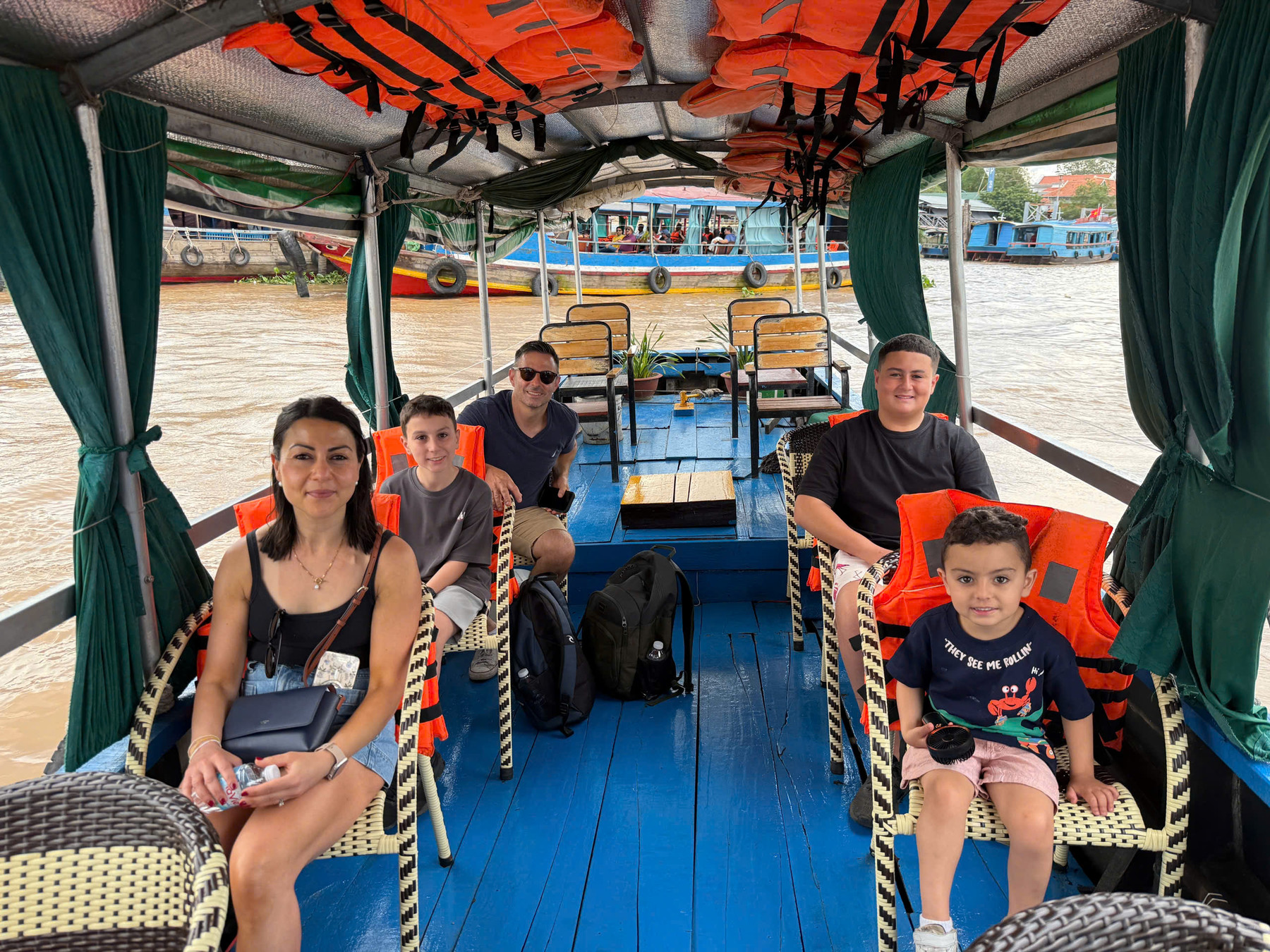
8 hours
$38.25 $45.00

9 hours
$60.30 $67.00

9 hours
$60.30 $67.00
12 hours
$40.50 $45.00
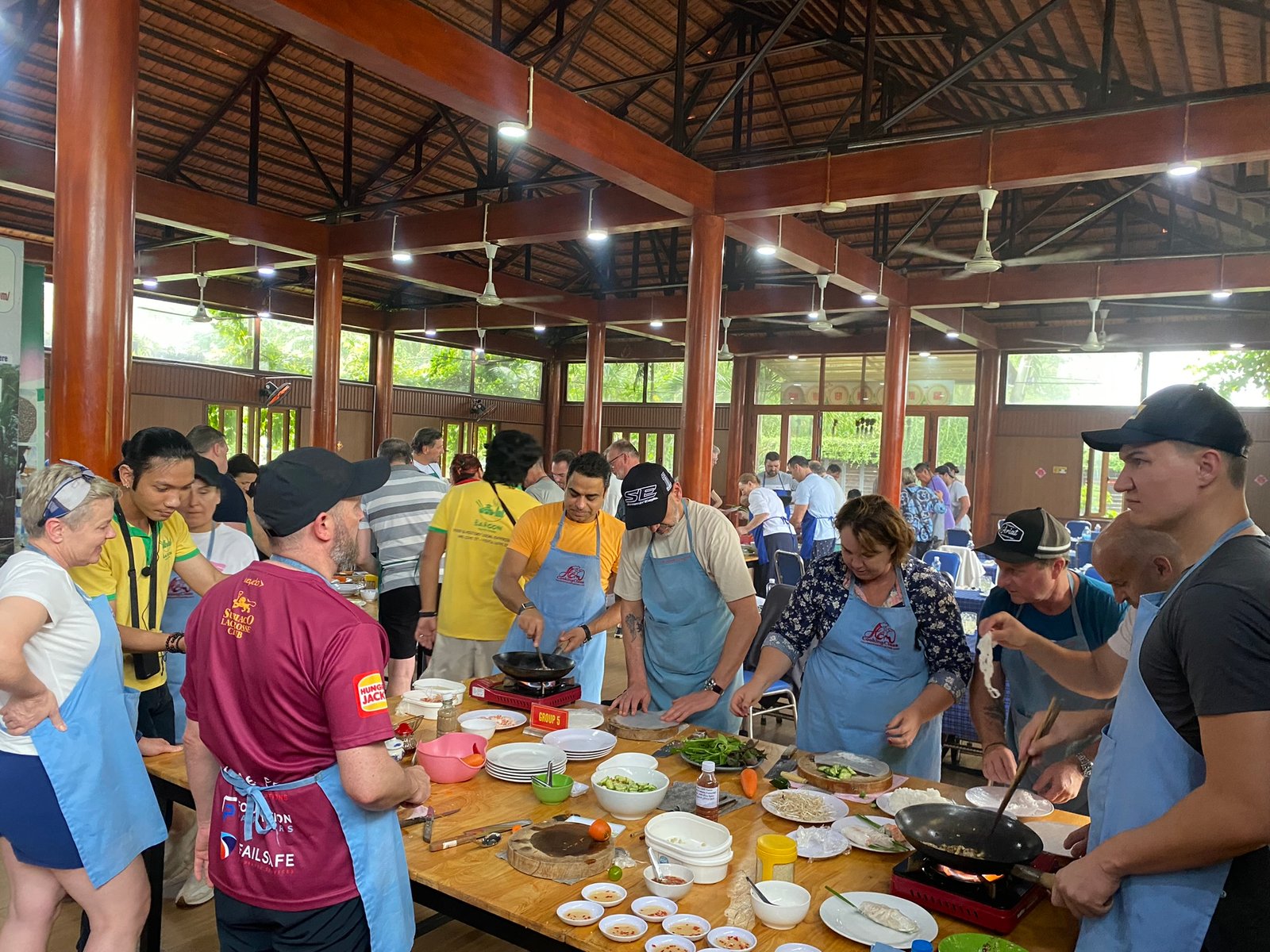
8 hours
$66.60 $74.00
10 hours
$58.65 $69.00
4 hours
$55.25 $65.00

Welcome to SAIGON TASTE Tours! We’re a team of passionate local guides dedicated to sharing the real Saigon and Vietnam through food, culture, and hidden gems. From bustling street food stalls and historic landmarks to outdoor adventures and peaceful nature escapes, our tours are designed to be authentic and unforgettable. Every experience is private and tailored to you, guided by knowledgeable locals who go above and beyond to make you feel like you’re exploring with a friend. With us, you won’t just visit Vietnam — you’ll truly experience it. We can’t wait to welcome you! Best regards, Ben and the SAIGON TASTE Tours
saigontastetours@gmail.com Click to Connect with Us
Leave a Reply