The Sounds, Smells, And Rhythms Of The Mekong Delta: Experiencing Vietnam Through The Senses
When travelers imagine Vietnam, many picture the bustling streets of Ho Chi Minh City, the limestone cliffs of Ha Long Bay, or the lantern-lit alleys of Hoi An. Yet beyond these iconic destinations lies a region that offers a completely different perspective on the country. The Mekong Delta is not simply a place to visit, it is a place to feel, hear, smell, and experience.
Located in southern Vietnam, the Mekong Delta is one of the most fertile and culturally rich regions in Southeast Asia. Often referred to as Vietnam’s “rice bowl,” the area consists of a vast network of rivers, canals, orchards, floating communities, and traditional villages. While many visitors come for the scenery, what truly makes the region memorable is the sensory experience it provides.
The sounds of wooden boats moving through narrow canals. The fragrance of tropical fruit ripening under the sun. The rhythm of everyday life shaped by rivers and seasons. Together, these elements create an atmosphere unlike anywhere else in Vietnam. For travelers seeking an authentic Mekong Delta experience, understanding the region through the senses offers a deeper connection than simply checking landmarks off an itinerary. It reveals the soul of the Delta and the people who call it home.
A Landscape Defined By Water
Before exploring the sounds, smells, and rhythms of the Mekong Delta, it is important to understand the environment that shapes them. The Mekong River begins thousands of kilometers away in the Tibetan Plateau before flowing through multiple countries and eventually reaching southern Vietnam. Here, the river divides into countless branches, creating a labyrinth of waterways that support millions of residents.
Unlike urban areas where roads dominate transportation, many communities in the Delta have historically relied on rivers and canals. Water is not merely part of the landscape, it is the foundation of daily life. It influences agriculture, commerce, traditions, architecture, and social interactions.
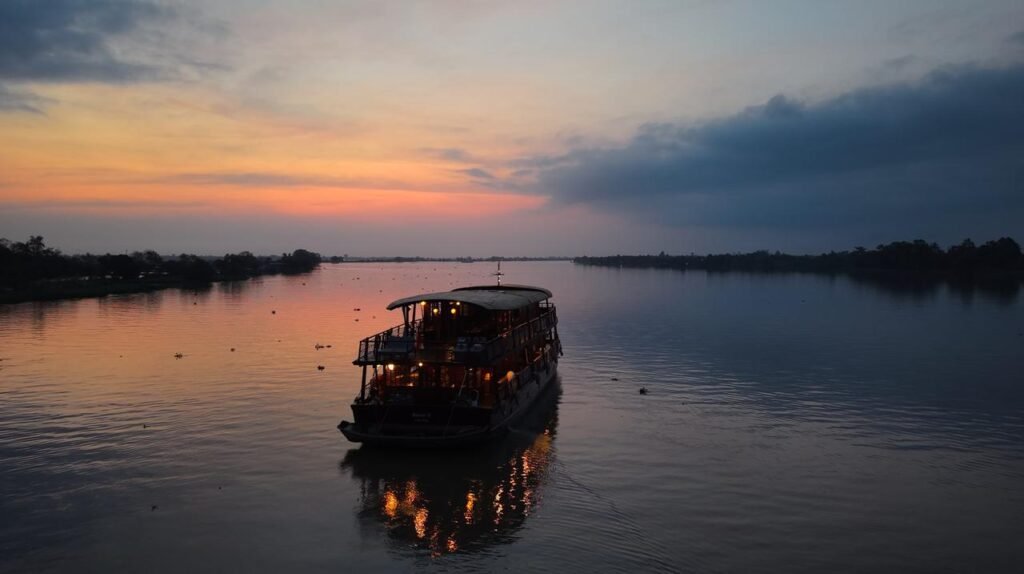
Because of this intimate relationship with water, the region possesses a distinct atmosphere. Every sound seems connected to the river. Every scent reflects the surrounding environment. Every daily routine follows a rhythm determined by tides, harvests, and generations of local knowledge. This unique setting is what makes Mekong Delta travel so different from experiences elsewhere in Vietnam.
The Sounds Of The Mekong Delta
One of the first things visitors notice in the Delta is that it sounds remarkably different from a modern city. In Ho Chi Minh City, the soundtrack is dominated by motorbikes, traffic signals, and construction projects. In contrast, the Mekong Delta offers a more organic symphony.
Early in the morning, long before the heat of the day arrives, the region awakens gently. Roosters crow from nearby homes. Birds call from coconut palms and fruit orchards. The rustling of leaves mixes with the soft movement of water against riverbanks.
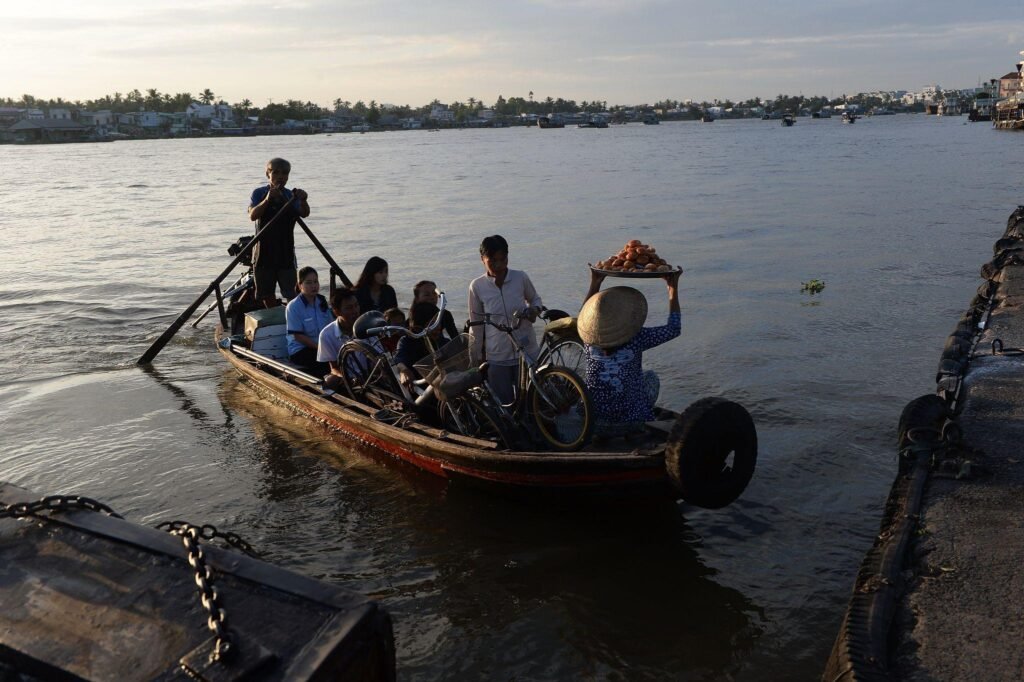
As the sun rises, boat engines begin to hum across the waterways. These sounds are neither disruptive nor overwhelming. Instead, they blend naturally into the environment. For local residents, the sound of a passing boat is as familiar as a passing car might be elsewhere. Along smaller canals, visitors often hear wooden paddles dipping quietly into the water. The rhythmic splash of each stroke creates a peaceful atmosphere that encourages travelers to slow down and appreciate their surroundings.
Floating markets introduce another layer of sound. Vendors call out to customers. Buyers negotiate prices. Boats approach and depart throughout the morning. Unlike traditional land-based markets, conversations occur across the water, creating a distinctive acoustic environment.
The human voice remains an important part of life in the Delta. Neighbors greet each other from boats. Farmers discuss harvests. Families gather for meals and celebrations. These interactions contribute to a sense of community that many visitors find increasingly rare in modern urban settings.
Evening brings a different soundscape. As temperatures cool, insects begin their nightly chorus. Frogs call from nearby waterways. Families relax outdoors and conversations drift through the warm air. The atmosphere feels calm, welcoming, and deeply connected to nature. For many travelers, these sounds become some of their strongest memories of the Mekong Delta experience because they represent a way of life that has evolved alongside the river for centuries.
The Fragrances That Tell The Story Of The Delta
If sound creates the soundtrack of the Mekong Delta, scent tells its story. The region’s fertile soil and tropical climate support an extraordinary variety of fruits, flowers, herbs, and crops. As a result, visitors constantly encounter new aromas while exploring.
Fruit orchards are among the most memorable places to experience these fragrances. Depending on the season, travelers may encounter the sweet scent of mangoes, rambutans, longans, jackfruit, durian, pomelos, or mangosteens. Walking through an orchard often feels like entering a natural perfume garden where each section offers a different aroma.
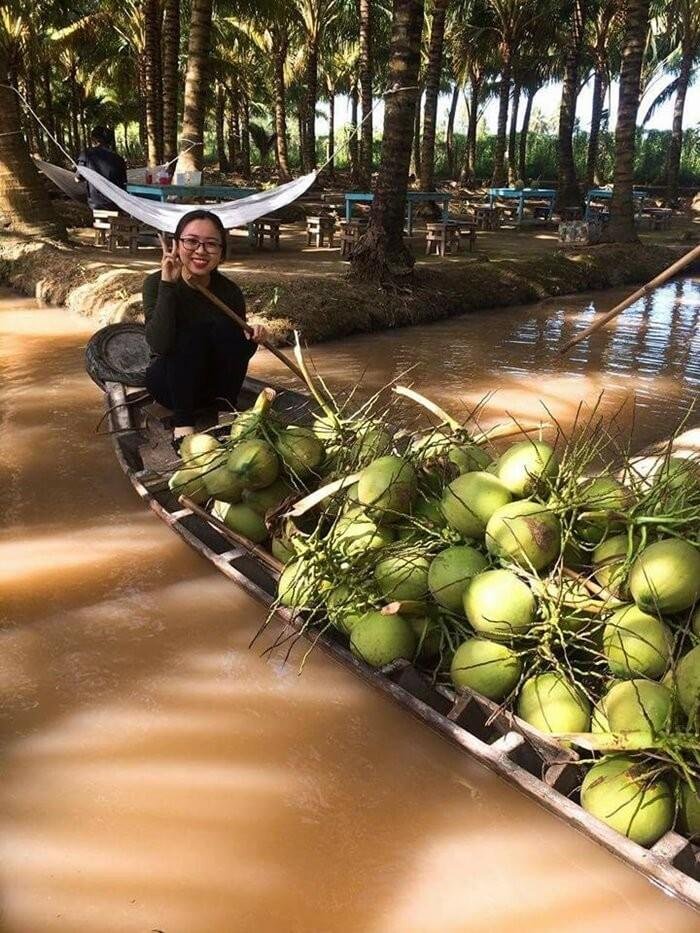
The scent of coconut is another defining characteristic of the Delta, particularly in provinces such as Ben Tre. Coconut trees line waterways, and coconut products appear throughout daily life. Visitors may smell freshly opened coconuts, coconut candy being produced in family workshops, or coconut husks drying under the sun.
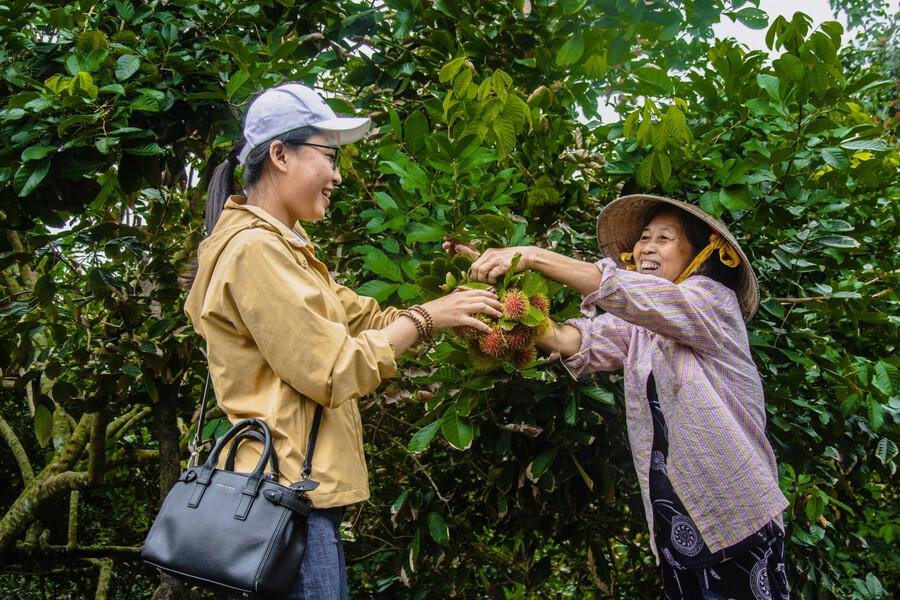
Markets provide a completely different sensory experience. Fresh herbs release powerful fragrances as vendors prepare vegetables for sale. Lemongrass, mint, basil, and other aromatic ingredients fill the air. Nearby food stalls add another layer with steaming broths, grilled seafood, caramelized pork, and freshly prepared rice dishes.
The smell of river life itself is equally important. Unlike the unpleasant associations some travelers may have with urban waterways, many areas of the Delta possess the fresh scent of moving water, wet earth, and thriving vegetation. These natural aromas reflect the agricultural character of the region.
Rain also plays a significant role in shaping the sensory landscape. Tropical showers can arrive suddenly, especially during the rainy season. After a storm, the scent of damp soil rises from orchards and riverbanks. Many locals consider this fragrance one of the most comforting aspects of life in the countryside.
Seasonal changes introduce additional variations. During harvest periods, visitors may smell freshly cut rice fields drying under the sun. Flower-growing regions offer bursts of fragrance from colorful blossoms. Fishing communities contribute subtle marine notes from the river’s abundant resources. Together, these scents create an environment that feels alive and constantly changing, ensuring that no two visits to the Mekong Delta are exactly alike.
Life Moves To A Different Rhythm
Perhaps the most remarkable aspect of the Mekong Delta is its rhythm. In many major cities around the world, daily life is dictated by schedules, deadlines, and traffic patterns. In the Delta, life often follows the natural rhythms of water, weather, and agriculture. Mornings begin early. Farmers head to fields before temperatures rise. Market vendors prepare products before customers arrive. Boat operators start transporting goods while waterways remain relatively calm. The rhythm is productive but rarely rushed.
Visitors frequently notice that people seem more willing to pause for conversation. Meals are enjoyed rather than hurried. Community relationships remain central to daily life. This slower pace is not a sign of inactivity but rather a reflection of priorities shaped by generations of rural living.
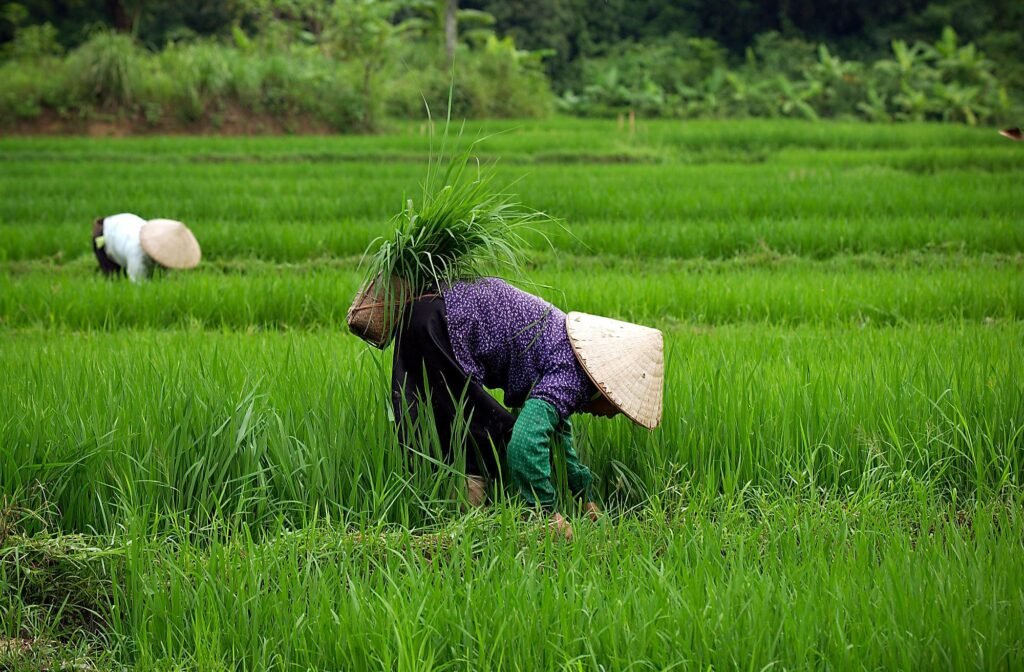
Agriculture remains deeply connected to seasonal cycles. Farmers understand precisely when to plant, harvest, irrigate, and prepare fields. Their schedules align with environmental conditions rather than artificial timelines.
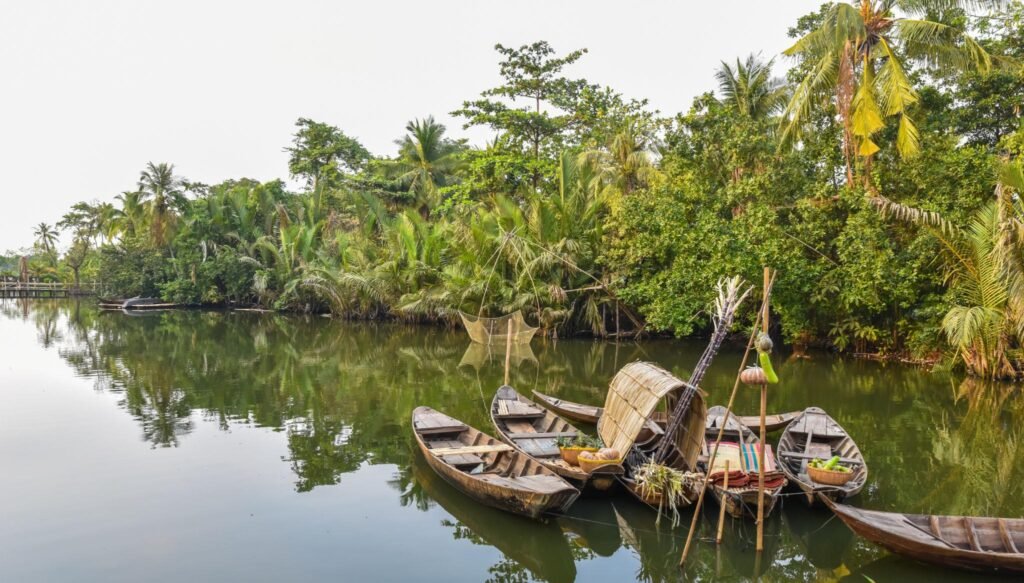
Fishing communities follow similar patterns. Water levels, tides, and weather influence daily activities. Local knowledge accumulated over decades helps residents work in harmony with the natural environment. The river itself establishes a rhythm that affects everyone. Boats arrive and depart according to practical needs. Goods move through waterways continuously. Families adapt routines around transportation and commerce conducted on water.
For travelers accustomed to fast-paced urban environments, experiencing this rhythm can be surprisingly refreshing. Many discover that slowing down allows them to notice details they might otherwise miss.
The Delta encourages observation rather than constant activity. It rewards curiosity and patience. Instead of rushing from attraction to attraction, visitors often find themselves lingering in orchards, watching boats pass, or simply enjoying conversations with local residents. These moments frequently become highlights of a Mekong Delta travel experience because they offer genuine insight into local culture.
Floating Markets: The Heartbeat Of River Culture
No discussion of the rhythms of the Mekong Delta would be complete without mentioning floating markets. For generations, these markets have served as commercial and social centers for river communities. Although transportation networks have evolved, floating markets remain powerful symbols of the region’s identity.
Arriving before sunrise is often the best way to appreciate their atmosphere.As dawn breaks, boats carrying fruits, vegetables, and other products begin gathering on the water. Vendors display goods using long poles that allow buyers to identify products from a distance. The market gradually comes alive as commerce begins.
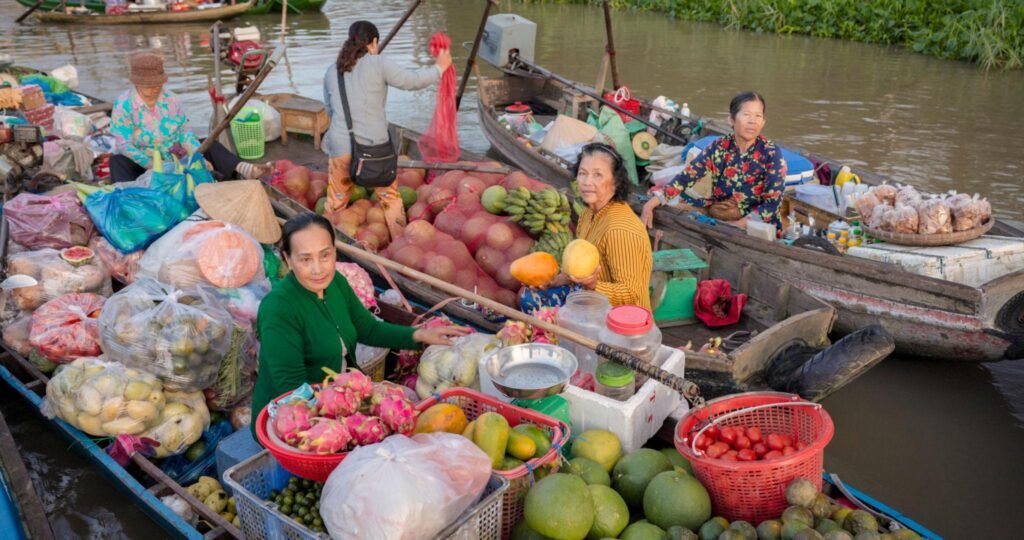
The sounds, smells, and rhythms of the Delta converge here. Conversations echo across the water. Fresh produce releases natural fragrances. Boats move continuously between buyers and sellers. Every interaction contributes to a dynamic environment that reflects centuries of river-based trade.
Beyond economic activity, floating markets provide insight into local traditions and social connections. Families often work together. Long-term relationships between vendors and customers remain important. Cultural practices continue despite modernization. For visitors, exploring a floating market offers an opportunity to witness a living tradition rather than a staged attraction. It is one of the most authentic things to do in the Mekong Delta and an essential part of understanding the region’s character.
The Human Connection Behind Every Experience
While natural beauty attracts many visitors, the people of the Mekong Delta ultimately define the experience. Hospitality is deeply embedded in local culture. Guests are often welcomed with fresh fruit, tea, and conversation. Residents frequently share stories about family traditions, agricultural practices, and community life These interactions provide valuable context for everything travelers observe.
The sounds of daily life become more meaningful when visitors understand the work behind them. The scents of orchards carry greater significance when farmers explain how fruits are cultivated. The rhythm of the region becomes easier to appreciate when residents describe their relationship with the river.
Unlike destinations focused primarily on sightseeing, the Mekong Delta encourages cultural exchange. Travelers are not merely observers; they become participants in a living landscape shaped by generations of human experience. This sense of connection is one reason many visitors describe the Delta as one of the most memorable regions in Vietnam.
Why The Mekong Delta Appeals To Modern Travelers
In an era dominated by digital connectivity and increasingly crowded tourist destinations, many travelers seek experiences that feel authentic and meaningful. The Mekong Delta offers exactly that. Rather than emphasizing luxury or spectacle, the region provides immersion. Visitors engage with real communities, working landscapes, and enduring traditions. They experience Vietnam beyond famous landmarks and social media photographs.
The Delta also encourages mindful travel. Its sensory richness rewards attention and presence. Travelers who slow down often discover a deeper appreciation for local culture, nature, and everyday life. Whether exploring orchards, cruising narrow canals, visiting floating markets, or sharing meals with local families, visitors gain a more nuanced understanding of southern Vietnam. This authenticity remains one of the region’s greatest strengths and continues to attract travelers from around the world.
Discovering The Soul Of Southern Vietnam
The Mekong Delta cannot be fully understood through photographs alone. Its true character emerges through the sounds of riverside communities waking at dawn, the fragrance of tropical fruit carried by warm breezes, and the steady rhythm of life shaped by water and tradition. These sensory experiences reveal a side of Vietnam that feels timeless, welcoming, and deeply human.
For travelers seeking more than sightseeing, the Delta offers an opportunity to connect with the country’s cultural and agricultural heartland. It is a destination where simple moments often leave the strongest impressions and where everyday life becomes an unforgettable adventure. The sounds, smells, and rhythms of the Mekong Delta remind us that travel is not only about seeing new places. It is about experiencing them with all our senses and carrying those memories long after the journey ends.
Experience Authentic Vietnam With Saigon Taste Tours
After experiencing the sounds, smells, and rhythms of the Mekong Delta, many travelers continue their journey in the vibrant energy of Ho Chi Minh City. While the Delta offers a glimpse into Vietnam’s agricultural heartland and riverside traditions, Ho Chi Minh City reveals another fascinating side of the country, one defined by dynamic street life, rich history, and an extraordinary food culture.
Together, these destinations create a deeper understanding of southern Vietnam. From floating markets and tropical orchards to bustling local neighborhoods and hidden street food gems, every experience tells a different part of the region’s story.
If you’re looking to go beyond the typical tourist attractions and discover Vietnam through authentic local experiences, Saigon Taste Tours is here to help. Come explore the real Saigon with us at Saigon Taste Tours, where you don’t just see the city, you taste it.
Our passionate local guides take travelers beyond the guidebooks to uncover the flavors, stories, and traditions that make Ho Chi Minh City so unique. Whether you’re sampling iconic street food, exploring lively local markets, or learning about everyday life from the people who call the city home, each tour offers a genuine connection to Vietnam’s culture.
Ready to continue your adventure after the Mekong Delta? Book your experience with Saigon Taste Tours today and discover the authentic tastes, sights, and stories of Ho Chi Minh City.
Discover the city beyond the tourist spots with Saigon Taste Tours. Come explore the real Saigon with us – where you don’t just see the city, you taste it.
For custom itineraries and group bookings, pricing depends on group size. Contact Ben via WhatsApp: +84 383 624 632. If you have any questions, please don’t hesitate to ask.We are looking forward to showing you around our lovely country!
Book your experience today and discover Vietnam like a local!

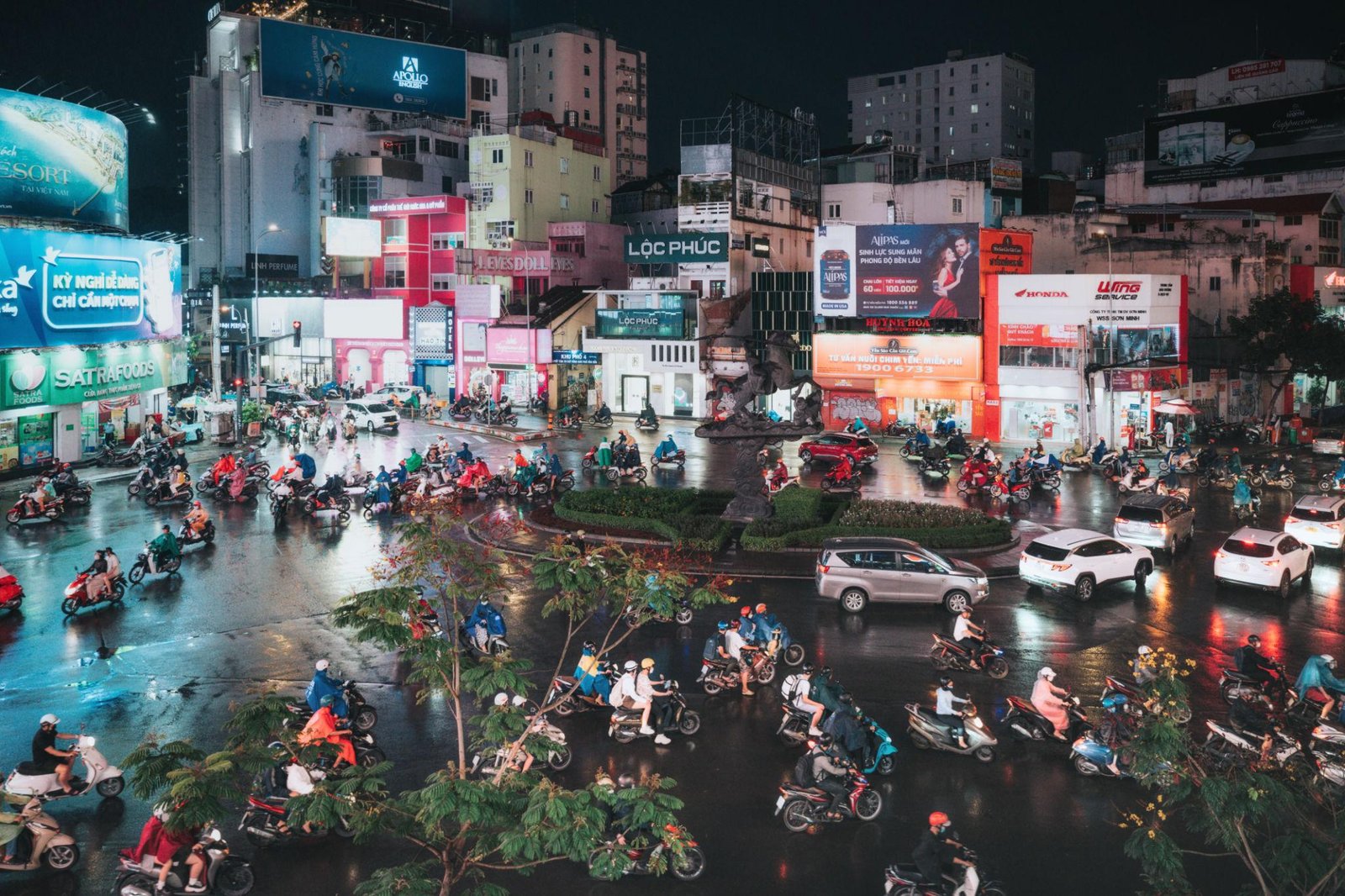

Saigon Taste Tours team
Welcome to SAIGON TASTE Tours! We’re a team of passionate local guides dedicated to sharing the real Saigon and Vietnam through food, culture, and hidden gems. From bustling street food stalls and historic landmarks to outdoor adventures and peaceful nature escapes, our tours are designed to be authentic and unforgettable. Every experience is private and tailored to you, guided by knowledgeable locals who go above and beyond to make you feel like you’re exploring with a friend. With us, you won’t just visit Vietnam — you’ll truly experience it. We can’t wait to welcome you! Best regards, Ben and the SAIGON TASTE Tours
saigontastetours@gmail.com Click to Connect with Us
Leave a Reply