
The Underground Resistance: A Motorbike Tour Of Saigon’s Secret Weapon Bunkers And Safehouses
Most visitors come to Ho Chi Minh City expecting bustling markets, colorful street food stalls, modern skyscrapers, and endless streams of motorbikes. While these iconic sights certainly define contemporary Saigon, there is another city hidden beneath the surface, a city of secret tunnels, concealed bunkers, underground resistance networks, and safehouses that once played a crucial role in Vietnam’s struggle for independence.
For decades, an intricate network of covert locations operated silently behind ordinary storefronts, family homes, and narrow alleyways. These sites became lifelines for resistance fighters, intelligence agents, and revolutionary leaders during some of the most turbulent periods in Vietnamese history. Today, many of these remarkable locations remain largely unknown to international travelers, making them some of the city’s most fascinating hidden attractions.
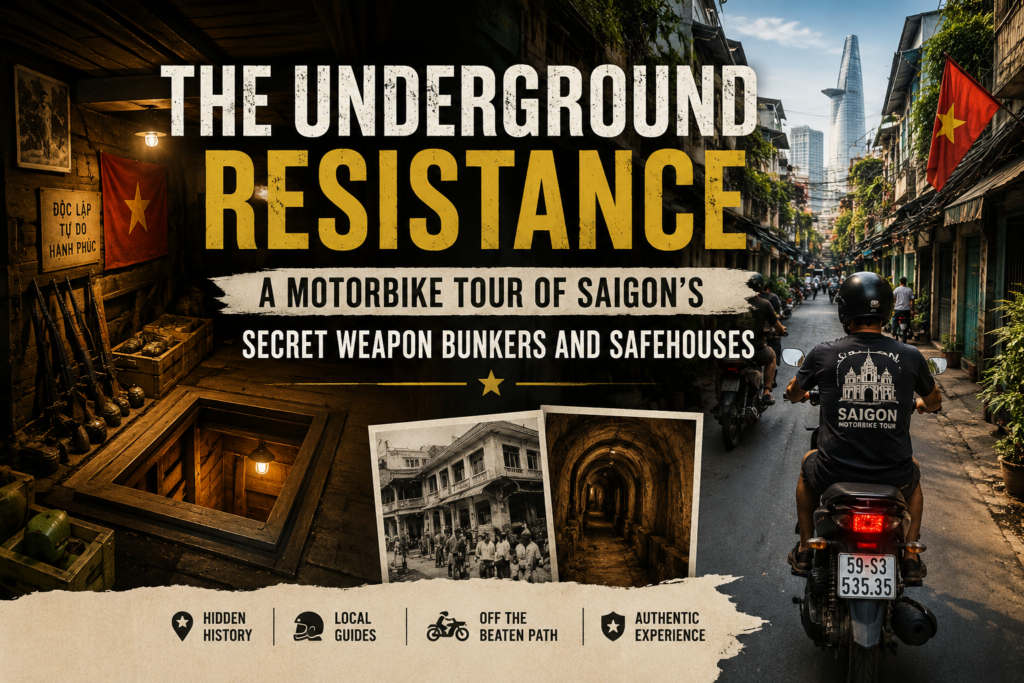
One of the best ways to explore these forgotten stories is through a Saigon motorbike tour, allowing visitors to move effortlessly through the city’s maze-like streets while uncovering places that traditional sightseeing routes often overlook. Riding through old neighborhoods, historic districts, and hidden alleys offers a unique perspective on how the underground resistance operated right in the heart of what was once one of Southeast Asia’s most strategically important cities.
This journey through Saigon’s secret weapon bunkers and safehouses reveals a side of the city that many guidebooks barely mention, a world where ordinary homes concealed extraordinary secrets and where history unfolded behind seemingly unremarkable doors.
Why Motorbikes Are The Best Way To Explore Hidden Historical Saigon
To uncover the hidden history of Saigon’s underground resistance, there is no better way than exploring the city on a motorbike. Unlike conventional tours that follow major roads and popular landmarks, a motorbike allows travelers to venture deep into the narrow alleyways and residential neighborhoods where many of these secret wartime locations remain hidden today.
As you ride through the city’s older districts, it becomes easier to understand how the resistance network operated right under the noses of authorities. What now appear to be ordinary homes, local cafés, and family-run businesses were once important links in a much larger underground system. Narrow alleyways served as discreet routes for transporting supplies and messages, while seemingly unremarkable buildings concealed bunkers, safehouses, and meeting points.
The journey offers far more than a history lesson. It provides a unique opportunity to see how the physical layout of Saigon helped shape the resistance movement. Every turn into a hidden alley and every stop at a preserved historical site reveals another layer of the city’s remarkable past. Experiencing these locations from the back of a motorbike allows visitors to connect the stories of wartime resilience with the vibrant neighborhoods that continue to thrive today, creating a deeper appreciation for both Saigon’s history and its enduring spirit.
A historical motorbike tour Ho Chi Minh City offers an immersive perspective that connects visitors directly to the stories behind these remarkable places.
The Secret Weapon Bunker: Saigon’s Hidden Arsenal
Among the most remarkable wartime locations in the city is the famous Secret Weapon Bunker, a site that remained hidden for decades beneath what appeared to be an ordinary residential building. Located in District 3, this modest house played an extraordinary role during the Tet Offensive of 1968. Resistance operatives secretly transported and stored large quantities of weapons, ammunition, explosives, and military supplies beneath the property without attracting suspicion.
The ingenuity behind the bunker is astonishing. Beneath the tiled floor lies a carefully constructed underground chamber capable of concealing hundreds of weapons. The entrance was expertly disguised, allowing residents and operatives to move supplies without revealing the bunker’s existence. Standing inside the underground chamber today, visitors gain a powerful sense of the risks involved in maintaining such a facility. Discovery would have had devastating consequences not only for those directly involved but also for neighboring residents.
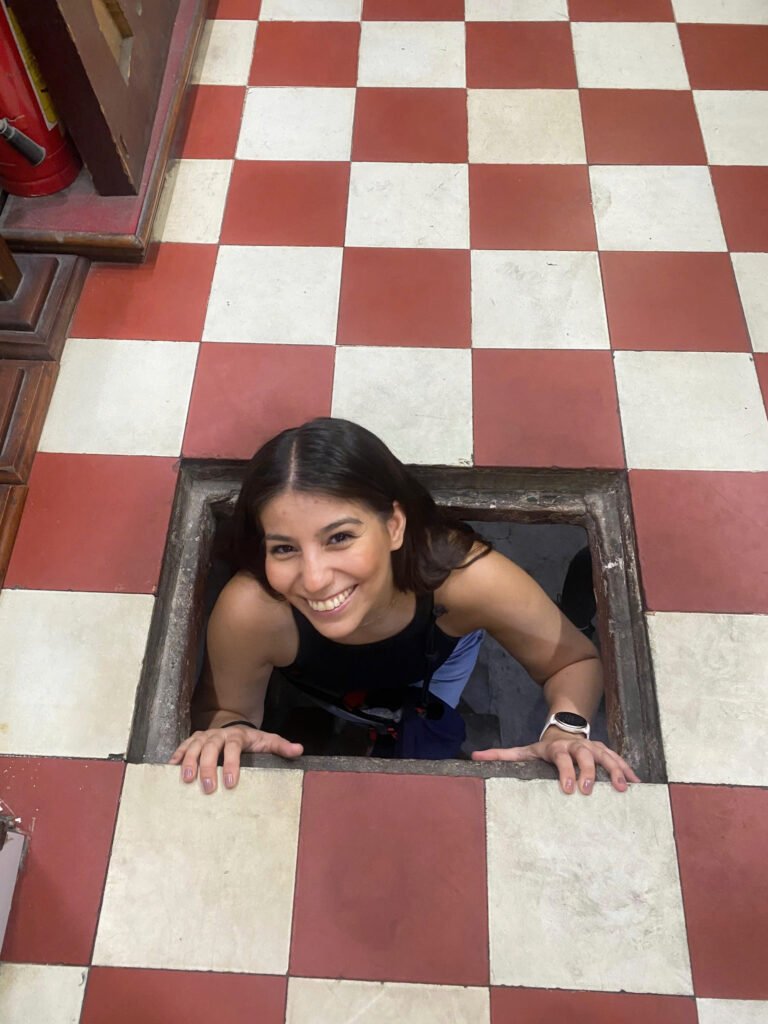
The bunker demonstrates the extraordinary level of organization and commitment required to sustain resistance activities within an urban environment. Every weapon hidden beneath the floor represented a carefully coordinated effort involving transportation networks, trusted couriers, intelligence gathering, and operational secrecy.
Today, the preserved site provides a rare opportunity to step inside a genuine wartime bunker and witness firsthand the hidden infrastructure that supported one of the most significant military campaigns in modern Vietnamese history.
Safehouses: The Invisible Backbone Of The Resistance
While weapon bunkers often capture the imagination, safehouses were arguably even more important to the survival of underground networks. Throughout Saigon, carefully selected homes provided shelter, meeting spaces, communication hubs, and temporary hideouts for resistance members. These locations were designed to blend seamlessly into everyday urban life.
To outside observers, they appeared completely ordinary. Families cooked meals, children played in courtyards, and businesses operated normally. Behind closed doors, however, crucial planning sessions, intelligence exchanges, and logistical operations quietly unfolded. Many safehouses featured hidden compartments, concealed passageways, false walls, or secret storage areas. Their effectiveness depended on their ability to remain invisible despite being situated within densely populated neighborhoods.
The individuals who managed these safehouses often lived under constant pressure. Maintaining secrecy required extraordinary discipline and courage. A single mistake could jeopardize entire networks and place numerous lives at risk. Exploring these preserved locations allows visitors to understand the human dimension of resistance. Beyond military strategy and political movements were ordinary citizens who made extraordinary sacrifices.
Hidden Alleyways And Covert Networks
One of the most fascinating aspects of Saigon’s resistance history is the role played by the city’s labyrinth of alleyways. Known locally as “hem,” these narrow passages form a vast secondary city hidden behind major roads and commercial districts. Even today, countless residents live, work, and socialize within these intricate networks.
During wartime, these alleyways provided ideal conditions for covert movement. Resistance members could navigate between neighborhoods while avoiding main thoroughfares and checkpoints. Couriers delivered messages, supplies, and intelligence through routes that outsiders often found impossible to follow.
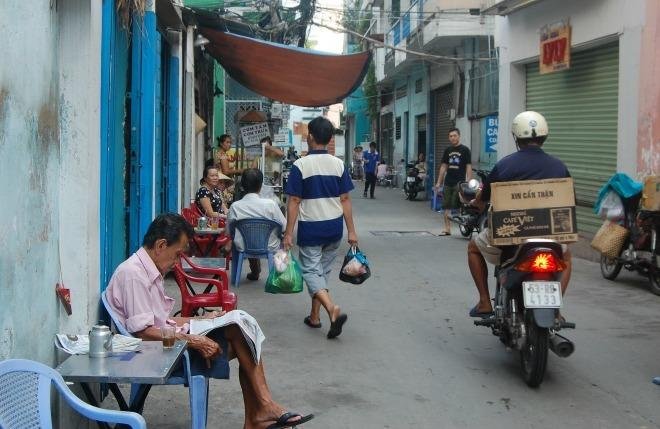
A motorbike tour reveals how these interconnected passages functioned as an informal transportation network long before modern GPS navigation existed. Riders quickly discover that some alleys twist unexpectedly, connect distant neighborhoods, and lead to locations that appear impossible to access from major streets. Understanding these hidden pathways helps explain how underground operations could function effectively within a city under intense surveillance.
The Legacy Of The Tet Offensive
No discussion of Saigon’s secret weapon bunkers would be complete without understanding their connection to the Tet Offensive. Launched in 1968, the offensive represented one of the most significant military campaigns of the Vietnam War. It required months of preparation, extensive logistical coordination, and the successful movement of personnel and supplies throughout South Vietnam.
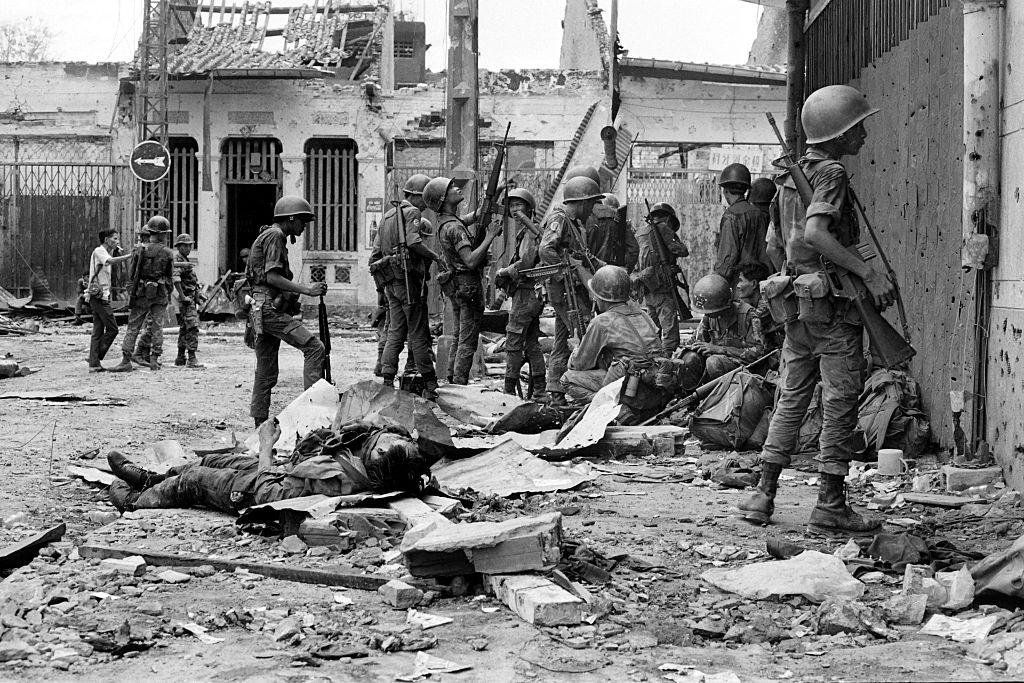
The secret bunkers and safehouses scattered across Saigon played essential supporting roles in these preparations. Weapons had to be transported discreetly. Communication networks had to remain secure. Operatives needed places to meet, plan, and hide.
The very existence of these underground facilities demonstrates the scale of organization involved. They were not isolated locations but components of a much larger network operating across the city. For modern visitors, exploring these sites provides valuable context for understanding the historical events that shaped both Vietnam and the broader international perception of the conflict.
Everyday Architecture With Extraordinary Secrets
One of the most striking aspects of these historical locations is how ordinary they appear from the outside. Many visitors arrive expecting dramatic military installations or heavily fortified compounds. Instead, they find modest homes, family businesses, and quiet residential buildings. This contrast highlights one of the resistance movement’s greatest strengths: its ability to integrate seamlessly into urban life.
Architectural features that once served practical residential purposes often carried hidden significance. Staircases concealed storage areas. Courtyards facilitated discreet meetings. Basements housed secret chambers. Furniture masked hidden entrances.
These subtle adaptations transformed ordinary spaces into vital operational assets. As visitors move between sites on a Saigon motorbike tour, they begin to recognize how resistance infrastructure was woven directly into the fabric of daily life.
Stories Of Courage Behind Closed Doors
The physical structures themselves are fascinating, but the people associated with them are what truly bring history to life. Many bunker owners and safehouse operators were ordinary citizens who faced extraordinary risks. They balanced family responsibilities with dangerous clandestine activities, often knowing that discovery could result in imprisonment or worse.
Their stories reveal resilience, resourcefulness, and determination under challenging circumstances. Some transported weapons concealed within everyday goods. Others provided shelter to operatives on the run. Many served as couriers, intelligence gatherers, or logistical coordinators.
These individuals rarely appear in traditional military histories, yet their contributions were essential to the functioning of underground networks. Learning about their experiences transforms historical sites from static landmarks into deeply human stories.
Discovering Lesser-Known Historical Neighborhoods
Beyond the famous landmarks, this journey introduces visitors to neighborhoods that rarely appear on standard tourist itineraries. District 3, portions of District 1, and older residential sections of the city contain numerous locations connected to resistance activities. These neighborhoods retain much of their historical character despite rapid urban development.
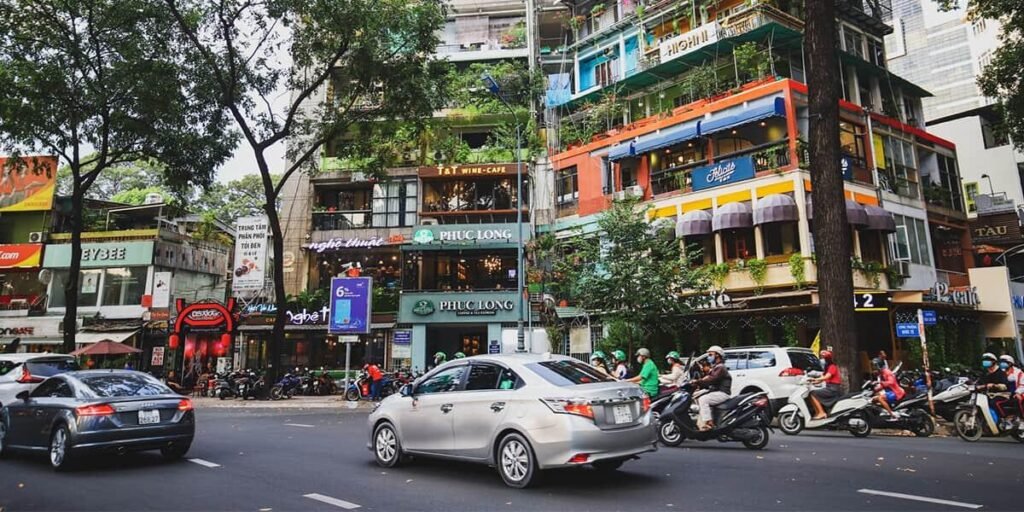
Traveling by motorbike allows visitors to observe local life unfolding around these historical sites. Street vendors prepare traditional dishes, residents gather at neighborhood cafés, and families continue traditions that span generations.
This blend of living culture and historical significance creates a richer travel experience than simply visiting museums or monuments. The city’s history is not confined to exhibits behind glass. It remains embedded within communities that continue to evolve while preserving connections to the past.
Why These Hidden Sites Matter Today
As Ho Chi Minh City continues to modernize, preserving these underground resistance locations becomes increasingly important. Glass towers, luxury developments, and expanding infrastructure are transforming the urban landscape at remarkable speed. Amid this growth, historical sites provide vital links to the experiences that shaped the city’s identity.
They remind visitors and residents alike that beneath modern Saigon lies a complex history of resilience, adaptation, and perseverance. These locations also encourage a more nuanced understanding of history. Rather than focusing solely on major battles or political leaders, they highlight the contributions of ordinary individuals whose actions influenced larger events. By visiting secret weapon bunkers and safehouses, travelers gain insight into the everyday realities of wartime life and the extraordinary efforts required to sustain resistance movements.
Experiencing History Through A Motorbike Adventure
What makes this journey particularly memorable is the combination of historical discovery and urban exploration. Each stop reveals a new layer of the city’s past. One moment, visitors may be standing inside a concealed bunker filled with wartime artifacts. Minutes later, they are weaving through bustling streets lined with food vendors and local markets. The contrast between old and new, hidden and visible, creates a dynamic travel experience unlike any traditional museum visit.
Exploring Saigon’s hidden wartime sites by motorbike transforms history from something you simply read about into something you actively experience. As you travel between secret bunkers, historic safehouses, and tucked-away alleyways, the city itself becomes part of the story. Every neighborhood, side street, and preserved landmark offers a glimpse into the ingenuity and resilience that once defined life during a turbulent chapter of Vietnam’s past.
While modern Ho Chi Minh City is known for its energetic atmosphere, thriving food scene, and fast-paced urban life, traces of a remarkable underground world still remain hidden beneath the surface. Behind ordinary houses and within quiet residential streets are locations that played a vital role in supporting resistance activities, preserving stories that continue to shape the city’s identity today.
A motorbike tour offers one of the most authentic ways to uncover these lesser-known chapters of Saigon’s history. Following routes through local neighborhoods and narrow alleyways allows visitors to see the city from a different perspective—one that connects the past with the present in a way few traditional tours can.
For travelers looking to go beyond the famous landmarks, this journey reveals a side of Saigon that many visitors never discover. It is an opportunity to explore hidden places, hear extraordinary stories, and gain a deeper appreciation for the people and events that helped shape modern Vietnam. Though the resistance network once relied on secrecy, its legacy remains woven into the streets of Saigon, waiting to be uncovered by those willing to look beyond the surface.
Explore The Hidden Stories Of Saigon With Saigon Taste Tours
Ready to discover a side of Saigon that most travelers never see? Come explore the real Saigon with us at Saigon Taste Tours, where you don’t just see the city, you taste it.
Our local guides take you beyond the typical tourist routes and into the hidden alleyways, historic neighborhoods, secret landmarks, and authentic cultural experiences that reveal the true spirit of Ho Chi Minh City.
Whether you’re passionate about history, fascinated by local culture, or simply looking for an unforgettable Saigon motorbike tour, we’re here to help you experience the city from a completely different perspective. Book your adventure today and uncover the hidden stories waiting beneath the surface of Saigon.
Discover the city beyond the tourist spots with Saigon Taste Tours. Come explore the real Saigon with us – where you don’t just see the city, you taste it.
For custom itineraries and group bookings, pricing depends on group size. Contact Ben via WhatsApp: +84 383 624 632. If you have any questions, please don’t hesitate to ask.We are looking forward to showing you around our lovely country!
Book your experience today and discover Vietnam like a local!
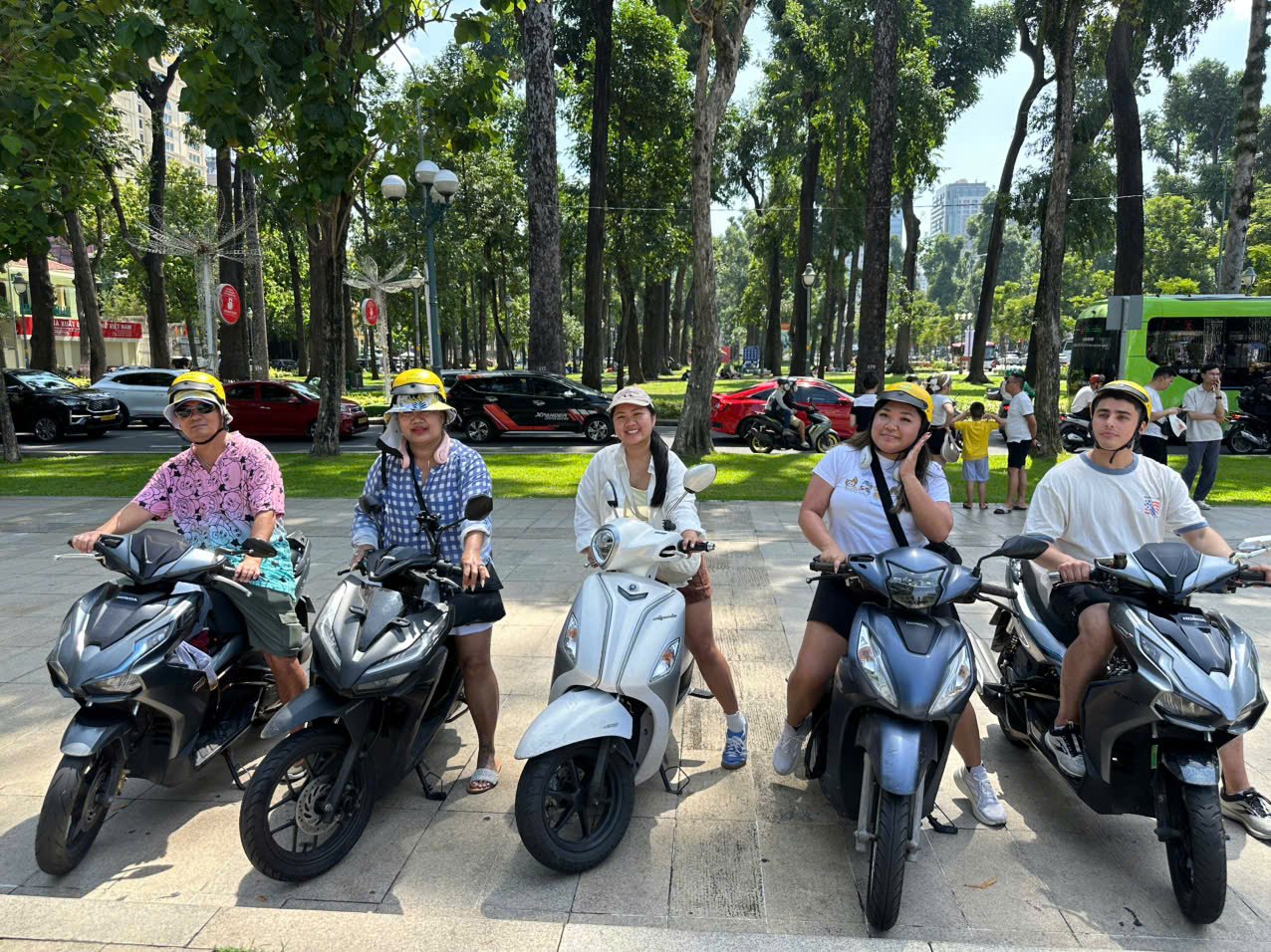

Saigon Taste Tours team
Welcome to SAIGON TASTE Tours! We’re a team of passionate local guides dedicated to sharing the real Saigon and Vietnam through food, culture, and hidden gems. From bustling street food stalls and historic landmarks to outdoor adventures and peaceful nature escapes, our tours are designed to be authentic and unforgettable. Every experience is private and tailored to you, guided by knowledgeable locals who go above and beyond to make you feel like you’re exploring with a friend. With us, you won’t just visit Vietnam — you’ll truly experience it. We can’t wait to welcome you! Best regards, Ben and the SAIGON TASTE Tours
saigontastetours@gmail.com Click to Connect with Us
Leave a Reply