
Beyond The Guidebooks: 5 Secret Saigon Alleyways Only Accessible By Motorbike
Discover The Side Of Saigon Most Visitors Never See
Every travel guide introduces visitors to the same famous landmarks. You’ll find recommendations for Ben Thanh Market, Nguyen Hue Walking Street, the War Remnants Museum, and the city’s impressive colonial architecture. While these attractions deserve their popularity, they only reveal part of Saigon’s story.
The real magic of Ho Chi Minh City exists beyond the main roads and tourist districts. It lives inside narrow alleyways hidden behind busy boulevards, tucked between rows of local houses, family-run businesses, neighborhood temples, and tiny food stalls that have served the same community for generations.
Many of these places are inaccessible to cars and difficult to find on foot. The best way to discover them is the same way locals do every day: on a motorbike. A motorbike provides access to an entirely different version of the city. It allows travelers to slip into hidden corners where daily life unfolds naturally, far from tourist crowds and commercialized attractions. These alleyways offer a glimpse into authentic Saigon, revealing stories, traditions, and experiences that rarely make it into guidebooks.
If you’re searching for hidden alleys in Saigon and hoping to experience a more authentic side of the city, these five secret alleyways provide an unforgettable adventure beyond the typical tourist route.
Why Saigon’s Alleyways Are the City’s Best-Kept Secret
To understand Saigon, you first need to understand its alley system. Known locally as “hẻm,” these narrow passageways form an intricate network stretching throughout the city. While major roads connect districts, alleyways connect communities. They function as miniature neighborhoods where families gather, children play, food vendors operate, and daily life unfolds just steps from residents’ front doors.
Some alleys are only a few meters long. Others form maze-like networks extending deep into residential areas. Together, they create a hidden city within the city. Many visitors spend days exploring Saigon without ever venturing beyond the main streets. As a result, they miss some of the most fascinating cultural experiences available.
Inside these hidden passages, you’ll discover traditional coffee shops hidden behind residential gates, tiny shrines decorated with incense and flowers, local markets operating in spaces barely wide enough for two motorbikes to pass, and food stalls serving dishes perfected over decades.
Unlike tourist attractions designed for visitors, these alleyways exist primarily for locals. Their authenticity remains largely untouched because they continue to serve as living neighborhoods rather than destinations. This is where a Saigon motorbike tour becomes invaluable. With local knowledge and the flexibility of two wheels, travelers can access locations impossible to reach through conventional sightseeing methods.
1. The Forgotten Alleyways of Old District 4
Most visitors know District 4 as the small district separated from downtown by canals and bridges. Historically, however, this area developed a unique character that still survives today within its labyrinth of alleyways. As soon as you leave the wider streets, the atmosphere changes dramatically.
Narrow lanes twist between tightly packed houses painted in shades of blue, yellow, and green. Laundry hangs overhead while small altars decorated with fresh flowers occupy corners that seem frozen in time. Elderly residents sit outside chatting with neighbors while vendors push carts filled with tropical fruit through passageways barely wide enough for a motorbike.
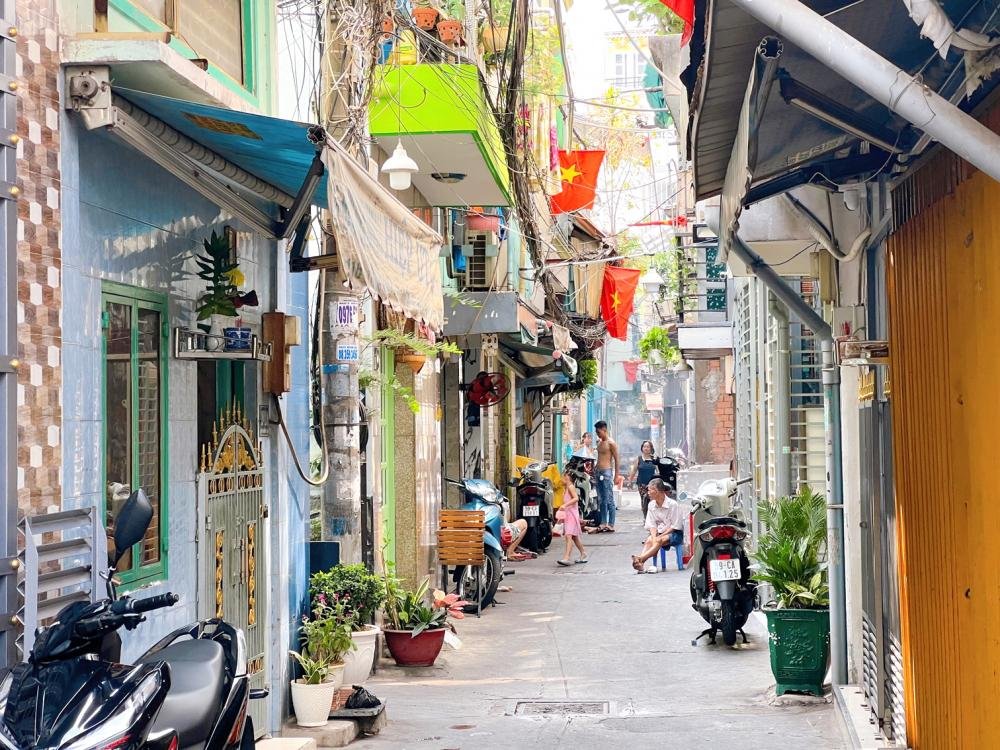
What makes these alleyways particularly fascinating is their sense of continuity. While skyscrapers reshape other parts of Ho Chi Minh City, many sections of District 4 preserve an older urban landscape. The district’s waterways once supported thriving merchant communities, fishermen, and laborers who built tightly knit neighborhoods around shared economic activities. Today, traces of that history remain visible in architecture, local traditions, and community life.
Visitors exploring these hidden passages often encounter family businesses that have operated for multiple generations. Tiny coffee stands serve regular customers who have visited every morning for decades. Home kitchens transform into bustling lunch spots during peak hours before returning to quiet residential spaces later in the day. The experience feels less like sightseeing and more like temporarily stepping into a local community’s daily routine.
2. The Incense And Temple Alleys Of Cho Lon
Saigon’s Chinatown, known as Cho Lon, is famous for its markets, historic temples, and Chinese-Vietnamese heritage. Yet beyond the well-known attractions lies an even more fascinating network of hidden alleyways that many visitors never discover. The narrow lanes surrounding traditional temples reveal a different rhythm of life.
As motorbikes weave through these passages, travelers encounter colorful lanterns hanging above weathered storefronts, herbal medicine shops displaying centuries-old remedies, and workshops where artisans continue traditional crafts. The scent of incense often drifts through the air, blending with aromas from nearby food stalls and family kitchens.
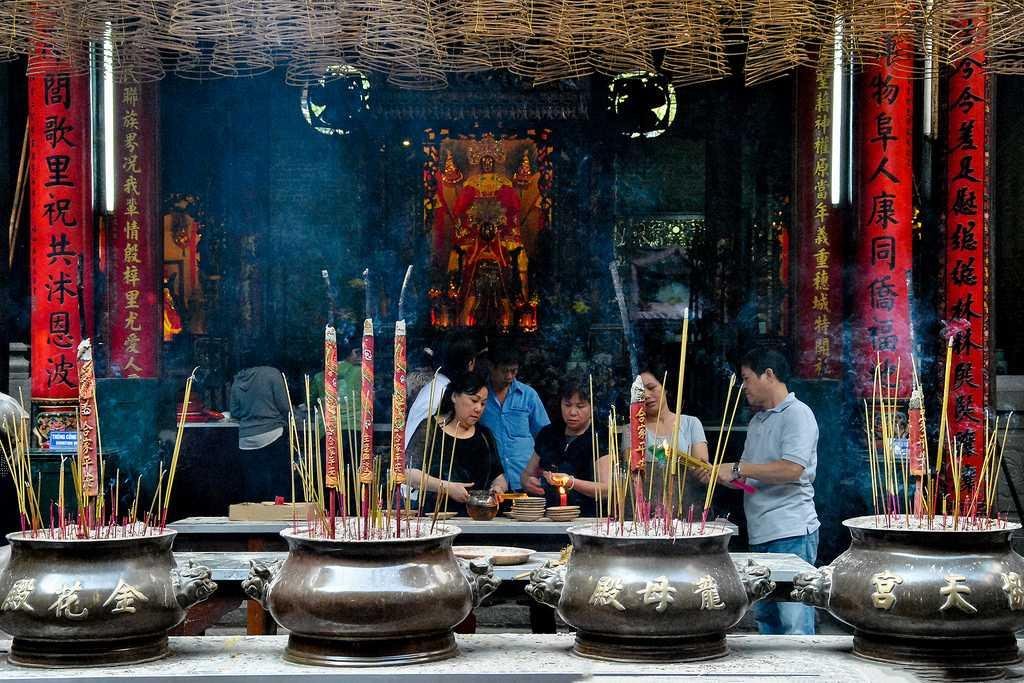
Unlike modern commercial districts, many Cho Lon alleyways preserve architectural details reflecting generations of cultural exchange. Decorative doorways, intricate carvings, and community shrines appear unexpectedly around corners.
One particularly rewarding aspect of exploring these hidden routes is observing how spiritual traditions remain integrated into everyday life. Residents stop briefly at neighborhood shrines before work. Shopkeepers light incense to honor ancestors. Seasonal decorations transform entire sections of alleyways during important festivals. The atmosphere feels intimate and deeply connected to local history. For travelers interested in culture rather than simply checking landmarks off a list, these alleyways offer a far richer understanding of Saigon’s multicultural identity.
3. The Secret Canal-Side Alleys of District 8
Few tourists venture into District 8, making it one of the most underrated areas in Ho Chi Minh City. Located along a network of canals, the district offers a glimpse into a slower, more residential side of urban life. Hidden alleyways follow waterways through neighborhoods where traditional and modern lifestyles coexist.
Riding through these passages reveals scenes that feel worlds away from the bustling city center. Small bridges connect clusters of homes built beside the canals. Fishermen prepare equipment along the water’s edge. Floating plants drift slowly downstream while residents gather outside their homes in the cooler hours of the day. These alleyways showcase the relationship between Saigon and water, a connection that shaped the city’s development long before modern highways and skyscrapers appeared.
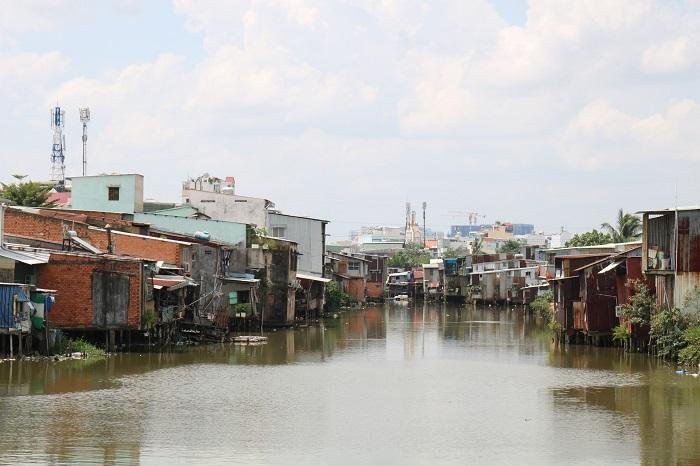
Many families have lived in these communities for generations, adapting their lives to seasonal changes and canal conditions. Their stories reflect a side of urban history rarely highlighted in travel brochures. The narrow roads winding through District 8 are particularly enjoyable by motorbike because they allow travelers to cover significant distances while maintaining close contact with the surrounding environment. Instead of rushing between attractions, visitors experience the city gradually, observing countless small moments that collectively reveal its character. This is off-the-beaten-path Saigon at its most authentic.
4. The Hidden Food Alleys of District 3
Food lovers often focus on famous restaurants and street food markets. Yet some of Saigon’s most memorable culinary experiences are hidden inside residential alleyways in District 3. These narrow streets transform throughout the day.
Early mornings begin with noodle vendors serving breakfast to local workers. By midday, family-run kitchens prepare rice dishes, soups, and regional specialties. Evenings bring an entirely different atmosphere as grills ignite and residents gather for dinner. What makes these food alleys unique is their authenticity.
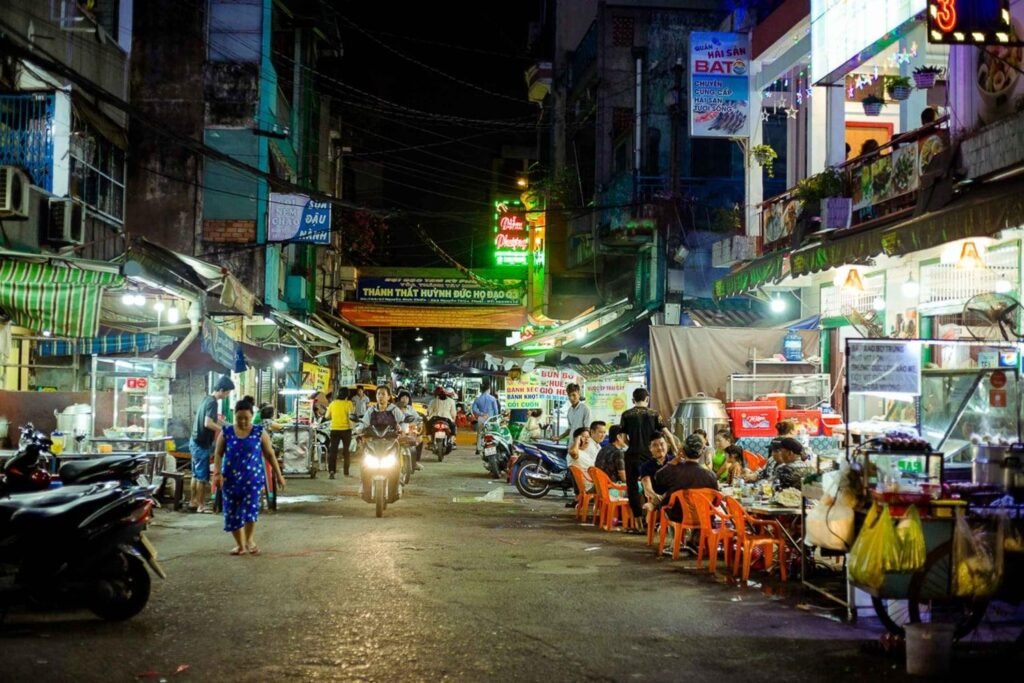
Most businesses rely almost entirely on neighborhood customers rather than tourists. Recipes are often passed through generations, and menus reflect local preferences rather than international expectations. As motorbikes navigate these passages, travelers discover food experiences impossible to replicate elsewhere. Tiny plastic stools spill onto sidewalks. Conversations flow between customers who have known each other for years. The cooking process unfolds openly just meters from diners.
These environments create a sense of connection that extends beyond the food itself. Visitors don’t simply consume a meal; they become temporary participants in community life. District 3’s hidden culinary alleyways demonstrate why some of Saigon’s best dining experiences occur far from the city’s most famous restaurant districts.
5. The Creative Alleyways Behind Modern Saigon
While many secret alleyways preserve historical traditions, others showcase the city’s evolving creative culture. Hidden behind busy commercial roads are clusters of narrow passages where artists, designers, photographers, and entrepreneurs have established unique spaces that blend contemporary ideas with local character. These alleyways often surprise first-time visitors. Behind seemingly ordinary entrances, travelers discover independent cafés, small galleries, boutique workshops, and creative studios tucked inside renovated buildings.
Street art decorates walls that once served purely functional purposes. Community spaces host exhibitions, performances, and cultural events. Young entrepreneurs experiment with new concepts while remaining deeply connected to the neighborhood atmosphere surrounding them.
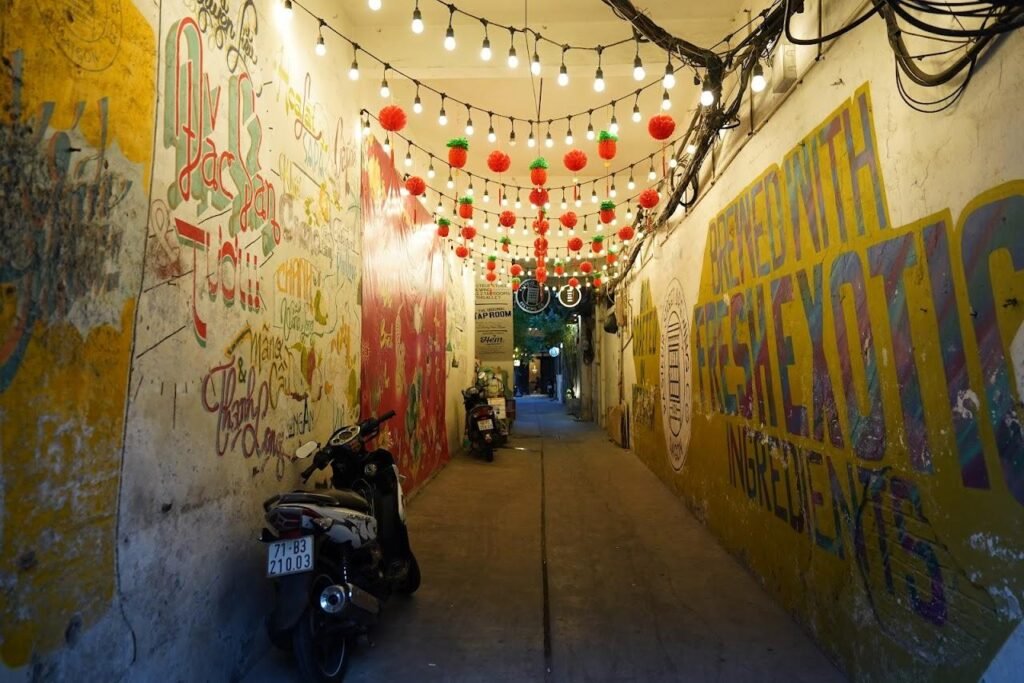
Unlike large commercial developments, these creative alleyways maintain a human scale. Visitors can interact directly with business owners, artists, and residents, creating experiences that feel personal rather than transactional. They represent another layer of Saigon’s identity, a city that embraces innovation while preserving community connections. Exploring these areas by motorbike allows travelers to move seamlessly between old and new, witnessing how different generations and cultures shape the city’s future.
Why Motorbikes Unlock The Real Saigon
The common thread connecting all of these alleyways is accessibility. Cars simply cannot enter many of these spaces. Walking is possible but often inefficient given the distances between neighborhoods. Public transportation rarely reaches the deepest sections of residential districts.
Motorbikes provide the ideal solution. They allow travelers to navigate narrow lanes, adapt routes spontaneously, and access locations hidden from conventional tourism. More importantly, they offer a perspective aligned with local life. Millions of Saigon residents rely on motorbikes every day. Experiencing the city from this viewpoint creates a deeper understanding of its rhythm, energy, and culture.
Rather than observing from behind a vehicle window, travelers become active participants in the urban environment. The sounds, aromas, conversations, and visual details that define daily life become part of the journey itself. This immersive experience explains why motorbike adventures consistently rank among the most memorable activities for visitors seeking authentic cultural experiences.
Tips For Exploring Hidden Alleys In Saigon
Exploring alleyways requires a slightly different mindset than traditional sightseeing. The goal is not to rush between attractions but to remain curious and observant. Some of the most rewarding discoveries occur unexpectedly: a local ceremony, a hidden café, a neighborhood market, or a conversation with residents.
Travelers should respect the fact that these alleyways are living communities rather than tourist attractions. Photography should always be considerate, noise should be kept to a minimum, and interactions should remain respectful.
The best experiences often come from slowing down and allowing the neighborhood to reveal itself naturally. Many visitors discover that their favorite memories emerge not from famous landmarks but from simple moments encountered in places they never planned to visit.
Experience The Hidden Side Of Saigon
Guidebooks provide an excellent introduction to Ho Chi Minh City, but they only scratch the surface of what makes this destination extraordinary. The true character of Saigon exists within its hidden alleyways, where generations of history, culture, food, and community continue to thrive beyond the view of most visitors.
From the historic neighborhoods of District 4 and the cultural richness of Cho Lon to the canal-side communities of District 8, the culinary treasures of District 3, and the city’s emerging creative hubs, these secret alleyways reveal a version of Saigon few travelers ever experience.
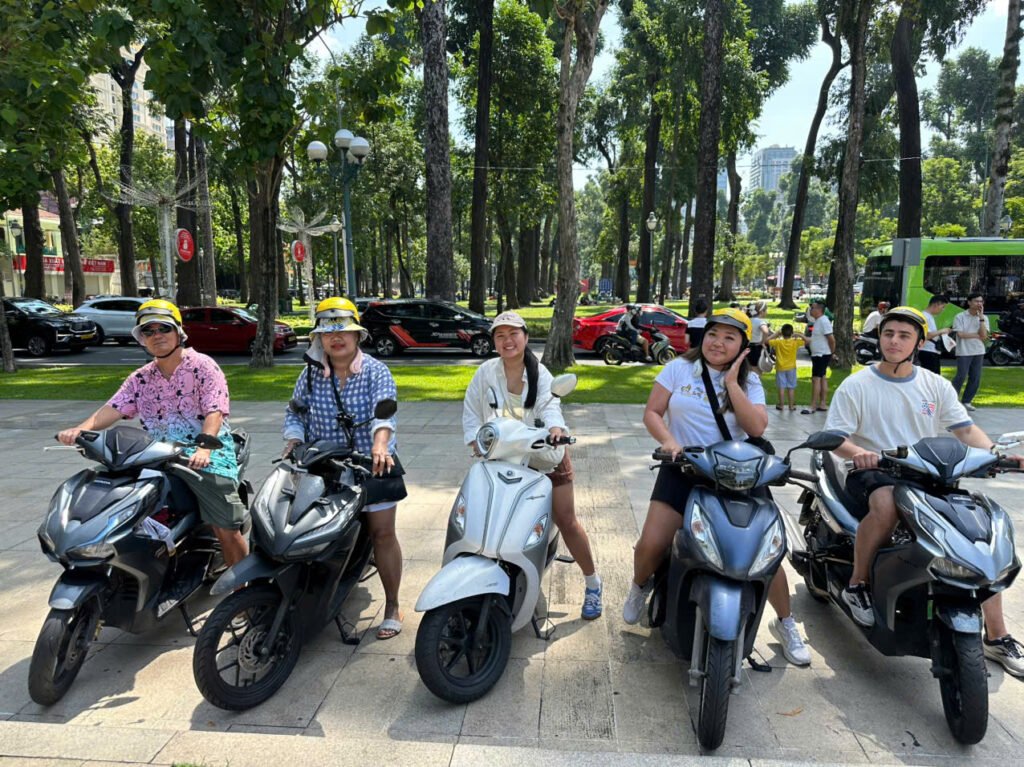
For those willing to venture beyond the guidebooks, the rewards are unforgettable. Come explore the real Saigon with us at Saigon Taste Tours, where you don’t just see the city, you taste it.
Our local guides know the hidden alleyways, authentic food spots, fascinating stories, and neighborhood secrets that transform an ordinary trip into a genuine cultural adventure. Ready to discover the Saigon most tourists never see? Book your next motorbike experience with Saigon Taste Tours and uncover the hidden heartbeat of the city, one alleyway at a time.
Discover the city beyond the tourist spots with Saigon Taste Tours. Come explore the real Saigon with us – where you don’t just see the city, you taste it.
For custom itineraries and group bookings, pricing depends on group size. Contact Ben via WhatsApp: +84 383 624 632. If you have any questions, please don’t hesitate to ask.We are looking forward to showing you around our lovely country!
Book your experience today and discover Vietnam like a local!

Saigon Taste Tours team
Welcome to SAIGON TASTE Tours! We’re a team of passionate local guides dedicated to sharing the real Saigon and Vietnam through food, culture, and hidden gems. From bustling street food stalls and historic landmarks to outdoor adventures and peaceful nature escapes, our tours are designed to be authentic and unforgettable. Every experience is private and tailored to you, guided by knowledgeable locals who go above and beyond to make you feel like you’re exploring with a friend. With us, you won’t just visit Vietnam — you’ll truly experience it. We can’t wait to welcome you! Best regards, Ben and the SAIGON TASTE Tours
saigontastetours@gmail.com Click to Connect with Us
Leave a Reply