
Echoes of the 17th Parallel: Exploring the DMZ, Khe Sanh Combat Base, and Vinh Moc Tunnels
Discover Vietnam beyond the streets of Saigon
One of the best ways to understand Vietnam is by experiencing it from the ground level. Riding through the lively streets of Ho Chi Minh City on a motorbike with Saigon Taste Tours introduces visitors to the country’s vibrant food culture, hidden neighborhoods, and the warmth of everyday Vietnamese life. It is an intimate way to see modern Vietnam, where bustling markets, family-run eateries, and centuries-old traditions exist alongside gleaming skyscrapers and fast-paced urban life.
Yet Vietnam’s story stretches far beyond its cities.
For travelers who want to understand how the country became what it is today, there is another journey waiting in Central Vietnam – a journey that follows the former Demilitarized Zone (DMZ), where history still lingers in quiet rivers, abandoned military bases, and underground tunnels carved by ordinary villagers determined to survive.
Following the old 17th Parallel is more than a sightseeing trip. It is a chance to explore one of the most historically significant regions in Southeast Asia and to better understand the resilience, sacrifices, and hopes of the Vietnamese people.
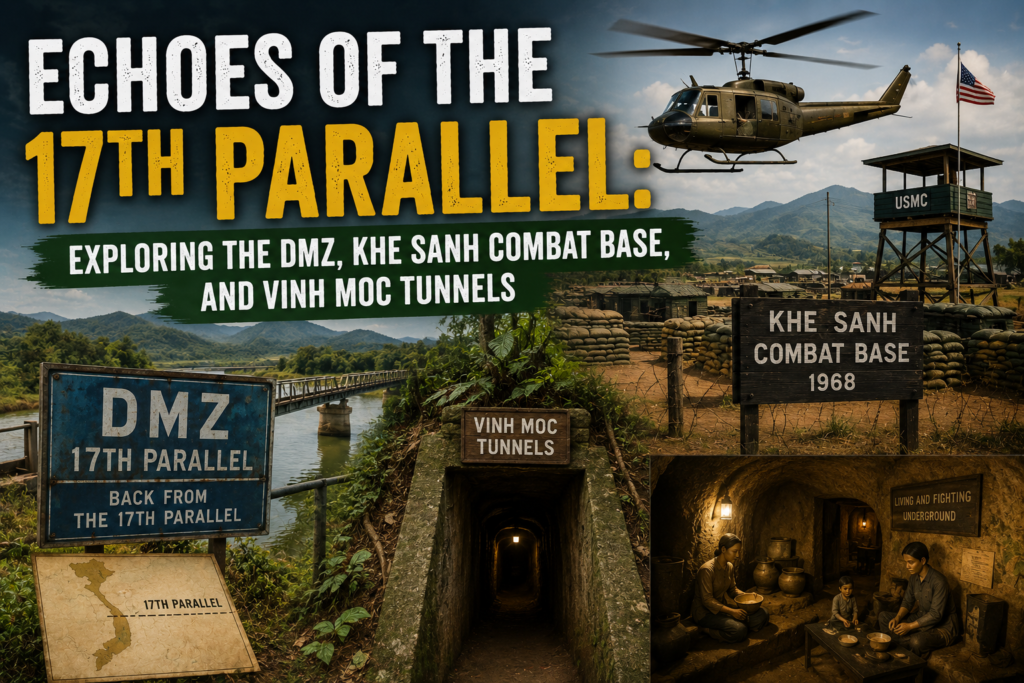
Understanding the 17th Parallel and the Vietnam DMZ
Few places in Vietnam carry as much historical weight as the former Demilitarized Zone.
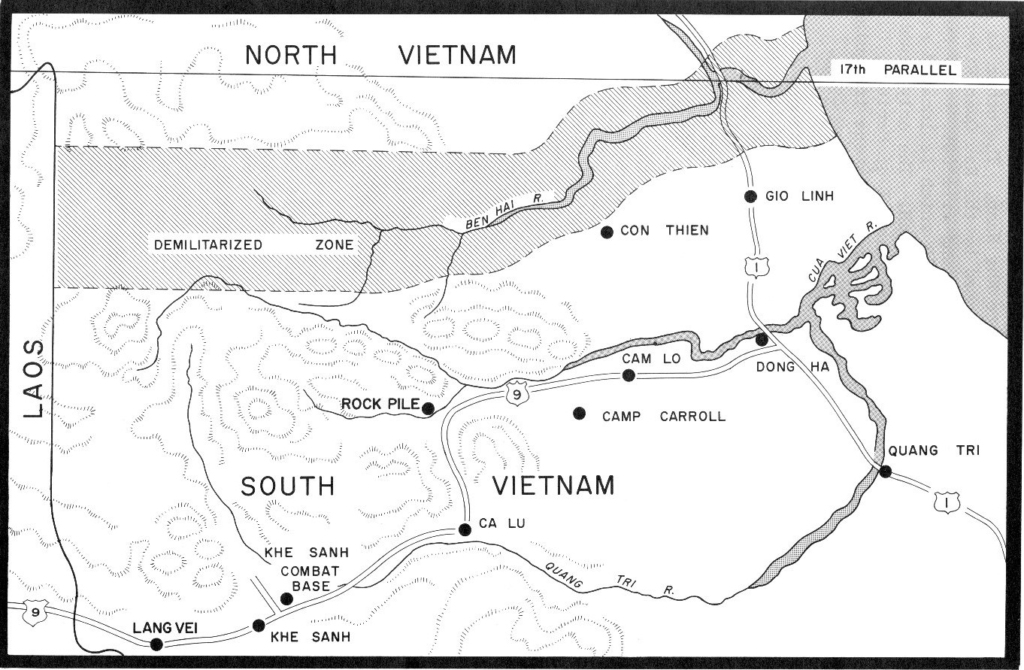
Established after the 1954 Geneva Accords, the 17th Parallel temporarily divided Vietnam into two administrative zones. Running roughly along the Bến Hải River in present-day Quảng Trị Province, the area became known as the Demilitarized Zone, or DMZ. Although intended as a buffer to reduce military tensions, the region eventually became one of the most heavily militarized landscapes of the Vietnam War.
For decades, villages, rivers, forests, and farmlands that once connected communities became symbols of separation. Families found themselves living on opposite sides of a political divide, while the surrounding countryside witnessed some of the fiercest fighting of the conflict.
Today, the weapons have long fallen silent, but the landscape continues to tell stories of courage, hardship, and reconciliation. Exploring the DMZ offers visitors far more than a history lesson – it provides an opportunity to reflect on the human experiences behind one of the twentieth century’s defining conflicts.
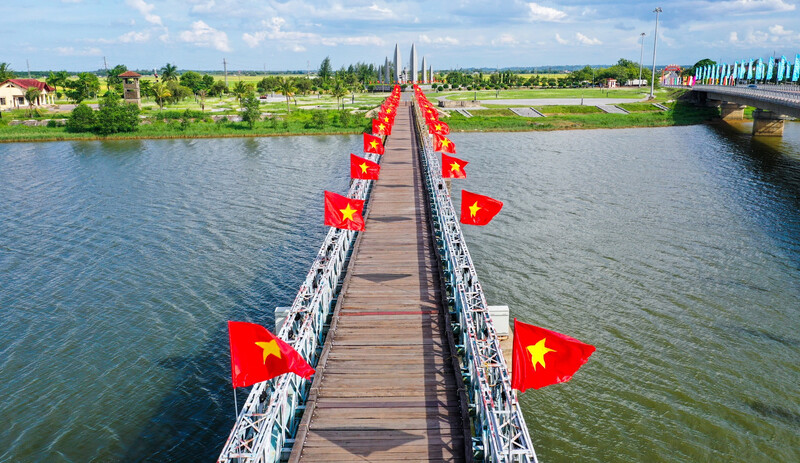
Hiền Lương Bridge: A bridge that once divided a nation
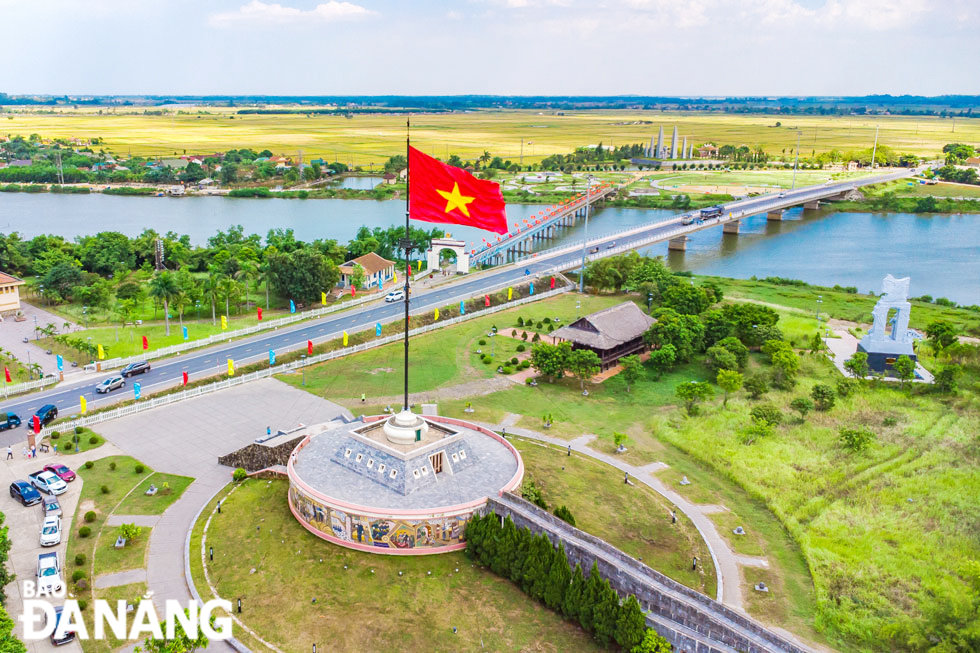
Among all the landmarks within the DMZ, few are as symbolic as Hiền Lương Bridge.
Spanning the tranquil Bến Hải River, the bridge once represented one of the most visible divisions in Vietnam. Painted in two different colors during the years of separation, it became far more than a simple crossing. It stood as a daily reminder that an entire nation had been split in two.
On one side lay the North, while the South stood just a few meters away. Yet despite the short physical distance, the emotional divide was immeasurable. Families were separated, communication was restricted, and the bridge became the focus of competing loudspeaker broadcasts, flags, and political symbolism during the years of conflict.
Walking across Hiền Lương Bridge today is a profoundly different experience. The atmosphere is peaceful, the river flows quietly beneath, and visitors from around the world stroll freely between both sides.
It is difficult to imagine that this calm setting once represented one of Asia’s most politically charged frontiers.
The nearby museum and preserved historical structures help provide valuable context, allowing visitors to appreciate how this modest bridge came to symbolize both division and eventual reunification.
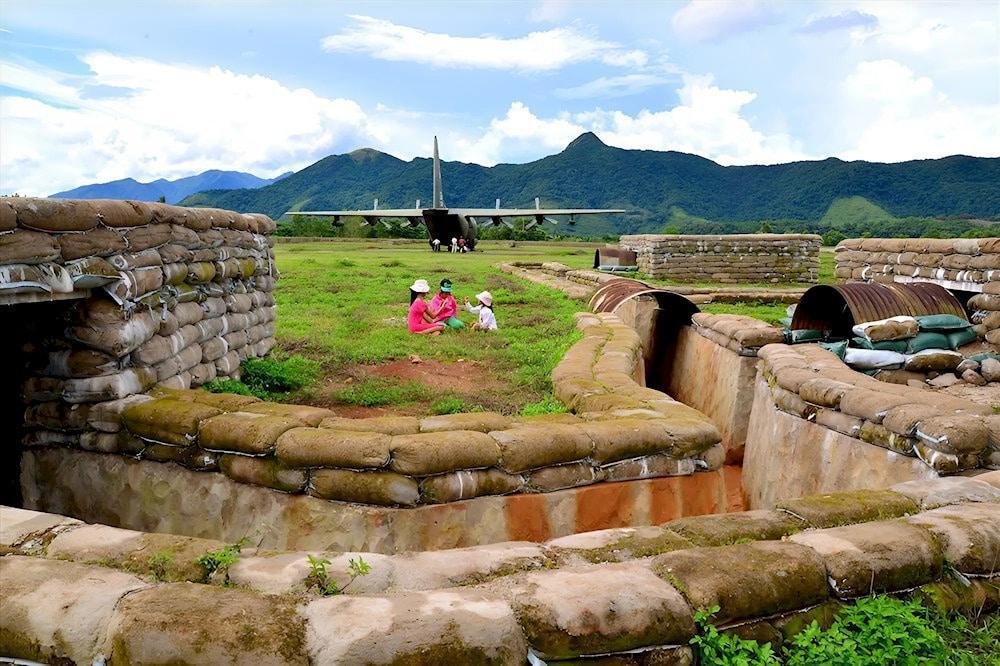
Khe Sanh Combat base: Where history changed the course of the war
Continuing westward from the former DMZ brings travelers to Khe Sanh Combat Base, one of the most famous battlefields associated with the Vietnam War.
Nestled among rolling hills near the Laotian border, Khe Sanh occupies a strategic position that made it a focal point of military operations during the late 1960s. The prolonged siege fought here became one of the conflict’s most closely watched confrontations, drawing worldwide attention and influencing military strategy on both sides.
Today, the former combat base has been transformed into a historical site and museum. Visitors can walk across the old airstrip, examine preserved military aircraft and vehicles, and explore exhibitions that explain the events surrounding the battle.
Yet the landscape itself often leaves the strongest impression.
The surrounding mountains are strikingly beautiful, covered in lush greenery and coffee plantations that seem worlds away from the devastation they once witnessed. Nature has gradually reclaimed much of the battlefield, reminding visitors that landscapes possess an extraordinary ability to heal, even when memories remain.
Standing on the old runway, it becomes easier to appreciate the enormous logistical and human challenges faced by those who fought here. Rather than glorifying conflict, Khe Sanh encourages reflection on the costs of war and the resilience of those who endured it.
Vịnh Mốc Tunnels: The underground village that refused to disappear
If Hiền Lương Bridge represents division and Khe Sanh symbolizes military conflict, then the Vịnh Mốc Tunnels tell perhaps the most remarkable story of civilian resilience.
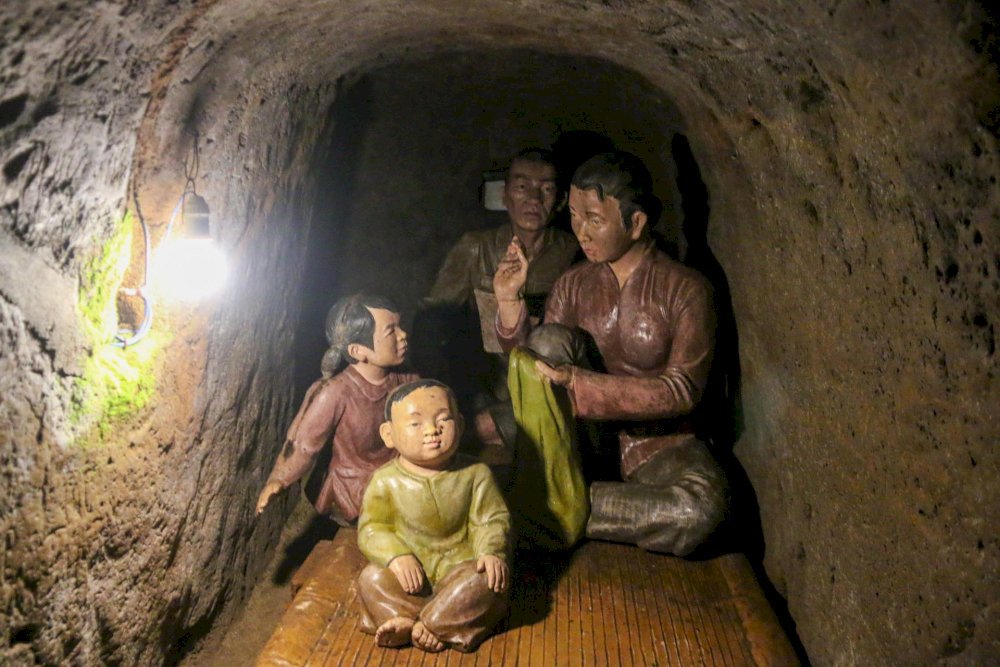
Located near the coast of Quảng Trị Province, this vast underground tunnel network was built by local villagers who refused to abandon their homes despite relentless bombing. Instead of fleeing, they moved their entire community beneath the earth.
Unlike military tunnels designed primarily for combat, Vịnh Mốc functioned as a complete underground village.
Families lived here for years. Children were born within the tunnels. Kitchens, meeting rooms, wells, storage areas, medical spaces, and sleeping quarters were carefully constructed across multiple levels reaching more than twenty meters underground.
Walking through the narrow passages today offers an extraordinary perspective on the determination required to survive under unimaginable circumstances. The tunnels are surprisingly sophisticated, with ventilation systems, strategically placed entrances leading toward the sea, and carefully engineered layouts that allowed hundreds of people to continue living despite constant danger above ground.
Perhaps the most moving aspect of visiting Vịnh Mốc is realizing that these tunnels were not built for soldiers alone.
They were built for ordinary families.
Parents raised children here. Elderly villagers adapted to life underground. Entire generations learned to live with uncertainty while preserving their community against overwhelming odds.
It remains one of the most powerful examples of civilian resilience anywhere in the world.
The quiet landscapes that once witnessed extraordinary history
One of the most surprising aspects of traveling through the former DMZ is how peaceful the region feels today.
Rice paddies stretch across the countryside. Farmers tend their fields much as previous generations once did. Rivers flow gently through villages where children ride bicycles along quiet roads. Coffee plantations cover hills that were once scarred by artillery.
Without historical context, many visitors might never realize they are standing in one of the most heavily contested regions of the Vietnam War.
This contrast between past and present creates a uniquely emotional travel experience.
Rather than overwhelming visitors with reminders of destruction, the landscape demonstrates how communities have rebuilt, healed, and moved forward while preserving the memory of those who lived through the conflict.
It serves as a powerful reminder that history is not only about battles and politics but also about people rebuilding their lives afterward.
Planning your DMZ journey
Most travelers begin their exploration from Huế or Đồng Hới, both of which offer convenient access to the former DMZ. A full-day tour typically includes Hiền Lương Bridge, the Bến Hải River, Vịnh Mốc Tunnels, and Khe Sanh Combat Base, although history enthusiasts often choose to spend two days exploring the region at a slower pace.
Because the sites are spread across Quảng Trị Province, traveling with a knowledgeable local guide can greatly enhance the experience. Historical context transforms what might otherwise seem like quiet landscapes into places filled with meaningful stories and historical significance.
Comfortable walking shoes, sun protection, and an open mind are all essential companions for this journey.
Why the DMZ still matters today?
For many visitors, exploring the former Demilitarized Zone is not about revisiting the politics of war.
It is about understanding the resilience of ordinary people.
The bridge that once divided a nation now welcomes visitors from every corner of the world. The military base that symbolized conflict has become a place for education and remembrance. The underground tunnels built to survive unimaginable hardship now stand as monuments to human determination.
Together, these places remind us that history is ultimately about people rather than battlefields.
They invite reflection rather than judgment, understanding rather than division, and respect rather than sensationalism.
For travelers seeking a deeper understanding of Vietnam, few journeys are as meaningful as following the echoes of the old 17th Parallel.
Final thoughts
Vietnam’s cities often capture travelers’ attention with their energy, cuisine, and vibrant culture, but its historical landscapes offer an equally compelling perspective on the country.
The former DMZ, Hiền Lương Bridge, Khe Sanh Combat Base, and Vịnh Mốc Tunnels reveal a chapter of Vietnamese history that continues to shape the nation’s identity today. More importantly, they tell stories of resilience, endurance, and hope that extend far beyond the events of war itself.
For anyone interested in history, culture, or simply gaining a deeper appreciation of Vietnam’s remarkable journey, exploring the old 17th Parallel is an experience that will remain long after the trip has ended.
Discover the city beyond the tourist spots with Saigon Taste Tours. Come explore the real Saigon with us – where you don’t just see the city, you taste it.
For custom itineraries and group bookings, pricing depends on group size. Contact Ben via WhatsApp: +84 383 624 632. If you have any questions, please don’t hesitate to ask.We are looking forward to showing you around our lovely country!
Book your experience today and discover Vietnam like a local!


Saigon Taste Tours team
Welcome to SAIGON TASTE Tours! We’re a team of passionate local guides dedicated to sharing the real Saigon and Vietnam through food, culture, and hidden gems. From bustling street food stalls and historic landmarks to outdoor adventures and peaceful nature escapes, our tours are designed to be authentic and unforgettable. Every experience is private and tailored to you, guided by knowledgeable locals who go above and beyond to make you feel like you’re exploring with a friend. With us, you won’t just visit Vietnam — you’ll truly experience it. We can’t wait to welcome you! Best regards, Ben and the SAIGON TASTE Tours
saigontastetours@gmail.com Click to Connect with Us
Leave a Reply