
Tracing the Bloodline: A Historic Journey Along the Jungle Trails of the Ho Chi Minh Route
Discover Vietnam Beyond the Cities
One of the most memorable ways to discover Vietnam is from the back of a motorbike. Riding through the energetic streets of Ho Chi Minh City with Saigon Taste Tours allows visitors to experience the country’s vibrant food culture, hidden neighborhoods, and everyday life from a local perspective. It is an introduction to modern Vietnam that feels personal, authentic, and unforgettable.
But Vietnam is a country of remarkable contrasts.
Leave the bustling cities behind, and the scenery changes dramatically. The roads narrow as they wind through towering mountains, dense tropical forests, and remote valleys where nature seems almost untouched. Here, deep within the Trường Sơn Mountain Range, lies one of the most extraordinary engineering and logistical achievements of the twentieth century – the legendary Ho Chi Minh Route.
For many travelers, it is simply another historical landmark associated with the Vietnam War.
In reality, it was far more than a road.
Stretching across mountains, rivers, and dense jungle, the Ho Chi Minh Route became the lifeline that connected North and South Vietnam during years of conflict. Hidden beneath thick forest canopies and constantly evolving to avoid detection, it represented not only remarkable military ingenuity but also extraordinary human endurance.
Today, exploring the remnants of this historic network offers travelers a completely different perspective on Vietnam – one that combines breathtaking natural landscapes with one of the country’s most compelling historical stories.
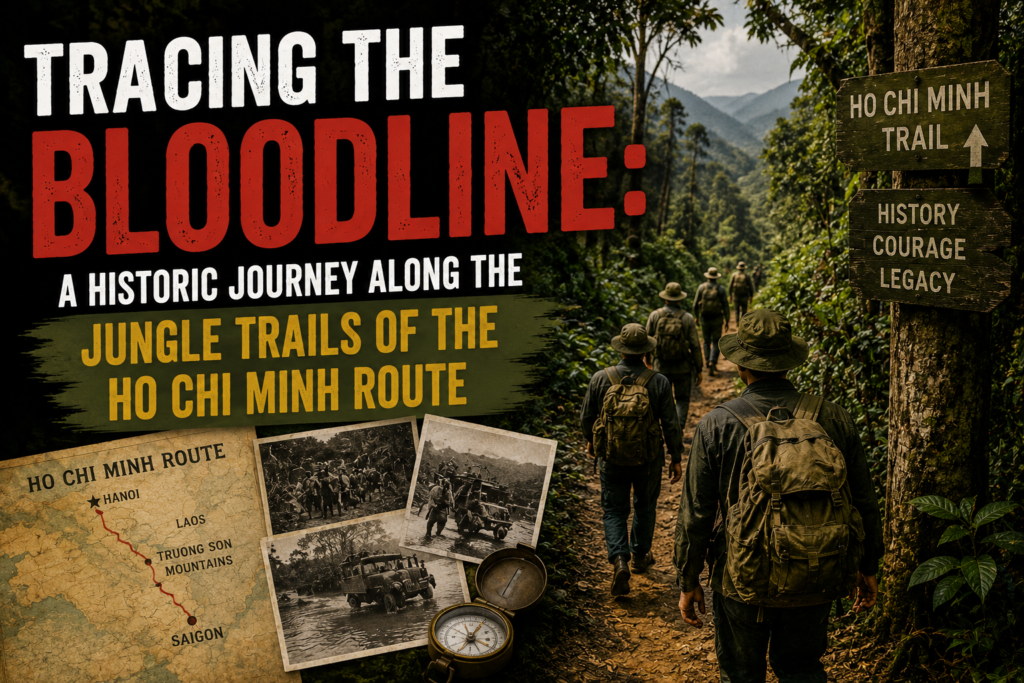
What was the Ho Chi Minh Route?
Despite its name, the Ho Chi Minh Route was never a single road.
Instead, it was an immense and constantly expanding network of trails, dirt roads, river crossings, mountain passes, hidden supply depots, pipelines, and communication routes stretching thousands of kilometers through Vietnam, Laos, and Cambodia.
Construction began during the late 1950s, but the network grew rapidly throughout the following years as the demands of war increased. Rather than relying on a single transport corridor that could easily be destroyed, engineers continually created new branches whenever existing sections were damaged.
From above, the system resembled the veins of a living organism, constantly adapting and regenerating.
For this reason, many historians describe the route as the logistical bloodstream of North Vietnam.
Without it, sustaining military operations across such vast distances would have been nearly impossible.
Why were the Trường Sơn Mountains so important?
The geography of central Vietnam shaped the route’s development more than anything else.
Running almost the entire length of the country, the Trường Sơn Mountains form a rugged natural backbone separating the coastal plains from the inland highlands. Thick tropical forests cover steep ridges, deep valleys, rushing rivers, and countless hidden passes.
For centuries these mountains had remained sparsely populated and difficult to traverse.
Ironically, those very challenges made them ideal for concealment.
The dense jungle canopy provided natural camouflage against aerial observation, while the complicated terrain allowed engineers to build countless alternative routes through forests and mountain valleys.
Traveling through the region today, visitors are often struck by its remarkable beauty. Towering trees, mist-covered peaks, waterfalls, and winding mountain roads create landscapes that seem almost untouched by history.
Yet beneath this peaceful scenery lies one of the world’s most remarkable transportation networks.
Building a lifeline through the jungle
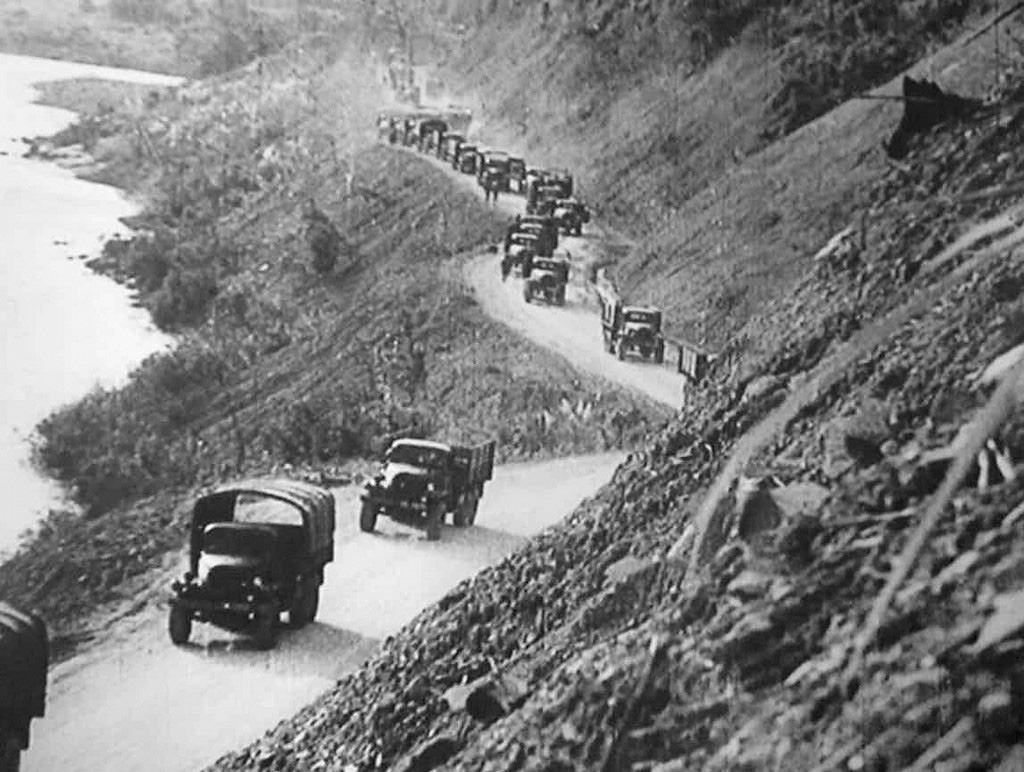
Constructing the Ho Chi Minh Route was an extraordinary engineering achievement.
Roads had to be carved into steep mountain slopes by hand. Rivers required makeshift bridges that could be dismantled or hidden when necessary. Swamps had to be crossed, cliffs navigated, and dense forests cleared – all while maintaining strict secrecy.
Unlike modern highways designed for speed and efficiency, every section of the route prioritized survival.
Engineers constantly adapted to changing conditions. During the rainy season, landslides and flooding frequently destroyed sections of road. New bypasses would then be constructed almost immediately, often deeper inside the jungle.
As the network expanded, it evolved into an incredibly sophisticated logistical system complete with fuel pipelines, repair workshops, storage facilities, field hospitals, communication stations, and rest camps.
Far from being a simple jungle trail, it became a fully functioning transportation infrastructure hidden almost entirely beneath the forest canopy.
The people behind the Route
While maps often focus on roads and supply lines, the true story of the Ho Chi Minh Route belongs to the people who built and maintained it.
Thousands of engineers, construction workers, volunteers, medics, drivers, and local communities contributed to its operation under extraordinarily difficult conditions.
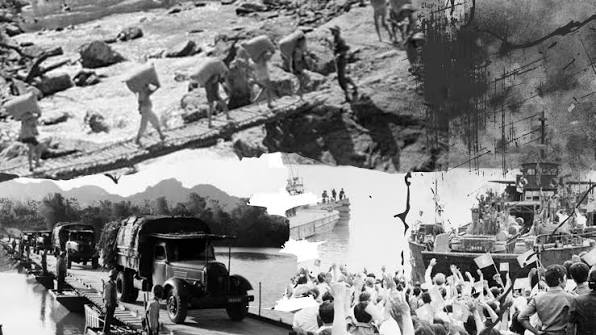
Many spent years living deep inside the mountains, working through harsh weather, dangerous terrain, and constant uncertainty. Roads damaged during the day were often repaired overnight. Bridges destroyed by bombing were rebuilt before sunrise. Supply convoys continued moving despite countless obstacles.
The route depended not only on engineering skill but also on remarkable human resilience.
For many visitors today, this human dimension becomes the most powerful part of the journey.
Logistics hidden beneath the forest
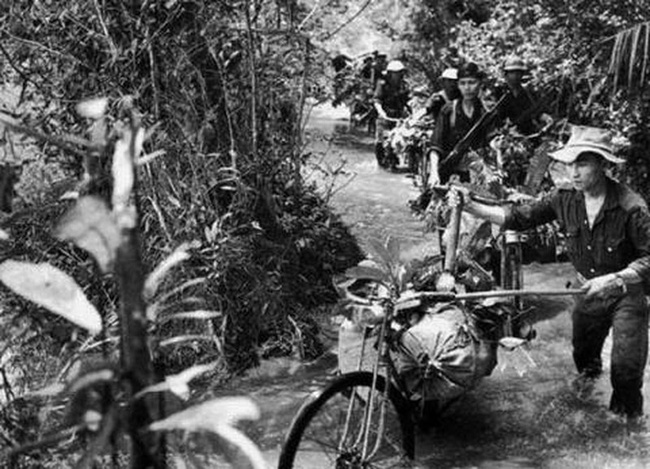
One of the most fascinating aspects of the Ho Chi Minh Route was the sophistication of its logistics.
Rather than relying solely on trucks, the network utilized bicycles capable of carrying surprisingly heavy loads, porters transporting supplies on foot, river transport, animal caravans, and eventually, increasingly advanced vehicle convoys.
Fuel pipelines stretched through remote mountain valleys. Camouflaged storage depots blended into the surrounding forest. Workshops repaired damaged vehicles far from public view.
The route functioned almost like a living ecosystem.
When one section became inaccessible, another quickly took its place.
This flexibility allowed the network to continue operating despite enormous logistical challenges, making it one of the most resilient transportation systems ever constructed under wartime conditions.
Exploring the Ho Chi Minh Route Today
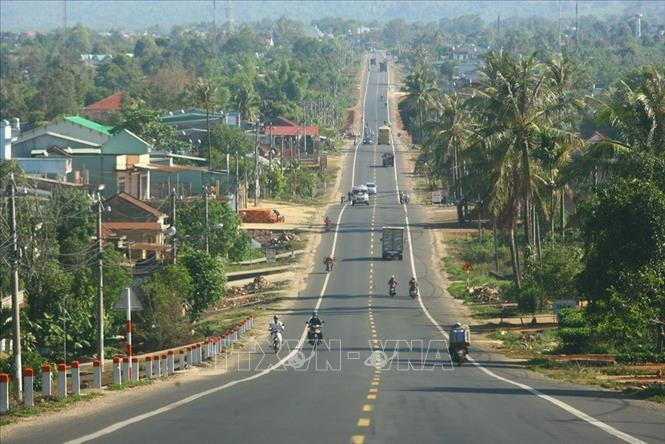
Traveling portions of the modern Hồ Chí Minh Highway offers visitors an opportunity to experience landscapes that once formed part of this historic network.
Unlike Vietnam’s bustling cities, these regions feel quiet and deeply connected to nature. Small villages, ethnic minority communities, waterfalls, caves, and dense forests create a journey that is as scenic as it is historically meaningful.
Several museums and preserved historical sites along the route help visitors understand how the network operated. Remnants of old roads, bridges, tunnels, and logistical facilities remain visible in certain locations, while local guides often share personal stories passed down through generations.
Rather than overwhelming visitors with military history alone, the journey highlights the remarkable relationship between geography, engineering, and human determination.
More than a war story
It would be easy to view the Ho Chi Minh Route solely through the lens of military history.
Yet doing so overlooks its broader significance.
The route demonstrates how geography can shape history, how infrastructure influences the outcome of events, and how ordinary people adapt to extraordinary circumstances.
Today, the forests that once concealed convoys are filled with birdsong. Rivers that once served as supply crossings now support fishing communities. Mountain roads welcome travelers seeking adventure rather than conflict.
Nature has reclaimed much of the landscape, but history remains woven into every valley and ridgeline.
Exploring the route encourages visitors to appreciate not only what happened here, but also how the region has transformed over time.
A different side of Vietnam
Many travelers associate Vietnam with iconic destinations such as Hanoi, Ha Long Bay, Hoi An, or Ho Chi Minh City.
The Ho Chi Minh Route reveals another side of the country entirely.
It is a Vietnam of misty mountains, remote villages, endless forests, and winding roads that seem to disappear into the horizon. It appeals not only to history enthusiasts but also to photographers, motorcyclists, nature lovers, and anyone seeking experiences beyond the usual tourist trail.
Following parts of the route provides a deeper appreciation of Vietnam’s incredible geographical diversity while connecting travelers with stories that continue to shape the nation’s identity.
Final thoughts
The Ho Chi Minh Route remains one of the most remarkable historical landscapes in Southeast Asia.
Far more than a military supply line, it represented an extraordinary combination of engineering, resilience, geography, and human determination. Today, its jungle trails invite visitors to step away from crowded cities and into a quieter world where history unfolds gradually through forests, mountains, and forgotten roads.
For travelers willing to venture beyond Vietnam’s famous attractions, tracing the legendary route through the Trường Sơn Mountains offers an unforgettable journey into one of the country’s most compelling chapters. It is not simply a road through the jungle.
It is the story of how an entire logistical lifeline was woven through one of the most challenging landscapes in Asia – a story that continues to echo beneath the forest canopy today.
Experience the Spirit of Vietnam with Saigon Taste Tours
Vietnam’s history is best understood not only through museums and historical landmarks, but also through its people, food, and everyday life. Before setting off to explore the country’s legendary mountain trails, discover the vibrant culture of Ho Chi Minh City with Saigon Taste Tours.
Ride through hidden neighborhoods on the back of a motorbike, sample authentic Vietnamese street food, and hear the stories that bring modern Saigon to life. Together, these local experiences provide the perfect introduction to a country whose past and present are deeply connected.
Come explore the real Saigon with us – where you don’t just see the city, you taste it.
Discover the city beyond the tourist spots with Saigon Taste Tours. Come explore the real Saigon with us – where you don’t just see the city, you taste it.
For custom itineraries and group bookings, pricing depends on group size. Contact Ben via WhatsApp: +84 383 624 632. If you have any questions, please don’t hesitate to ask.We are looking forward to showing you around our lovely country!
Book your experience today and discover Vietnam like a local!


Saigon Taste Tours team
Welcome to SAIGON TASTE Tours! We’re a team of passionate local guides dedicated to sharing the real Saigon and Vietnam through food, culture, and hidden gems. From bustling street food stalls and historic landmarks to outdoor adventures and peaceful nature escapes, our tours are designed to be authentic and unforgettable. Every experience is private and tailored to you, guided by knowledgeable locals who go above and beyond to make you feel like you’re exploring with a friend. With us, you won’t just visit Vietnam — you’ll truly experience it. We can’t wait to welcome you! Best regards, Ben and the SAIGON TASTE Tours
saigontastetours@gmail.com Click to Connect with Us
Leave a Reply