
FEATURED-15%
4 hours
$55.25 $65.00
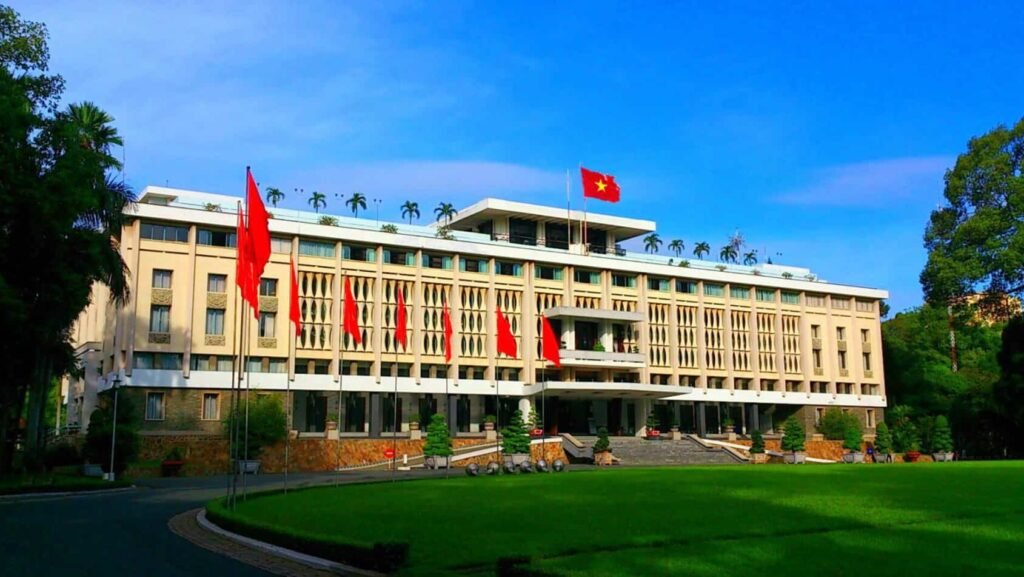
At Saigon Taste Tours, we believe that no journey through Ho Chi Minh City’s cultural and historical sites is complete without exploring the Independence Palace (Dinh Độc Lập). This iconic building, once known as Norodom Palace, has stood as a symbol of political power, national pride, and Vietnam’s turbulent history for more than 150 years.
Before the Independence Palace we see today, there once stood a grand colonial building: Norodom Palace. Construction began in 1868, just one year after the French consolidated power in Cochinchina. French architect Achille-Antoine Hermité designed the palace in a neo-Baroque style, inspired by Italian Baroque architecture of the 16th–17th centuries.
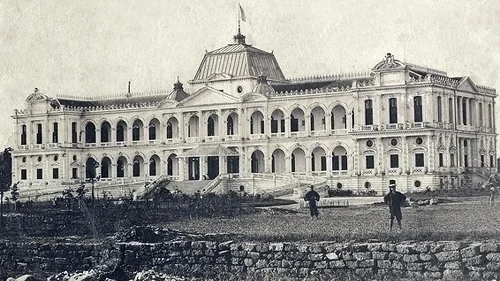
Spanning 12 hectares, the T-shaped palace was built with materials imported directly from France. Its granite base, light yellow walls, and intricate white stone carvings gave it a majestic European appearance. Inside, the main hall had a marble floor, while the reception and ballroom wings overlooked lush gardens.
Completed in 1871, the palace served as the residence and workplace of the Governors of Cochinchina, later becoming the Governor-General’s Palace when French Indochina was established. Over the decades, it witnessed colonial administration, Japanese occupation in 1945, and then French control again until their withdrawal in 1954.
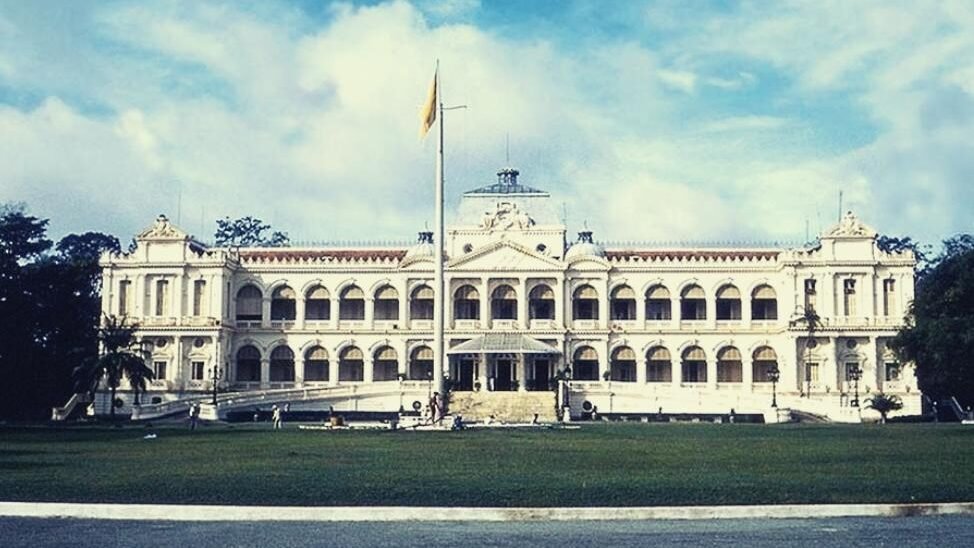
The process of renaming Norodom Palace is documented in File 14611, PTTgQGVN, preserved at the National Archives Center II. The event marked a significant moment in Vietnam’s history: the handover of Norodom Palace from General Commissioner Paul Ély, the French High Commissioner in Indochina, to Prime Minister Ngo Dinh Diem of the National Government of Vietnam.
The Saigon public actively debated what the palace should be called. According to records by Viet Tan Xa, students suggested Chu Van An Palace, artisans preferred Independence Palace, merchants proposed Cong Ly Palace, and the elderly recommended Quang Trung Palace. Ultimately, the name Independence Palace was chosen.
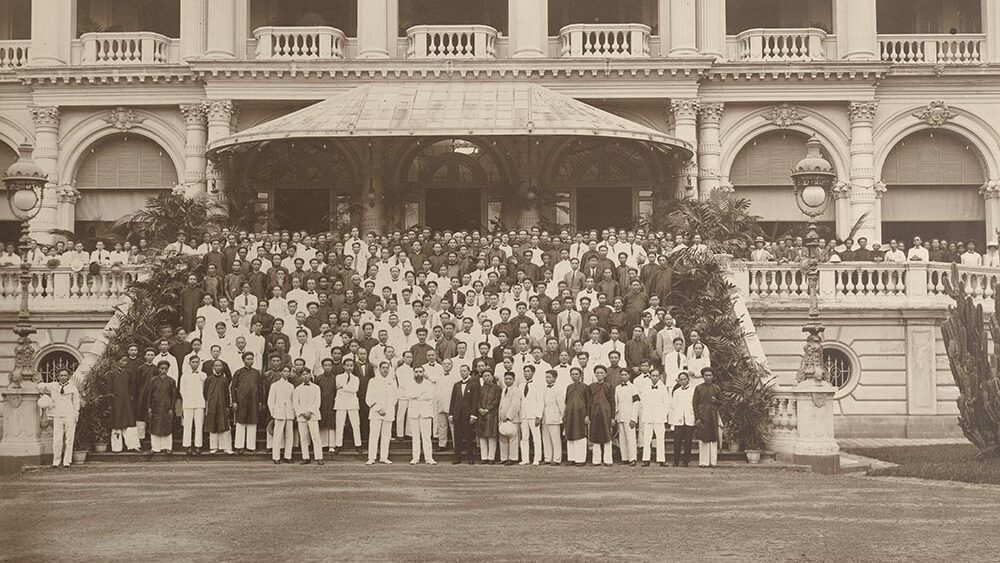
On September 8, 1954, Prime Minister Ngo Dinh Diem officially announced the change from Norodom Palace to Independence Palace. This name was used in all administrative and official documents during the era of the State of Vietnam and later the Republic of Vietnam, cementing the palace’s symbolic role as a representation of national sovereignty and independence.
On November 1, 1963, during a military coup, the Norodom Palace was heavily damaged by bombings. Rather than restore the colonial structure, President Ngo Dinh Diem ordered its demolition and commissioned a new palace designed by the Vietnamese architect Ngô Viết Thụ, the first Asian laureate of the prestigious Grand Prix de Rome in architecture.
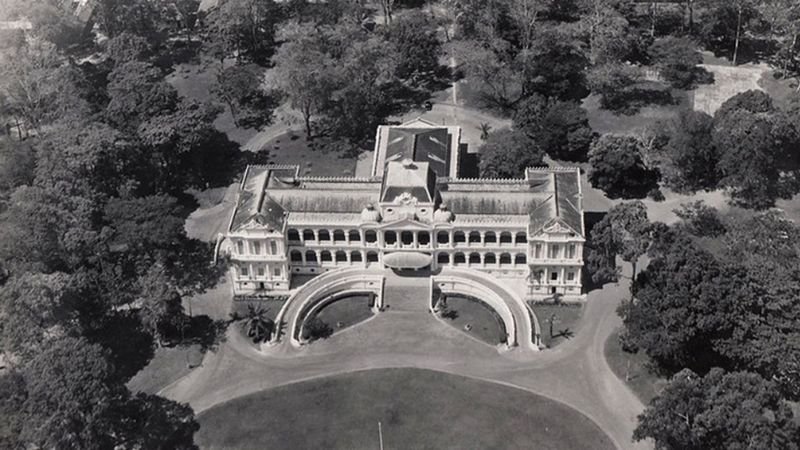
Although Diem envisioned the palace as a modern Vietnamese symbol of sovereignty, he never lived to see its completion. The new Independence Palace was inaugurated in 1966 and became the residence and workplace of the South Vietnamese presidents until the reunification of Vietnam in 1975.
Ngô Viết Thụ’s design sought to merge modern architecture with traditional Eastern philosophy and symbolism. Every detail, from the floor plan to decorative motifs, carries cultural meaning.
The Independence Palace is a masterpiece of cultural symbolism and architectural harmony. Its overall layout forms the Chinese character Cát (吉), representing good fortune, while the upper floor creates the symbol Khẩu (口), promoting freedom of speech and education. Carefully combined architectural lines form Vương (王) and Chủ (主), symbolizing sovereignty and loyalty, and the façade with balconies represents Hưng (興), conveying national prosperity.
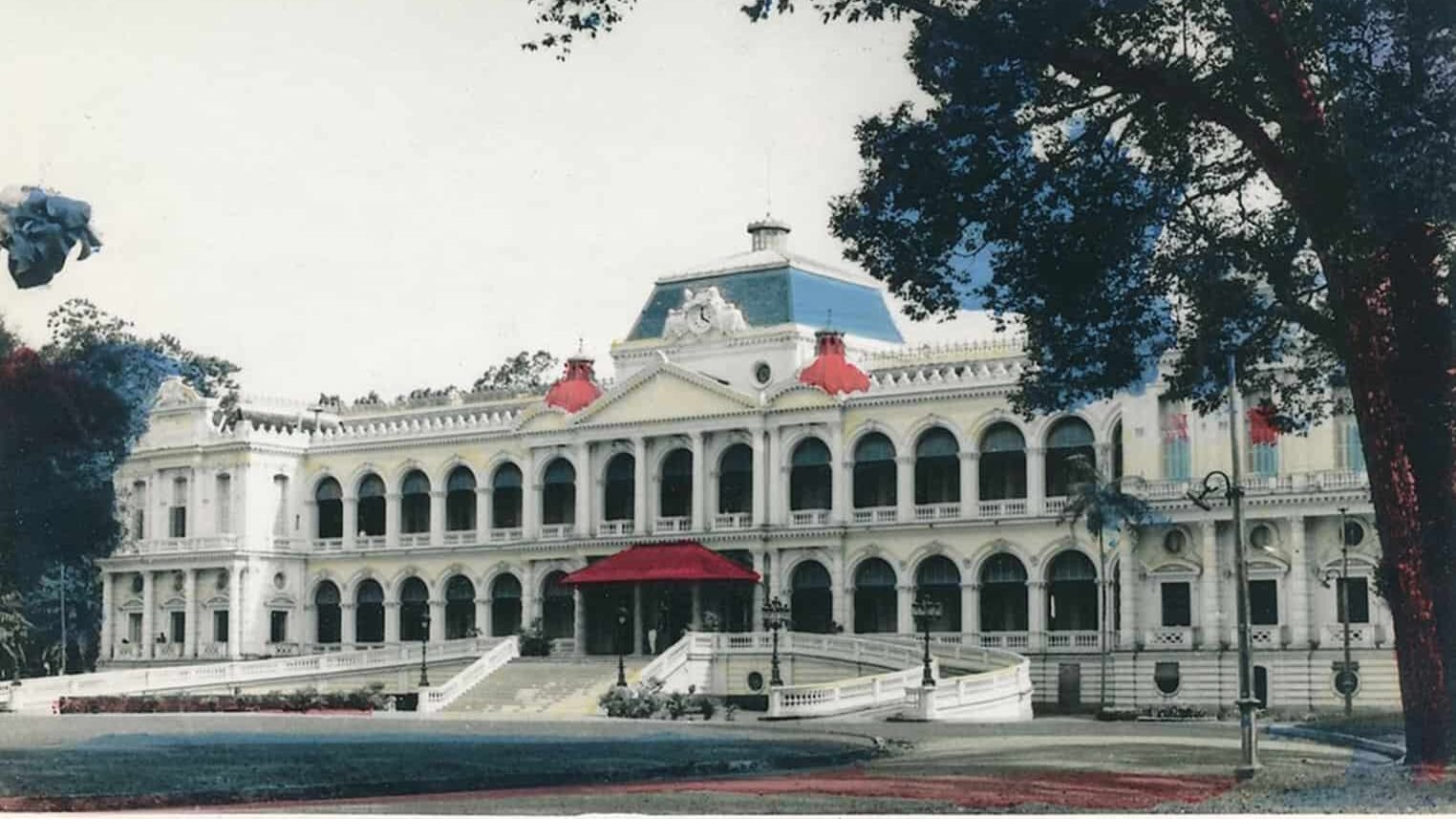
Traditional Eastern influences are evident in the second-floor stone curtain, designed to resemble bamboo joints as seen in Hue’s ancient palaces, filtering sunlight while enhancing aesthetic appeal. The palace grounds feature a vast oval lawn measuring 102 meters in diameter, a semicircular lotus pond evoking temple lakes, and an octagonal pavilion for relaxation.

Inside, the 20,000m² palace houses 95 rooms, each thoughtfully designed for specific functions, ranging from grand reception halls to intimate presidential chambers, blending cultural meaning with practical elegance.

This architectural masterpiece stands not only as a seat of political power but also as a cultural landmark blending Vietnam’s past and present.
Today, the Independence Palace is both a historical site and a museum, offering visitors a journey through Vietnam’s modern history. From the underground war rooms to the grand ceremonial halls, the building tells stories of colonialism, war, independence, and reunification.
Surrounded by tree-lined boulevards—Nam Ky Khoi Nghia, Huyen Tran Cong Chua, Nguyen Thi Minh Khai, and Nguyen Du Streets—the palace is easily accessible from anywhere in the city. Visitors can explore the interiors, stroll through the gardens, or reflect on its historical significance at the iconic front lawn where tanks crashed through the gates on April 30, 1975, marking the end of the Vietnam War.

A visit to the Independence Palace offers travelers a chance to experience one of Vietnam’s most important political and cultural landmarks, where history and architecture come together in remarkable harmony.
Visiting the Independence Palace in Ho Chi Minh City is a must for history and culture enthusiasts. Here’s a complete guide to make your trip smooth and enjoyable:
Enter your email and we will send you the best travel tips content.
4 hours
$55.25 $65.00
4 hours
$33.25 $35.00
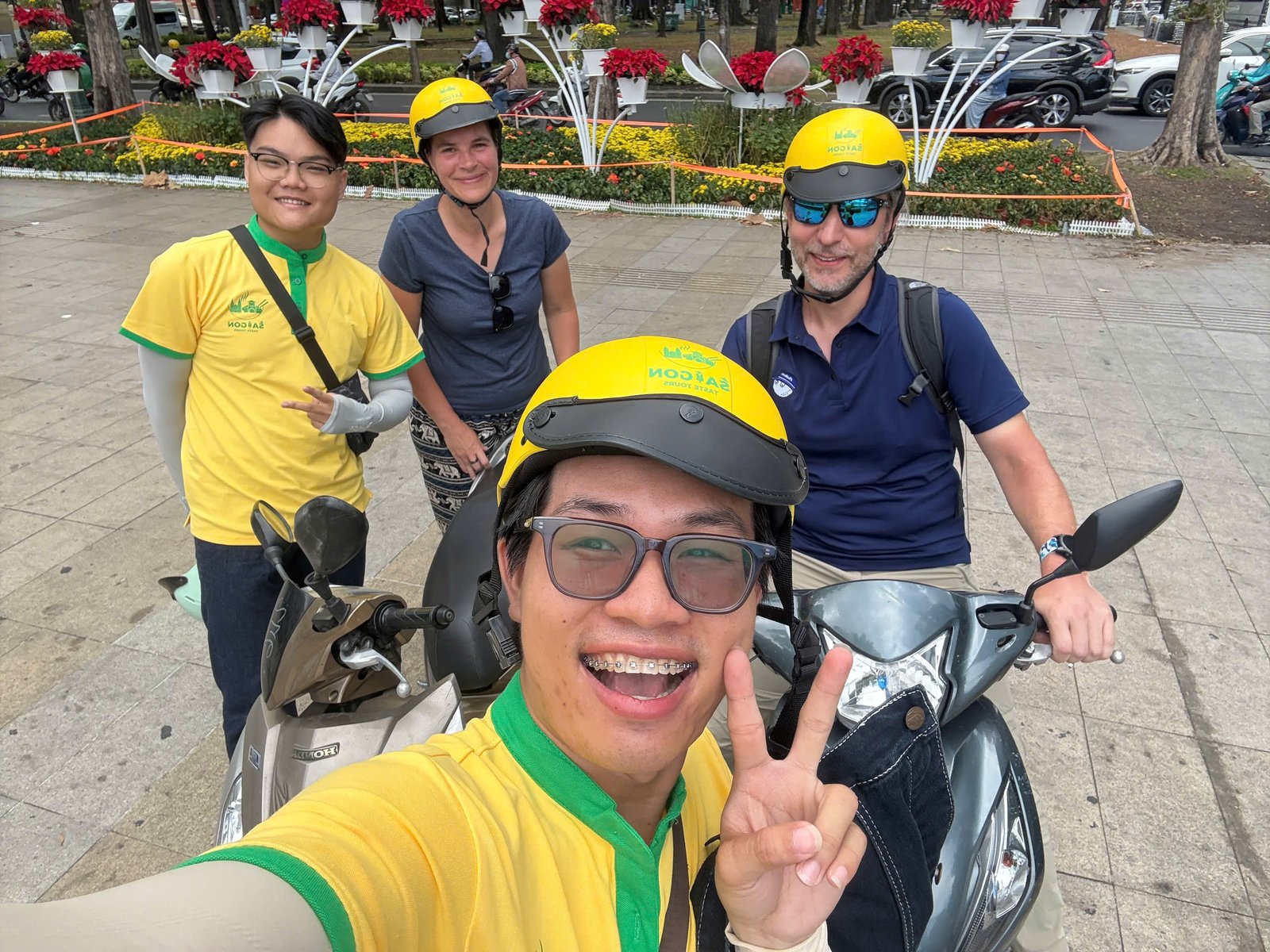
4 hours
$33.25 $35.00
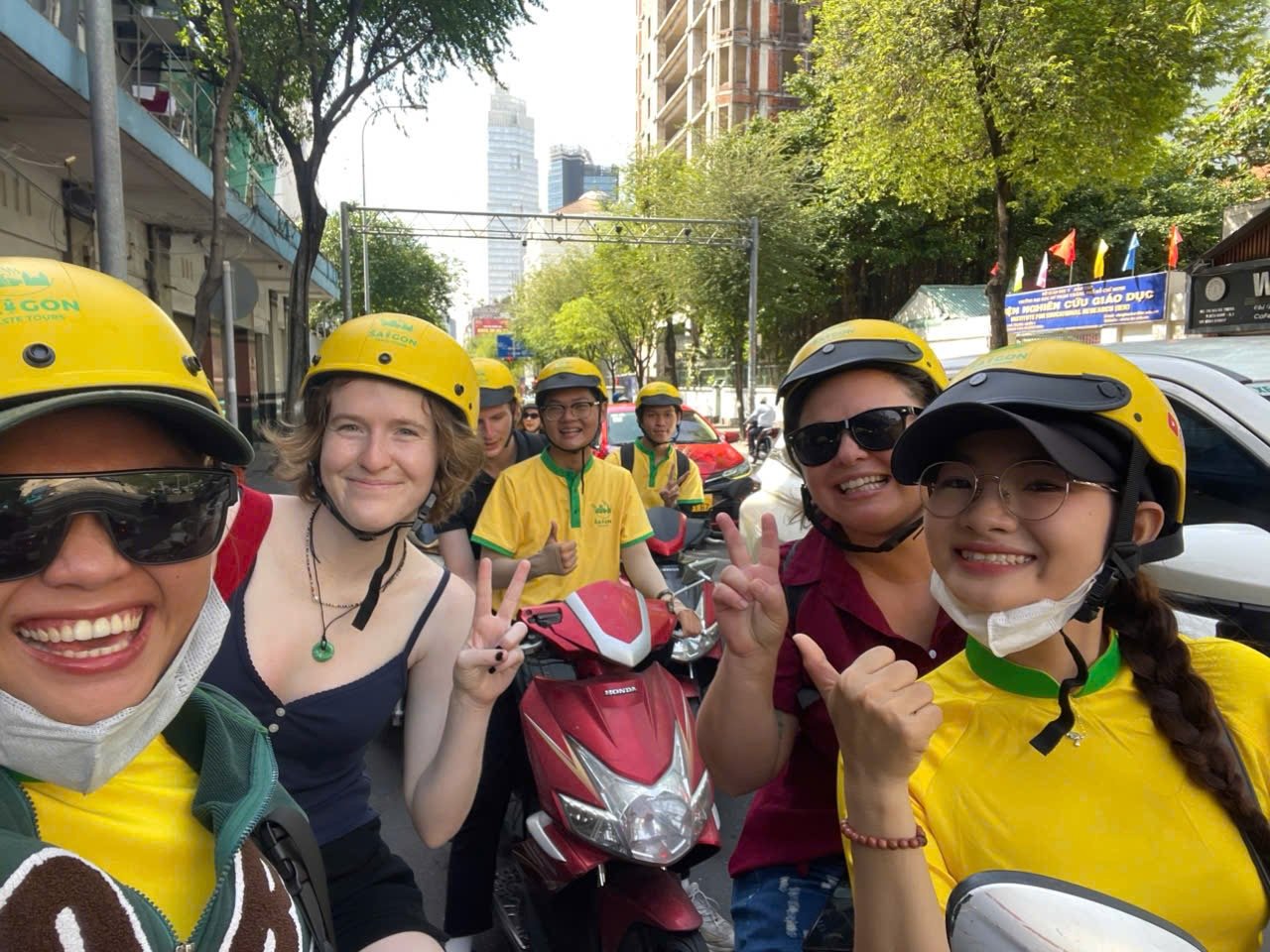
4 hours
$29.45 $31.00

Welcome to SAIGON TASTE Tours! We’re a team of passionate local guides dedicated to sharing the real Saigon and Vietnam through food, culture, and hidden gems. From bustling street food stalls and historic landmarks to outdoor adventures and peaceful nature escapes, our tours are designed to be authentic and unforgettable. Every experience is private and tailored to you, guided by knowledgeable locals who go above and beyond to make you feel like you’re exploring with a friend. With us, you won’t just visit Vietnam — you’ll truly experience it. We can’t wait to welcome you! Best regards, Ben and the SAIGON TASTE Tours
saigontastetours@gmail.com Click to Connect with Us

Leave a Reply