Vietnam On The Move: A Colorful Journey Through The Country’s Transportation Culture
Vietnam is a country in constant motion. From the roaring waves of motorbikes weaving through bustling streets to the modern metro lines slowly reshaping urban life, transportation in Vietnam is far more than simply getting from one destination to another, it is part of the cultural experience itself.
For travelers visiting this fascinating Southeast Asian country, transportation quickly becomes one of the most memorable aspects of the journey. Every city has its own rhythm. In the north, ancient streets overflow with scooters and street vendors. In central Vietnam, bicycles and taxis glide past historic lantern-lit towns. In the south, Ho Chi Minh City pulses with millions of motorbikes creating what seems like organized chaos to first-time visitors.
Whether you are planning your first Vietnam adventure or searching for authentic local experiences, understanding Vietnamese transportation offers a deeper connection to the country’s daily life, history, and evolving future.
In this guide, we will explore the unique transportation culture of Vietnam, from iconic motorbikes and traditional cyclo rides to sleeper buses, trains, ride-hailing apps, and the country’s exciting new metro systems.
Why Transportation Is Part Of The Vietnam Experience
In many countries, transportation feels purely functional. In Vietnam, however, transportation becomes part of the story.
The moment travelers arrive in cities like Ho Chi Minh City or Hanoi, they immediately notice the endless streams of scooters moving like schools of fish through intersections. At first glance, it may appear overwhelming, but locals navigate this flow with incredible awareness and instinct developed over generations.
Vietnam’s transportation system reflects the country’s identity: energetic, adaptive, entrepreneurial, and deeply connected to everyday life. Streets are not just for vehicles; they are extensions of homes, businesses, and communities. Food stalls spill onto sidewalks, coffee shops line busy roads, and every corner tells a different story.
For travelers, embracing local transportation creates opportunities for authentic interactions that typical tourist experiences often miss.
The Reign Of The Motorbike In Vietnam
Why Motorbikes Dominate Vietnamese Streets
Vietnam is a country constantly in motion. From the endless rivers of scooters flowing through busy city streets to the peaceful rhythm of bicycles in ancient towns, transportation in Vietnam is not simply about getting from one place to another, it is part of the country’s identity, lifestyle, and daily culture. For travelers visiting the country for the first time, the transportation system itself often becomes one of the most memorable experiences of the journey.
Whether you are wandering through the energetic streets of Ho Chi Minh City, cruising along the coast by train, or exploring hidden villages in the Mekong Delta, every form of transportation tells a different story about Vietnam. The sounds of motorbike horns, the sight of colorful buses weaving through traffic, and the growing modern skyline surrounding Vietnam’s first metro lines create a fascinating contrast between tradition and rapid development.
In recent years, Vietnam has become one of Southeast Asia’s most exciting travel destinations, and transportation plays a major role in making the country accessible for both local and international visitors. Travelers can experience everything from traditional cyclo rides and overnight sleeper buses to modern ride-hailing apps and urban railway systems. This blend of old and new is exactly what makes transportation in Vietnam so unique.
For visitors who want to truly understand the rhythm of local life, observing how people move through the streets can reveal more about the culture than many tourist attractions. Transportation is deeply connected to Vietnamese food culture, family life, business activities, and even social interactions. In Vietnam, the streets are alive at every hour of the day.
Why Transportation In Vietnam Feels Different From Anywhere Else
One of the first things travelers notice when arriving in Vietnam is the incredible energy of the roads. Traffic may initially seem chaotic, especially in major cities like Ho Chi Minh City and Hanoi, but there is actually an unspoken rhythm that locals understand naturally.
Unlike many Western countries where cars dominate the roads, Vietnam is famously known as the kingdom of motorbikes. Millions of scooters fill the streets every day, creating what many travelers describe as a “moving river” of traffic. It may look overwhelming at first, but surprisingly, traffic often flows more smoothly than expected because Vietnamese drivers are constantly adapting to one another in real time.
Transportation in Vietnam also reflects the country’s history and geography. Narrow streets in old neighborhoods, long coastal roads connecting different regions, and countless rivers in the south have shaped the way people travel for generations. As a result, Vietnam offers travelers an incredibly diverse transportation experience depending on where they go.
In mountainous northern regions, travelers may rely on sleeper buses and winding roads to reach remote destinations. In central Vietnam, scenic train rides reveal stunning coastal landscapes. Meanwhile, southern Vietnam offers unique boat transportation through the Mekong Delta’s floating markets and canal systems.
The Motorbike: Vietnam’s Most Iconic Vehicle
No discussion about transportation in Vietnam would be complete without talking about motorbikes. The scooter is more than just a vehicle here, it is a symbol of Vietnamese daily life.
For many local families, motorbikes are essential for work, school, shopping, and social life. It is common to see entire families riding together on a single scooter, balancing groceries, flowers, or even furniture while navigating busy streets with impressive skill. For international visitors, witnessing this organized chaos can be both shocking and fascinating.
Motorbikes also offer travelers one of the best ways to experience Vietnam authentically. Riding through local neighborhoods allows visitors to discover hidden alleyways, street food stalls, traditional markets, and small cafés that larger vehicles cannot easily access. This close connection between transportation and street culture is part of what makes Vietnam so unforgettable.
In cities like Ho Chi Minh City, scooters dominate nearly every corner of urban life. Morning commuters fill the streets before sunrise, food delivery drivers race through traffic during lunch hours, and nighttime streets remain lively long after midnight. The city never truly feels still.
Motorbike tours have also become increasingly popular among international travelers who want to explore Vietnam beyond traditional tourist routes. Riding through countryside roads, coastal highways, and mountain passes offers a sense of freedom and adventure that few other travel experiences can match.
For travelers interested in local culture, food tours by scooter have become one of the most immersive ways to discover Vietnam. Guests can weave through hidden neighborhoods, stop at authentic local eateries, and experience the city exactly as locals do every day.
Vietnam’s New Metro Era: The Future Of Urban Transportation
While motorbikes continue to define Vietnam’s streets, the country is also entering a new chapter of urban transportation development. The introduction of metro systems represents Vietnam’s ambition to modernize its infrastructure while reducing traffic congestion in rapidly growing cities.
The metro system in Ho Chi Minh City has attracted significant attention from both locals and tourists. For decades, the city relied heavily on motorbikes and buses, but the new metro lines symbolize a shift toward more sustainable and efficient urban travel.
For travelers, the metro offers a completely different perspective of the city. Instead of navigating crowded roads, passengers can enjoy a smoother and more comfortable ride while observing Vietnam’s modern urban transformation. Elevated train lines passing through the city skyline create a striking contrast against traditional street scenes below.
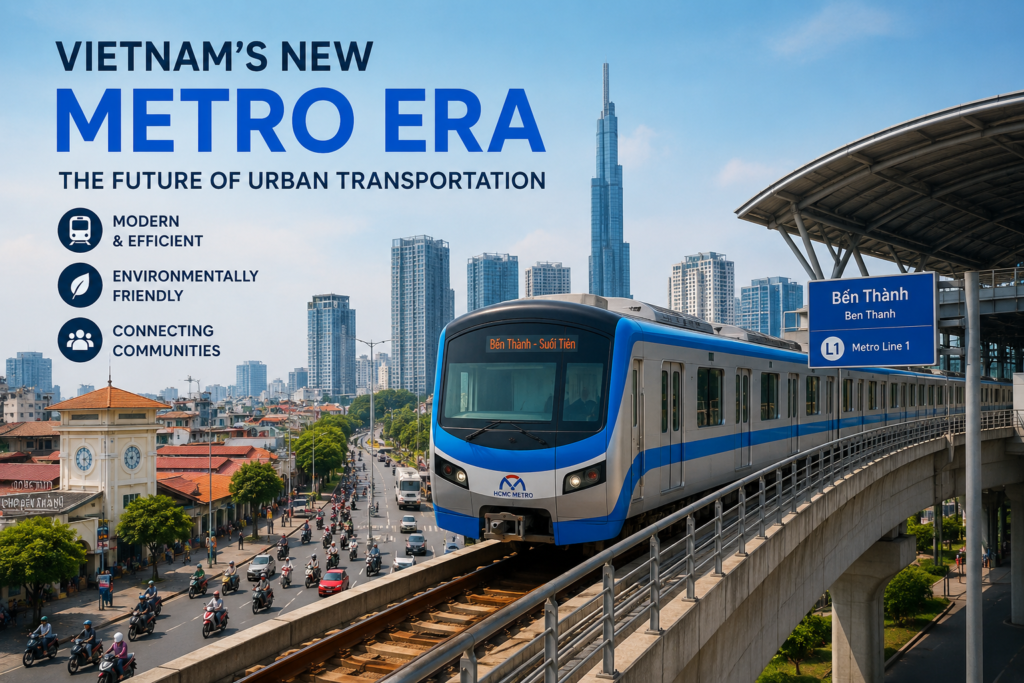
The development of metro transportation also reflects Vietnam’s economic growth and increasing international connectivity. Modern stations, digital ticket systems, and expanding railway networks show how Vietnamese cities are evolving while still maintaining their cultural identity.
This modern transformation creates an interesting balance for visitors. On one side, travelers can experience the timeless charm of street-side coffee shops and crowded scooter-filled roads. On the other side, they can witness a rapidly modernizing nation investing heavily in future transportation systems.
For travel companies and tourism experiences, metro systems may also open new opportunities for easier city exploration. Visitors who are unfamiliar with Vietnam’s busy roads may feel more comfortable using urban rail transportation while still accessing key cultural destinations throughout the city.
Cyclos And Traditional Street Transportation
Before motorbikes became the dominant form of transportation, cyclos were once a common sight across Vietnamese cities. Today, these three-wheeled bicycle taxis remain an iconic cultural symbol and continue attracting travelers seeking a slower, nostalgic way to explore historic districts.
In destinations like Hoi An and Hue, cyclo rides offer visitors a peaceful opportunity to admire ancient architecture, local markets, and riverside scenery at a relaxed pace. Unlike fast-moving scooters, cyclos encourage travelers to slow down and absorb the atmosphere around them.
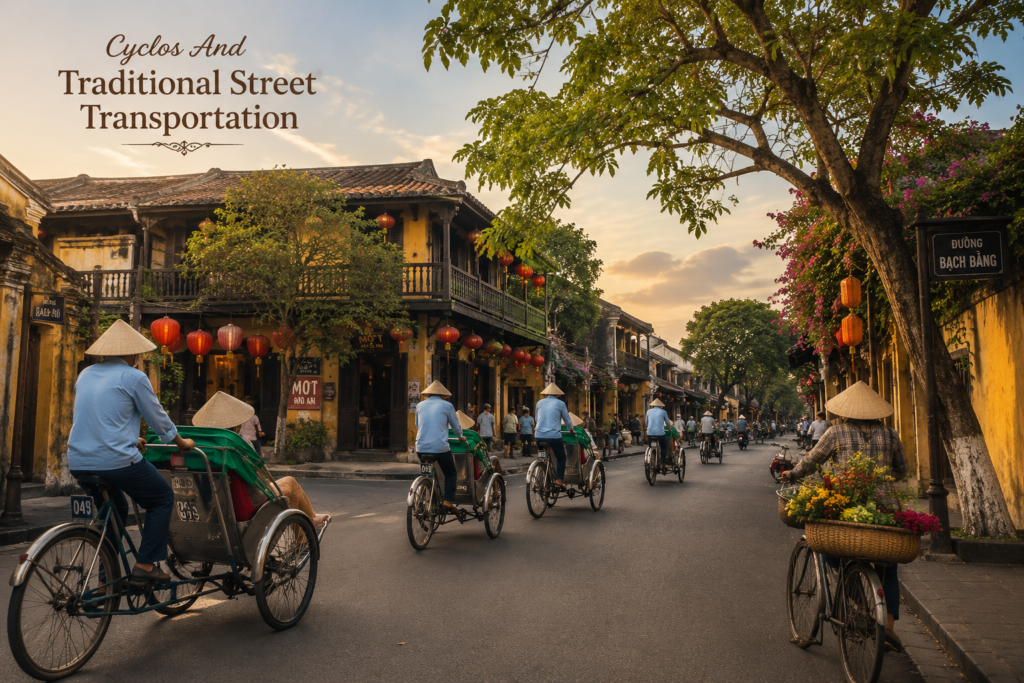
Cyclo drivers are often full of local stories and personal experiences, turning a simple ride into a meaningful cultural interaction. For many tourists, these moments become memorable highlights of their Vietnam journey.
Although modern transportation continues to expand, traditional vehicles like cyclos still play an important role in preserving the cultural charm of Vietnamese tourism. They remind visitors that transportation is not only about efficiency — it can also be about storytelling and connection.
Vietnam’s Sleeper Buses And Long-Distance Travel Adventures
Vietnam’s long, narrow geography makes long-distance transportation essential for both locals and travelers. One of the country’s most famous travel experiences is the overnight sleeper bus system, which connects major cities and tourist destinations from north to south.
For budget-conscious travelers, sleeper buses offer an affordable way to travel across the country while saving on accommodation costs. These buses feature reclining beds instead of traditional seats, allowing passengers to rest during overnight journeys.
Although sleeper buses may feel unusual for first-time visitors, they have become an iconic part of backpacking culture in Vietnam. Travelers often share stories about overnight rides through mountain roads, unexpected roadside stops, and conversations with fellow passengers from around the world.
The sleeper bus experience also reflects Vietnam’s adventurous travel spirit. It may not always be luxurious, but it offers authenticity, spontaneity, and memorable moments that many travelers appreciate.
For those seeking more comfort, limousine buses and private shuttle services have also become increasingly popular. These modern transportation options provide larger seats, onboard Wi-Fi, and smoother travel experiences between major tourist destinations.
Train Travel: Vietnam’s Most Scenic Transportation Experience
For travelers who prefer slower journeys with breathtaking views, train travel remains one of the best ways to explore Vietnam. The country’s railway system stretches along the coastline, connecting major cities while passing through mountains, beaches, and rural landscapes.
The train journey between Da Nang and Hue is especially famous for its spectacular scenery. As the train moves along coastal cliffs and lush green hills, passengers can enjoy panoramic ocean views that are impossible to experience by plane.
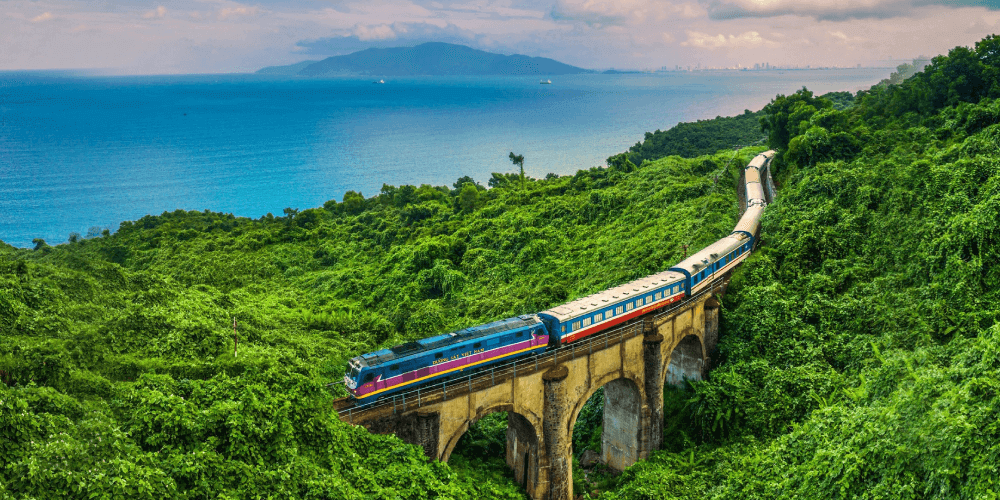
Unlike air travel, trains allow visitors to witness the gradual changes between Vietnam’s northern, central, and southern regions. Travelers can observe shifting landscapes, farming villages, and everyday local life directly from their windows.
Train stations themselves also offer interesting cultural experiences. Vendors selling snacks, families saying emotional goodbyes, and the nostalgic atmosphere of railway travel all contribute to the charm of Vietnam’s train system.
As tourism continues growing, railway travel has become increasingly attractive for visitors seeking a more sustainable and immersive way to explore the country.
Boats And River Transportation In The Mekong Delta
In southern Vietnam, transportation extends far beyond roads and railways. The waterways of the Mekong Delta create an entirely different transportation culture centered around boats and floating markets.
For generations, rivers have served as vital transportation routes for local communities throughout the Mekong region. Even today, many residents continue relying on boats for daily activities including shopping, farming, and commuting.
Travelers visiting the Mekong Delta often discover that life here moves at a slower, more peaceful rhythm compared to Vietnam’s major cities. Wooden boats glide through narrow canals lined with coconut trees, while floating markets create colorful scenes filled with fresh produce and local specialties.
Boat tours allow visitors to experience an authentic side of Vietnam that feels deeply connected to nature and tradition. Transportation here becomes part of the adventure itself rather than simply a means of reaching destinations.
Ride-Hailing Apps And The Convenience Of Modern Travel
Technology has significantly transformed transportation in Vietnam over the past decade. Ride-hailing apps have become extremely popular in cities, offering travelers a convenient and affordable way to move around.
Apps for booking motorbike taxis and private cars have made transportation more accessible for international visitors who may feel nervous about navigating local traffic independently. Digital payment systems, GPS tracking, and transparent pricing help simplify urban travel experiences.
At the same time, these modern services still preserve the local character of Vietnamese transportation. Many visitors enjoy riding on the back of a scooter with a local driver while using modern technology to connect with the experience safely and efficiently.
This combination of tradition and innovation perfectly represents Vietnam’s evolving transportation culture.
Transportation And Food Culture: A Unique Connection
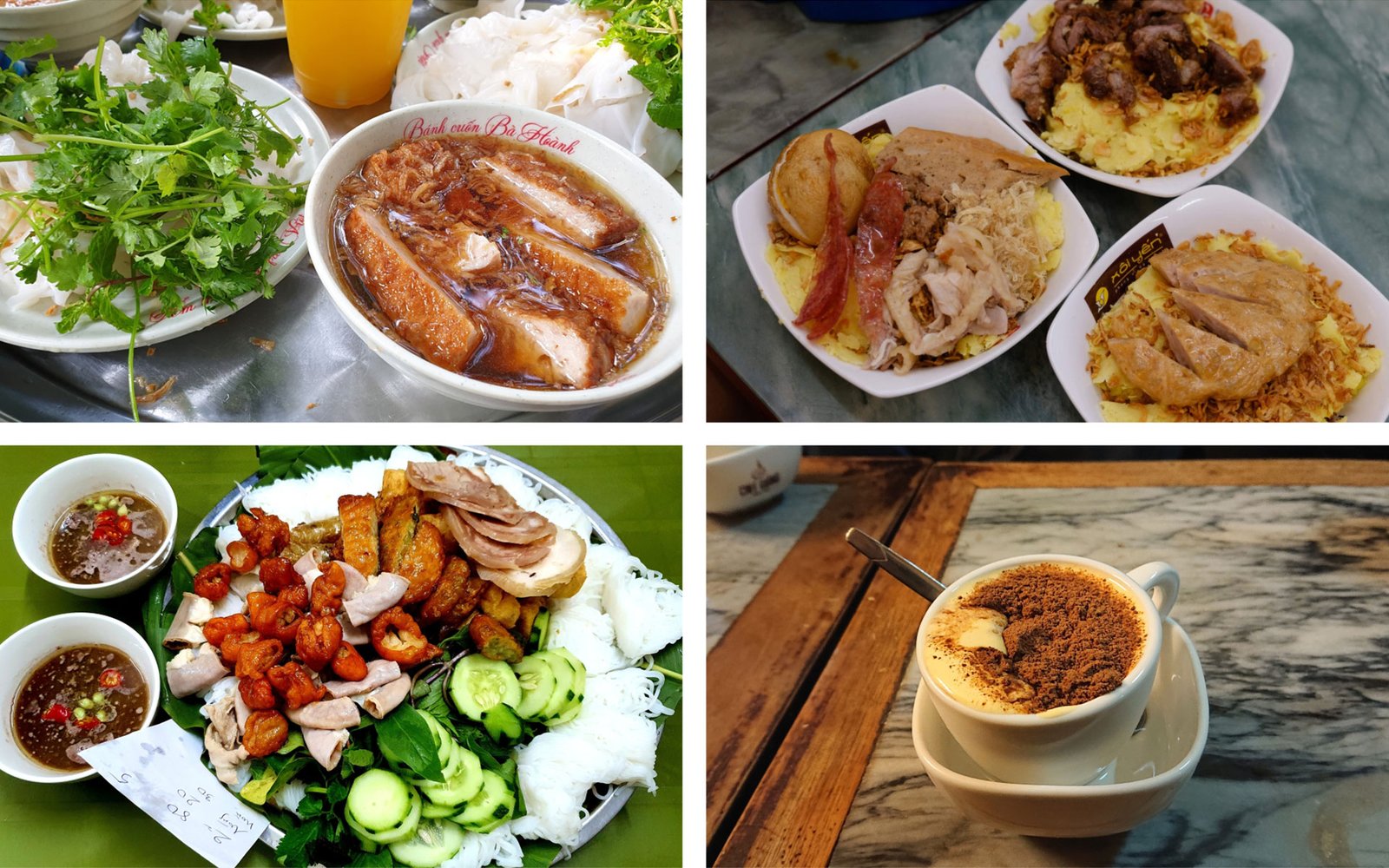
One fascinating aspect of transportation in Vietnam is its close relationship with food culture. Streets filled with scooters are also filled with incredible aromas from street food vendors preparing meals throughout the day.
Many of Vietnam’s best local eateries are hidden deep inside narrow alleyways that larger vehicles cannot easily access. This is why scooters have become essential for food tours and culinary exploration.
Travelers often discover that riding through the city on a motorbike creates opportunities to experience authentic local cuisine in ways that traditional sightseeing cannot offer. Quick stops at roadside noodle shops, hidden coffee houses, and late-night seafood stalls become unforgettable travel memories.
Transportation in Vietnam is therefore not only about movement, it is deeply connected to social life, local traditions, and culinary discovery.
How Transportation Shapes Vietnam’s Tourism Experience
Transportation has become one of the defining elements of traveling in Vietnam. Unlike destinations where transportation feels purely functional, Vietnam transforms everyday commuting into something culturally fascinating.
Visitors are not simply observing transportation here, they are actively participating in the country’s rhythm and energy. Whether crossing busy streets filled with scooters, taking a cyclo through ancient towns, or riding boats through the Mekong Delta, transportation becomes part of the travel story itself.
As Vietnam continues modernizing with metro systems and infrastructure development, the country still maintains the lively street culture that makes it so unique. This balance between old and new creates an exciting atmosphere for travelers seeking authentic experiences.
For many visitors, some of their strongest memories of Vietnam are not limited to famous landmarks or attractions. Instead, they remember the feeling of weaving through city streets on a scooter, hearing train whistles near coastal mountains, or drifting quietly through river canals at sunrise.
Final Thoughts: Discover Vietnam Through Its Transportation Culture
Transportation in Vietnam is far more than a practical necessity. It reflects the country’s history, culture, energy, and constant transformation. From iconic motorbikes and nostalgic cyclo to modern metro systems and scenic train journeys, every vehicle offers a different perspective on Vietnamese life.
For travelers looking to experience Vietnam authentically, paying attention to how locals move through their cities and communities can reveal the true heartbeat of the country. Transportation connects people, food, neighborhoods, traditions, and unforgettable travel moments together in one continuous story.
Whether you are exploring bustling urban streets or peaceful countryside rivers, Vietnam’s transportation culture invites you to become part of the journey rather than simply observing it from a distance.
And if you truly want to experience the soul of Saigon through its streets, flavors, and local lifestyle, there is no better way than exploring the city like a local.
Come explore the real Saigon with us at Saigon Taste Tours, where you don’t just see the city, you taste it.
Book your next adventure today and discover Vietnam beyond the guidebooks through unforgettable local experiences, hidden food spots, and authentic street culture waiting around every corner.
Discover the city beyond the tourist spots with Saigon Taste Tours. Come explore the real Saigon with us – where you don’t just see the city, you taste it.
For custom itineraries and group bookings, pricing depends on group size. Contact Ben via WhatsApp: +84 383 624 632. If you have any questions, please don’t hesitate to ask.We are looking forward to showing you around our lovely country!
Book your experience today and discover Vietnam like a local!

Saigon Taste Tours team
Welcome to SAIGON TASTE Tours! We’re a team of passionate local guides dedicated to sharing the real Saigon and Vietnam through food, culture, and hidden gems. From bustling street food stalls and historic landmarks to outdoor adventures and peaceful nature escapes, our tours are designed to be authentic and unforgettable. Every experience is private and tailored to you, guided by knowledgeable locals who go above and beyond to make you feel like you’re exploring with a friend. With us, you won’t just visit Vietnam — you’ll truly experience it. We can’t wait to welcome you! Best regards, Ben and the SAIGON TASTE Tours
saigontastetours@gmail.com Click to Connect with Us
Leave a Reply