Discover 15-Day Majestic & Unique Vietnam Journey
Vietnam is a destination where ancient traditions, breathtaking landscapes, vibrant street life, and unforgettable cuisine come together in one extraordinary journey. From the bustling old quarters of Hanoi to the peaceful rice terraces of Sapa, from the emerald waters of Ha long Bay to the lantern-lit streets of Hoi An, every region of Vietnam offers travelers something completely different.
For travelers seeking a deeper and more immersive experience, a 15-days Vietnam itinerary is one of the best ways to truly understand the country beyond the typical tourist attractions. This carefully designed journey combines culture, nature, local life, history, and authentic culinary experiences into one unforgettable adventure.
Whether you are dreaming of cruising through limestone karsts, exploring hidden mountain villages, discovering imperial history, or tasting world-famous Vietnamese street food, this Majestic & Unique Vietnam Journey offers the perfect balance between iconic highlights and lesser-known local experiences.
Why Choose a 15-Day Vietnam Journey?
Vietnam stretches over 1,600 kilometers from north to south, meaning every region has its own climate, culture, cuisine, and atmosphere. Spending only a few days in the country often means rushing through destinations without truly experiencing them.
A 15-days journey allows travelers to slow down and appreciate Vietnam more meaningfully. You can spend time wandering through ancient neighborhoods, meeting local ethnic communities, learning about traditional crafts, enjoying scenic train rides, and tasting regional dishes that differ dramatically between northern, central, and southern Vietnam.
This itinerary is especially ideal for travelers seeking a well-balanced journey that combines cultural immersion, breathtaking natural scenery, authentic local cuisine, historical exploration, and unique off-the-beaten-path experiences without feeling overly rushed.
Over the course of 15 unforgettable days, travelers will have the opportunity to discover the incredible diversity of Vietnam, from the ancient charm of Hanoi and the majestic mountain landscapes of Sapa to the emerald waters of Halong Bay and the lantern-lit streets of Hoi An.
Beyond visiting famous landmarks, this journey also allows visitors to experience the daily rhythm of local life, interact with ethnic minority communities, explore traditional villages, and enjoy regional dishes that reflect the rich culinary heritage of each destination. Historical sites such as Hue’s Imperial City and colonial architecture in Ho Chi Minh City offer deeper insight into Vietnam’s fascinating past, while hidden local experiences throughout the itinerary create meaningful memories beyond typical tourist routes.
With a comfortable pacing designed to allow both exploration and relaxation, travelers can fully appreciate each destination rather than rushing from place to place. Throughout the journey, Vietnam continuously reveals its unique blend of tradition, modernity, nature, and culture, making it one of the most captivating and rewarding destinations in Southeast Asia.
Day 1 – Arrival In Hanoi: First Impressions Of Vietnam
Your adventure begins in Hanoi, the charming capital city of Vietnam. Upon arrival at Noi Bai International Airport, travelers are welcomed by the lively energy of the city where French colonial architecture, ancient temples, buzzing motorbikes, and traditional street vendors coexist beautifully.
After checking into your hotel, the rest of the day is perfect for relaxing after your international flight or taking your first gentle walk around the historic Old Quarter. Hanoi’s streets are full of life from morning until late evening, creating a sensory experience unlike anywhere else in the world.
As you stroll through the narrow alleys, you will notice tiny local cafés serving traditional Vietnamese coffee, street food vendors grilling skewers over charcoal, and locals sitting on small plastic stools enjoying bowls of steaming pho.
One of the best ways to spend your first evening is around Hoan Kiem Lake, considered the cultural heart of Hanoi. The peaceful lake offers a relaxing contrast to the busy streets surrounding it. Nearby, travelers can discover the famous Night Market, local art shops, and traditional performances.
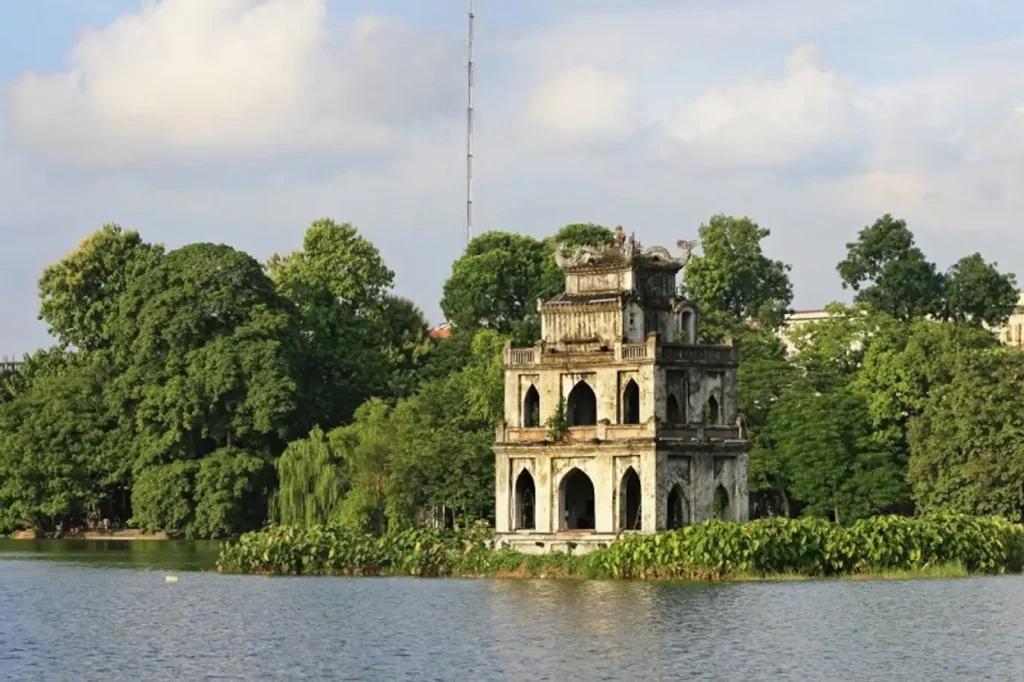
The first day in Hanoi offers an exciting introduction to Vietnam’s unique rhythm of life.
Day 2 – Hanoi City Tour: Discovering Vietnam’s Cultural Soul
Your second day focuses on exploring the rich history and cultural heritage of Hanoi. The city is over 1,000 years old and has played a central role throughout Vietnam’s history.
The morning typically begins with a visit to Ho Chi Minh Mausoleum, where visitors can learn about the life of Vietnam’s revolutionary leader. Nearby attractions such as the Presidential Palace and the One Pillar Pagoda provide deeper insight into the nation’s political and spiritual history.
Another important highlight is the Temple of Literature, Vietnam’s first national university founded in the 11th century. Walking through its peaceful courtyards and ancient architecture gives travelers a glimpse into the country’s scholarly traditions.
In the afternoon, travelers can explore the fascinating Old Quarter more deeply. Each street historically specialized in different trades, many of which still remain active today. The atmosphere is vibrant, chaotic, and endlessly photogenic.
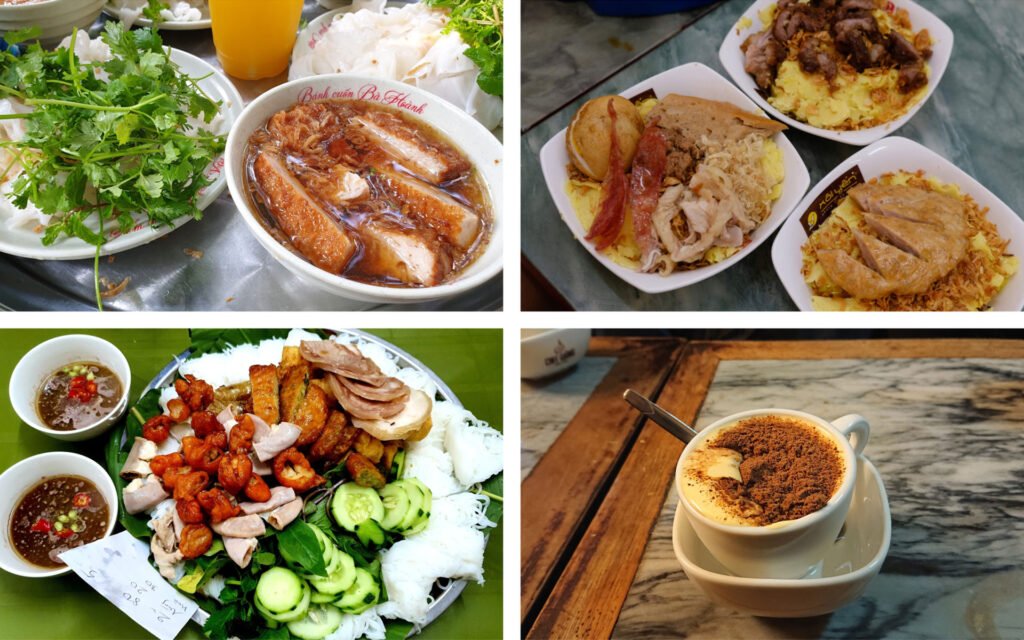
Food also plays an essential role in the Hanoi experience, as the city is widely recognized as one of Asia’s greatest street food destinations. Walking through the bustling streets of the Old Quarter, travelers will discover countless local eateries and hidden food stalls serving some of Northern Vietnam’s most iconic dishes.
From a steaming bowl of Pho Bo enjoyed early in the morning to the smoky flavors of Bun Cha grilled over charcoal, Hanoi’s cuisine reflects the city’s rich culinary heritage and local traditions. Visitors can also try delicate Banh Cuon, freshly made rice rolls filled with savory ingredients, or enjoy the famous Cha Ca, a flavorful turmeric-marinated fish dish that has become a symbol of Hanoi cuisine.
No culinary journey in the capital would be complete without tasting Egg Coffee, a uniquely Vietnamese specialty that perfectly combines rich coffee with creamy whipped egg foam. In many ways, experiencing Hanoi through its food is just as important as exploring its historical landmarks, as every dish tells a story about the city’s culture, history, and everyday local life.
Day 3 – Hanoi To Sapa: Journey Into Vietnam’s Mountain Landscapes
Leaving behind the bustling capital, travelers head north toward Sapa, one of Vietnam’s most spectacular mountain destinations.
The journey itself is part of the experience. As the scenery gradually transforms into rolling hills and mist-covered mountains, travelers begin to see a completely different side of Vietnam.
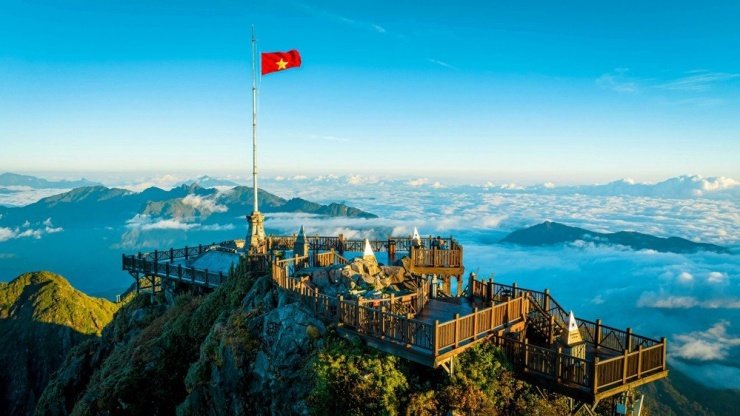
Located near the Chinese border, Sapa is famous for its breathtaking rice terraces, cool climate, and diverse ethnic minority communities. Upon arrival, the atmosphere feels dramatically different from Hanoi. The air is fresher, the pace slower, and the surrounding mountains create an incredible natural backdrop.
In the evening, travelers can explore Sapa Town, enjoy mountain cuisine, and admire the peaceful scenery surrounding the valley.
Day 4 – Sapa Trekking Experience & Ethnic Villages
This day is dedicated to discovering the stunning landscapes and local culture of Sapa through trekking experiences.
Walking through terraced rice fields is one of the most unforgettable activities in northern Vietnam. Depending on the season, the terraces change colors dramatically, vibrant green during planting season and golden yellow during harvest months.
Travelers often visit villages inhabited by ethnic groups such as the Hmong, Dao, and Tay people. These communities maintain traditional lifestyles, colorful clothing, and unique customs that have been preserved for generations.
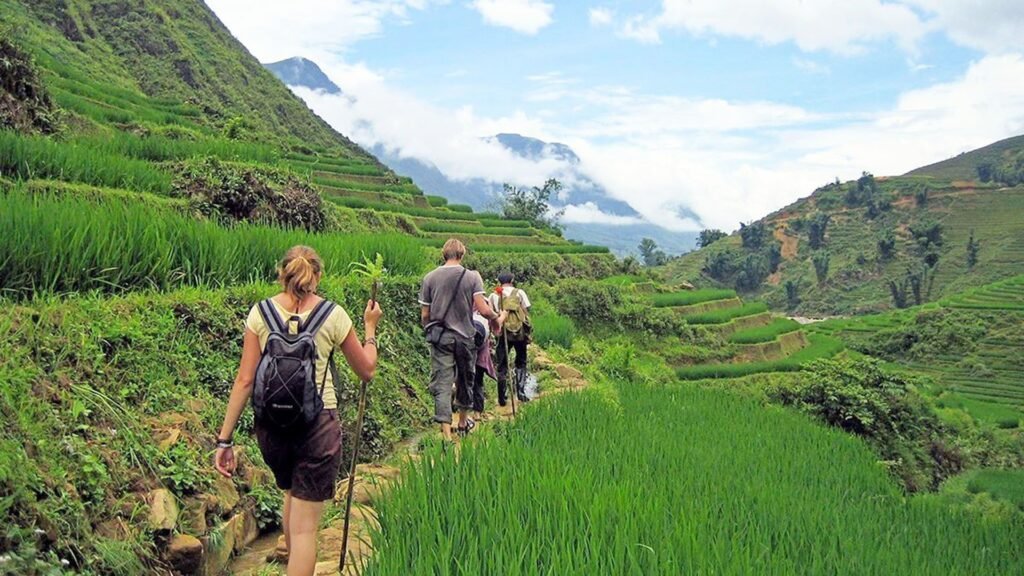
Unlike crowded tourist attractions, these villages offer a more authentic perspective on rural Vietnamese life. Along the trekking routes, travelers encounter water buffaloes, bamboo houses, mountain streams, and panoramic valley views.
The experience in Sapa is not simply about sightseeing; it is about slowing down and connecting with nature and local culture.
Day 5 – Return To Hanoi & Overnight Train Experience
After breakfast, travelers begin their journey back from Sapa toward Hanoi, leaving behind the peaceful mountain landscapes and ethnic villages of northern Vietnam. For many visitors, one of the most memorable parts of this journey is the overnight train experience between Lao Cai and Hanoi, which offers a unique and authentic way to travel through the country.
Unlike modern flights, Vietnam’s sleeper trains provide a slower and more nostalgic atmosphere, allowing travelers to relax comfortably while watching the changing countryside scenery pass by outside the window.
The rhythmic movement of the train, combined with views of rural villages, rice fields, and distant mountains, creates a travel experience that feels both peaceful and unforgettable. Upon arriving back in Hanoi, travelers can enjoy a relaxing evening exploring the city at their own pace, preparing for the next exciting destination in this remarkable Vietnam journey.
Day 6 – Ha Long Bay Cruise: Vietnam’s Natural Wonder
No Vietnam itinerary is complete without visiting Ha Long Bay, one of the country’s most iconic destinations and a UNESCO World Heritage Site.
Known for its emerald waters and towering limestone islands, Ha Long Bay looks almost surreal. Thousands of rocky formations rise dramatically from the sea, creating one of Southeast Asia’s most breathtaking landscapes.
Travelers board a traditional cruise ship and begin sailing through the bay while enjoying spectacular panoramic views. The peaceful atmosphere of Ha Long Bay feels completely different from the busy cities visited earlier in the trip.
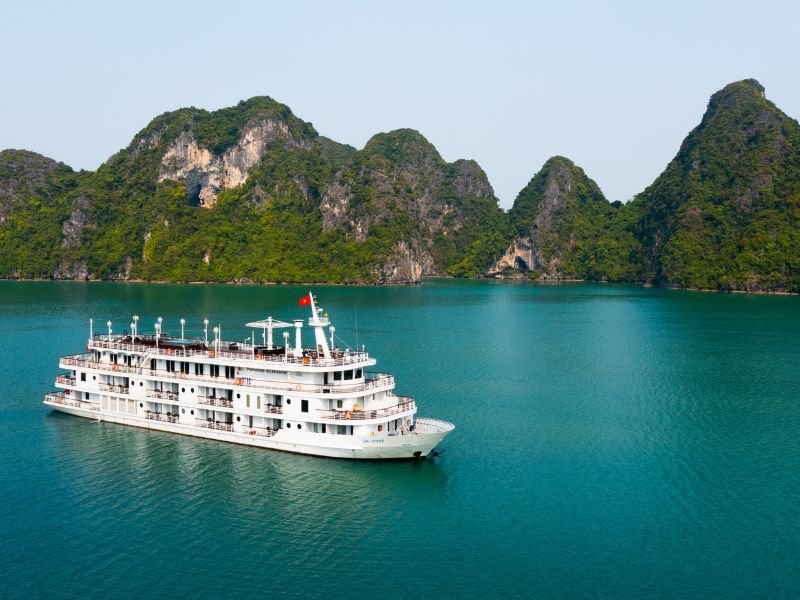
During the Ha Long Bay cruise, travelers can enjoy a variety of unforgettable activities that allow them to fully experience the bay’s extraordinary natural beauty. Kayaking through hidden lagoons offers a peaceful way to explore secluded corners surrounded by towering limestone formations, while visits to impressive limestone caves reveal stunning rock formations shaped over thousands of years.
Travelers may also have the opportunity to visit floating fishing villages, where local communities continue to live and work on the water using traditional methods passed down through generations. For those looking to relax, swimming in the calm waters near quiet beaches provides a refreshing escape surrounded by breathtaking scenery.
As the day comes to an end, one of the most magical moments of the cruise is watching the sunset over Halong Bay, when the golden light reflects across the emerald waters and creates an unforgettable atmosphere unlike anywhere else in Vietnam.
Day 7 – Halong Bay To Hue: Entering Imperial Vietnam
After enjoying a peaceful morning cruising through the stunning landscapes of Ha long Bay, travelers continue their journey south to Hue, Vietnam’s former imperial capital and one of the country’s most historically rich destinations. Unlike the energetic pace of Hanoi or the modern vibrancy of Ho Chi Minh City, Hue offers a calmer and more elegant atmosphere deeply connected to Vietnam’s royal past.
As the political and cultural center during the Nguyen Dynasty, the city preserves centuries of imperial history through its ancient citadels, royal tombs, temples, and traditional architecture. Flowing gently through the heart of the city, the famous Perfume River adds a peaceful charm to the surrounding scenery, perfectly complementing Hue’s timeless beauty and refined cultural heritage.
Day 8 – Hue Imperial City & Royal Heritage
Hue is a paradise for travelers interested in Vietnamese history and architecture. The highlight of the city is the Imperial City, a vast complex of palaces, temples, gates, and courtyards that once housed Vietnam’s emperors.
Walking through the ancient citadel allows travelers to imagine the grandeur of Vietnam’s imperial era. Although parts were damaged during wars, restoration efforts continue to preserve this incredible historical site.
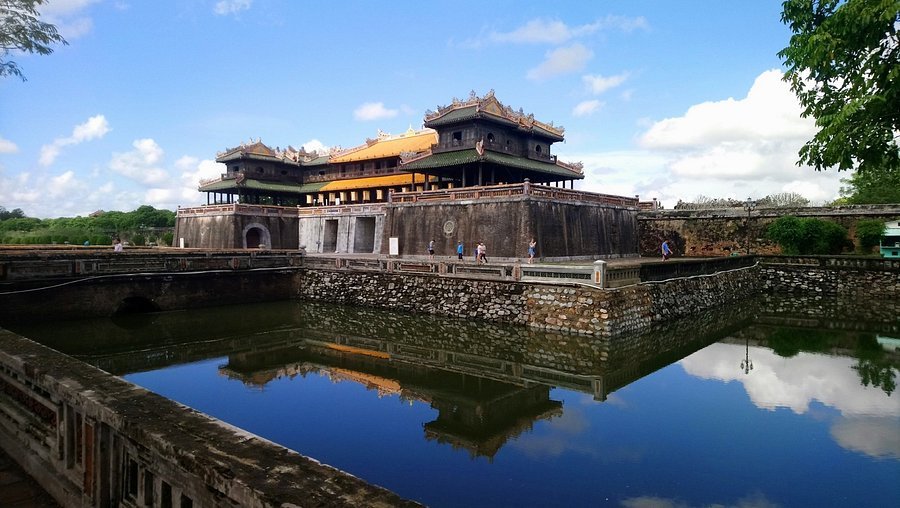
Travelers may also visit royal tombs scattered around the countryside. Each tomb reflects different architectural styles and philosophies of Vietnam’s former emperors.
Hue is also famous for its refined cuisine. Unlike the bold street food flavors of Hanoi, Hue cuisine is elegant, artistic, and deeply connected to royal traditions.
Day 9 – Scenic Journey From Hue To Hoi An
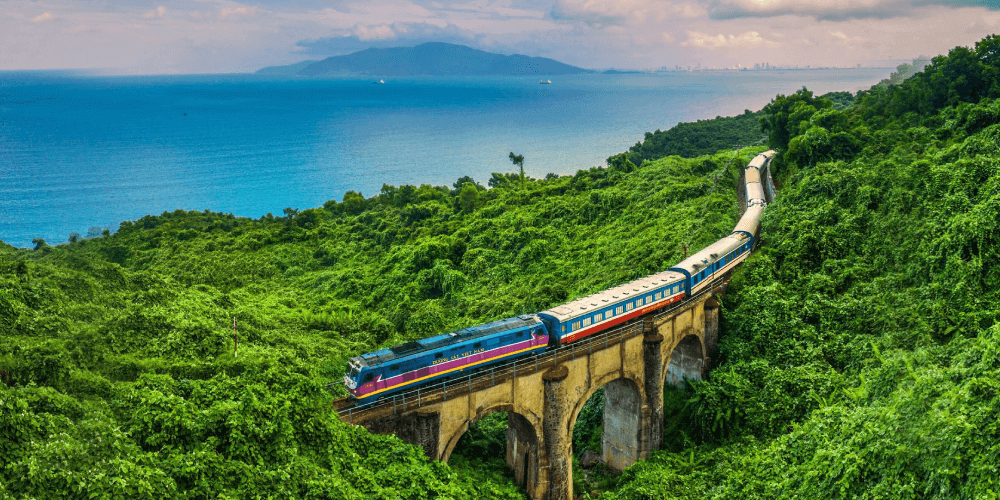
The journey from Hue to Hoi An is widely regarded as one of the most breathtaking coastal routes in Vietnam, offering travelers spectacular scenery throughout the drive. Along the way, visitors cross the legendary Hai Van Pass, a dramatic mountain road where lush green peaks meet the sparkling coastline below.
The winding route provides stunning panoramic views of the ocean, secluded beaches, and rolling mountains, making it a favorite destination for photographers and nature lovers alike. Every turn along the pass reveals another incredible landscape, creating a scenic travel experience that becomes one of the unforgettable highlights of the entire Vietnam journey.
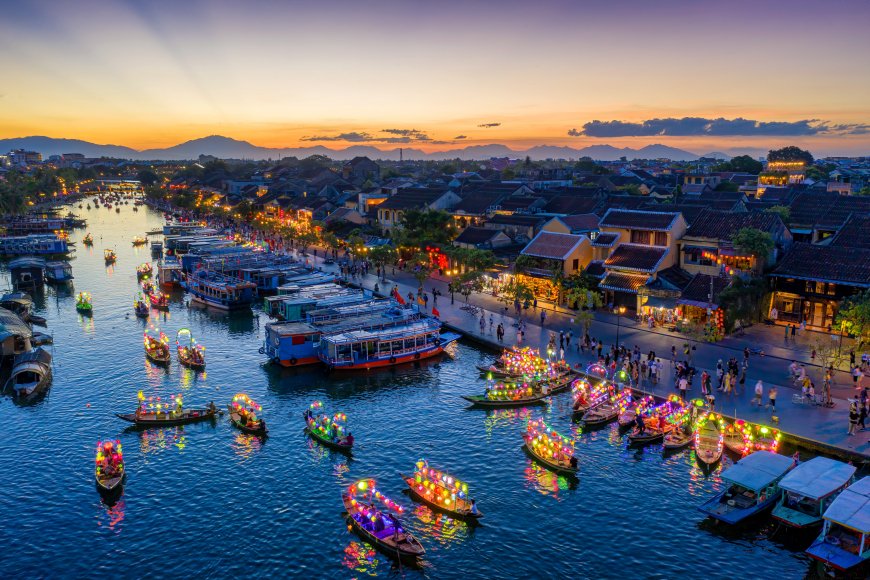
Upon arriving in Hoi An, travelers immediately notice the town’s magical atmosphere. Lanterns decorate the ancient streets, yellow colonial buildings line the riverside, and bicycles slowly pass through quiet alleys. Hoi An feels timeless.
Day 10 – Hoi An Ancient Town & Local Culture
Hoi An is one of Vietnam’s most beloved destinations because it combines history, architecture, cuisine, and romance in a uniquely charming way.
The ancient town is recognized as a UNESCO World Heritage Site and preserves influences from Vietnamese, Chinese, Japanese, and European trading cultures.
Walking through the lantern-lit streets is one of the most memorable experiences in Vietnam. Travelers can visit ancient merchant houses, local tailor shops, riverside cafés, and historic assembly halls.
Hoi An is not only admired for its ancient architecture and romantic atmosphere, but also for its exceptional culinary scene that reflects the rich cultural influences of the region. Walking through the lantern-lit streets, travelers can discover countless local eateries and traditional family-run restaurants serving some of Central Vietnam’s most iconic dishes.
One of the most famous specialties is Cao Lau, a flavorful noodle dish unique to Hoi An, known for its chewy noodles, fresh herbs, and savory pork. Visitors can also try the delicate White Rose Dumplings, beautifully handcrafted rice dumplings filled with shrimp, as well as Mi Quang, a vibrant turmeric noodle dish packed with herbs, peanuts, and local flavors.
No visit to Hoi An would be complete without tasting the city’s famous Banh Mi, widely considered one of the best sandwiches in Vietnam thanks to its crispy baguette, rich fillings, and perfectly balanced flavors. Exploring Hoi An through its food offers travelers a deeper connection to the town’s history, culture, and daily local life.
Many travelers also enjoy joining cooking classes or lantern-making workshops to gain a deeper cultural experience.
Day 11 – Flight To Ho Chi Minh City
The journey now continues south toward Ho Chi Minh City, Vietnam’s largest and most energetic metropolis.
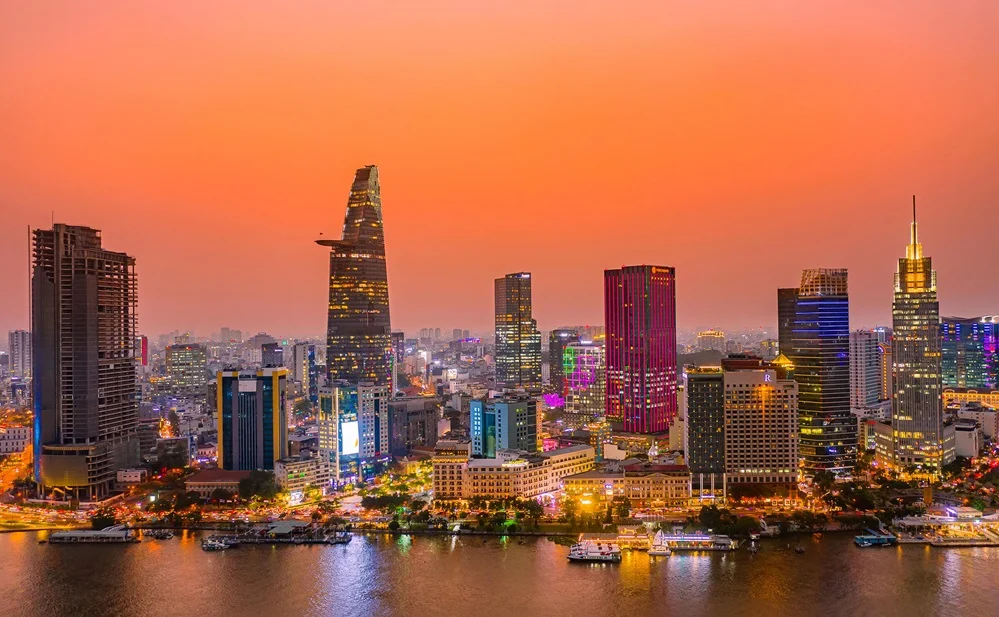
Formerly known as Saigon, the city offers a completely different atmosphere compared to Hanoi. Modern skyscrapers rise beside colonial landmarks, luxury cafés stand next to traditional street food stalls, and the pace of life feels incredibly dynamic.
The city represents Vietnam’s rapid modernization while still preserving elements of its fascinating history.
Day 12 – Ho Chi Minh City Tour & Street Food Adventure
Exploring Ho Chi Minh City is an unforgettable sensory experience where modern energy, rich history, vibrant culture, and incredible cuisine come together in one dynamic destination.
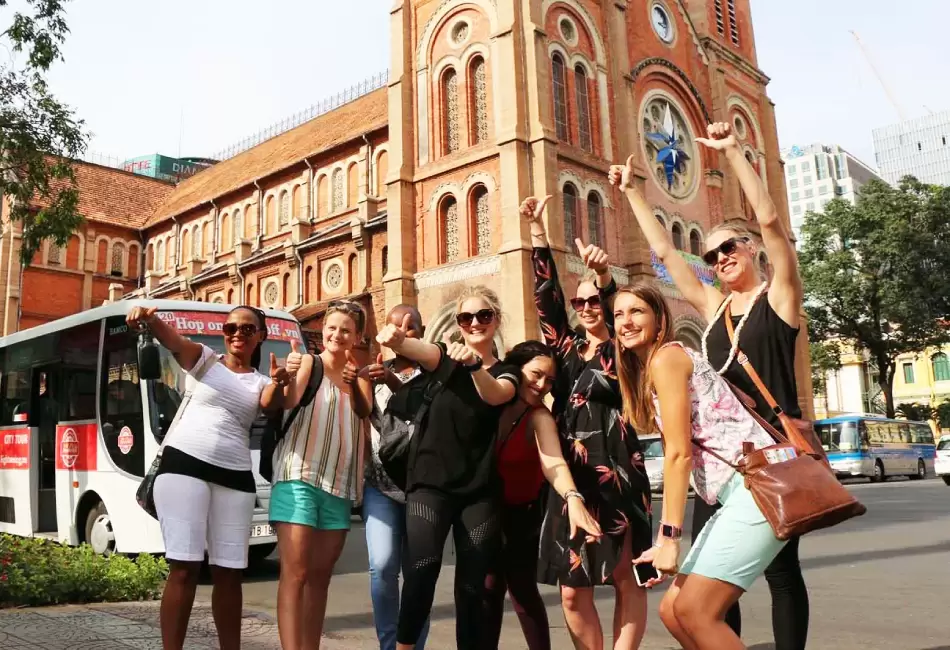
Throughout the city, travelers can discover some of Saigon’s most iconic landmarks, including the bustling Ben Thanh Market, the historic Notre-Dame Cathedral Basilica of Saigon, the beautifully preserved Saigon Central Post Office, and the thought-provoking War Remnants Museum, each offering a deeper understanding of the city’s fascinating past and cultural identity.
Beyond its famous attractions, Ho Chi Minh City is also considered one of Vietnam’s ultimate destinations for food lovers. The city’s vibrant street food culture is woven into everyday local life, with endless food stalls, hidden alleys, and bustling markets serving everything from traditional noodle dishes and grilled seafood to fresh tropical desserts and authentic Vietnamese coffee.
Walking through the lively streets of Saigon allows travelers to experience the true heartbeat of the city through its flavors, aromas, and energetic atmosphere.
From sizzling seafood to fresh spring rolls, grilled meats, noodle soups, and tropical desserts, every street corner offers something delicious. Experiencing Saigon after dark is especially unforgettable. Neon lights, crowded food alleys, rooftop bars, and buzzing motorbike traffic create an electric atmosphere unlike anywhere else in Vietnam.
Day 13 – Mekong Delta: Discovering Vietnam’s River Life
Leaving the city behind, travelers head toward the Mekong Delta, often referred to as Vietnam’s “rice bowl.”
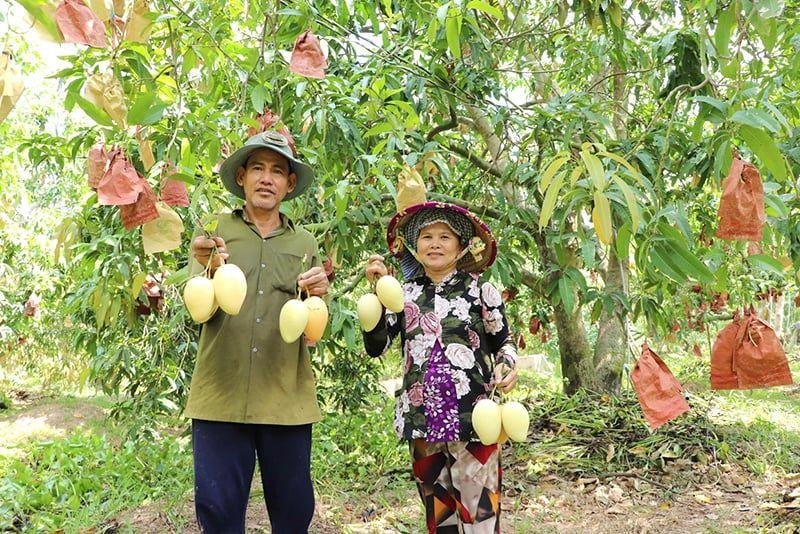
Life in the Mekong Delta revolves around rivers, canals, and agriculture. The region offers a fascinating contrast to Vietnam’s major cities. Boat rides through narrow waterways allow travelers to witness floating markets, fruit orchards, coconut workshops, and peaceful riverside villages.
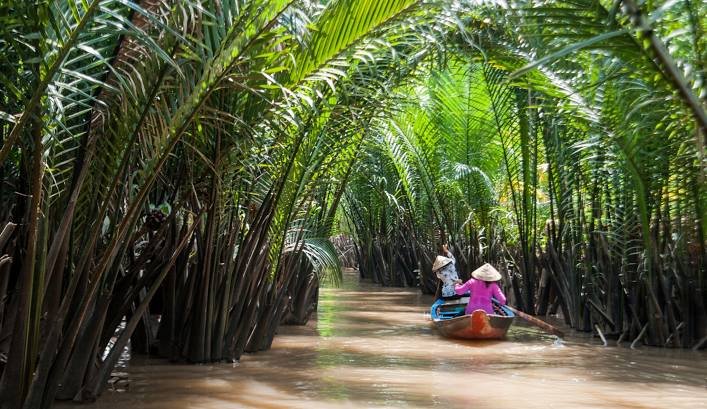
One of the most rewarding aspects of visiting the Mekong Delta is interacting with local communities. Travelers can experience authentic southern hospitality while learning about traditional lifestyles that have existed for generations.
Fresh tropical fruits, homemade coconut candy, and traditional southern dishes make the culinary experience equally memorable.
Day 14 – Leisure Day In Ho Chi Minh City
After many days of exploration, this day allows travelers to enjoy Ho Chi Minh City at a slower pace.
Some travelers choose to explore hidden cafés, boutique shops, and art galleries, while others prefer relaxing spa treatments or additional food tours.
This is also the perfect opportunity to revisit favorite districts, buy souvenirs, or discover lesser-known neighborhoods filled with local charm.
Many visitors find themselves unexpectedly attached to Saigon’s energetic atmosphere by this stage of the journey.
Day 15 – Departure From Vietnam
As the journey comes to an end, travelers leave Vietnam with unforgettable memories of dramatic landscapes, rich cultural traditions, welcoming locals, and extraordinary cuisine.
From the mountains of Sapa to the waterways of the Mekong Delta, this 15-day Vietnam itinerary showcases the incredible diversity that makes Vietnam one of the world’s most rewarding travel destinations.
The experience is not simply about visiting landmarks, it is about understanding the rhythm of local life, tasting authentic regional dishes, meeting local communities, and creating meaningful travel memories that last forever.
Best Time To Experience This 15-Days Vietnam Journey
Vietnam’s diverse geography creates significant climate differences between the northern, central, and southern regions, allowing travelers to visit the country throughout the year depending on the type of experience they are looking for.
In general, the most favorable period for this 15-day Vietnam journey is between October and April, when many destinations enjoy cooler temperatures, lower humidity, and more comfortable weather conditions for sightseeing and outdoor activities. Northern areas such as Hanoi and Sapa can become noticeably cooler during the winter months, especially in the mountainous regions where misty landscapes create a particularly scenic atmosphere.
Meanwhile, southern destinations like Ho Chi Minh City and the Mekong Delta generally maintain warm tropical temperatures year-round, making them ideal for river excursions and local cultural experiences. Travelers visiting Vietnam during springtime can also enjoy blooming landscapes, colorful seasonal scenery, and lively local festivals that add even more charm and cultural richness to the journey.
Vietnamese Food: A Highlight Of The Entire Journey
One of the most unforgettable aspects of traveling through Vietnam is experiencing the country’s remarkable culinary diversity, as every region offers its own unique flavors, ingredients, and cooking traditions.
In Northern Vietnam, particularly in Hanoi, dishes are often lighter, more balanced, and focused on the natural freshness of herbs and subtle seasonings, creating elegant flavors that reflect the region’s traditional culinary style.
As travelers continue toward Central Vietnam, destinations such as Hue and Hoi An introduce a completely different food culture known for its bold spices, rich textures, and visually artistic presentation inspired by centuries of imperial influence.
Meanwhile, Southern Vietnam offers a warmer and sweeter culinary profile, heavily influenced by tropical fruits, coconut, fresh seafood, and the agricultural lifestyle of the Mekong Delta.
From street-side noodle stalls to traditional family-run restaurants, food becomes much more than simply a meal throughout the journey, it serves as one of the strongest cultural connections travelers experience while discovering the diverse beauty and local traditions of Vietnam.
Travel Tips For Visiting Vietnam
Before starting a journey through Vietnam, travelers should take some time to prepare for the country’s diverse weather conditions, local transportation styles, and cultural customs in order to enjoy a smoother and more comfortable experience. Because the itinerary covers multiple regions from north to south, packing lightweight clothing, comfortable walking shoes, sunscreen, and essential travel items is highly recommended.
However, beyond practical preparation, one of the most important things travelers should bring is an open and flexible mindset ready to embrace new experiences and unexpected adventures. Vietnamese people are known for their warmth and hospitality, and even simple gestures such as learning a few local greetings or showing curiosity about the culture are often met with genuine smiles and kindness from locals.
Throughout the journey, some of the most memorable moments may happen completely by chance, discovering a hidden café tucked inside a small alley, sitting on tiny plastic stools enjoying street food with locals, or wandering through quiet lantern-lit streets late in the evening. These spontaneous experiences are often what make traveling through Vietnam feel so authentic, personal, and unforgettable.
Final Thoughts On This Majestic & Unique Vietnam Journey
This 15-day Vietnam journey offers travelers an unforgettable opportunity to experience the country’s extraordinary blend of natural beauty, rich cultural heritage, fascinating history, and world-renowned cuisine.
From the ancient streets of Hanoi and the breathtaking mountain landscapes of Sapa to the peaceful waters of Halong Bay, the imperial charm of Hue, the romantic atmosphere of Hoi An, and the energetic streets of Ho Chi Minh City, every destination reveals a different side of Vietnam’s unique identity. The journey goes far beyond traditional sightseeing, allowing travelers to connect more deeply with local life, regional traditions, and authentic Vietnamese flavors that make the country so captivating.
For those seeking a meaningful and immersive Southeast Asian adventure, Vietnam continues to stand out as one of the most rewarding destinations in the world thanks to its incredible diversity, warm hospitality, and unforgettable travel experiences.
Whether exploring hidden alleyways, tasting local street food, cruising through stunning natural landscapes, or discovering centuries of history, every moment throughout the journey creates memories that last long after the trip ends.
If you are looking to explore Vietnam beyond the typical tourist attractions and experience the country through authentic local culture and cuisine, Saigon Taste Tours offers immersive experiences designed by passionate local guides who truly understand the spirit of the city.
Come explore the real Saigon with us at Saigon Taste Tours, where you don’t just see the city, you taste it. From hidden street food gems and vibrant local neighborhoods to unforgettable cultural adventures, our team is ready to help you discover the authentic heart of Vietnam.
Start planning your Vietnam adventure today and create memories that will stay with you for a lifetime.

Saigon Taste Tours team
Welcome to SAIGON TASTE Tours! We’re a team of passionate local guides dedicated to sharing the real Saigon and Vietnam through food, culture, and hidden gems. From bustling street food stalls and historic landmarks to outdoor adventures and peaceful nature escapes, our tours are designed to be authentic and unforgettable. Every experience is private and tailored to you, guided by knowledgeable locals who go above and beyond to make you feel like you’re exploring with a friend. With us, you won’t just visit Vietnam — you’ll truly experience it. We can’t wait to welcome you! Best regards, Ben and the SAIGON TASTE Tours
saigontastetours@gmail.com Click to Connect with Us
Leave a Reply