
How Much Should You Tip In Vietnam? A Complete Guide
Understanding Vietnamese culture beyond the guidebooks
One of the best ways to understand Vietnam is not through famous landmarks, but through everyday interactions with local people. Whether you’re riding through hidden alleyways on a motorbike food tour with Saigon Taste Tours, enjoying street food at a family-run stall, or chatting with a café owner over a cup of Vietnamese coffee, you’ll quickly notice that hospitality plays an important role in Vietnamese culture.
Many first-time visitors are surprised by how warm and welcoming local people can be. From helping tourists find their way around the city to recommending favorite dishes and hidden neighborhoods, acts of kindness often happen naturally and without expectation.
This leads many travelers to ask an important question during their trip: “Should you tip in Vietnam?“
The answer is both simple and slightly complicated.
Unlike countries such as the United States, where tipping is often expected and forms an important part of workers’ income, Vietnam has traditionally not been a tipping culture. However, as tourism has grown and international visitors have become more common, tipping practices have gradually evolved.
Understanding when, where, and how much to tip can help travelers navigate local customs while showing appreciation in an appropriate way.
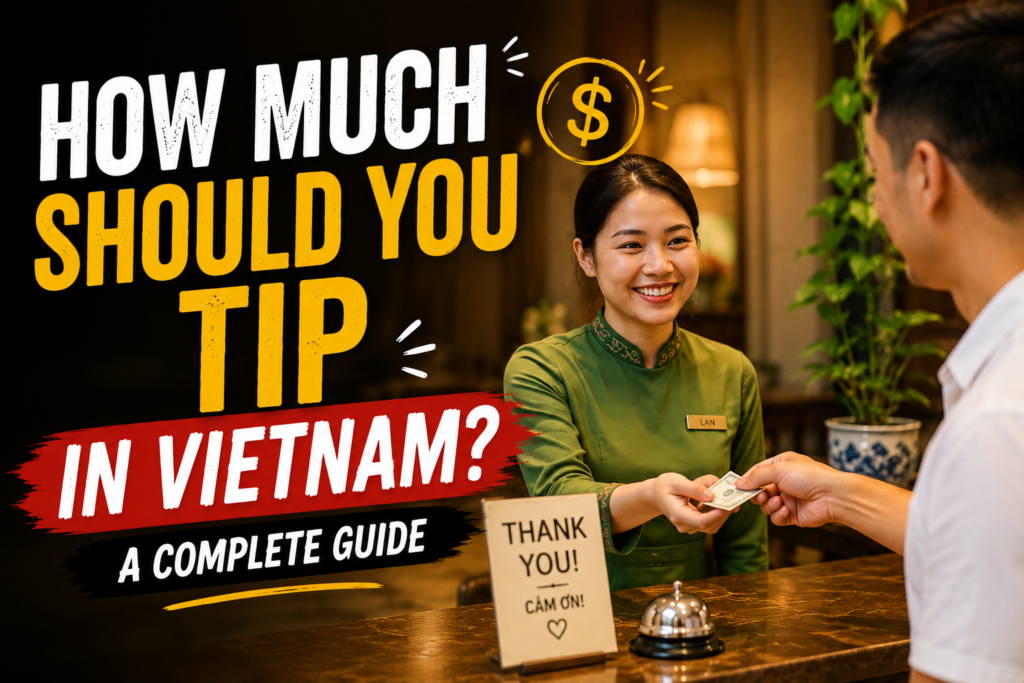
Is tipping expected in Vietnam?
The first thing travelers should know is that tipping is generally appreciated but not mandatory in Vietnam.
Historically, Vietnamese people did not routinely tip for everyday services. Restaurants, cafés, taxis, and local businesses typically operated without the expectation of additional gratuities. Service charges were usually included in pricing, and employees did not rely on tips as a primary source of income.
However, tourism has influenced local expectations in certain situations. In destinations that receive large numbers of international visitors, staff working in hospitality and tourism industries have become more accustomed to receiving tips from foreign guests.
This doesn’t mean that tipping is required.
In fact, many locals themselves rarely tip in daily situations. Instead, tipping is usually viewed as a gesture of appreciation for exceptional service rather than an obligation.
For travelers coming from countries with strong tipping cultures, this often feels refreshing. There is no pressure to calculate percentages after every transaction, and service quality generally does not depend on gratuities.
At the same time, leaving a small tip for excellent service is usually welcomed and appreciated.
Tipping in restaurants and cafés
Restaurants are often the first place where travelers wonder whether they should leave a tip.
In most local restaurants, street food stalls, and casual eateries, tipping is not expected. If you’re enjoying a bowl of phở at a neighborhood noodle shop or eating bánh mì from a street vendor, paying the listed price is completely acceptable.
That said, some visitors choose to leave small change behind, particularly if they receive friendly service or exceptional hospitality. While not required, it is often appreciated.
In mid-range and upscale restaurants, the situation changes slightly. Many higher-end establishments already include a service charge, typically around five to ten percent, on the final bill. In these cases, additional tipping is entirely optional.
If the service was particularly attentive or memorable, some travelers choose to leave an extra amount as a personal gesture of thanks. There is no fixed expectation, and even a modest amount can be appreciated.
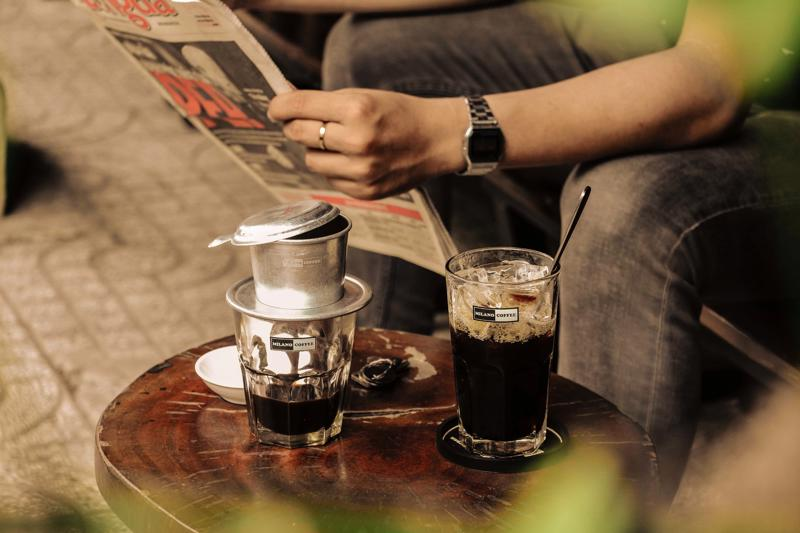
Cafés generally follow a similar pattern. Most customers simply pay their bill and leave. However, leaving a small tip in a jar or rounding up the payment can be a nice gesture when service exceeds expectations.
Tipping tour guides and drivers
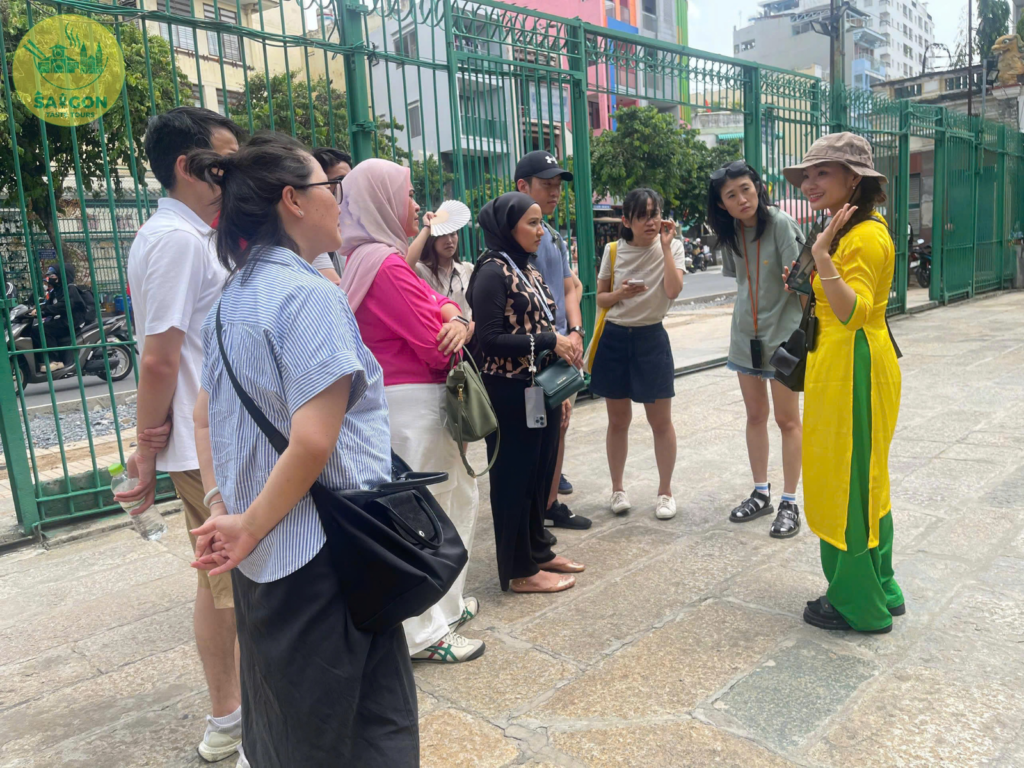
Tour guides are among the service professionals most commonly tipped in Vietnam.
Whether you’re joining a city tour, a food tour, a cultural excursion, or a multi-day travel experience, guides often spend significant time helping visitors understand local culture, history, and daily life.
Many travelers view tipping as a way to acknowledge the effort, knowledge, and personal attention that guides provide throughout the experience.
The exact amount varies depending on the length of the tour, group size, and overall experience. For a half-day or full-day tour, many visitors choose to offer a modest tip if they feel the guide enhanced their trip.
The same principle applies to drivers involved in organized tours or private transportation services. While tips are not mandatory, they are often appreciated when drivers provide reliable, safe, and professional service.
For motorbike tours in particular, many travelers choose to tip their riders at the end of the experience if they feel well cared for throughout the journey.
Ultimately, tipping guides and drivers should reflect your satisfaction rather than any strict rule.
Tipping taxi drivers and ride-hailing services
Taxi drivers in Vietnam generally do not expect tips.
Most passengers simply pay the fare shown on the meter or through the ride-hailing app and continue with their day.
However, many travelers choose to round up the fare, especially for shorter rides. For example, if a ride costs 92,000 VND, paying 100,000 VND and allowing the driver to keep the difference is often viewed as a simple and convenient gesture.
For longer journeys, airport transfers, or situations where drivers provide additional assistance with luggage or navigation, some visitors may choose to leave a slightly larger tip.
Again, there is no formal expectation.
Vietnamese transportation culture remains very different from countries where tipping drivers is considered mandatory.
Tipping hotel staff
Hotels represent another area where tipping practices have become more common due to international tourism.
In budget accommodations and guesthouses, tipping is relatively uncommon. However, in larger hotels, luxury properties, and international chains, travelers often leave small tips for staff members who provide direct assistance.
Bellhops who help carry luggage, housekeeping staff who maintain rooms during longer stays, and concierge personnel who go above and beyond to assist guests may occasionally receive tips from international visitors.
The key principle remains the same throughout Vietnam: tipping should reflect appreciation rather than obligation.
Most hotel employees will not expect gratuities, but many will certainly appreciate them.
What about street vendors?
One of the most memorable parts of traveling in Vietnam is exploring its incredible street food culture.
Visitors frequently encounter friendly vendors selling everything from fresh fruit and grilled seafood to coffee and local snacks.
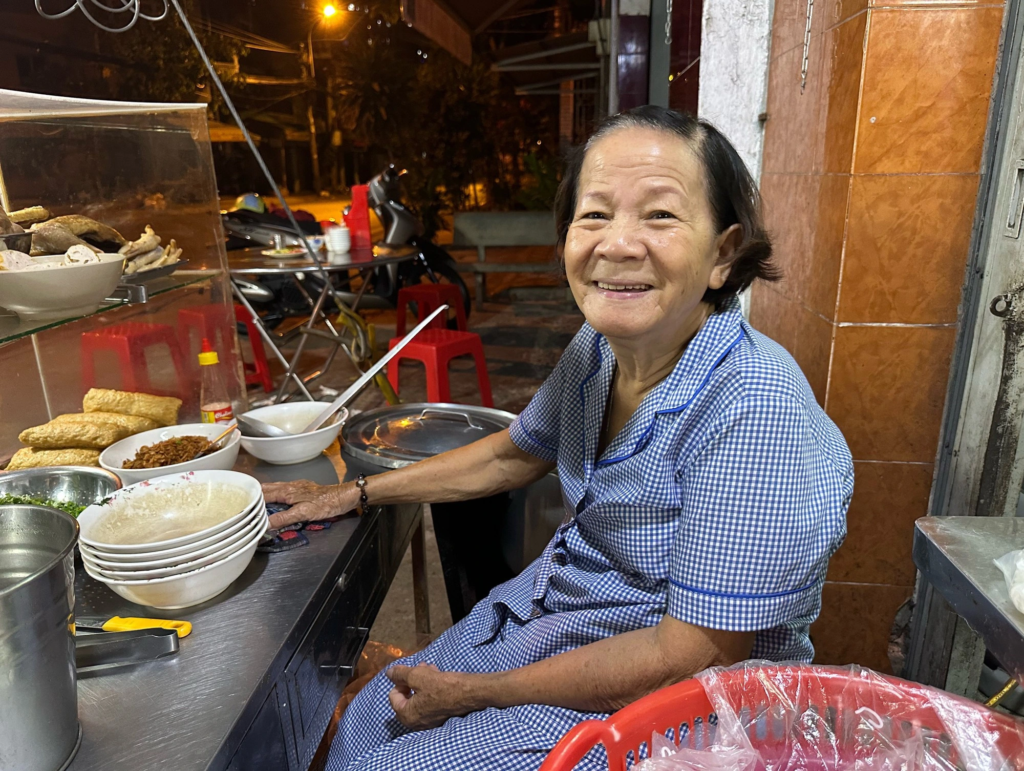
In these situations, tipping is generally not expected.
Street vendors typically operate on very small profit margins and price their products accordingly. Paying the advertised price is completely normal.
That said, if a vendor spends extra time helping you understand a menu, teaching you about local food, or making special accommodations, some travelers choose to leave a small additional amount.
Such gestures are appreciated but never required.
When should you not feel pressured to tip?
One of the most important things travelers should understand is that Vietnam remains fundamentally different from countries where tipping is deeply embedded into everyday transactions.
You should never feel pressured to tip simply because you are a foreign visitor.
Many Vietnamese people themselves do not tip regularly in daily situations. The cultural expectation surrounding gratuities remains relatively relaxed compared to places such as the United States or Canada.
If you receive ordinary service and simply pay the stated price, you are not violating any social norms. Likewise, if a service charge has already been included in your bill, additional tipping is entirely optional. The goal is not to follow strict mathematical rules but to express appreciation when you genuinely feel it is deserved.
The Best Approach to Tipping in Vietnam
For most travelers, the easiest approach is to think of tipping as a voluntary expression of gratitude. Rather than worrying about exact percentages or complicated calculations, focus on the experience itself.
- Did someone go out of their way to help you?
- Did a guide make your trip more meaningful?
- Did a driver provide exceptional service?
- Did a restaurant create a memorable dining experience?
If the answer is yes, leaving a tip can be a thoughtful way to show appreciation.
If not, simply paying the agreed price is perfectly acceptable. This flexible approach aligns closely with the way tipping is generally understood throughout Vietnam today.
Why cultural understanding matters more than tipping
While many visitors focus on the practical question of how much to tip, understanding local culture is often far more important.
Vietnamese hospitality is built less around financial rewards and more around relationships, respect, and genuine human connection.
A sincere smile, a few words of Vietnamese, patience, politeness, and curiosity about local culture often leave a stronger impression than the size of a tip.
People appreciate visitors who make an effort to understand the country, its customs, and its way of life. In many cases, those small gestures create more meaningful interactions than money ever could.
Final thoughts
So, how much should you tip in Vietnam?
The simple answer is that tipping is appreciated but rarely required.
Restaurants, cafés, taxis, hotels, guides, and drivers all operate within a culture where gratuities remain optional rather than expected. Travelers are free to leave tips when they receive exceptional service, but there is generally no obligation to do so.
For most visitors, the best approach is to use common sense, reward outstanding service when appropriate, and remember that genuine respect for local culture matters far more than following strict tipping formulas.
Vietnam is a country known for its hospitality, warmth, and generosity. Understanding its approach to tipping is simply one more way to travel thoughtfully and respectfully while enjoying everything the country has to offer.
Discover the city beyond the tourist spots with Saigon Taste Tours. Come explore the real Saigon with us – where you don’t just see the city, you taste it.
For custom itineraries and group bookings, pricing depends on group size. Contact Ben via WhatsApp: +84 383 624 632. If you have any questions, please don’t hesitate to ask.We are looking forward to showing you around our lovely country!
Book your experience today and discover Vietnam like a local!



Saigon Taste Tours team
Welcome to SAIGON TASTE Tours! We’re a team of passionate local guides dedicated to sharing the real Saigon and Vietnam through food, culture, and hidden gems. From bustling street food stalls and historic landmarks to outdoor adventures and peaceful nature escapes, our tours are designed to be authentic and unforgettable. Every experience is private and tailored to you, guided by knowledgeable locals who go above and beyond to make you feel like you’re exploring with a friend. With us, you won’t just visit Vietnam — you’ll truly experience it. We can’t wait to welcome you! Best regards, Ben and the SAIGON TASTE Tours
saigontastetours@gmail.com Click to Connect with Us
Leave a Reply