
Why Fresh Tropical Fruits Taste Better In The Mekong: A Journey Through Vietnam’s Fruit Paradise
Vietnam is famous for its vibrant street food, aromatic coffee, and rich culinary traditions, but there is another treasure that often surprises international travelers: the incredible variety of fresh tropical fruits found in the Mekong Delta.
For many visitors, tasting tropical fruits in Vietnam becomes one of the most memorable experiences of their journey. While supermarkets around the world may offer imported mangoes, dragon fruits, coconuts, and rambutans, nothing compares to enjoying these fruits directly where they are grown. The difference is immediately noticeable. The flavors are richer, the aromas are stronger, the textures are fresher, and every bite seems more vibrant.
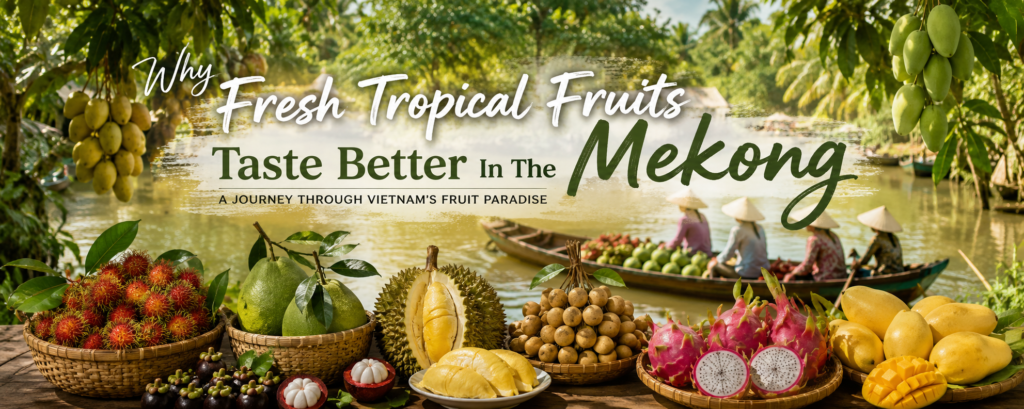
The Mekong Delta, often referred to as Vietnam’s agricultural heartland, produces a significant portion of the country’s fruit supply. Blessed with fertile soil, abundant water resources, year-round sunshine, and generations of farming expertise, this region has become one of Southeast Asia’s most productive fruit-growing areas.
But what exactly makes fresh tropical fruits in the Mekong taste so much better than those found elsewhere? The answer goes far beyond simple freshness. It involves geography, climate, farming traditions, local culture, and the unique connection between travelers and the people who cultivate these remarkable fruits.
Whether you are planning a Mekong Delta fruit tour or simply curious about Vietnam’s agricultural heritage, understanding the story behind these fruits will make your next visit even more rewarding.
The Mekong Delta: Vietnam’s Fruit Basket
Stretching across southern Vietnam, the Mekong Delta is formed by the final branches of the mighty Mekong River before it flows into the sea. This vast network of rivers, canals, waterways, and fertile floodplains has supported agricultural communities for centuries.
The region’s unique environment creates ideal conditions for fruit cultivation. Nutrient-rich sediment carried by the Mekong River continuously replenishes the soil, providing natural fertility that helps fruit trees thrive. Combined with a tropical climate characterized by warm temperatures and abundant rainfall throughout the year, these conditions allow farmers to grow an impressive variety of fruits.
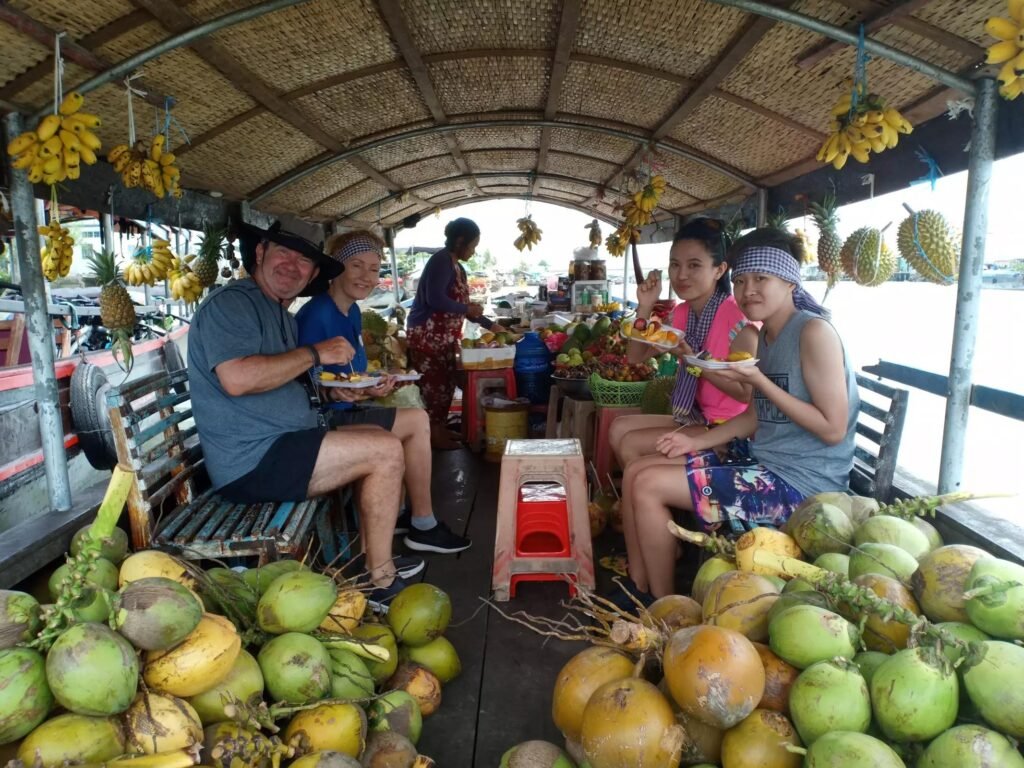
Unlike many agricultural regions that experience harsh winters or extended dry seasons, the Mekong Delta enjoys a relatively stable climate. Fruit trees can grow continuously, producing harvests throughout much of the year. This allows local farms to offer visitors fresh produce almost every season.
As travelers explore the countryside, they quickly notice that fruit orchards are everywhere. Mango trees line village roads. Coconut groves stretch along riverbanks. Durian farms occupy large sections of fertile land. Small family orchards often sit just steps away from homes, creating a landscape where agriculture and daily life are deeply intertwined. This abundance has earned the Mekong Delta its reputation as the fruit capital of Vietnam.
Why Freshly Harvested Fruits Taste Different
One of the biggest reasons fresh tropical fruits in the Mekong taste better is simple: they are harvested at the perfect moment. Many fruits sold internationally must be picked before they are fully ripe. This allows them to survive long transportation routes, storage facilities, customs procedures, and supermarket distribution systems. While this process helps deliver fruits to consumers around the world, it often comes at the cost of flavor.
When fruits are harvested early, they may continue to soften during transport, but they cannot fully develop the complex sugars and aromatic compounds that create their best taste.
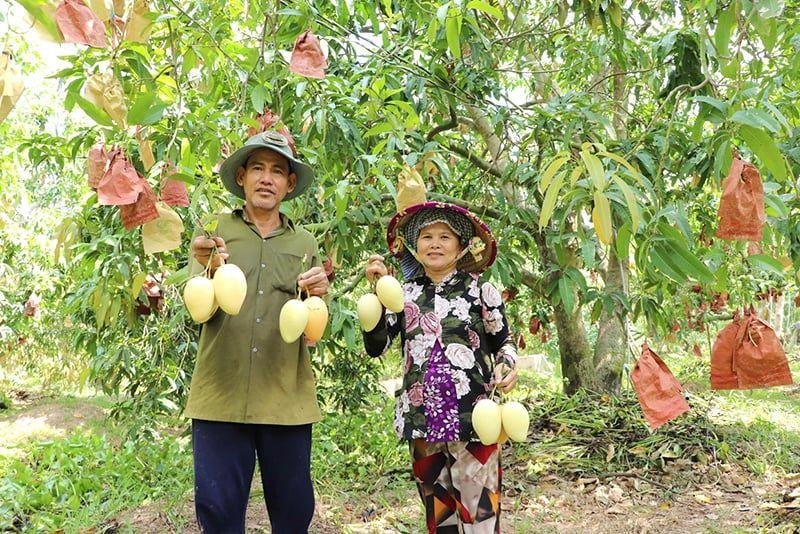
In the Mekong Delta, the situation is completely different. Farmers often harvest fruits only hours before they are sold or served. Visitors touring orchards frequently have the opportunity to pick fruits directly from the tree and taste them immediately. The fruit reaches its natural peak of ripeness, allowing sugars, acids, and aromatic compounds to develop fully.
The result is an entirely different sensory experience. Mangoes become sweeter and more fragrant. Pineapples develop deeper tropical notes. Rambutans feel juicier. Dragon fruits offer more freshness and subtle sweetness. Even fruits that travelers think they already know can taste surprisingly different when enjoyed straight from the orchard. This farm-to-table freshness is one of the defining features of a Mekong Delta fruit tour.
The Role of Fertile Soil and River Sediment
Another important factor influencing flavor is the remarkable fertility of the Mekong Delta’s soil. Every year, the Mekong River carries nutrient-rich sediment from upstream regions through multiple countries before depositing it throughout the delta. This natural process has occurred for thousands of years, gradually creating one of the most productive agricultural environments in Asia.
These sediments contain essential minerals and nutrients that help fruit trees develop strong root systems and healthy growth patterns. The rich soil supports the production of fruits with balanced sweetness, vibrant colors, and complex flavors.
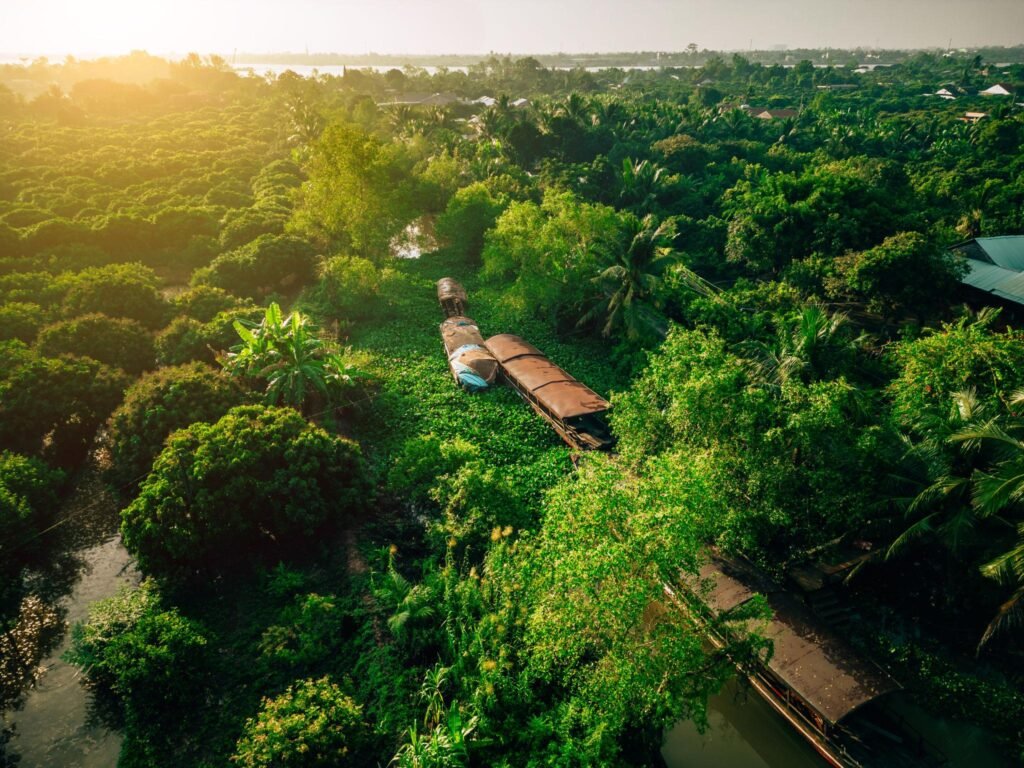
Many local farmers still rely on traditional cultivation methods that work in harmony with natural river cycles. Rather than forcing maximum production through intensive industrial farming techniques, they focus on maintaining soil health and long-term sustainability.
As a result, many fruits produced in the region retain the qualities that make them distinctive and flavorful. Travelers may not immediately see the connection between river sediment and fruit flavor, but every bite reflects the unique environmental conditions that make the Mekong Delta so productive.
A Tropical Climate Perfect for Fruit Growth
Climate plays an equally important role in shaping the taste of tropical fruits. The Mekong Delta benefits from warm temperatures throughout the year, with ample sunshine and regular rainfall. These conditions provide fruit trees with the energy they need to produce natural sugars during the growing process.
Sunlight drives photosynthesis, which helps fruits accumulate sweetness as they mature. Consistent warmth allows trees to maintain healthy growth without interruptions caused by cold weather. Reliable rainfall supplies necessary moisture while the extensive river network helps regulate water availability.
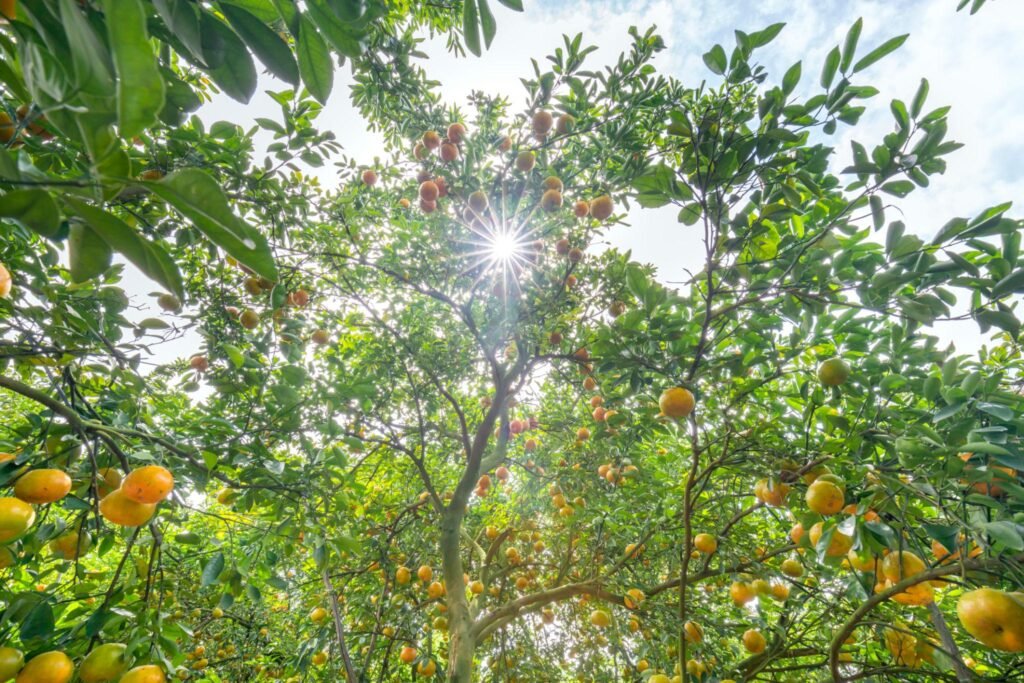
Unlike regions where fruits must adapt to seasonal temperature fluctuations, many tropical fruits in the Mekong Delta grow under relatively stable conditions. This consistency contributes to predictable quality and exceptional flavor, helping local orchards produce fruits that are prized for their sweetness, freshness, and rich aromas. It is one reason why visitors often remark that fruits here seem more intense and satisfying than those they have tasted elsewhere.
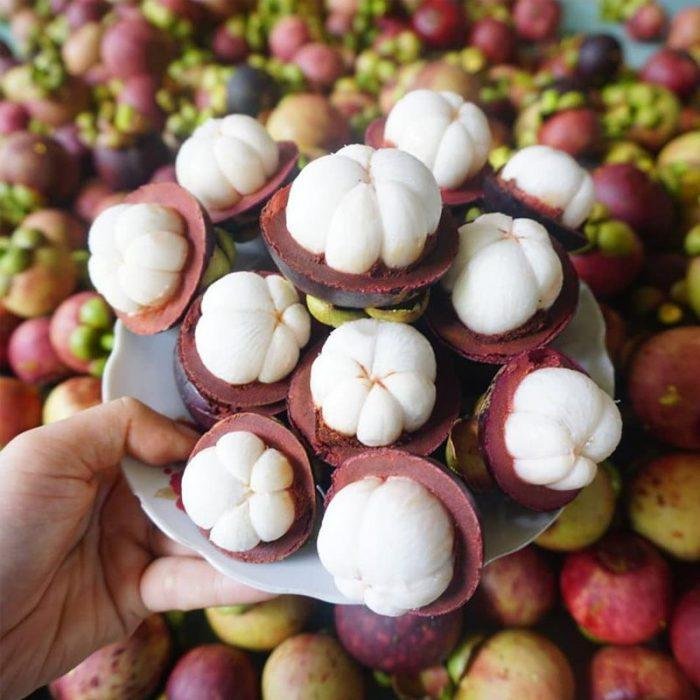
These favorable growing conditions have also allowed the Mekong Delta to become one of Vietnam’s most important fruit-producing regions. Across the Delta, orchards cultivate an extraordinary variety of tropical fruits that are enjoyed throughout the country and increasingly appreciated by international visitors. Among the most iconic are durian and mangosteen, often referred to as the “King” and “Queen” of tropical fruits.
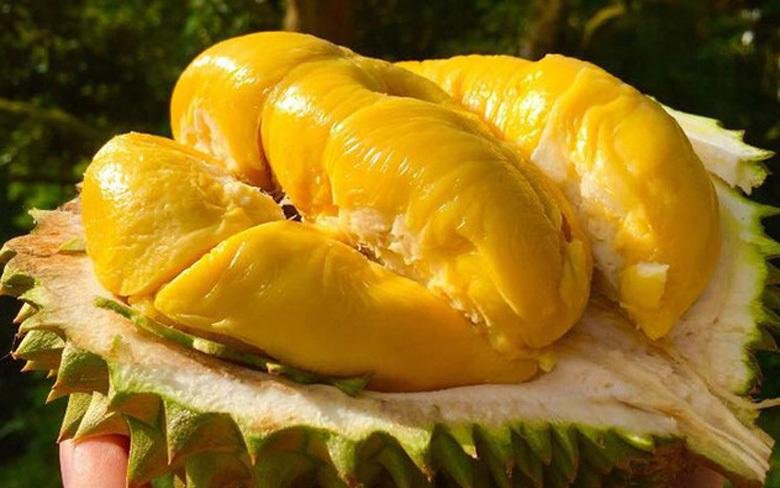
Durian is famous for its bold aroma and rich, custard-like texture. While its distinctive scent may surprise first-time visitors, many travelers quickly discover why it is considered one of Southeast Asia’s most prized fruits. Mangosteen offers a completely different experience, with delicate white segments hidden beneath a deep purple rind. Its refreshing sweetness and subtle tanginess make it a favorite among both locals and international visitors.
Beyond these famous fruits, the Mekong Delta is home to an impressive collection of tropical produce that adds vibrant colors and flavors to the region’s orchards. Rambutans hang in bright red clusters from the trees, pomelos grow to impressive sizes, and dragon fruits bring striking shades of pink to local farms and markets. Together, these fruits create a colorful landscape that reflects the richness of the Delta’s agricultural heritage and provides visitors with endless opportunities to explore new flavors.
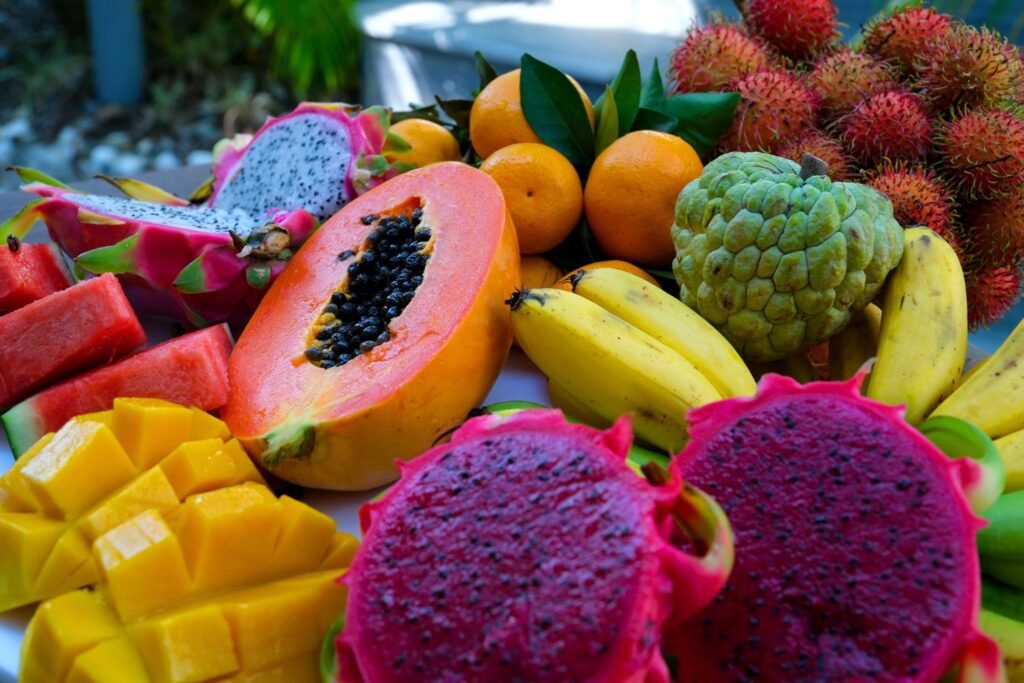
Discovering Exotic Fruits You May Never Have Tried Before
One of the most memorable parts of visiting the Mekong Delta is discovering an incredible variety of tropical fruits grown throughout the region’s lush orchards. While familiar favorites such as mangoes, pineapples, and coconuts can be found in many parts of the world, the Mekong offers travelers the opportunity to experience a much wider selection of fruits that are rarely seen outside Southeast Asia.
Walking through a local fruit garden, visitors are often introduced to seasonal specialties picked fresh from the trees just moments before tasting. Durian, famously known as the “King of Fruits,” is perhaps the most talked-about. Its distinctive aroma often sparks curiosity, while its rich, custard-like texture surprises many first-time visitors. Mangosteen, often referred to as the “Queen of Fruits,” provides a delightful contrast with its sweet, juicy segments and refreshing flavor.
Beyond these well-known fruits, the Mekong Delta is home to longan, rambutan, star apple, pomelo, jackfruit, sapodilla, and many other local varieties, each offering unique flavors, textures, and aromas. For many travelers, the experience goes beyond simply tasting fruit. Local orchard owners and guides often share stories about cultivation methods, harvesting seasons, and the best ways to enjoy each variety, creating a deeper connection to the region’s agricultural heritage.
Tasting these fruits where they are grown is an experience that cannot be replicated elsewhere. The freshness, the setting, and the opportunity to learn directly from local communities transform a simple fruit tasting into an authentic cultural encounter and one of the highlights of any Mekong Delta journey.
The Human Connection Behind Every Orchard
Beyond the delicious flavors and abundant harvests, the true charm of the Mekong Delta’s fruit orchards lies in the people who care for them. Across the region, many orchards remain family-owned, with farming traditions and knowledge passed down through multiple generations. These family farms are more than places of production, they are living reflections of the local culture, history, and way of life.
A visit to a Mekong orchard often provides opportunities to meet the farmers themselves. Proud of their land and their harvests, many are eager to share stories about their fruit gardens, explain growing techniques, and introduce visitors to seasonal specialties. These personal interactions offer a glimpse into everyday life in the Delta and create authentic connections that go far beyond typical sightseeing experiences.
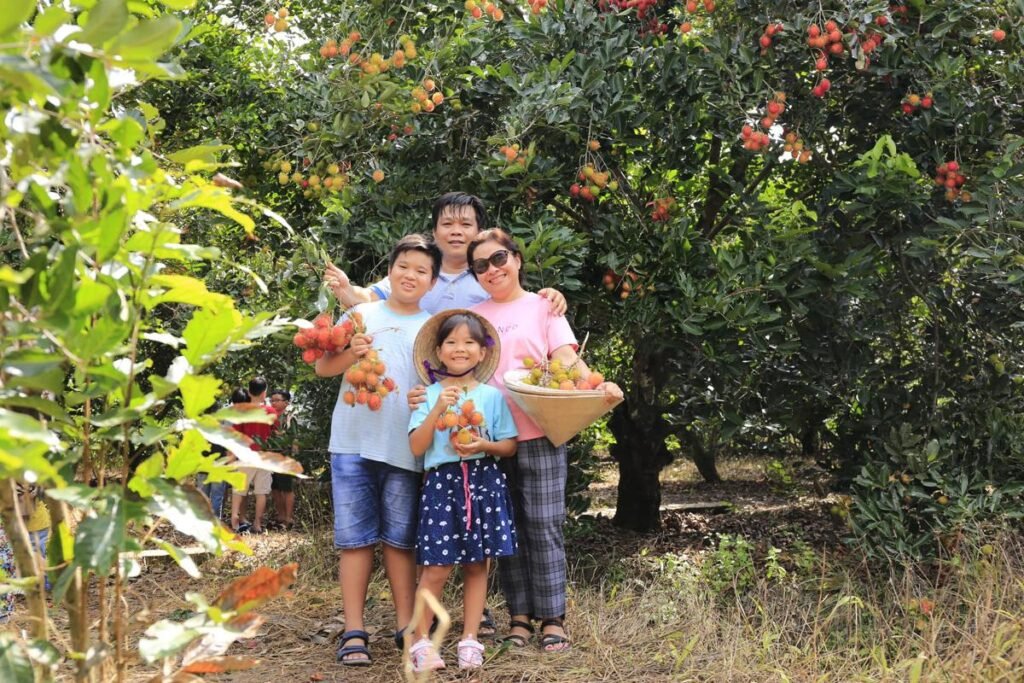
As travelers stroll beneath rows of fruit-laden trees, they gain a deeper appreciation for the dedication and expertise required to cultivate each harvest. From understanding seasonal growing cycles to observing traditional harvesting methods, visitors experience firsthand the close relationship between local communities and the fertile landscape that sustains them.
Many orchard visits also include relaxing fruit-tasting sessions in shaded garden settings, where freshly picked fruits are enjoyed just steps away from where they were grown. Combined with warm hospitality and genuine conversations, these moments often become some of the most memorable highlights of a Mekong Delta journey, leaving travelers with a richer understanding of both the region’s agricultural heritage and its people.
Seasonal Variety Keeps Every Visit Unique
One of the unique aspects of exploring the Mekong Delta is that no two visits are ever quite the same. Thanks to the region’s year-round growing conditions, different fruits come into season at different times, creating an ever-changing landscape of colors, aromas, and flavors.
A traveler visiting during mango season may find orchards heavy with golden fruit, while another arriving a few months later might be greeted by the sight of ripening durians or baskets overflowing with freshly harvested rambutans and mangosteens.
This seasonal rhythm is an important part of what makes fruit tasting in the Mekong Delta so special. Rather than relying on imported produce or year-round storage, local communities celebrate fruits when they naturally reach peak ripeness. As a result, visitors enjoy fruits at their freshest and most flavorful. For many travelers, returning to the Delta in a different season reveals an entirely new side of the region, where each harvest brings fresh experiences and another reason to fall in love with Vietnam’s fruit paradise.
Fruit Tasting as a Cultural Experience
Food has long been one of the most meaningful ways to connect with a destination, and in the Mekong Delta, fruit tasting offers a unique window into the region’s culture and way of life. Across local communities, sharing freshly harvested fruit is more than a simple gesture, it is a symbol of hospitality, generosity, and pride in the land. Visitors are often welcomed with seasonal fruits picked directly from nearby orchards, accompanied by warm conversations and traditional Vietnamese tea.
Fruit is deeply woven into everyday life throughout the Delta, appearing in family gatherings, local markets, religious celebrations, and daily meals. As a result, tasting these fruits becomes more than a culinary experience; it provides insight into the traditions, values, and agricultural heritage that have shaped the region for generations.
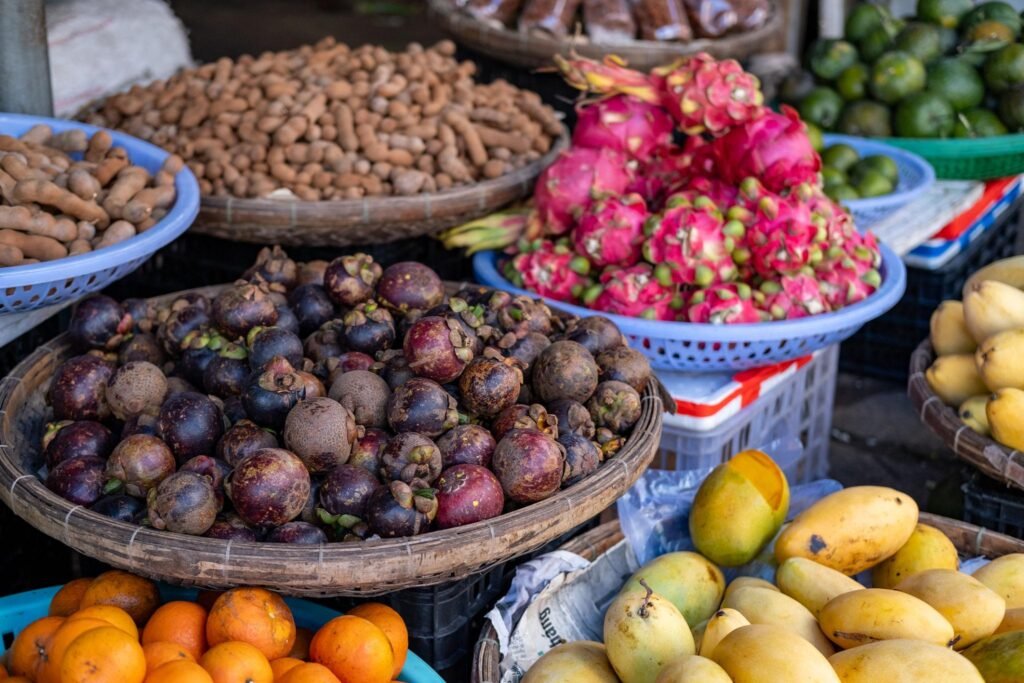
Perhaps most importantly, these experiences encourage a slower and more meaningful style of travel. Rather than rushing from one attraction to the next, visitors are invited to pause, savor local flavors, and engage with everyday moments that reveal the authentic character of the region. It is often these simple encounters, sharing fruit beneath the shade of an orchard tree or listening to stories from local farmers, that leave the most lasting impressions.
Why Fruit Lovers Should Include the Mekong Delta in Their Vietnam Itinerary
While many travelers come to Vietnam for its famous cities, historic landmarks, and iconic attractions, the Mekong Delta offers something entirely different, an opportunity to slow down and experience the country’s agricultural heartland. Here, life revolves around winding waterways, lush orchards, and traditions that have been preserved for generations. It is a place where visitors can step beyond the typical tourist trail and discover a deeper, more authentic side of Vietnam.
The remarkable flavor of fresh tropical fruits in the Mekong Delta is no coincidence. It is the result of fertile river-fed soil, a year-round tropical climate, generations of farming knowledge, and a close connection between local communities and the land they cultivate. Whether enjoying a perfectly ripe mangosteen beneath the shade of an orchard tree or tasting freshly harvested durian straight from the farm, visitors experience flavors that simply cannot be replicated elsewhere.
Yet the true magic of the Mekong Delta extends far beyond the fruit itself. It can be found in the warm hospitality of local families, the peaceful rhythm of life along the waterways, and the simple pleasure of sharing fresh produce where it was grown. These moments create lasting memories and offer a meaningful connection to the people, traditions, and landscapes that make this region so unique.
If you’re looking to experience Vietnam through its flavors, culture, and countryside, a journey to the Mekong Delta is an experience not to be missed. Come explore the real Saigon with us at Saigon Taste Tours, where you don’t just see the city, you taste it.
From vibrant local markets and authentic street food experiences to unforgettable adventures through fruit-filled orchards and scenic waterways, our carefully crafted tours bring you closer to the people and traditions that define Southern Vietnam. Contact Saigon Taste Tours today and let us help you create memories that are as authentic as they are delicious.
Discover the city beyond the tourist spots with Saigon Taste Tours. Come explore the real Saigon with us – where you don’t just see the city, you taste it.
For custom itineraries and group bookings, pricing depends on group size. Contact Ben via WhatsApp: +84 383 624 632. If you have any questions, please don’t hesitate to ask.We are looking forward to showing you around our lovely country!
Book your experience today and discover Vietnam like a local!

 Click to Connect with Us
Leave a Reply