
Hoi An Travel Guide 2026: Everything You Need To Know
Few destinations in Southeast Asia capture the imagination quite like Hoi An. With its lantern-lit streets, centuries-old architecture, vibrant food culture, and peaceful riverside atmosphere, this charming town remains one of Vietnam’s most beloved travel destinations. Whether you are visiting Vietnam for the first time or returning to discover more of its hidden treasures, Hoi An offers a unique blend of history, culture, cuisine, and relaxation that appeals to every type of traveler.
This comprehensive Hoi An Travel Guide 2026 covers everything you need to know before planning your trip, from the best time to visit and top attractions to local food experiences, transportation tips, accommodation options, and practical travel advice.
Why Visit Hoi An In 2026?
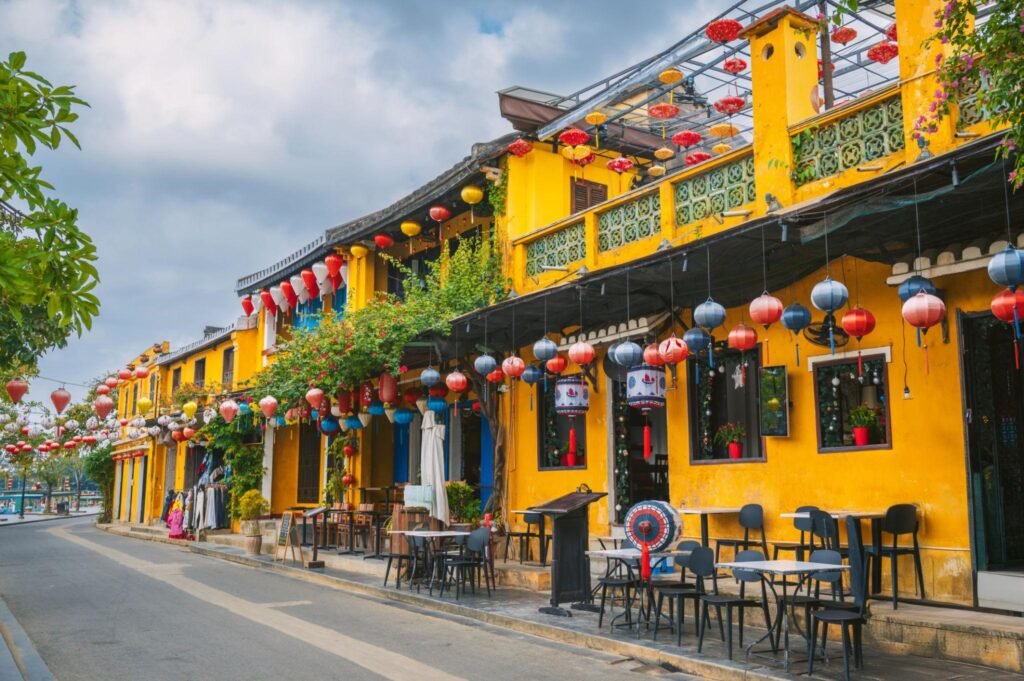
Hoi An continues to evolve while preserving the heritage that earned it UNESCO World Heritage status. Unlike many rapidly developing destinations, Hoi An has managed to maintain its authentic atmosphere and historical charm. Walking through the Ancient Town feels like stepping back in time, where traditional yellow houses, wooden shophouses, and colorful lanterns create one of the most photogenic settings in Asia.
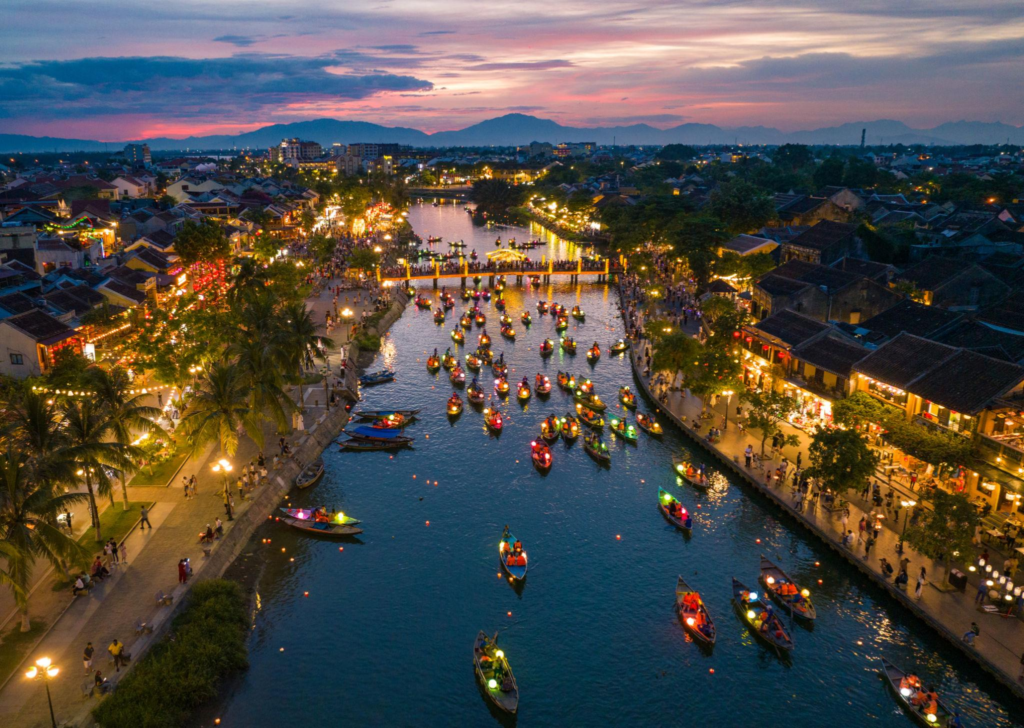
In 2026, travelers can expect improved tourism infrastructure, enhanced sustainability initiatives, and a wider variety of cultural experiences while still enjoying the town’s timeless beauty. The balance between preservation and modernization makes Hoi An an ideal destination for cultural travelers, food lovers, photographers, honeymooners, families, and solo adventurers alike.
The town’s strategic location in Central Vietnam also makes it an excellent base for exploring nearby beaches, mountains, historical sites, and neighboring cities such as Da Nang and Hue.
Where Is Hoi An?
Hoi An is a charming riverside town located in Quang Nam Province on Vietnam’s central coast, approximately 30 kilometers south of Da Nang. Nestled along the peaceful Thu Bon River, the town occupies a strategic location that once made it one of Southeast Asia’s most significant international trading ports. Between the 15th and 19th centuries, merchants from China, Japan, India, and Europe arrived here to exchange goods, ideas, and cultural influences, many of which continue to shape Hoi An’s unique character today.
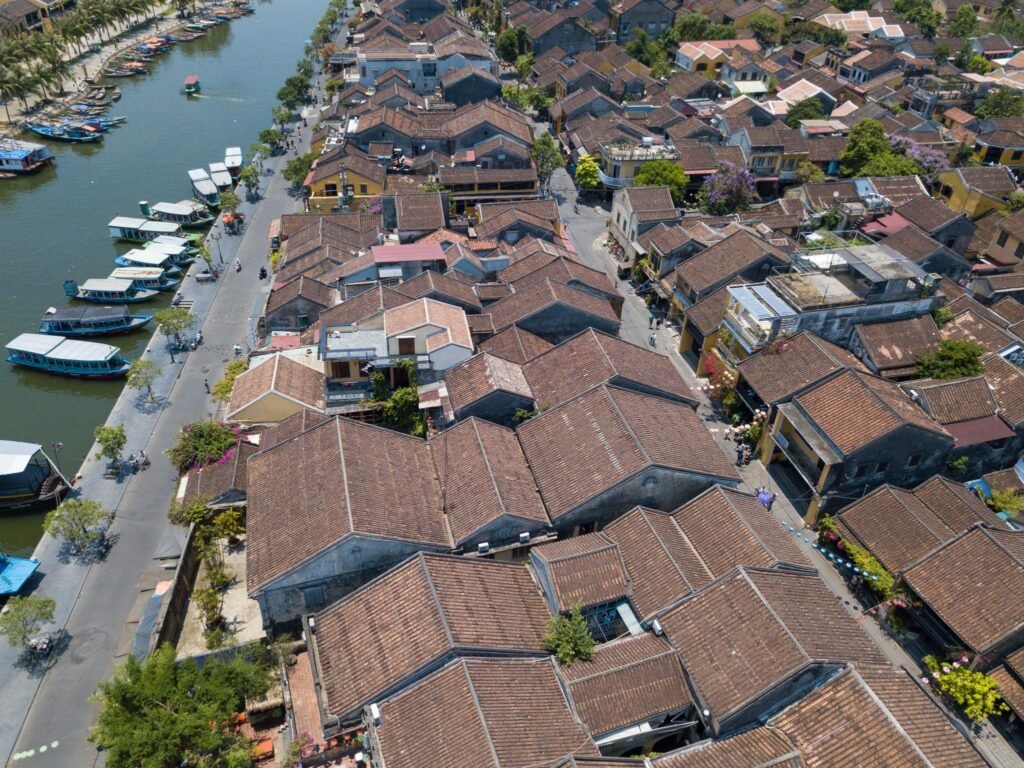
This fascinating history is still visible throughout the town. Walking through Hoi An’s Ancient Town feels like stepping into a living museum, where centuries-old merchant houses, Chinese assembly halls, Japanese-influenced architecture, and traditional Vietnamese homes stand side by side. Unlike many historical destinations that have been heavily modernized, Hoi An has preserved much of its original charm, earning recognition as a UNESCO World Heritage Site and becoming one of Vietnam’s most treasured cultural destinations.
Today, Hoi An successfully blends its rich historical heritage with a vibrant tourism scene. Visitors can spend their days exploring ancient streets lined with colorful lanterns, relaxing at nearby beaches, cycling through peaceful countryside villages, or discovering a food culture that is considered among the best in Vietnam.
Best Time To Visit Hoi An
One of the most important considerations when planning your Hoi An Vietnam travel experience is choosing the right season.
The dry season, which typically runs from February through August, is widely considered the best time to visit. During these months, travelers can enjoy sunny weather, clear skies, and pleasant temperatures that are ideal for sightseeing, cycling, beach visits, and outdoor dining.
Spring, particularly between February and April, offers some of the most comfortable conditions. Temperatures are warm but not excessively hot, flowers are blooming throughout the town, and humidity remains relatively manageable.
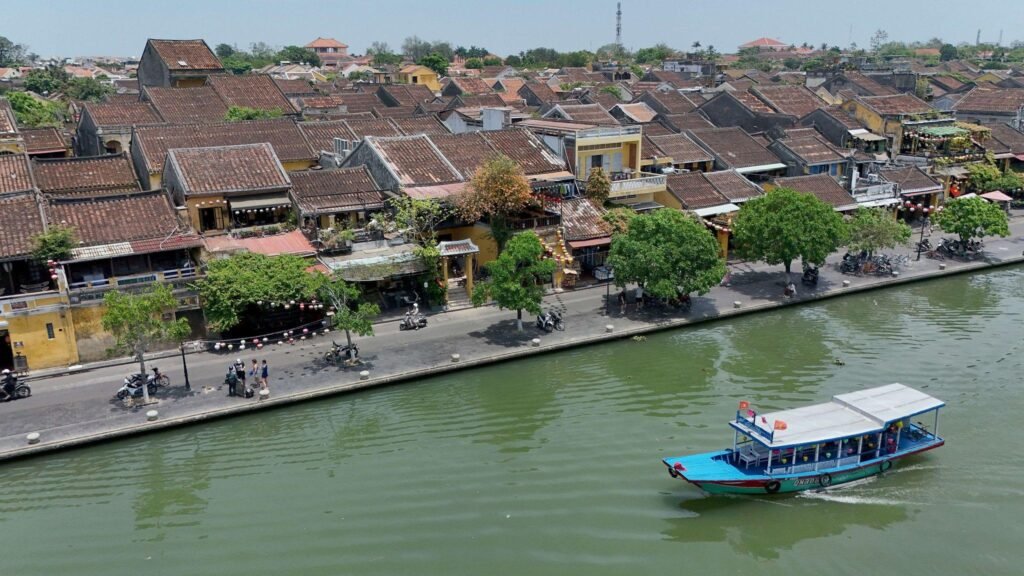
From May to August, Hoi An experiences hotter temperatures, often exceeding 35°C. While the heat can be intense during midday, this period is excellent for beach lovers who want to spend time along the nearby coastline.
The rainy season generally lasts from September to January. While occasional flooding may occur during peak rainy months, this season also brings fewer crowds, lower accommodation prices, and a unique atmosphere that many photographers appreciate. The reflection of lanterns on rain-soaked streets creates a magical ambiance unlike any other time of year.
How To Get To Hoi An
Unlike many major tourist destinations, Hoi An does not have its own airport or railway station. Most visitors arrive via Da Nang.
Da Nang International Airport serves numerous domestic and international routes, making it the primary gateway to Central Vietnam. Upon arrival, travelers can reach Hoi An by taxi, private transfer, shuttle bus, or ride-hailing services. The journey typically takes between 40 and 50 minutes depending on traffic conditions.
For travelers exploring Vietnam from north to south, trains connect Hanoi and Ho Chi Minh City to Da Nang. This option provides scenic coastal views and allows visitors to experience Vietnam’s famous railway system.
Long-distance buses also operate throughout the country and offer budget-friendly transportation options for backpackers and independent travelers.
Exploring Hoi An Ancient Town
The heart and soul of the destination is undoubtedly the Ancient Town. This remarkably preserved historical district showcases influences from Chinese, Japanese, Vietnamese, and European cultures that shaped Hoi An throughout centuries of international trade.
The narrow streets are lined with traditional houses, artisan workshops, temples, assembly halls, cafes, and tailor shops. Motorized vehicles are restricted in many areas, creating a peaceful pedestrian-friendly environment.
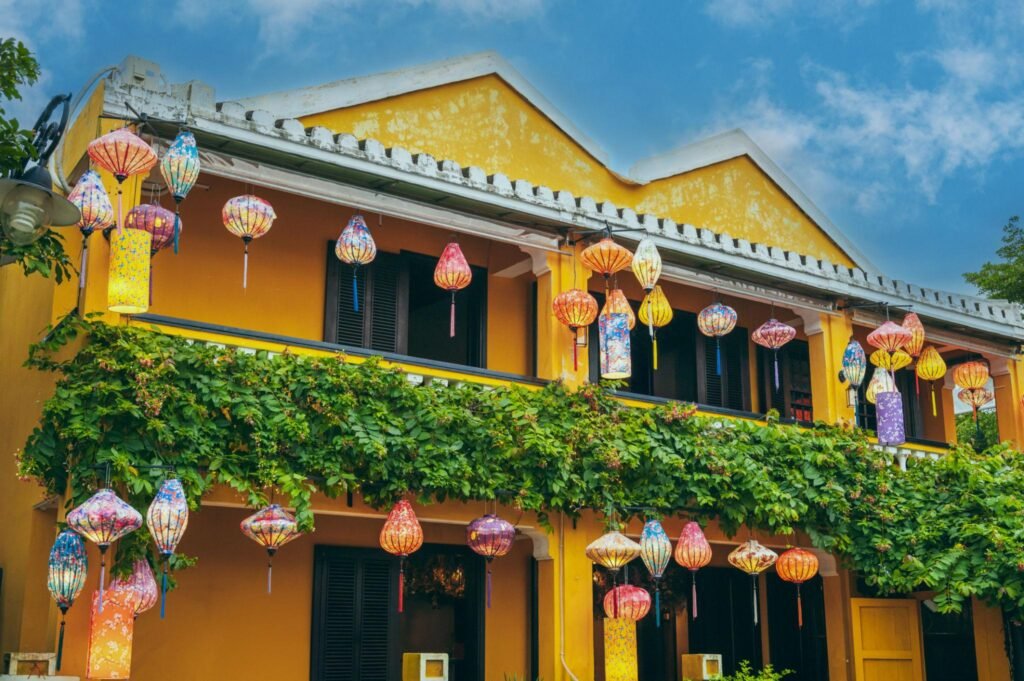
One of the greatest pleasures of visiting Hoi An is simply wandering without a strict itinerary. Around every corner, travelers discover hidden courtyards, charming coffee shops, local art galleries, and picturesque architectural details that reveal the town’s rich history.
The Famous Japanese Covered Bridge
The Japanese Covered Bridge, locally known as Chùa Cầu, has stood as one of Hoi An’s most recognizable landmarks for over four centuries. Built by Japanese merchants in the late 16th century, the bridge symbolizes the cultural connections that helped shape Hoi An into one of Southeast Asia’s most important trading ports.
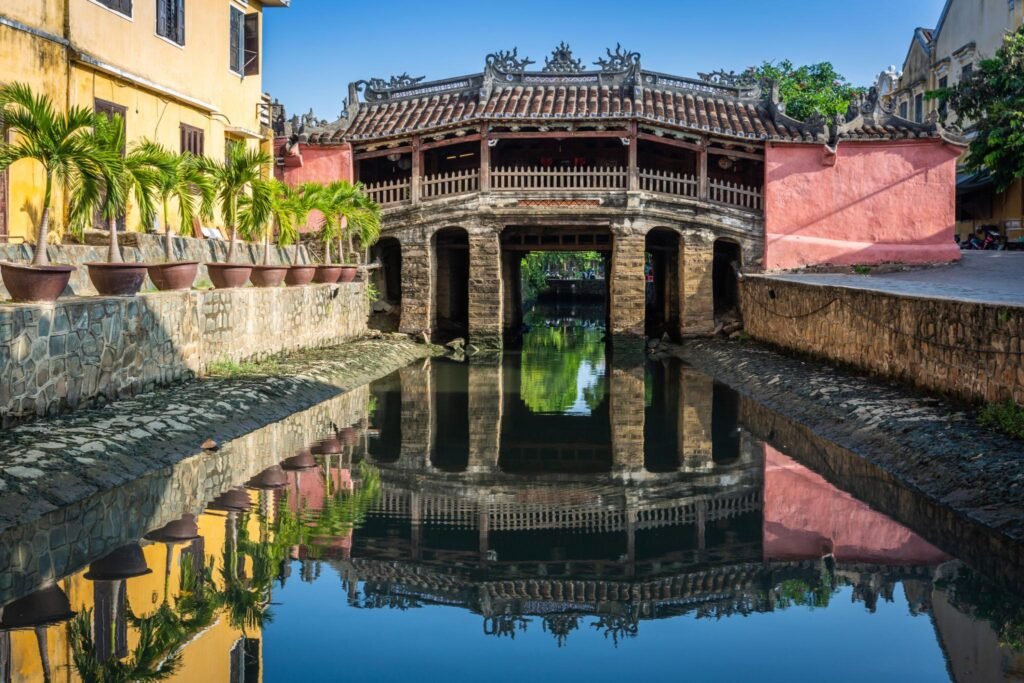
Recent restoration efforts have helped preserve the structure while maintaining its historical integrity. Visitors can admire the intricate architectural details, learn about its significance, and capture memorable photographs from various viewpoints throughout the Ancient Town.
Experience Hoi An’s Lantern Culture
Lanterns have become synonymous with Hoi An. Their colorful glow transforms the town into a magical destination every evening.
Local artisans continue to handcraft lanterns using traditional methods passed down through generations. Visitors can observe the production process, purchase handmade souvenirs, or even participate in lantern-making workshops.
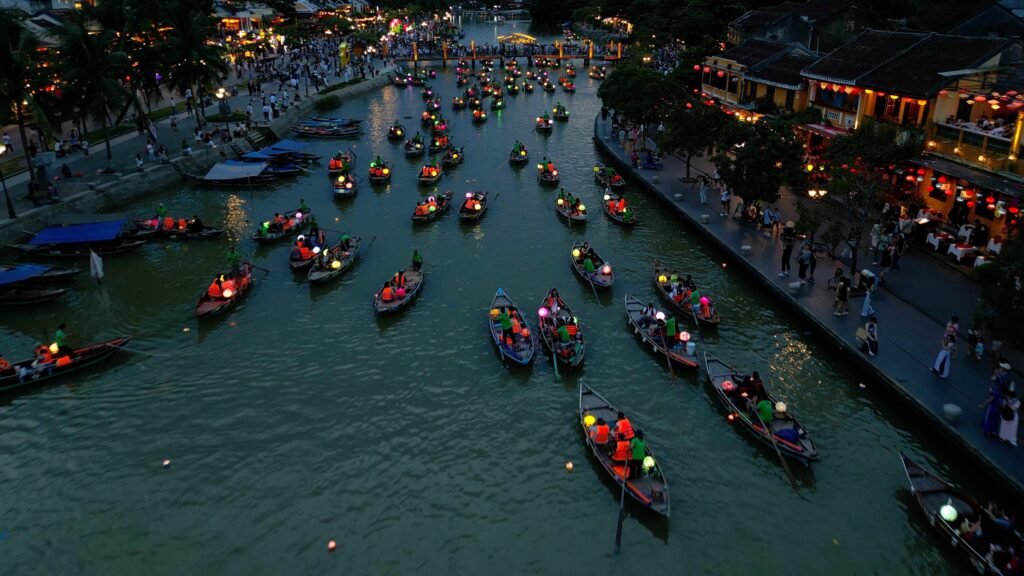
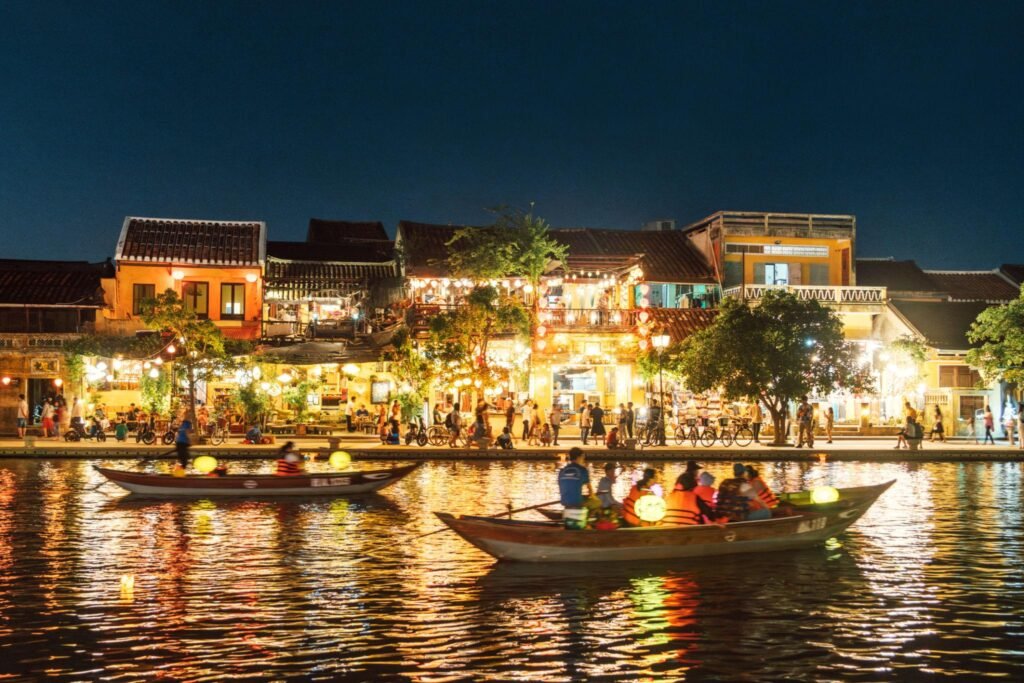
The monthly Lantern Festival offers one of the most memorable cultural experiences in Vietnam. During the festival, electric lights are reduced throughout the Ancient Town while lanterns illuminate the streets. Locals and visitors release floating lanterns onto the river, creating a breathtaking spectacle of light and reflection.
The festival provides a deeper connection to local traditions and represents one of the highlights of any visit to Hoi An.
The Best Things To Do In Hoi An
Beyond the Ancient Town, there are countless experiences that make Hoi An such a rewarding destination.
Cycling through the countryside allows visitors to discover rice paddies, traditional villages, water buffalo, and rural landscapes that contrast beautifully with the bustling tourist center. The relatively flat terrain makes cycling suitable for travelers of most fitness levels.
Boat rides along the Thu Bon River offer a relaxing perspective of the town and surrounding communities. Sunset cruises are particularly popular, providing spectacular views as lanterns begin to illuminate the waterfront.
Cooking classes have also become a signature Hoi An experience. Many classes begin with visits to local markets where participants learn about Vietnamese ingredients before preparing traditional dishes under expert guidance.
For those interested in wellness, Hoi An offers numerous spas, yoga studios, and wellness retreats that complement the town’s peaceful atmosphere.
Discover An Bang Beach
Just a short drive from the Ancient Town lies An Bang Beach, one of Vietnam’s most attractive coastal destinations.
Unlike some of the country’s more crowded beach resorts, An Bang maintains a relaxed and welcoming atmosphere. Soft sand, gentle waves, and beachfront restaurants create the perfect setting for a leisurely day by the sea.
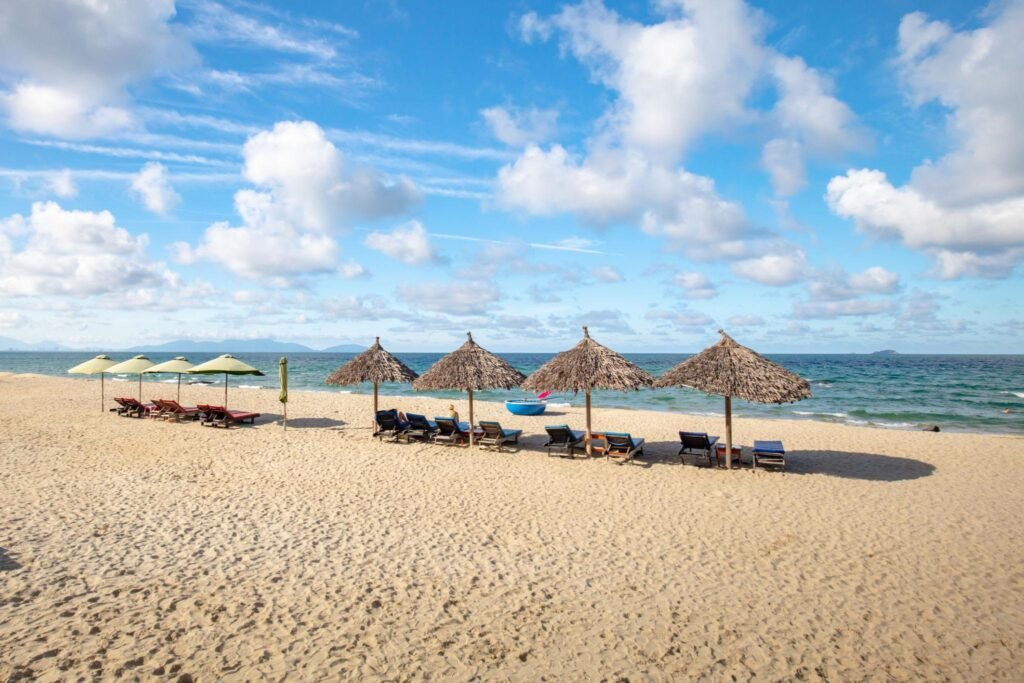
Visitors can swim, sunbathe, enjoy fresh seafood, or simply relax with a drink while taking in ocean views. Early mornings and late afternoons tend to offer the most pleasant temperatures and fewer crowds. The beach also serves as an excellent escape from the heat during the warmer months.
Visit The Coconut Forest
Over the past few years, the Bay Mau Coconut Forest has emerged as one of Hoi An’s must-visit attractions, drawing travelers with its lush waterways, iconic basket boat rides, and authentic glimpse into local life.
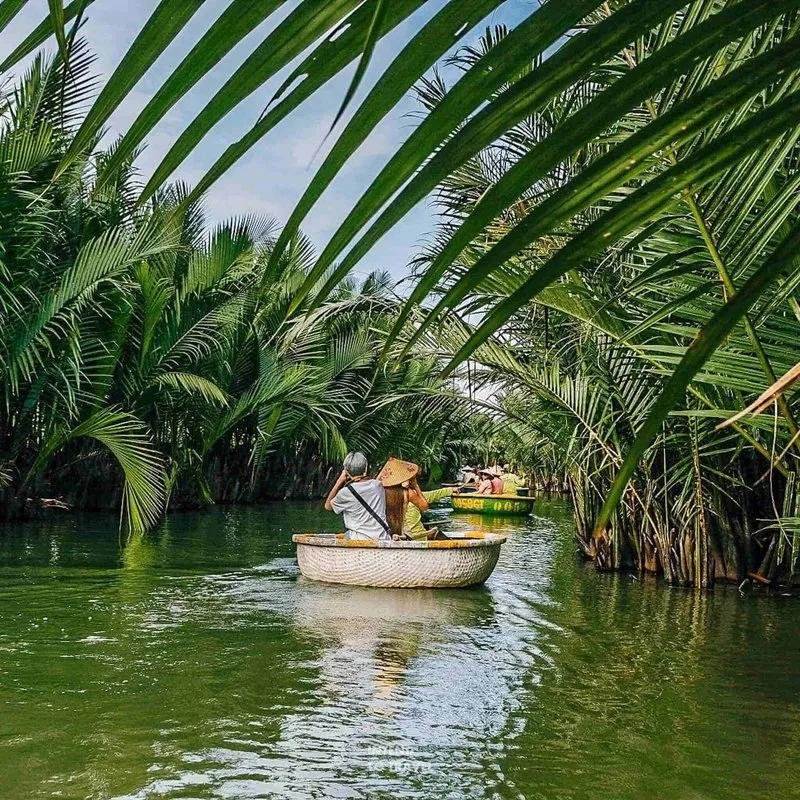
This unique ecosystem features waterways lined with dense coconut palms. Traditional basket boat tours allow visitors to explore the area while learning about local fishing techniques and the forest’s historical significance. The experience combines natural beauty, cultural storytelling, and entertainment, making it especially popular among families and first-time visitors.
Hoi An’s Incredible Food Scene
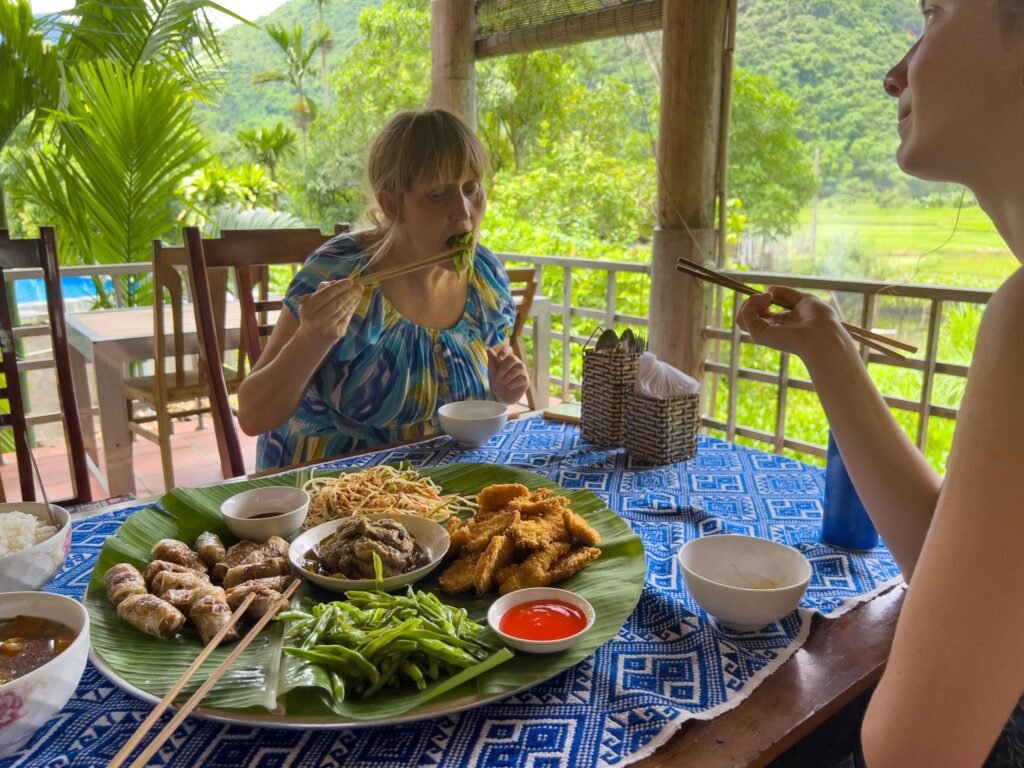
Food is one of the biggest reasons travelers fall in love with Hoi An. The town boasts a culinary identity distinct from other regions of Vietnam. Local dishes reflect centuries of cultural exchange and regional ingredients, creating flavors that cannot easily be replicated elsewhere.
Cao Lau is perhaps Hoi An’s most famous specialty. This noodle dish combines thick noodles, pork, fresh herbs, and crispy toppings in a recipe deeply connected to the town’s history.
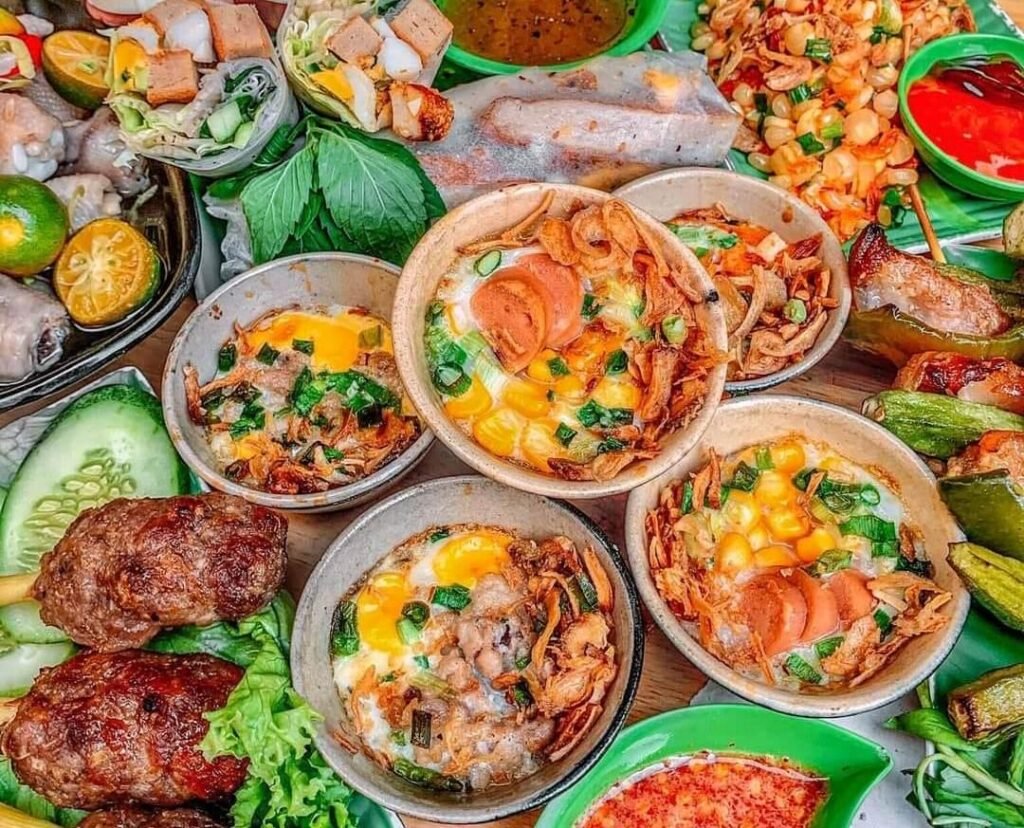
White Rose Dumplings are another local favorite. These delicate rice dumplings feature shrimp fillings and showcase the refined techniques of Hoi An cuisine. Mi Quang, a flavorful noodle dish from Central Vietnam, is also widely available throughout the town. Street food plays a major role in daily life.
Evening markets and roadside vendors offer opportunities to sample grilled seafood, banh mi, sweet desserts, and countless regional specialties. Food enthusiasts often describe Hoi An as one of Vietnam’s most satisfying culinary destinations.
Shopping And Tailor-Made Clothing
Hoi An is internationally famous for custom tailoring. Hundreds of tailor shops throughout the town create everything from business suits and wedding dresses to casual clothing and accessories. Many garments can be designed, fitted, and completed within just a few days.
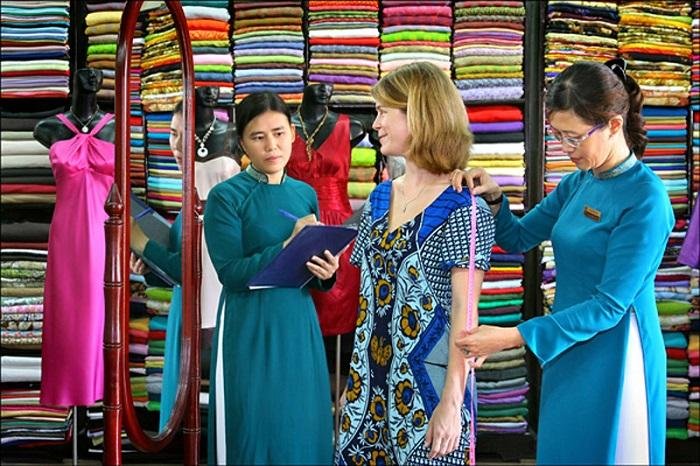
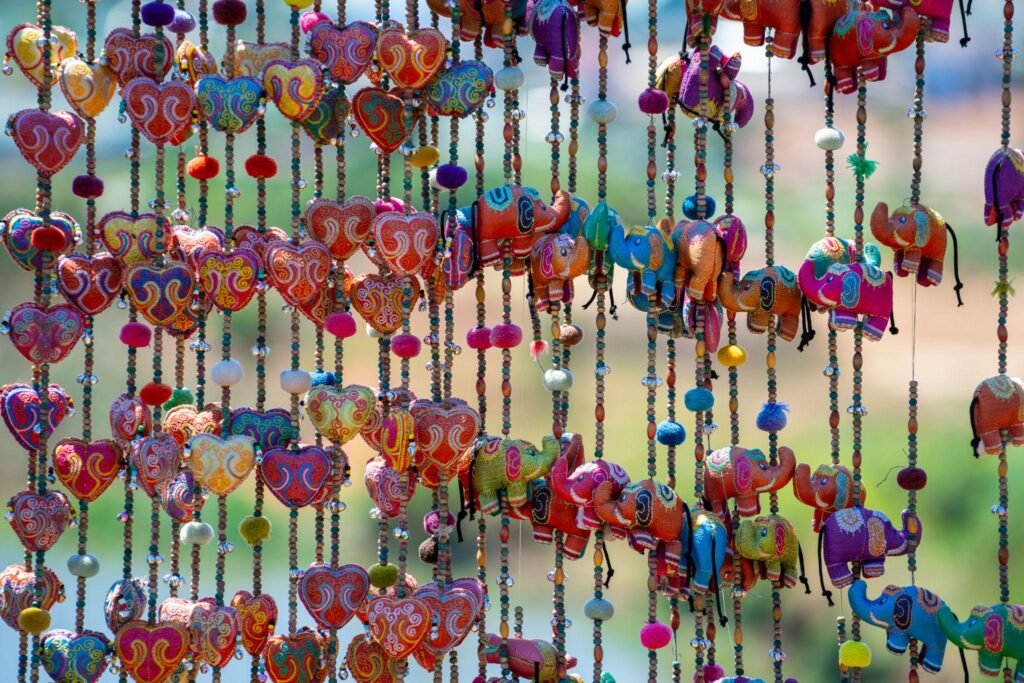
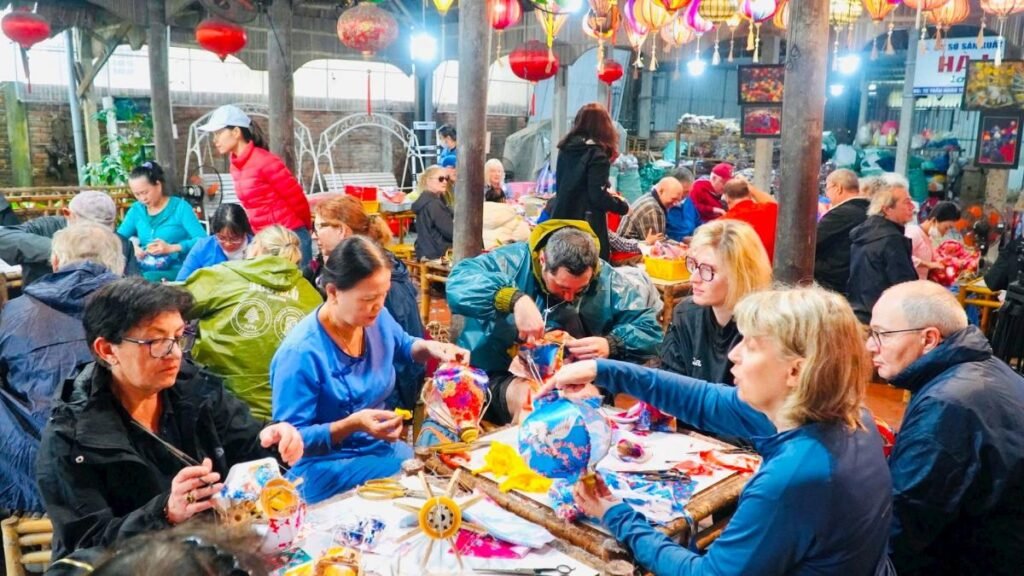
The combination of skilled craftsmanship, competitive pricing, and personalized service attracts travelers from around the world. In addition to tailoring, visitors can shop for handmade lanterns, ceramics, artwork, leather goods, silk products, and locally produced souvenirs. Hoi An thriving artisan culture is reflected in its renowned tailor shops, traditional lantern workshops, and vibrant local markets, where visitors can discover handcrafted products and unique souvenirs that capture the spirit of the ancient town.
Where To Stay In Hoi An
Hoi An offers accommodation options for every type of traveler, from luxurious beachfront resorts and stylish boutique hotels to cozy guesthouses, homestays, and budget-friendly hostels. Those who want to be close to major attractions often choose to stay near the Ancient Town, where historic streets, restaurants, cafes, and cultural landmarks are just a short walk away. Travelers seeking a more peaceful atmosphere may prefer accommodations near An Bang Beach, where they can enjoy ocean views and a slower pace of life.
Many hotels and resorts in Hoi An blend traditional Vietnamese architecture with modern comforts, creating a unique and memorable stay. Boutique properties are particularly popular for their personalized service and charming design, often reflecting the town’s rich cultural heritage. Whether you’re planning a romantic getaway, a family vacation, or a solo adventure, Hoi An offers a wide range of comfortable accommodations to suit every budget and travel style.
Day Trips From Hoi An
Hoi An serves as an excellent base for exploring Central Vietnam. My Son Sanctuary, an ancient Hindu temple complex dating back more than a thousand years, offers fascinating insights into the history of the Champa Kingdom. The city of Da Nang provides modern attractions, vibrant nightlife, shopping centers, and beautiful coastal scenery.
Hue, Vietnam’s former imperial capital, showcases royal architecture, historic tombs, and significant cultural landmarks that reveal another chapter of the country’s rich history. The Hai Van Pass, often regarded as one of the world’s most scenic coastal roads, offers breathtaking views and unforgettable road trip opportunities. These nearby destinations can easily be visited as day trips or incorporated into a broader Central Vietnam itinerary.
Travel Tips For Visiting Hoi An In 2026
A little planning can go a long way in helping you make the most of your time in Hoi An. While the town is easy to navigate and welcoming for first-time visitors, knowing a few practical tips beforehand can greatly enhance your overall experience.
One of the best ways to enjoy Hoi An is to start your day early. The Ancient Town is at its most beautiful in the morning, when the streets are quieter, temperatures are cooler, and soft natural light highlights the town’s iconic yellow buildings and historic architecture. Early hours also provide excellent opportunities for photography before tour groups and larger crowds arrive.
Since much of Hoi An is best explored on foot, comfortable walking shoes are highly recommended. Wandering through the narrow streets, riverside pathways, local markets, and hidden alleys is one of the greatest pleasures of visiting the town, and you’ll likely spend several hours each day exploring on foot.
Although digital payment methods are becoming increasingly common throughout Vietnam, carrying some cash is still a good idea. Smaller vendors, traditional markets, street food stalls, and local shops may prefer cash payments, making it convenient to have Vietnamese Dong readily available during your visit.
When visiting temples, pagodas, and other cultural landmarks, travelers should dress respectfully to show consideration for local customs and traditions. Lightweight clothing that covers the shoulders and knees is generally appropriate, particularly when entering religious sites.
While some travelers visit Hoi An as a quick stop on a larger Vietnam itinerary, the town rewards those who stay a little longer. Spending at least three to four days allows enough time to fully appreciate the Ancient Town, relax on nearby beaches, explore the surrounding countryside, participate in cooking classes, sample the region’s renowned cuisine, and take day trips to nearby attractions. Rather than rushing from one landmark to another, Hoi An is a destination best enjoyed at a slower pace, allowing visitors to immerse themselves in its unique atmosphere and timeless charm.
Why Hoi An Should Be On Your Vietnam Bucket List
Hoi An offers something increasingly rare in modern travel: a destination that feels both timeless and authentic.
Its beautifully preserved heritage, welcoming atmosphere, exceptional cuisine, cultural richness, and scenic surroundings create an experience that resonates long after the journey ends. Whether you are strolling through lantern-lit streets, cycling through rice fields, learning traditional cooking techniques, relaxing on a nearby beach, or simply enjoying a riverside coffee, Hoi An invites travelers to slow down and appreciate the beauty of everyday life.
For anyone planning a Vietnam adventure in 2026, Hoi An deserves a place at the very top of the itinerary.
As one of Southeast Asia’s most captivating destinations, Hoi An continues to enchant travelers with its remarkable blend of history, culture, cuisine, and natural beauty. This Hoi An Travel Guide 2026 highlights why the town remains a must-visit destination for anyone exploring Vietnam.
From UNESCO-protected heritage sites and world-famous lantern festivals to unforgettable food experiences and nearby beaches, Hoi An offers countless opportunities to create meaningful travel memories. Whether you’re visiting for a few days or making it a central part of your Vietnam journey, the town promises an experience that is both inspiring and unforgettable.
After exploring the timeless charm of Hoi An, continue your Vietnamese adventure in Ho Chi Minh City with Saigon Taste Tours.
Come explore the real Saigon with us at Saigon Taste Tours, where you don’t just see the city, you taste it. From hidden street food gems and bustling local markets to authentic cultural experiences led by passionate local guides, our tours reveal a side of Saigon that most travelers never get to see.
Discover the city beyond the tourist spots with Saigon Taste Tours. Come explore the real Saigon with us – where you don’t just see the city, you taste it.
For custom itineraries and group bookings, pricing depends on group size. Contact Ben via WhatsApp: +84 383 624 632. If you have any questions, please don’t hesitate to ask.We are looking forward to showing you around our lovely country!
Book your experience today and discover Vietnam like a local!

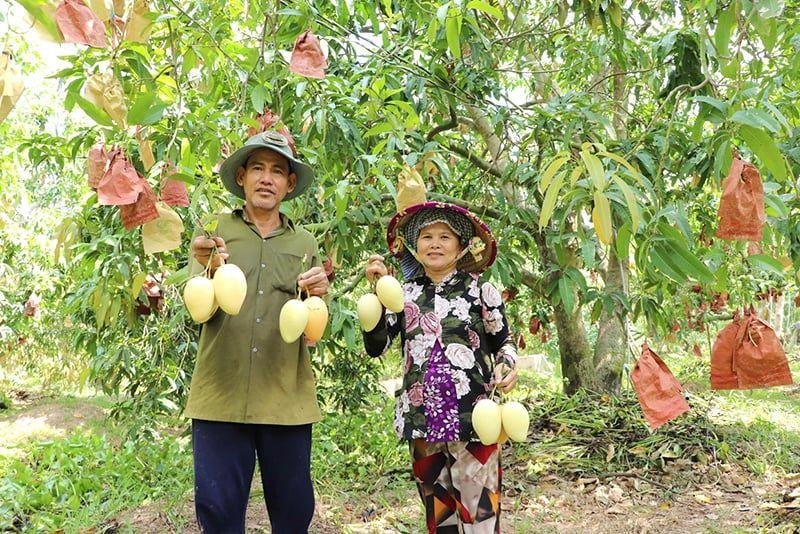

Saigon Taste Tours team
Welcome to SAIGON TASTE Tours! We’re a team of passionate local guides dedicated to sharing the real Saigon and Vietnam through food, culture, and hidden gems. From bustling street food stalls and historic landmarks to outdoor adventures and peaceful nature escapes, our tours are designed to be authentic and unforgettable. Every experience is private and tailored to you, guided by knowledgeable locals who go above and beyond to make you feel like you’re exploring with a friend. With us, you won’t just visit Vietnam — you’ll truly experience it. We can’t wait to welcome you! Best regards, Ben and the SAIGON TASTE Tours
saigontastetours@gmail.com Click to Connect with Us
Leave a Reply