
Don’t Visit Vietnam During These Months
Worst Time To Visit Vietnam
Vietnam has become one of the most exciting travel destinations in Southeast Asia. From the chaotic energy of Ho Chi Minh City to the peaceful rice terraces in Sapa and the tropical beaches of Phu Quoc, the country offers an unforgettable experience for every type of traveler. However, one mistake causes more disappointment than almost anything else: visiting Vietnam during the wrong season.
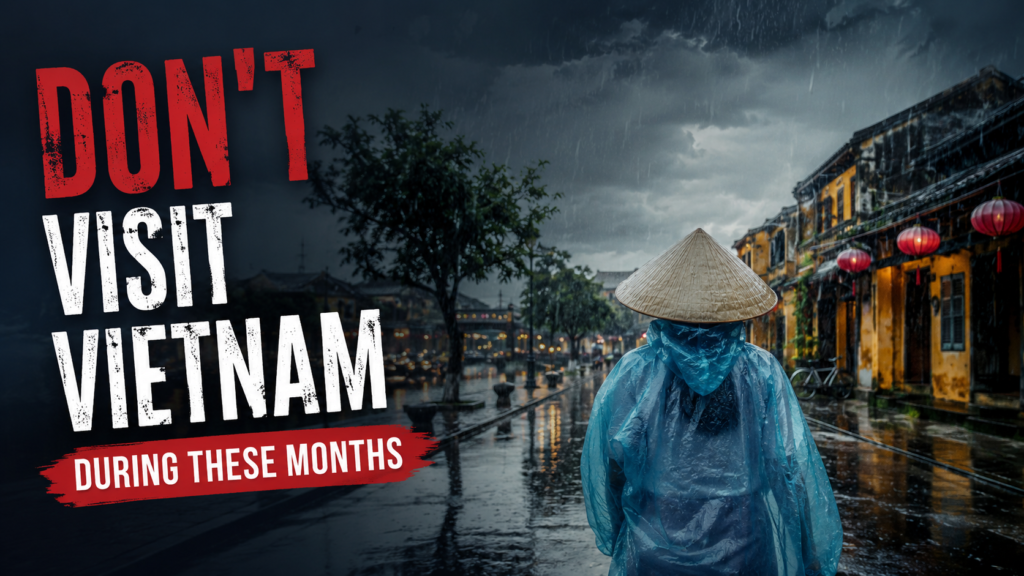
Many travelers assume Vietnam has the same weather throughout the country. In reality, Vietnam stretches across multiple climate zones, meaning one region may have beautiful sunshine while another suffers from flooding, storms, or unbearable humidity at the exact same time.
This is why understanding the best time to visit Vietnam is extremely important before booking flights or hotels. The weather can completely change your travel experience, especially for beach vacations, food tours, outdoor adventures, and sightseeing trips.
Why Vietnam’s Weather Confuses Travelers
One of the biggest Vietnam travel planning mistakes is treating the country as a single climate destination. Vietnam is over 1,600 kilometers long, meaning weather conditions change dramatically between the north, center, and south.
In northern Vietnam, winters can become surprisingly cold, especially in mountain areas like Sapa or Ha Giang. During the same week, southern Vietnam may be hot and sunny with tropical beach weather. Meanwhile, central Vietnam could be experiencing heavy storms and flooding.
This creates confusion for first-time visitors. Travelers often search “best time to visit Vietnam” online and receive generic answers that do not reflect regional differences. As a result, many tourists accidentally visit beach destinations during rainy season or arrive during major holiday congestion.
The #1 Vietnam Travel Planning Mistake
The number one mistake travelers make is choosing travel dates before deciding which region of Vietnam they want to explore.
Vietnam is not a country where one season works perfectly everywhere. A traveler visiting Hanoi, Da Nang, and Phu Quoc in one trip may encounter completely different weather conditions within only a few days.
For example, many tourists visit Central Vietnam during summer expecting paradise beaches. Instead, they face extreme heat, crowded attractions, and uncomfortable humidity. Others arrive in Da Nang during October or November without realizing it is peak rainy season.
Another common mistake happens during Tet Holiday in Vietnam. International travelers often hear that Tet is culturally fascinating, which is true. However, they are sometimes unprepared for closed businesses, crowded transportation, expensive flights, and limited restaurant options.
Tet In Vietnam (January – February): Best Or Worst Time?
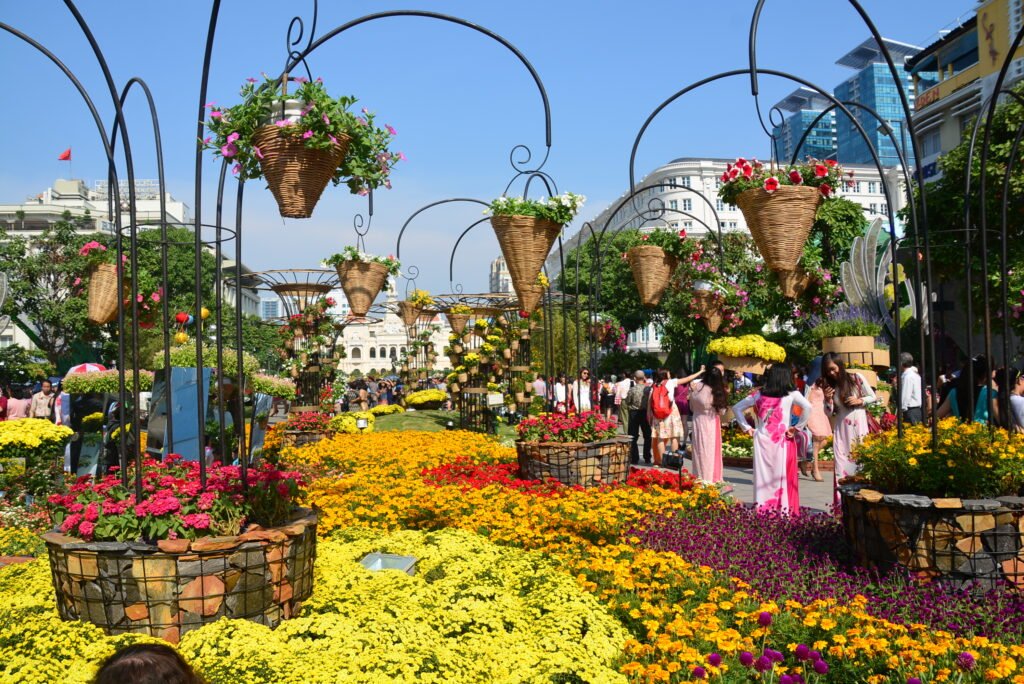
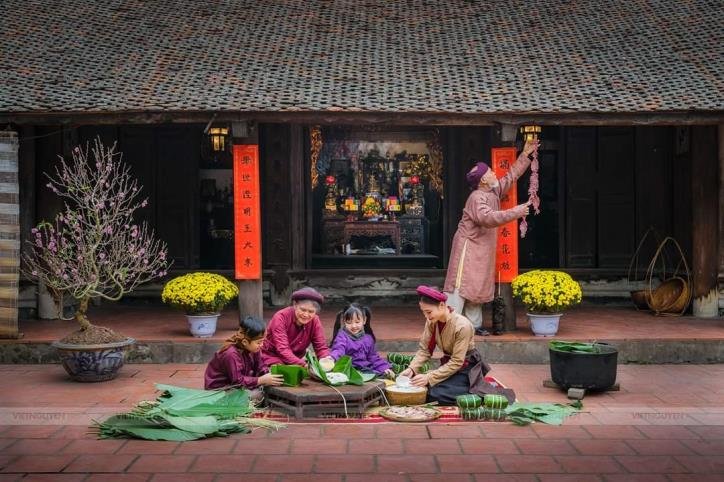
Tet Holiday is one of the most unique cultural experiences in Vietnam. Streets become decorated with flowers, families gather together, and cities transform into vibrant celebrations filled with tradition and local customs.
For travelers interested in culture, photography, and authentic Vietnamese traditions, Tet can be an unforgettable experience. You will see flower markets, traditional foods, red decorations, lion dances, and a completely different atmosphere from ordinary days.
However, Tet can also become extremely difficult for travelers who prioritize convenience and sightseeing efficiency.
Many local restaurants, family businesses, museums, and smaller shops temporarily close during the holiday. Domestic transportation becomes crowded as millions of Vietnamese people return to their hometowns. Flights and hotels may become significantly more expensive.
In large tourist cities like Ho Chi Minh City, some streets become quieter than usual because locals leave town to visit family. While some travelers love this peaceful atmosphere, others feel disappointed when favorite attractions or food spots are unavailable.
Summer in Vietnam: The Biggest Travel Trap
Summer appears attractive because many travelers associate it with beach vacations and school holidays. But for many parts of Vietnam, summer can actually be one of the most exhausting periods to visit.
From May to August, temperatures in major cities can become intensely hot and humid. In Ho Chi Minh City, sudden tropical downpours happen frequently. In Hanoi, heat combined with humidity can feel overwhelming for travelers not used to Southeast Asian climates.
Central Vietnam destinations such as Da Nang, Hoi An, and Hue experience harsh sunlight during peak summer months. Walking tours, sightseeing, and outdoor activities become physically tiring during midday hours.
Crowds also become a serious issue. Domestic tourism increases dramatically during Vietnamese summer holidays, causing beaches, attractions, and resorts to become overcrowded.
Despite these challenges, summer is still manageable for travelers who plan carefully. Early morning activities, indoor breaks during midday, and slower itineraries can help make the experience more enjoyable.
Da Nang & Central Vietnam Rainy Season Trap
One of the worst timing mistakes travelers make is visiting Central Vietnam between September and November without checking weather patterns.
This period is often the rainy and storm season for destinations like Da Nang, Hoi An, and Hue. Heavy rain can continue for days, and flooding occasionally affects old town areas, especially in Hoi An.
Many travelers book beach vacations expecting sunny weather because Vietnam is considered tropical. Unfortunately, Central Vietnam follows a very different seasonal pattern from southern Vietnam.
Typhoons occasionally impact the region during these months, causing flight delays, rough seas, and canceled outdoor tours.
This does not mean travelers should completely avoid Central Vietnam during rainy season. Some visitors enjoy fewer crowds and lower hotel prices. However, flexible schedules become extremely important.
Best Time for Beach Travelers & Phu Quoc
For beach lovers, timing is everything in Vietnam.
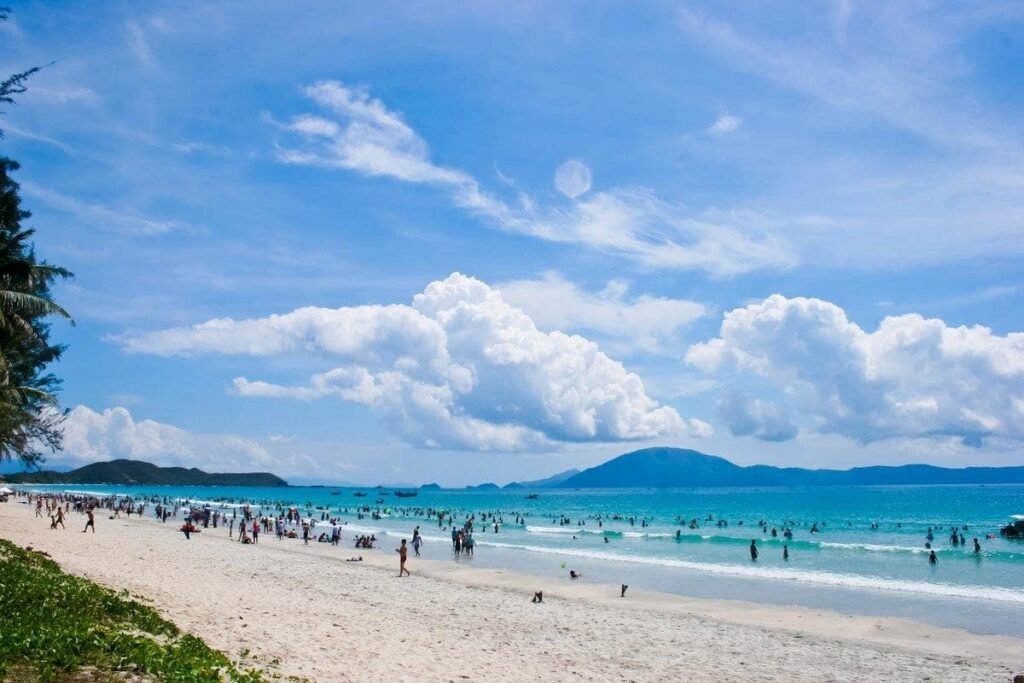
Phu Quoc is considered one of the best tropical island destinations in the country, but weather conditions change dramatically throughout the year. The ideal period to visit Phu Quoc is usually from November to April, when rainfall decreases and sunshine becomes more reliable.
During these months, travelers can enjoy clearer skies, calmer seas, and better island activities such as snorkeling, boat tours, and sunset watching.
From May onward, rain becomes more frequent. While showers do not happen all day every day, the weather becomes less predictable, especially during peak monsoon months.
Nha Trang also performs differently from other beach destinations because its dry season can extend later into the year. This makes it attractive when other regions experience poor weather.
For travelers searching for the best time to visit Vietnam beaches, understanding regional weather patterns is essential instead of assuming every beach destination shares identical conditions.
Best Time to Visit Vietnam by Region & Traveler Type
Northern Vietnam
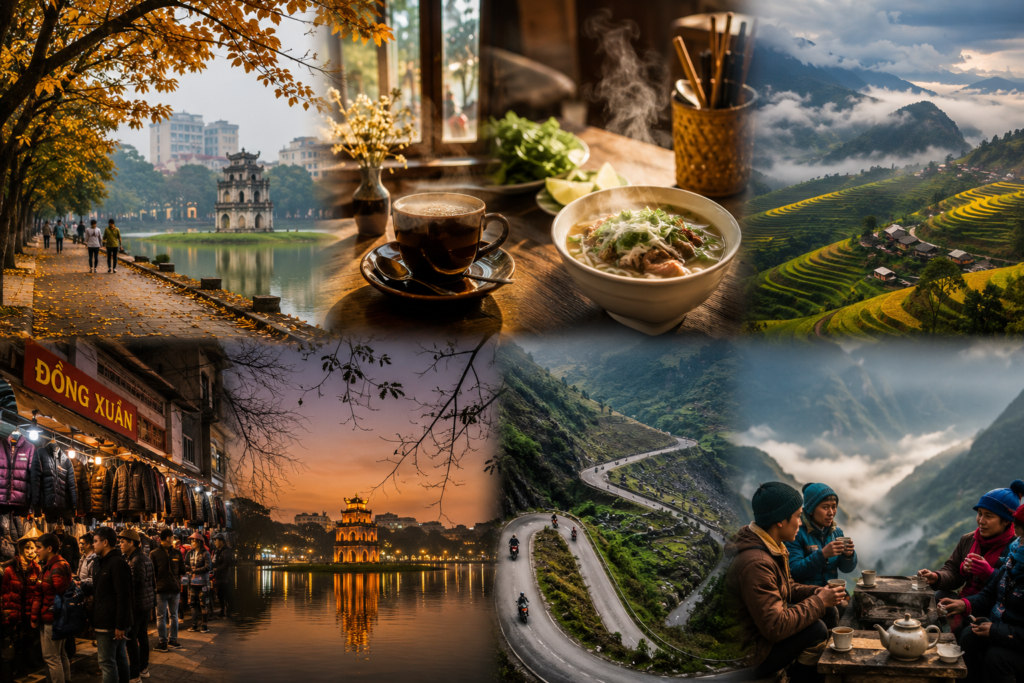
The best time to visit Northern Vietnam is usually from October to April, when the weather becomes cooler, drier, and far more comfortable for exploring the region’s mountains, cities, and outdoor landscapes. This is the season when travelers finally realize Vietnam is not “always tropical.” In fact, some visitors arrive in Hanoi expecting endless summer weather and end up buying jackets from the night market after one chilly evening walk around Hoan Kiem Lake.
Autumn in Hanoi is especially charming. The heat and humidity of summer slowly disappear, replaced by cooler air, golden sunlight, and tree-lined streets covered with fallen leaves. Cafés become busier, locals spend more time outdoors, and walking through the Old Quarter suddenly feels romantic instead of feeling like a survival challenge against humidity. Street food also somehow tastes even better when the weather cools down, a hot bowl of pho on a cold Hanoi morning simply hits differently.
Meanwhile, mountain destinations like Sapa and Ha Giang become absolutely stunning during the cooler months. From September to November, rice terraces turn golden and create some of the most beautiful landscapes in Southeast Asia. During winter, temperatures can drop surprisingly low, especially at night, giving travelers a completely different side of Vietnam that many never expect. It is one of the few places in Southeast Asia where you can drink hot tea while wearing a thick jacket and staring at misty mountains.
For adventure travelers, this season is ideal for trekking, motorbike loops, hiking, and photography. The skies are often clearer, making mountain views far more impressive compared to the foggy and rainy summer season. Ha Giang’s winding roads become especially breathtaking during this period, although first-time riders may still discover that “Vietnamese mountain roads” and “Google Maps estimated driving times” are two completely different realities.
However, Northern Vietnam during winter is not perfect for everyone. Some travelers underestimate how cold it can feel because many local buildings are not designed for freezing temperatures the same way Western countries are. A 12°C night in Hanoi can somehow feel colder indoors than winter back home, a strange experience many tourists remember very well.
Still, for most travelers, the cooler season remains the best overall time to experience Northern Vietnam comfortably while enjoying the region’s culture, landscapes, and famous street food scene.
Central Vietnam
The ideal time to visit Central Vietnam is generally between February and August, before the heavy rainy season and typhoon months begin later in the year. During this period, destinations like Da Nang, Hoi An, and Hue enjoy longer sunny days, clearer skies, and more stable weather conditions, making it one of the most popular travel seasons for international visitors.
Spring and early summer are especially attractive because travelers can comfortably combine beach vacations, cultural sightseeing, and outdoor activities in one trip. Da Nang offers beautiful beach weather and modern coastal resorts, while Hoi An becomes lively with lantern-lit evenings, riverside cafés, and walking streets filled with local charm. Hue, the former imperial capital of Vietnam, is also more enjoyable to explore during these months thanks to drier weather and cooler mornings compared to the rainy season.
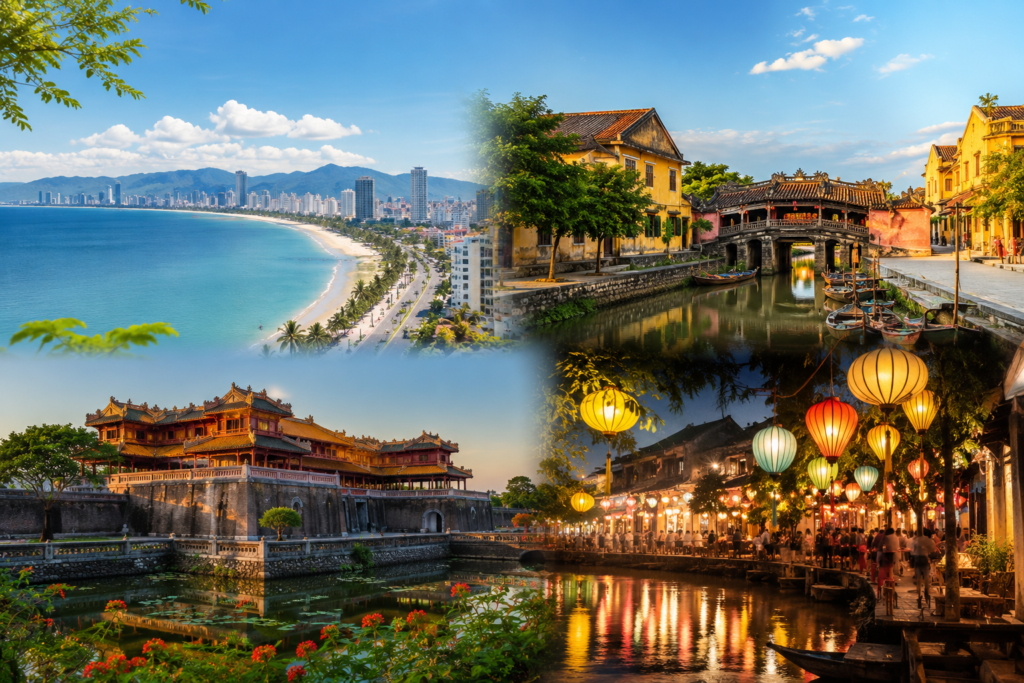
For travelers planning a beach holiday, this period is considered the safest choice for Central Vietnam. The ocean is generally calmer, boat tours operate more consistently, and outdoor experiences such as island hopping, street food tours, cycling, and photography become much more comfortable.
However, from September onward, weather conditions can change dramatically as Central Vietnam enters its rainy and storm season. This is why careful timing is extremely important when planning a trip to this region.
Southern Vietnam
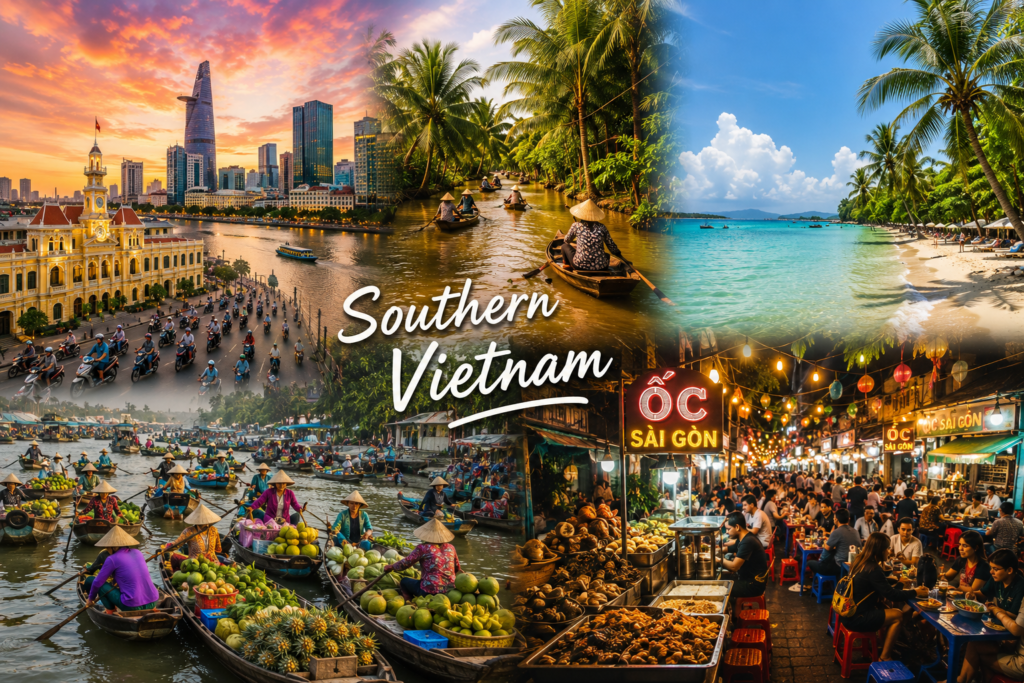
Southern Vietnam stays warm and tropical throughout the year, which is one reason many travelers love the region so much. Unlike Northern Vietnam, where temperatures can become surprisingly cold during winter, the south maintains a much more stable climate. However, the most comfortable time to visit is generally between December and April, when the dry season brings sunnier skies, lower humidity, and fewer sudden tropical downpours.
During these months, Ho Chi Minh City becomes far more enjoyable for walking tours, café hopping, rooftop bars, and street food adventures. The city still feels energetic and chaotic in the best possible way, but travelers can explore local markets, hidden alleyways, and famous attractions without constantly checking the sky for rain clouds every twenty minutes. Sidewalks become less flooded, traffic feels slightly less dramatic during storms, and tourists quickly discover that crossing the street in Saigon already feels adventurous enough without adding heavy rain into the experience.
This is also considered one of the best periods for beach travelers heading to Phu Quoc, Con Dao, or the Mekong Delta region. In Phu Quoc, calmer seas and clearer skies create better conditions for island hopping, snorkeling, sunset cruises, and relaxing beach days. The ocean often looks postcard-perfect during the dry season, which explains why so many travelers suddenly become “sunset photographers” after arriving on the island.
Meanwhile, the Mekong Delta feels especially vibrant during this period. Boat tours, floating markets, countryside cycling trips, and river experiences become much more pleasant under stable weather conditions. The combination of tropical scenery, local life, and warm hospitality creates a slower and more relaxing atmosphere compared to Vietnam’s larger cities.
That said, Southern Vietnam is still very visitable during rainy season. Unlike Central Vietnam, rain in the south often comes in short but intense bursts rather than lasting all day. Many experienced travelers actually enjoy this rhythm: sunny mornings, dramatic afternoon rain, and cooler evenings afterward. It becomes part of the tropical experience.
Final Thoughts: When Should You Avoid Vietnam?
Here is no single “worst time” to visit Vietnam because weather conditions depend heavily on region and travel style. However, many travelers regret visiting without understanding seasonal differences.
If your priority is beach relaxation, avoid Central Vietnam during peak rainy season. If you dislike crowds and transportation chaos, Tet Holiday may not be ideal. If extreme heat bothers you, summer months can become exhausting.
The secret to planning the perfect Vietnam trip is not avoiding the country entirely during certain months, it is choosing the right region at the right time.
Explore Vietnam Like A Local
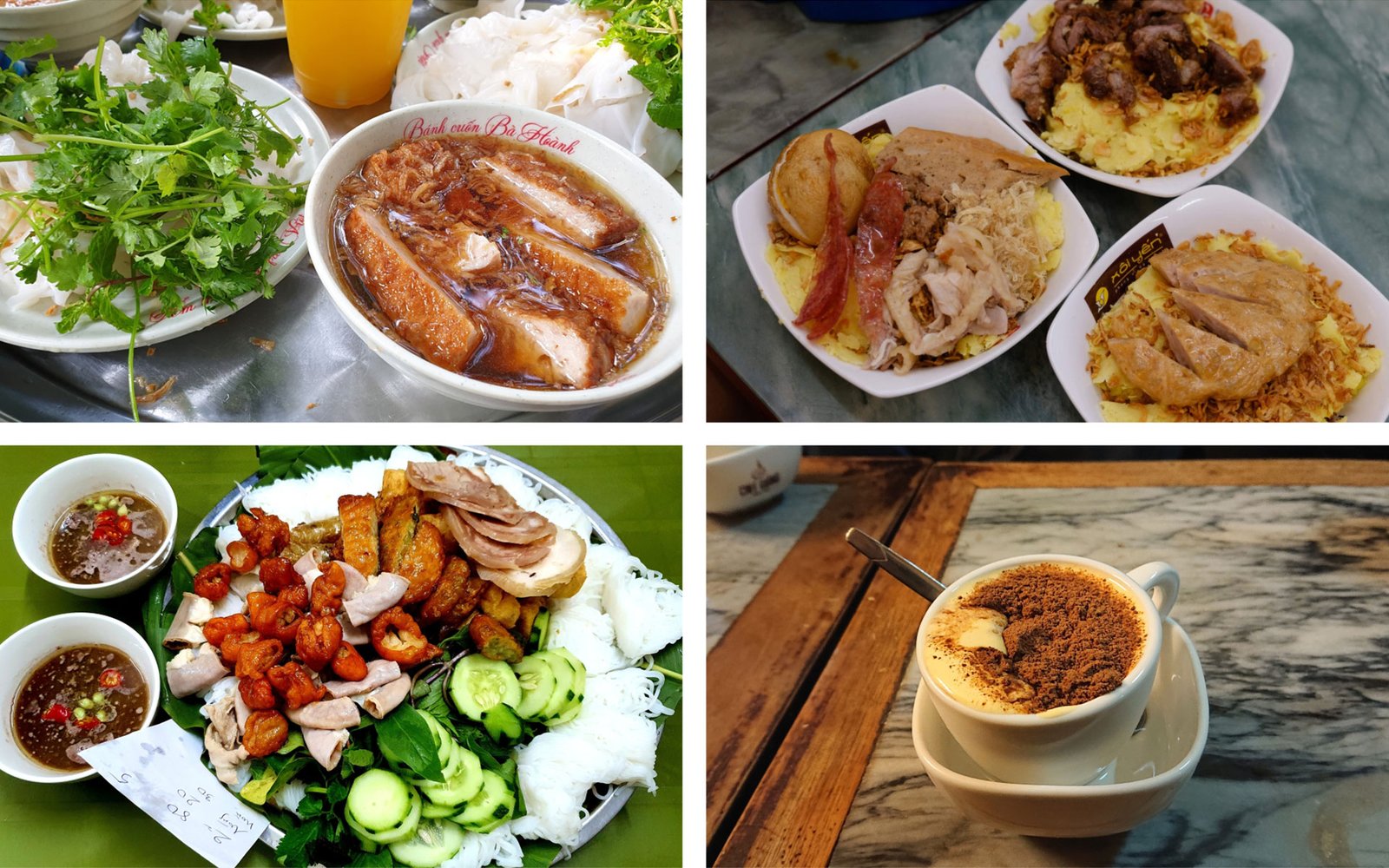
Vietnam is far more than breathtaking landscapes, famous landmarks, and beautiful beaches. The true soul of the country lives in its street food stalls, hidden alleyways, bustling local markets, and the everyday rhythm of local life that many travelers never experience on ordinary tourist itineraries.
Some of the most unforgettable moments in Vietnam are often the simplest ones, sitting on a tiny plastic stool eating a hot bowl of noodles, hearing the nonstop sound of motorbikes passing through narrow streets, or discovering a hidden family-run food stall that has been serving locals for generations. These are the experiences that make travelers fall in love with Vietnam long after their trip ends.
If you want to experience the authentic side of Saigon beyond the typical tourist attractions, local food tours are one of the best ways to truly understand the city, its people, and its culture. Food in Vietnam is not just about eating, it is deeply connected to history, family traditions, regional identity, and everyday life.
Come explore the real Saigon with us at Saigon Taste Tours, where you don’t just see the city, you taste it.
Join unforgettable street food adventures, discover hidden local eateries tucked away inside Saigon’s maze-like alleyways, and experience Vietnamese culture one bite at a time. Whether you are visiting Vietnam for the first time or returning for another adventure, let Saigon surprise you with flavors, stories, and local experiences you will never forget.
Book your tour today and discover why the best memories in Vietnam often begin with a simple street food stall and a local guide who knows the city like home.
Discover the city beyond the tourist spots with Saigon Taste Tours. Come explore the real Saigon with us – where you don’t just see the city, you taste it.
For custom itineraries and group bookings, pricing depends on group size. Contact Ben via WhatsApp: +84 383 624 632. If you have any questions, please don’t hesitate to ask.We are looking forward to showing you around our lovely country!
Book your experience today and discover Vietnam like a local!

Saigon Taste Tours team
Welcome to SAIGON TASTE Tours! We’re a team of passionate local guides dedicated to sharing the real Saigon and Vietnam through food, culture, and hidden gems. From bustling street food stalls and historic landmarks to outdoor adventures and peaceful nature escapes, our tours are designed to be authentic and unforgettable. Every experience is private and tailored to you, guided by knowledgeable locals who go above and beyond to make you feel like you’re exploring with a friend. With us, you won’t just visit Vietnam — you’ll truly experience it. We can’t wait to welcome you! Best regards, Ben and the SAIGON TASTE Tours
saigontastetours@gmail.com Click to Connect with Us
Leave a Reply