FEATURED TOUR-5%
4 hours
$59.85 $63.00
Vietnam is a paradise for food lovers. From steaming bowls of phở on busy sidewalks to late-night street food stalls, every corner offers something delicious.
But with such a vibrant and diverse food culture, one question often comes up: “How do you avoid food poisoning in Vietnam while still enjoying local food?”
The answer isn’t to avoid street food, it’s to understand it. With the right knowledge, you can confidently explore Vietnamese cuisine while minimizing risks.
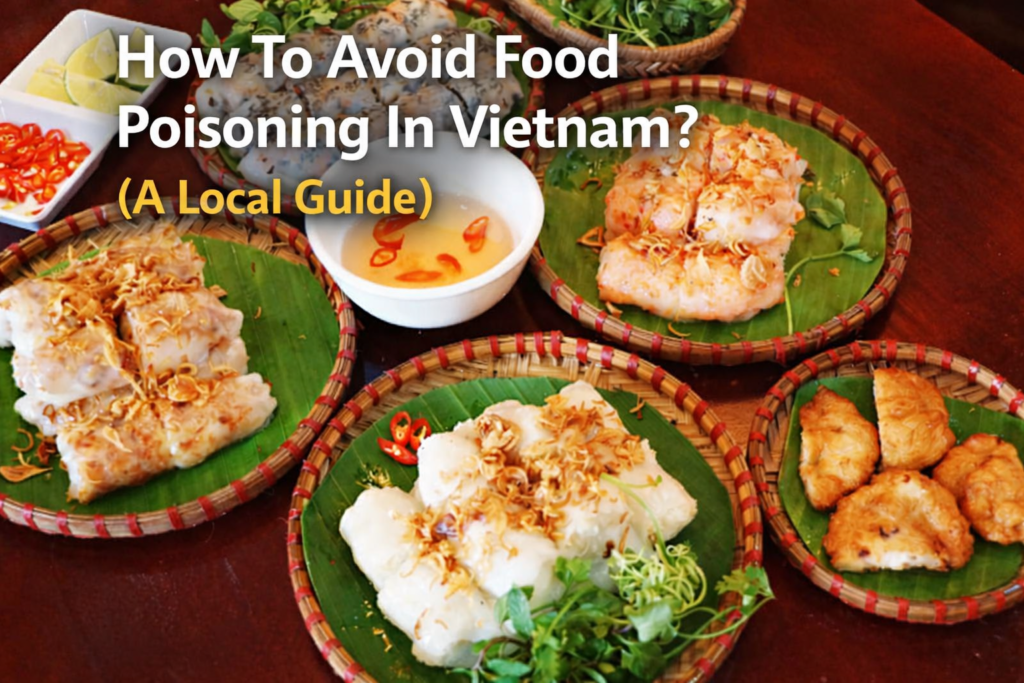
Food poisoning is typically caused by bacteria such as Salmonella or E. coli, which can contaminate food through improper handling, storage, or cooking.
Even if food looks and smells normal, harmful bacteria may still be present. Travelers are more vulnerable because:
The goal isn’t to avoid local food, but to make smarter choices.
If there’s one rule that locals follow instinctively, it’s this: go where the crowd is. In cities like Hồ Chí Minh City or Hà Nội, a busy food stall is rarely a coincidence. It usually means the food is fresh, ingredients are constantly being replaced, and dishes are prepared continuously throughout the day.
In Vietnam’s tropical climate, this matters more than you might think. Heat and humidity create the perfect environment for bacteria to grow quickly, especially in meat and seafood. A quiet stall, where food sits untouched for hours, simply carries more risk.
Locals tend to eat at peak hours, not just out of habit, but because that’s when food is at its freshest. If you time your meals around lunch and dinner rush, you’re already making a safer choice without even trying.
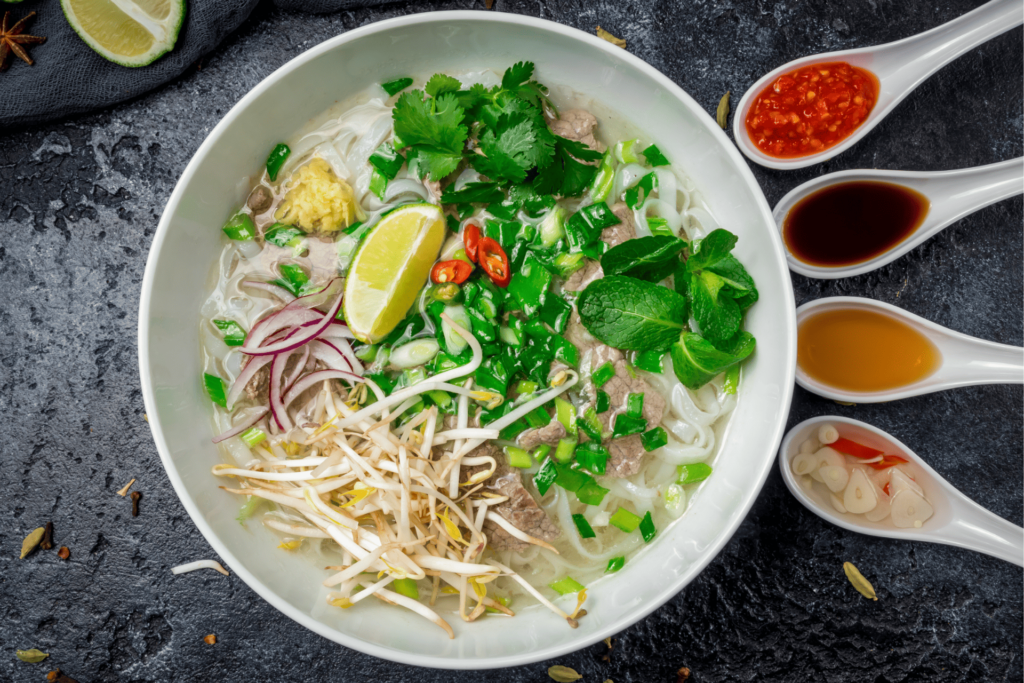
One of the easiest ways to reduce your risk is to pay attention to temperature. Food that is freshly cooked and served hot is far less likely to carry harmful bacteria. Fortunately, Vietnamese cuisine makes this easy, many dishes are prepared right in front of you, whether it’s a pot of phở simmering on the street or meat sizzling over charcoal.
Problems usually arise when food is cooked in advance and left at room temperature. Even if it looks fine, bacteria may already be multiplying. That’s why it’s best to avoid lukewarm dishes or anything that has clearly been sitting out for a while.
When in doubt, choose something that’s still steaming when it reaches your table.
Water is one of the most common causes of stomach issues for travelers. Tap water in Vietnam isn’t safe to drink, so bottled water should always be your go-to choice.
Ice, however, sits somewhere in between. In major cities, most vendors use industrial ice, which is generally safe and easy to recognize by its clear, uniform shape. Still, not every place follows the same standards. Smaller roadside stalls may use less reliable sources, and that’s where caution comes in.
If you ever feel unsure, skipping ice altogether is a simple way to eliminate unnecessary risk.
Fresh herbs are an essential part of Vietnamese cuisine. They add fragrance, texture, and balance to many dishes, but they can also carry bacteria if not washed properly.
This doesn’t mean you need to avoid them entirely. In well-established restaurants, hygiene standards are typically higher, and vegetables are cleaned more carefully. However, at smaller street stalls, the process may be less controlled.
If your stomach is sensitive, a simple adjustment, like choosing cooked vegetables or dipping herbs briefly into hot broth, can make a noticeable difference without taking away the experience.
Walking through Vietnamese streets, you’ll often see colorful fruit carts offering ready-to-eat snacks. While tempting, these can sometimes be exposed to dust and bacteria, especially when pre-cut and left out in the open.
A safer approach is to choose fruits that can be peeled, such as bananas or oranges, or to buy from vendors who prepare them fresh in front of you. This way, you can enjoy the freshness without worrying about how long the fruit has been sitting out.
Even something as simple as washing fruit before eating can significantly reduce risk.
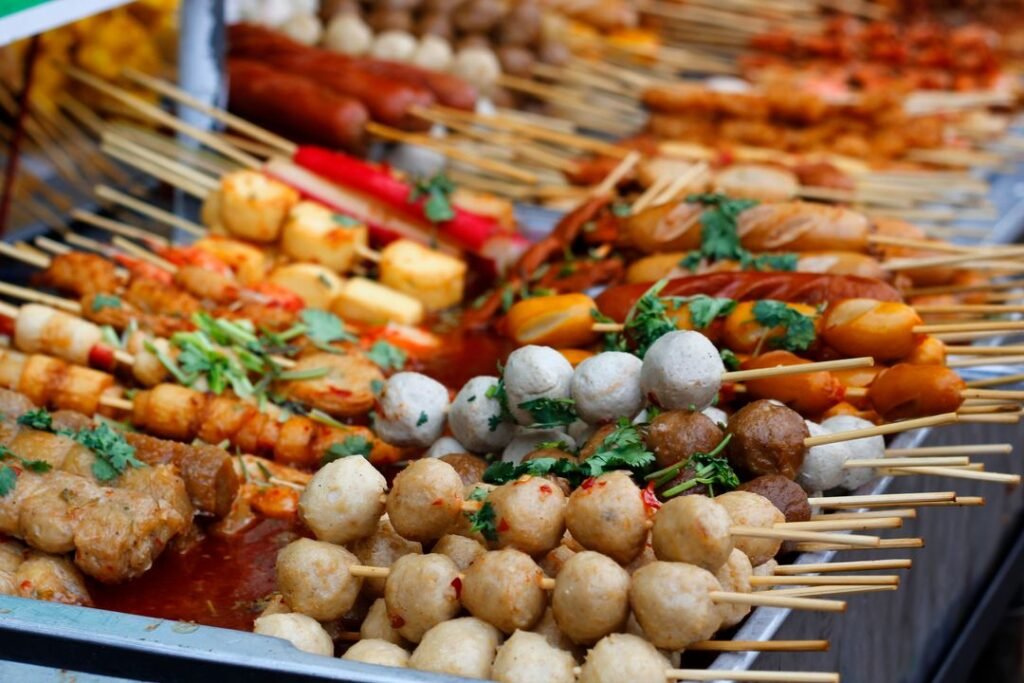
Sometimes, the biggest risks don’t come from the food itself, but from simple habits. Touching food with unwashed hands or eating in a rush without basic hygiene can introduce bacteria into your system.
Carrying a small bottle of hand sanitizer and using it before meals is one of the easiest ways to protect yourself. It may seem minor, but it’s often the difference between a smooth trip and an uncomfortable one.
Beyond what you eat, it’s also worth observing how food is prepared. Clean utensils, separate areas for raw and cooked food, and an organized cooking space are all signs of a trustworthy vendor.
In contrast, a cluttered setup where everything is mixed can increase the chance of cross-contamination.
You don’t need to overanalyze every detail, but a glance is often enough to tell whether a place feels safe.
Trying new food is one of the best parts of traveling, but doing too much too quickly can overwhelm your system. Vietnamese cuisine includes different spices, oils, and cooking methods that your body may not be used to.
Starting with familiar dishes and gradually exploring more adventurous options gives your digestive system time to adapt. This approach allows you to enjoy more without discomfort.
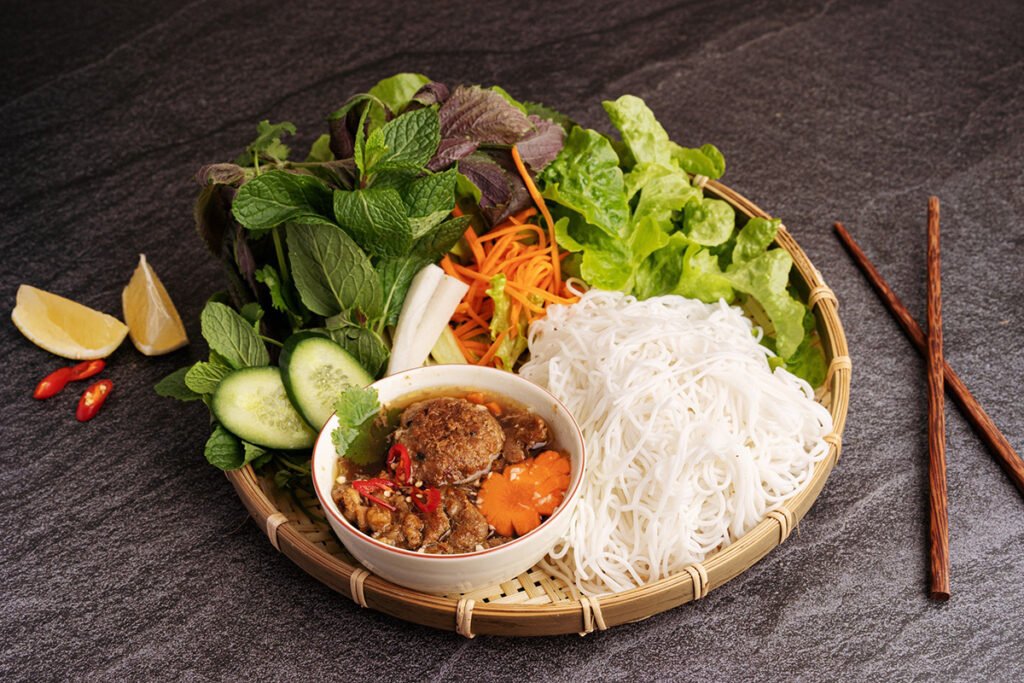
Even with precautions, it can still happen. If it does, the most important thing is to stay hydrated and give your body time to recover. Light meals like soup or porridge are easier to digest, while heavy or greasy foods should be avoided.
Most mild cases pass within a day or two, but if symptoms become severe or persist, seeking medical care is the right decision.
Vietnam is one of the most exciting food destinations in the world. The goal isn’t to avoid street food, it’s to approach it with awareness.
Once you understand how locals eat and what to look for, you’ll realize that enjoying Vietnamese food safely is not difficult at all. In fact, some of your best travel memories will likely come from those small street-side meals you almost walked past.
If you prefer a worry-free experience, exploring with locals can make all the difference.
At Saigon Taste Tours, we take you to carefully selected food spots, ensure hygiene standards, and help you discover authentic flavors safely.
Book your food tour today and enjoy Saigon’s street food like a local, without the stress!
4 hours
$59.85 $63.00
4 hours
$55.25 $65.00
4 hours
$33.25 $35.00
4 hours
$33.25 $35.00
4 hours
$33.25 $35.00
4 hours
$30.40 $32.00
4 hours
$46.55 $49.00
4 hours
$29.45 $31.00
12 hours
$40.50 $45.00
7.5 hours
$29.75 $35.00
10 hours
$58.65 $69.00
6.5 hours
$29.75 $35.00
9 hours
$50.15 $59.00
9 hours
$55.25 $65.00
10 hours
$58.65 $69.00
48 hours
$503.20 $592.00
8 hours
$38.25 $45.00

9 hours
$60.30 $67.00

9 hours
$60.30 $67.00
12 hours
$40.50 $45.00
8 hours
$66.60 $74.00
10 hours
$58.65 $69.00
4 hours
$55.25 $65.00

Welcome to SAIGON TASTE Tours! We’re a team of passionate local guides dedicated to sharing the real Saigon and Vietnam through food, culture, and hidden gems. From bustling street food stalls and historic landmarks to outdoor adventures and peaceful nature escapes, our tours are designed to be authentic and unforgettable. Every experience is private and tailored to you, guided by knowledgeable locals who go above and beyond to make you feel like you’re exploring with a friend. With us, you won’t just visit Vietnam — you’ll truly experience it. We can’t wait to welcome you! Best regards, Ben and the SAIGON TASTE Tours
saigontastetours@gmail.com Click to Connect with Us


Leave a Reply