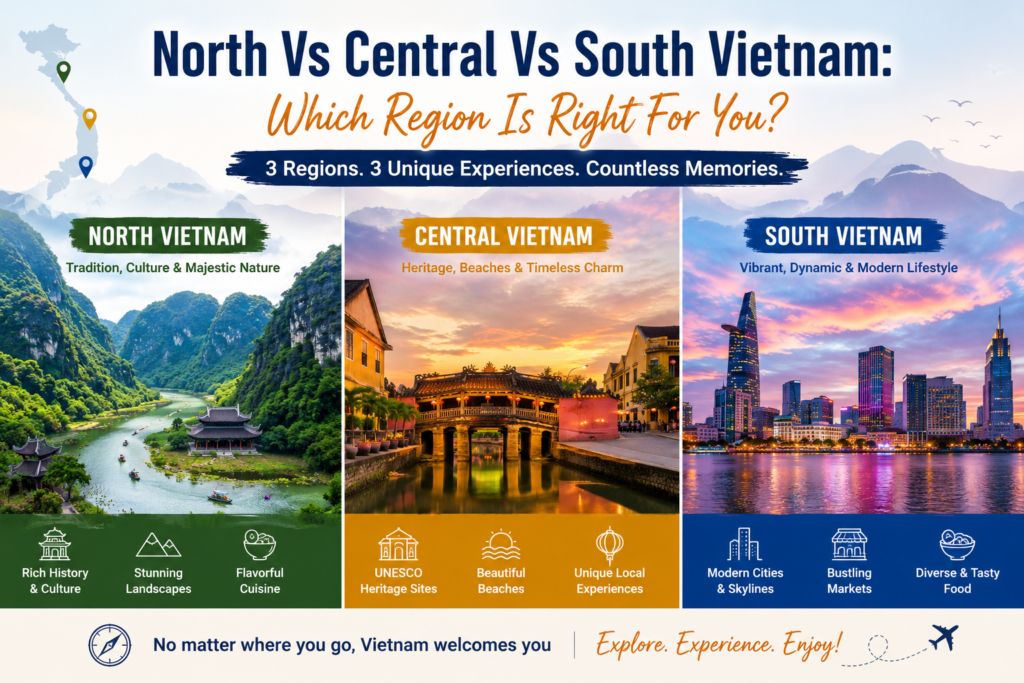
North Vs Central Vs South Vietnam: Which Region Is Right For You?
Understanding Vietnam through its three distinct regions
Vietnam may appear small on a map, but culturally, geographically, and historically, it is remarkably diverse.
Stretching over 1,600 kilometers from north to south, the country encompasses ancient capitals, imperial cities, tropical megacities, mountain villages, fishing communities, and some of Southeast Asia’s most spectacular coastlines. While Vietnam is one nation, many travelers quickly discover that each region offers a very different experience.
The North, Central, and South of Vietnam have developed under different historical circumstances, climates, economic conditions, and cultural influences. As a result, food tastes different, people communicate differently, architecture changes dramatically, and daily life can feel surprisingly distinct from one region to another.
For travelers planning their first trip, one common question often arises: “Which part of Vietnam should I visit?“
The answer depends less on which region is “better” and more on what kind of traveler you are.
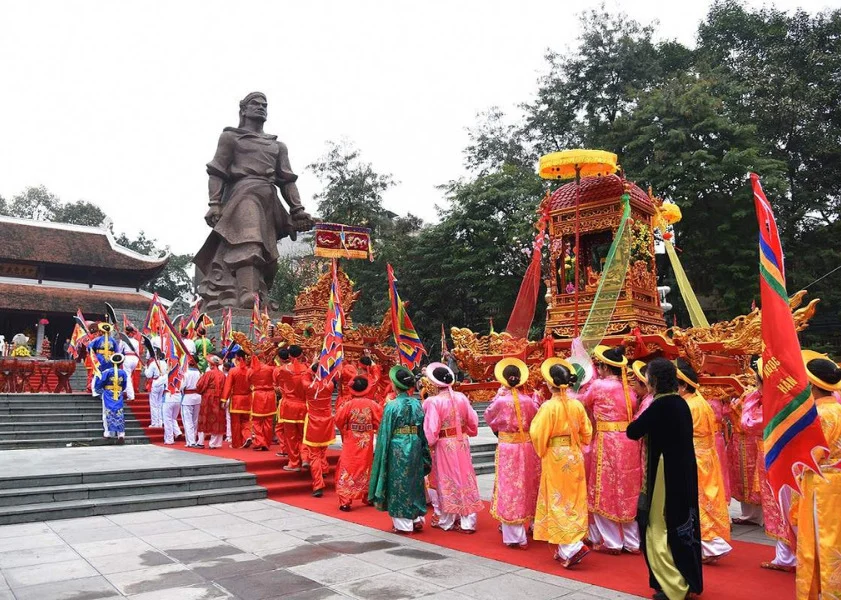
Northern Vietnam: Discovering the ancient soul of the country
For many Vietnamese people, the North represents the historical and cultural cradle of the nation.
This is where some of Vietnam’s oldest kingdoms emerged more than a thousand years ago. It is home to Hà Nội, the country’s capital, as well as countless temples, pagodas, ancient villages, and historical landmarks that have shaped Vietnamese identity for centuries.
Traveling through Northern Vietnam often feels like stepping into layers of history.
The streets of Hanoi reveal a fascinating blend of traditional Vietnamese culture, French colonial architecture, and modern urban life. Ancient temples sit quietly beside busy cafés, while family businesses continue operating from buildings that have existed for generations.
Beyond Hà Nội, destinations such as Ninh Bình, Hà Giang, Sapa, and Hạ Long Bay showcase landscapes that many travelers consider among the most beautiful in Asia.
But perhaps the most interesting aspect of Northern Vietnam is its cultural atmosphere.
Historically, the North experienced strong influences from Confucian philosophy, which emphasized education, family values, social harmony, and respect for tradition. Although modern Vietnam has evolved significantly, traces of these cultural values can still be seen in daily life today.
Visitors may notice that social interactions can feel slightly more formal compared to other parts of the country. Respect for elders, traditional etiquette, and family customs often remain important aspects of northern culture.
The North also endured long periods of hardship throughout the twentieth century, including war, economic difficulties, and resource shortages. These experiences helped shape a culture that often values practicality, discipline, and careful planning.
As a result, travelers sometimes observe that people in Northern Vietnam can appear more reserved during first encounters. However, once relationships develop, visitors frequently discover deep hospitality, generosity, and loyalty beneath that initial formality.
For travelers interested in history, heritage, traditional culture, ancient architecture, and understanding the deeper roots of Vietnamese civilization, Northern Vietnam offers an incredibly rewarding experience.
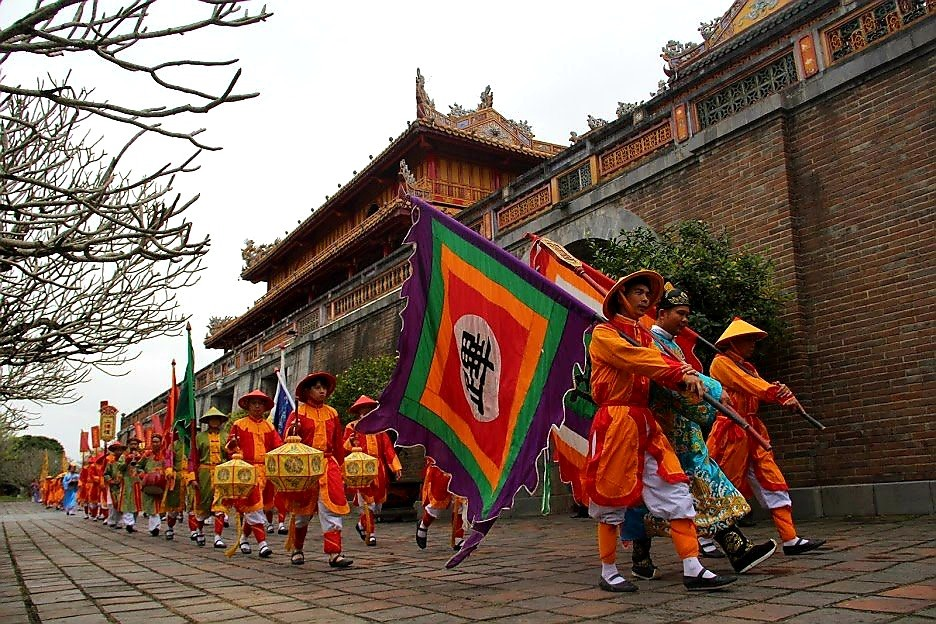
Central Vietnam: Where history meets the sea
Sitting between the North and the South, Central Vietnam serves as a fascinating cultural bridge between the two regions.
Historically, this area was once the heart of the Nguyễn Dynasty, Vietnam’s last imperial family. Cities such as Huế preserve royal palaces, imperial tombs, and architectural treasures that reveal a different chapter of Vietnamese history.
The region is also home to Hội An, one of the country’s most beloved destinations. Its lantern-lit streets, riverside atmosphere, and remarkably preserved merchant houses create an experience unlike anywhere else in Vietnam.
Central Vietnam feels slower and more relaxed than either Hà Nội or Hồ Chí Minh City.
Life here often revolves around family, community, fishing traditions, agriculture, and local craftsmanship. Visitors frequently describe the region as offering a balance between the historical depth of the North and the easy-going energy of the South.
Geographically, Central Vietnam is also famous for its spectacular coastline. Long sandy beaches, dramatic mountain passes, and luxury resorts make it particularly appealing to travelers seeking both culture and relaxation.
Food in Central Vietnam deserves special mention as well.
Many Vietnamese consider the region home to some of the country’s most refined and complex cuisine. Dishes often feature stronger flavors, greater spice levels, and intricate preparation methods that reflect centuries of royal culinary traditions.
For travelers who want a combination of history, beautiful beaches, local culture, and a slightly slower pace of life, Central Vietnam can be an ideal choice.
Southern Vietnam: Dynamic, modern, and open to the world
If Northern Vietnam represents the country’s ancient roots, Southern Vietnam often represents its modern energy and international outlook.
The South developed differently from the North in many ways. Much of the region was settled later in Vietnamese history, and over the centuries it became a crossroads of Vietnamese, Khmer, Chinese, French, and later Western influences.
Today, this history contributes to the vibrant and cosmopolitan atmosphere that many visitors immediately notice.
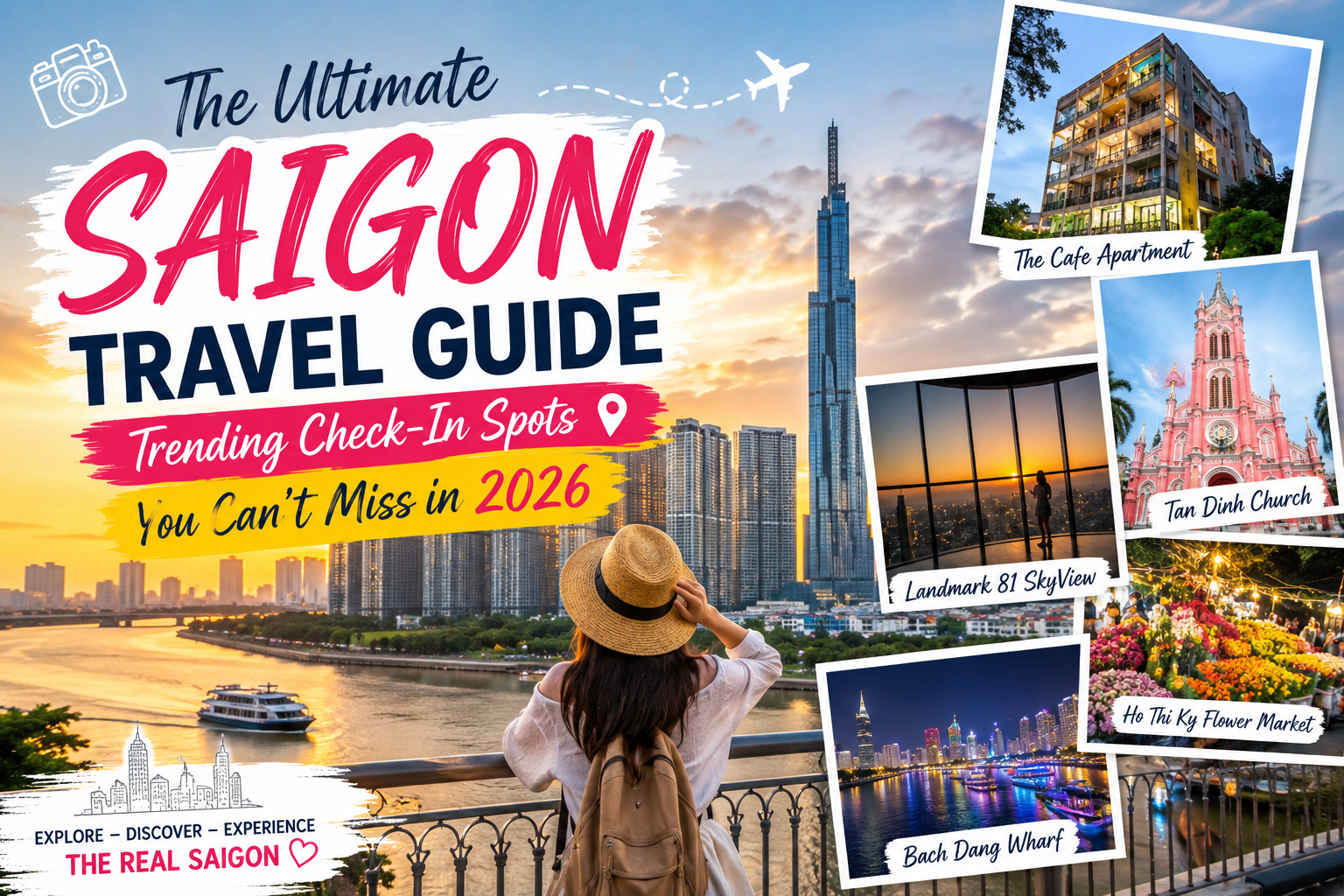
At the heart of the region lies Hồ Chí Minh City, still affectionately known by many locals as Saigon.
Unlike Hanoi’s historical elegance, Saigon feels fast-moving, ambitious, youthful, and constantly evolving. New cafés, restaurants, rooftop bars, creative spaces, and modern developments appear almost everywhere. The city embraces change while still preserving traces of its past.
Many international visitors find Southern Vietnam particularly easy to navigate because of its open and welcoming atmosphere.
Historically, the South experienced significant interaction with international trade networks and later with French and American influences during different periods of its development. These historical connections contributed to a culture that is often perceived as flexible, adaptable, and outward-looking.
Visitors frequently describe people in Southern Vietnam as approachable, relaxed, and quick to start conversations with strangers. Of course, personalities vary everywhere, but the overall atmosphere tends to feel informal and energetic.
The food culture reflects this openness as well.
Southern Vietnamese cuisine often embraces bold flavors, abundant fresh herbs, tropical ingredients, and a slight sweetness that distinguishes it from northern cooking traditions.
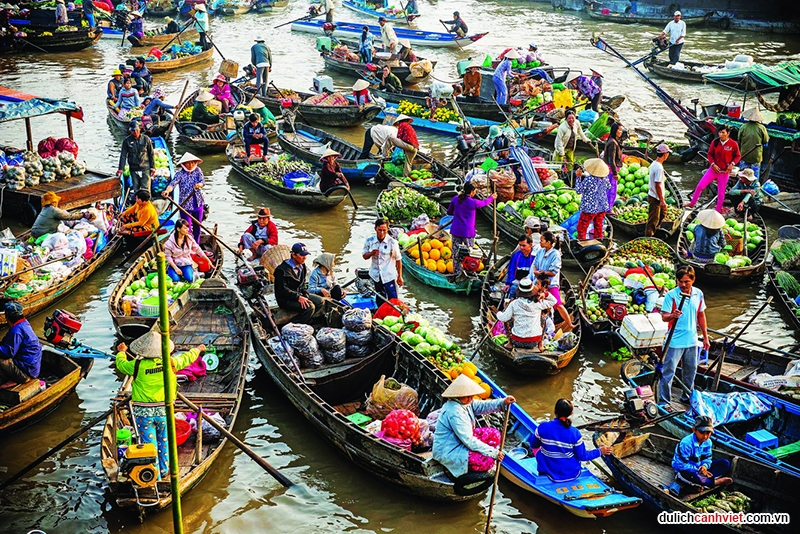
Outside the city, the Mekong Delta offers another side of Southern Vietnam entirely. Here, life revolves around rivers, floating markets, fruit orchards, and fertile agricultural landscapes that have sustained communities for generations.
For travelers who enjoy vibrant cities, nightlife, café culture, contemporary lifestyles, street food adventures, and a more globally connected atmosphere, Southern Vietnam is often the perfect fit.
So which region is right for you?
The beauty of Vietnam is that there is no wrong answer.
If you are fascinated by history, ancient traditions, cultural heritage, and the deeper historical foundations of Vietnamese society, Northern Vietnam will likely leave a lasting impression.
If you dream of lantern-lit towns, imperial history, beautiful beaches, and a balanced mix of culture and relaxation, Central Vietnam may be exactly what you are looking for.
If you enjoy modern city life, energetic food scenes, contemporary culture, nightlife, and a youthful atmosphere influenced by both local traditions and global trends, Southern Vietnam could feel like home from the moment you arrive.
In reality, most travelers discover that each region reveals a different chapter of the same story.
The North teaches you where Vietnam came from.
The Central region shows how its history evolved.
The South demonstrates how the country continues to grow and reinvent itself today.
Together, they create one of the most fascinating travel destinations in Asia.
Final thoughts
Vietnam is not a country that can be understood through a single city or region.
Its true beauty lies in its diversity.
From the thousand-year-old traditions of the North to the imperial heritage of the Central region and the dynamic energy of the South, each part of the country offers unique perspectives on Vietnamese life, culture, and identity.
Rather than choosing which region is better, travelers may find the more rewarding question is: “Which side of Vietnam do you want to discover first?“
Because once you experience one region, you’ll almost certainly want to explore the others.
Ready to explore the real Saigon?
Join Saigon Taste Tours and discover the stories, flavors, and hidden corners that make Southern Vietnam so special. Come explore the real Saigon with us – where you don’t just see the city, you taste it.
👉 Book your experience today and experience Hồ Chí Minh City like a local.
Discover the city beyond the tourist spots with Saigon Taste Tours. Come explore the real Saigon with us – where you don’t just see the city, you taste it.
For custom itineraries and group bookings, pricing depends on group size. Contact Ben via WhatsApp: +84 383 624 632. If you have any questions, please don’t hesitate to ask.We are looking forward to showing you around our lovely country!
Book your experience today and discover Vietnam like a local!

Saigon Taste Tours team
Welcome to SAIGON TASTE Tours! We’re a team of passionate local guides dedicated to sharing the real Saigon and Vietnam through food, culture, and hidden gems. From bustling street food stalls and historic landmarks to outdoor adventures and peaceful nature escapes, our tours are designed to be authentic and unforgettable. Every experience is private and tailored to you, guided by knowledgeable locals who go above and beyond to make you feel like you’re exploring with a friend. With us, you won’t just visit Vietnam — you’ll truly experience it. We can’t wait to welcome you! Best regards, Ben and the SAIGON TASTE Tours
saigontastetours@gmail.com Click to Connect with Us
Leave a Reply